Hunting South Dakota Road Ditches
We’ve all been there: driving down a gravel road in South Dakota, scanning the fields, and suddenly, a magnificent rooster pheasant bursts out of the ditch, or a nice whitetail buck leaps from the tall grass right alongside the pavement. Your heart pounds, and the immediate thought is, "Can I hunt that?" This guide is going to cut through the confusion and explain the often-misunderstood rules and practicalities of hunting South Dakota road ditches, helping you understand where you stand legally and how to approach these unique hunting opportunities responsibly.
Understanding South Dakota Road Hunting Laws
The concept of hunting road ditches in South Dakota is one of the most frequently asked about, and often misinterpreted, topics among hunters, especially those new to the state or coming from areas with different regulations. It's easy to assume that if you're on a public road, everything adjacent must be fair game, but the reality is much more nuanced. The core issue revolves around property ownership and the public's right of way, which are not always the same thing.
The 66-Foot Right-of-Way Rule
South Dakota law generally establishes a 66-foot right-of-way for public roads. This means that, starting from the center of the road, there's typically 33 feet in either direction where the public has a right to travel. However, and this is critical, this public right-of-way does not automatically translate to public hunting land. In the vast majority of cases, the land within that 66-foot right-of-way, including the ditch, is still privately owned by the adjacent landowner. The state or county simply has an easement for the road itself and public travel.
What does this mean for hunting? It means that if you're standing in the ditch and hunting, you are, by law, still on private land unless that specific ditch is part of a larger piece of public hunting ground, like a Walk-In Area (WIA) or Game Production Area (GPA). The legal protection against trespass for hunters only comes when the adjacent private landowner has provided permission to hunt that ditch, or if the land is explicitly marked as public hunting access. Without that, you're trespassing, even if you are technically within the public right-of-way for travel. It's a tricky distinction that causes a lot of frustration, but it's vital to understand to avoid serious legal trouble. You might want to refer to South Dakota Road Hunting Laws for more details on the broader context.
Private Land Ownership in Road Ditches
This is where the rubber truly meets the road, pun intended. While you might legally drive down a road, and the ditch might feel like part of that public thoroughfare, the landowner whose property borders the road almost always owns the land right up to the center line of that road. This includes the ditch. Imagine their property line extending straight out to the middle of the road. Any hunting activity, therefore, on that ditch requires their explicit permission.
The temptation to pull over and hunt a ditch that looks prime for pheasants, especially when you see birds or deer using it as cover, is incredibly strong. However, doing so without permission is a direct violation of landowner rights. This also means that even if a ditch is not posted with "No Hunting" signs, it doesn't automatically grant permission. South Dakota law dictates that land is private by default unless otherwise marked as public, or unless explicit permission is granted. A courteous knock on the door, a brief conversation, and a clear understanding of boundaries can open up many hunting opportunities that might otherwise be missed. Always assume the ditch is private unless you have definitive proof it is public.
Navigating Public vs. Private Boundaries
One of the biggest headaches for hunters in South Dakota is figuring out where public land begins and private land ends, especially when the boundaries aren't clearly marked. Road ditches can be particularly ambiguous, blending into the surrounding landscape. Thankfully, modern technology and some traditional scouting methods can help clear things up significantly.
Using Mapping Apps to Identify Land Ownership
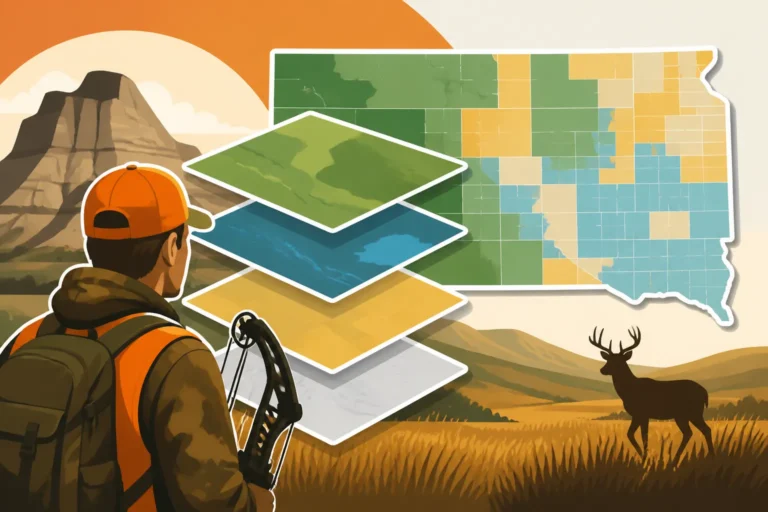
In today's hunting world, mapping apps like onX Hunt have become indispensable tools for precisely identifying land ownership, even down to the individual parcel. These apps layer property lines, landowner names, and public land designations right onto your satellite imagery, making it incredibly clear what's public and what's private. Before you even leave home, you can scout an area, zoom in on roads, and see if a ditch borders a South Dakota Walk-In Area or a Game Production Area. If it does, and the WIA/GPA signage is visible, then that ditch is typically part of the public hunting access.
However, if the ditch borders private land, onX Hunt will show you the property lines and often the landowner's name, which can be invaluable for asking permission. It takes the guesswork out of the equation and empowers you to be a responsible and respectful hunter. You can often see the exact width of road right-of-ways, and where they abut private fields. This level of detail helps prevent accidental trespass and builds better relationships with landowners, which is absolutely crucial in a state like South Dakota. For other resources, check out Using the South Dakota Public Hunting Atlas.
Visual Cues and Physical Markings
While mapping apps are fantastic, they should always be complemented by on-the-ground observation. Public hunting areas in South Dakota, such as Walk-In Areas (WIAs) and Game Production Areas (GPAs), are typically marked with distinctive yellow and black signs. These signs are your clearest indication that you are on land open to public hunting. If you see these signs bordering a road ditch, then that specific ditch area is likely part of the public access.
Conversely, private land might have "No Hunting," "No Trespassing," or "Posted" signs. Even if there are no signs, the presence of cultivation, fences, or simply knowing that the land isn't designated public should always lead you to assume it's private. Remember, the absence of a "No Hunting" sign does not imply permission to hunt. You must have explicit permission from the landowner or be on clearly marked public ground. Always double-check your location before stepping out of your vehicle, especially when dealing with the nuanced boundaries of road ditches. When in doubt, don't hunt it, or seek permission.
Practical Considerations for Hunting Ditches
Beyond the legalities, there are numerous practical and ethical considerations that come into play when thinking about hunting road ditches. It's not just about what you can do, but what you should do to ensure safety, maintain good relationships with landowners, and preserve a positive image for hunters.
Safety First: Traffic and Visibility
Hunting near roads, even in ditches, inherently brings safety concerns, most notably with vehicle traffic. Shotgun pellets can travel surprising distances, and rifles even further. A missed shot or a ricochet could easily endanger passing motorists, houses, or livestock. Always be acutely aware of your surroundings, your background, and where your shot will go. High-visibility clothing, like blaze orange, is not just a legal requirement for bird hunting in South Dakota; it's a common-sense safety measure that makes you visible to other hunters and passing vehicles. For more on this, see Blaze Orange Rules on a Bird Hunt.
Think about the angle of your shot. Can you safely take a shot parallel to the road without risking a vehicle? Is there a rise in the ditch that could safely stop a pellet spread or a bullet? The goal is to harvest game, not to put anyone at risk. This often means passing on shots that might be perfectly legal but are not entirely safe given the proximity to a road. The reputation of all hunters rests on individual actions, and safety should always be paramount.
| Ditch Scenario | Legal Status for Hunting | Practical Considerations |
|---|---|---|
| Adjacent to Posted Private Land | Private | Requires landowner permission. Do not hunt without it. High risk of trespass violation. |
| Adjacent to Unposted Private Land | Private | Requires landowner permission. Absence of signs does not grant access. Assume private. |
| Adjacent to Walk-In Area (WIA) | Public | Check WIA signage, typically marked in yellow and black. Huntable only within WIA boundaries. Consider Foot Traffic Only Rules on South Dakota Walk-In Areas. |
| Adjacent to Game Production Area (GPA) | Public | Check GPA signage. Huntable only within GPA boundaries. |
| State Highway Ditch | Typically Private | Even if wide, usually private land. High traffic volume increases safety risks. |
| County Gravel Road Ditch | Typically Private | Often less traffic, but still private unless marked public. Easier to contact landowners. |
Ethical Considerations and Landowner Relations
Hunting South Dakota road ditches, even when legal, demands a high degree of ethical conduct. Many landowners are wary of "road hunters" who might not be respectful of their property. Leaving gates open, driving off designated roads, littering, or shooting too close to homes are surefire ways to burn bridges and close off future opportunities for all hunters. Even when hunting a public ditch, remember that it still borders private land.
When a bird falls on the private side of a fence, even if shot legally from the public ditch, you need landowner permission to retrieve it. This can be a tough pill to swallow, but it's the law and good manners. This is why building positive relationships with landowners is so vital. A quick conversation, an offer to share game, or even just a thank you can go a long way. The ability to ask permission, not only for hunting but also for retrieving downed game, can make or break your day and the future of hunting access in South Dakota. Asking a South Dakota Landowner for Permission covers this in more detail.
Species-Specific Ditch Hunting Approaches
While the legal and ethical guidelines apply universally, the practical approach to hunting ditches can vary depending on the game species you're pursuing. South Dakota ditches are known for holding certain types of game more often than others, each requiring a slightly different strategy.
Pheasants in the Ditches
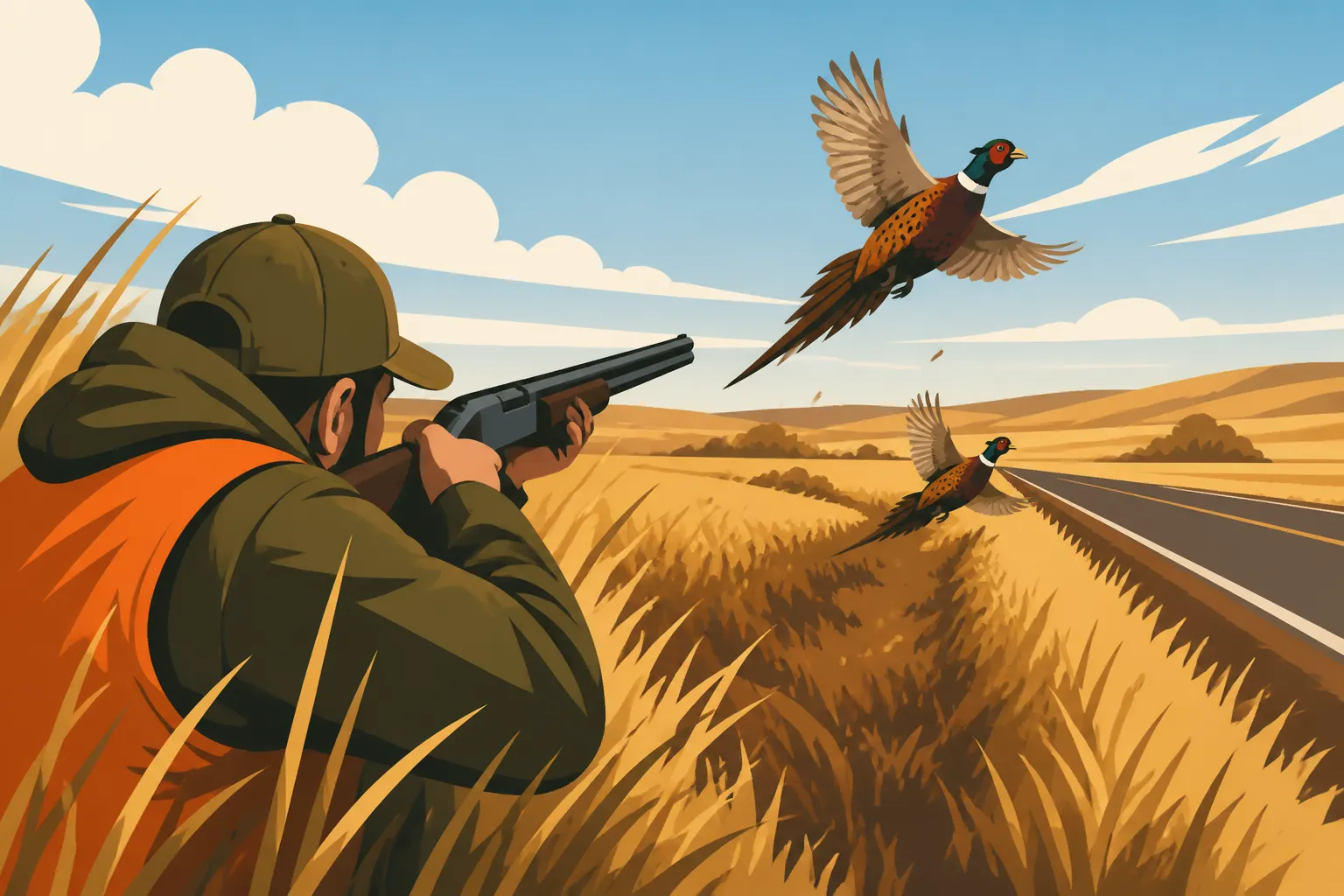
South Dakota's legendary ring-necked pheasants are perhaps the most common quarry found in road ditches. Ditches, especially those with thick grass, cattails, or brush, offer excellent thermal cover and escape routes for pheasants, particularly in colder weather or during intense hunting pressure. Hunters often spot roosters slipping into these linear strips of cover.
If you have legal access to a ditch (either public or with landowner permission), working it for pheasants can be productive. Typically, this involves walking slowly along the ditch, either alone or with a dog. If you have a partner, one person might walk the ditch while the other walks parallel in the adjacent field (if also legal to access), effectively "pinching" birds between them. Remember, pheasants often run ahead, so a slow, deliberate pace is key. You'll want to be ready for quick flushes, as birds that have been pressured tend to flush wild. Always be mindful of the Walking Speed That Holds Roosters and Why Birds Run Instead of Flush. When working a ditch, ensure your shooting lane is clear of traffic and homes.
Deer and Other Game
While pheasants are the primary target in South Dakota ditches, deer, especially whitetails, will occasionally use thicker ditches and draws for bedding or travel corridors, particularly if they connect larger blocks of cover. It's far less common to "hunt" a ditch specifically for deer in the same way you might for pheasants, but deer encountered in ditches during other hunts (like pheasant season) can present opportunities if legal. Always confirm the local hunting units and regulations for deer, and ensure you have the appropriate tag.
Other small game, like rabbits or even coyotes, might also be found in ditches. For coyotes, ditches can offer good cover for calling setups, especially on windy days. Again, the same rules of land access, safety, and ethics apply to all species. Never assume that because a ditch looks wild, it's public. Always verify your location, particularly with tools like onX Hunt that can clarify complex boundaries. Being a responsible hunter means doing your homework before you ever step foot into the field, or in this case, the ditch.
Disclaimer
This article is for general informational purposes only and does not constitute professional advice. Laws, prices and regulations vary by location and change over time. Consult a qualified professional for guidance on your specific situation.