South Dakota Deer Licence Types by Region
Trying to figure out South Dakota's deer licensing system can feel like deciphering a secret code, especially when you're trying to understand the differences between hunting East River, West River, or the Black Hills. Many hunters, both residents and non-residents, grapple with understanding which tags are available, how the draw works, and what the realistic chances are of drawing a coveted license. This guide is designed to cut through the confusion, offering a comprehensive look at the various deer license types across South Dakota's distinct regions, and equipping you with the knowledge to make informed decisions for your next hunt.
The Distinct South Dakota Deer Hunting Regions
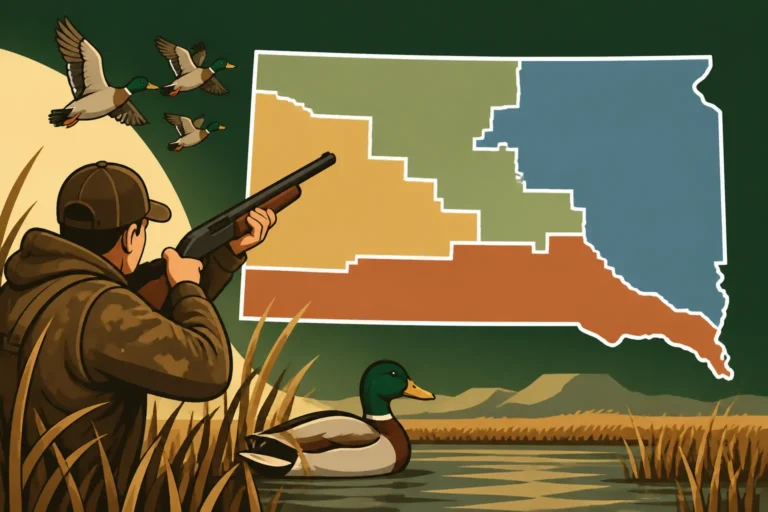
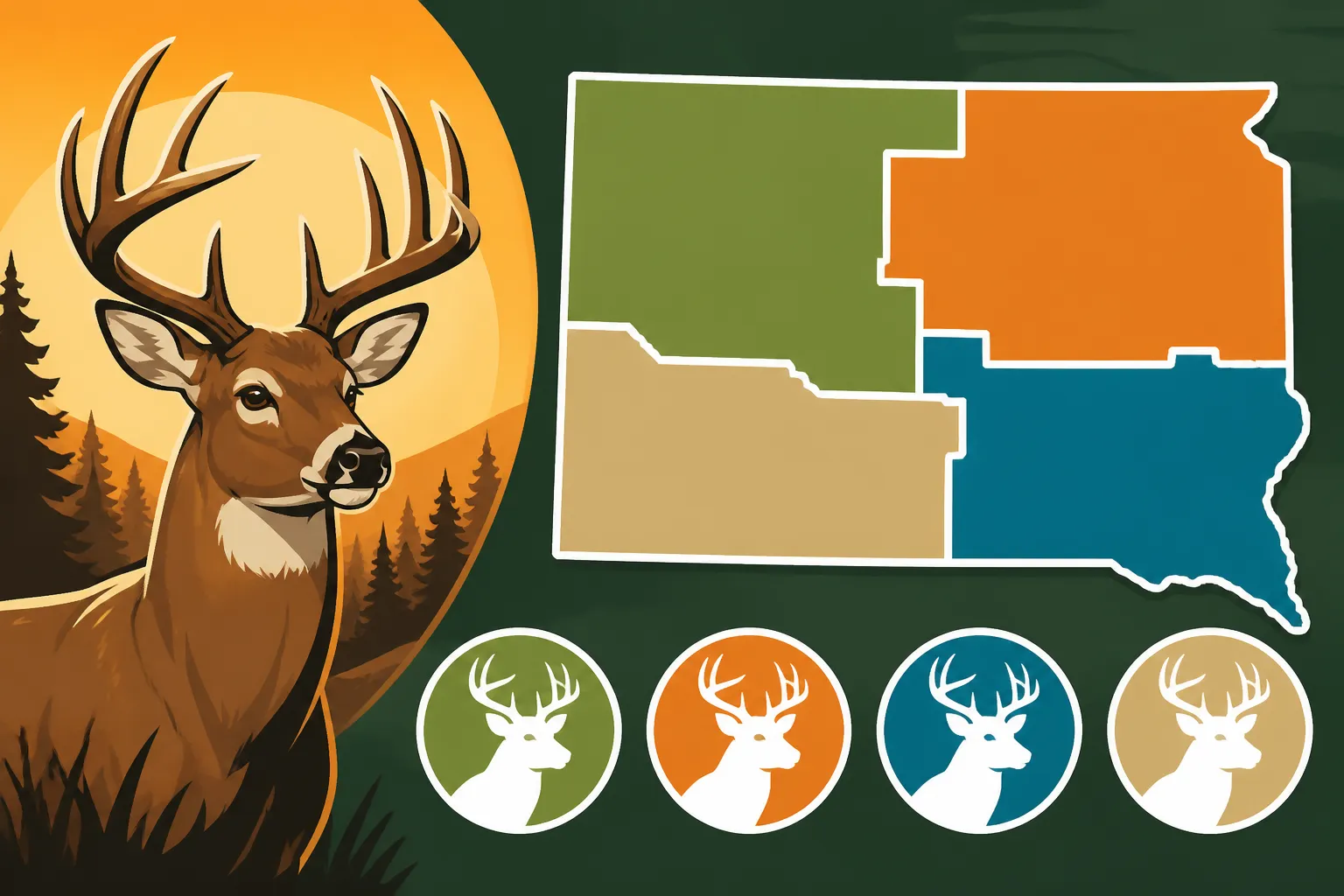
South Dakota, while often thought of as one homogeneous hunting destination, actually boasts three very distinct deer hunting regions: East River, West River, and the Black Hills. Each region offers a unique landscape, different deer populations, and, consequently, its own set of challenges and licensing opportunities. Understanding these fundamental differences is the first critical step in planning your hunt and navigating the complex license system.
East River: Lush Farmlands and Whitetail Strongholds
East River South Dakota is characterized by its rich agricultural lands, including vast corn and soybean fields, interspersed with tree belts, creek bottoms, and abundant cattail sloughs. This diverse habitat creates an ideal environment for white-tailed deer, which thrive on the readily available food sources and dense cover. For many hunters, East River represents classic whitetail country, offering a mix of accessible public ground, like Game Production Areas and Walk-In Areas, and a plethora of private land that often requires landowner permission.
The deer populations here are generally robust, and while trophy bucks certainly exist, the region is more widely known for its consistent opportunities and healthy numbers of deer. Hunting here often involves working food plots and corn edges, or pushing shelterbelts with a group, leveraging the terrain to funnel deer. Licenses for East River are typically in high demand, especially for antlered tags, but there are usually more opportunities for antlerless deer to help manage the healthy herds.
West River: Vast Prairies, Mule Deer, and Rolling Breaks
Crossing the Missouri River, you enter West River South Dakota, a dramatically different landscape of rolling prairies, rugged badlands, and deep river breaks. This is classic mule deer country, where vast expanses of sagebrush and grass provide ideal habitat for these iconic western deer. While whitetails are present, particularly along riparian corridors and in the Missouri River breaks, mule deer are often the primary target for hunters venturing into this more arid, open region.
Hunting West River demands a different skill set. Spot-and-stalk tactics are prevalent, requiring keen glassing skills and the ability to navigate expansive, often steep, terrain. Public land is more abundant here, with large tracts of National Grasslands and Bureau of Land Management (BLM) land, but it's often remote and challenging to access. The deer populations can be more susceptible to harsh winters, and draws for coveted West River mule deer tags, especially for non-residents, can be notoriously difficult, often requiring several years of building preference points. You'll want to read up on Reading Prairie Coulees for Mule Deer before you go.
The Black Hills: Mountainous Terrain and Diverse Deer
Nestled in the southwest corner of the state, the Black Hills offer a unique, mountainous hunting experience unlike anywhere else in South Dakota. Here, dense ponderosa pine forests, deep canyons, and steep ridges dominate the landscape. Both white-tailed deer and mule deer call the Black Hills home, often coexisting in the same drainages, though whitetails tend to favor the denser timber while mule deer are often found on more open, rocky slopes.
Hunting the Black Hills is physically demanding, requiring hunters to navigate challenging terrain and dense cover. Success often depends on still hunting through the timber, tracking fresh sign in the snow, or patiently waiting in strategic locations overlooking feeding or bedding areas. Licensing for the Black Hills is highly sought after, particularly for residents, and while some general archery tags may be available over-the-counter for residents, rifle tags are typically part of a controlled draw. For those seeking a truly distinct deer hunting experience within South Dakota, the Black Hills offer a beautiful, albeit challenging, option.
Understanding South Dakota's Deer License Draw System
South Dakota's approach to allocating deer licenses, particularly for high-demand units and species, relies heavily on a draw system. This system is designed to fairly distribute limited tags while also giving a slight edge to hunters who consistently apply, fostering a long-term commitment to hunting in the state. Understanding how this draw works, from preference points to application deadlines, is absolutely crucial for anyone hoping to secure a South Dakota deer tag.
Preference Points and How They Work
South Dakota utilizes a preference point system for many of its deer draws, particularly for popular units and species like West River mule deer. The basic idea is simple: for every year you apply for a specific license type and are unsuccessful in drawing that tag, you earn a preference point. When you apply the following year, your application is essentially entered into the lottery with more "weight" or "chances" based on the number of points you've accumulated. This system is designed to reward loyalty and persistence, making it easier for long-term applicants to eventually draw a tag.
It's important to note that you can also purchase a preference point without applying for a license in a given year. This is a common strategy for hunters who know they won't be able to hunt this season but want to continue building points for future years. However, this system doesn't guarantee a tag; it simply increases your odds. The more popular a unit or license type, the more points it might take to draw, a phenomenon often referred to as "point creep." You can dive deeper into this system by checking out South Dakota Preference Points Explained. Researching point trends, perhaps using a resource like GoHunt, can provide valuable insights into how many points you might need for specific units.
Application Deadlines and Lottery Mechanics
Missing a deadline in the South Dakota deer draw system is a surefire way to miss out on a tag, regardless of how many preference points you've accumulated. The state's Game, Fish and Parks (GFP) department maintains strict application periods, typically in the spring for most big game draws. For deer, the main firearm draws usually have deadlines in early to mid-April, though these can shift slightly from year to year. It's imperative to mark these dates on your calendar and submit your application well in advance to avoid any last-minute technical glitches. You can always find the exact dates in the most current South Dakota Hunting Handbook or on the GFP website. For specific big game, make sure you know the South Dakota Deer Application Deadline.
When you apply, you'll typically select a first and second choice for unit and license type. Your first choice is always considered first in the draw. If you're unsuccessful in drawing your first choice, your application is then considered for your second choice, though usually with less priority or only if there are leftover tags. The lottery itself is a random drawing, but your preference points multiply your chances of being selected. Once drawn, your preference points for that specific license type reset to zero, and you'll start accumulating them again for future applications. This reset ensures that tags are eventually distributed among a broader pool of persistent hunters.
Navigating Draw Odds and Leftover Tags
Understanding the draw odds for different South Dakota deer units is a critical part of a successful application strategy. This is where researching historical draw data becomes invaluable. Resources like the South Dakota GFP website often publish past draw statistics, showing how many applicants applied for a unit, how many tags were issued, and the average number of preference points held by successful applicants. Using a platform like GoHunt can further refine this research, offering predictive draw odds based on historical data and current applicant trends. This kind of intel allows you to make an educated decision about which units to apply for, weighing your desire for a specific hunt against the realistic probability of drawing a tag with your current point total.
Even if you're unsuccessful in the main draw, all is not lost! South Dakota frequently has leftover tags, especially for antlerless deer or less popular units, which become available for sale after the primary draws are complete. These leftover tags are typically sold on a first-come, first-served basis, often online, and can be a great opportunity to get into the field, particularly for residents or non-residents looking for additional hunting opportunities. While these might not be for the trophy buck of your dreams, they can offer excellent meat hunts or a chance to experience a new area. Keeping an eye on the GFP website and signing up for their email notifications are the best ways to stay informed about leftover tag availability.
East River Deer Hunting: Whitetails and Accessible Opportunities
East River South Dakota offers some of the state's most popular deer hunting, primarily targeting white-tailed deer. The landscape, a mix of agriculture and dense cover, fosters healthy deer populations, leading to consistent opportunities. However, the high demand for these tags, especially for antlered deer, means understanding the specific license types and application strategies is crucial.
Resident vs. Non-Resident East River Tags
The distribution of East River deer licenses heavily favors residents, which is common in many states with limited tags. South Dakota aims to ensure its resident hunters have ample opportunity to pursue deer in their home state. For residents, there are generally more license options, including general antlered and antlerless tags, often available for multiple units or even statewide for certain weapon types. These tags might be part of a draw or, in some cases, available over-the-counter for specific seasons or antlerless opportunities.
For non-residents, the landscape is significantly more competitive. Non-resident East River antlered tags are extremely limited and typically part of a highly competitive draw. The chances of drawing one of these coveted tags as a non-resident without a substantial number of preference points can be quite low. However, there are usually more non-resident opportunities for antlerless deer tags, which, while not the "trophy" hunt, still offer a fantastic experience and a chance to get venison in the freezer. It’s vital for non-residents to thoroughly research draw odds and understand their realistic chances before committing to an application strategy.
Antlered and Antlerless Licences
When applying for East River deer tags, you'll almost always encounter a distinction between antlered (buck) and antlerless (doe) licenses. This distinction is a key component of South Dakota's deer management strategy, allowing the state to control herd numbers and balance buck-to-doe ratios. Antlered tags are, as you might expect, the most sought after. They allow the harvest of a buck with specific antler point or length requirements, depending on the unit and year. These tags are generally harder to draw and often require more preference points, especially for prime units.
Antlerless tags, on the other hand, are typically more available. These licenses allow hunters to harvest a doe or a fawn, providing excellent opportunities for meat hunters or those looking to simply get into the field. Many hunters, particularly residents, will apply for both an antlered and an antlerless tag, or secure an antlerless tag as a second choice, increasing their overall chances of success. These tags play a vital role in population control, helping to ensure healthy deer herds for future seasons. They're also often cheaper and easier to acquire, making them a great option for a less competitive, but equally rewarding, hunting experience.
Managing Expectations in East River Units
Hunting East River South Dakota, while offering great opportunities, requires a realistic understanding of the landscape and potential challenges. Much of the land is privately owned farmland, meaning securing landowner permission is often key to accessing prime hunting ground. While South Dakota boasts an extensive Walk-In Area (WIA) program and numerous Game Production Areas (GPAs), these public lands can experience significant hunting pressure, especially during the opening weekends of pheasant and deer seasons. Understanding how Hunting Pressure Patterns on Walk-In Areas can affect deer movement is crucial.
Expect to do your homework. Utilizing tools like the South Dakota GFP Public Hunting Atlas or apps like onX Hunt to identify public land parcels and understand property boundaries is essential. Patience and persistence are also virtues here. Deer in agricultural areas often use small patches of cover, creek bottoms, and shelterbelts to avoid pressure, meaning hunters need to be strategic in their approach, often working as a group to push cover or setting up stands along key travel corridors. Building relationships with local landowners, even if just to ask for permission to hunt antlerless deer, can also open up doors to otherwise inaccessible ground.
West River Deer Hunting: The Pursuit of Prairie Bucks
West River South Dakota offers a hunting experience that many associate with the wild, open spaces of the American West. It's a region where the pursuit of mule deer often takes center stage, and the challenges of the landscape are as significant as the rewards. Securing a West River deer tag, especially for a mule deer buck, requires a deep understanding of the draw system and often a long-term strategy.
West River Mule Deer Tags: A Coveted Draw
For many, a West River mule deer tag represents a quintessential South Dakota big game hunt. The opportunity to glass vast expanses, spot a mature buck, and execute a challenging spot-and-stalk is a dream for countless hunters. However, this dream comes with a significant caveat: these tags are among the hardest to draw in the state, particularly for non-residents. The quality of mule deer in many West River units is exceptional, leading to intense competition for the limited tags issued.
Non-residents, in particular, face extremely long odds, often requiring many years of accumulating preference points to have a realistic chance at a buck tag. The draw is so competitive that many non-residents focus on building points year after year, sometimes for a decade or more, before finally drawing a tag. This means patience is not just a virtue, but a necessity. Hunters serious about a West River mule deer hunt should use resources like GoHunt to meticulously track draw odds and plan their application strategy, potentially adjusting their unit choices based on point requirements.
Whitetail Opportunities in West River River Bottoms
While mule deer often steal the spotlight in West River, it's crucial not to overlook the excellent white-tailed deer hunting available, especially along the region's numerous river corridors. The Missouri River, with its expansive timbered bottoms and broken terrain, is a prime example of a West River whitetail stronghold. These areas provide dense cover, consistent water, and a diverse forage base, allowing whitetail populations to thrive even in an otherwise open landscape.
Hunting these river bottoms and other riparian areas often involves strategies similar to East River whitetail hunting: stand hunting along trails, rattling and grunting during the rut, or still hunting through thickets. Public access exists along portions of the Missouri River, often managed by the Army Corps of Engineers, providing crucial hunting grounds. Exploring these areas can offer a fantastic alternative or complement to a mule deer hunt, often with more accessible tag opportunities. If you're considering this, definitely check out South Dakota Whitetail Hunting in River Bottoms for more in-depth advice. Other river systems like the Cheyenne and White River also offer pockets of whitetail habitat that can be productive.
Specific West River Unit Considerations
The vastness of West River South Dakota means that not all units are created equal. Some units are dominated by open prairie, while others feature significant badlands topography or extensive river breaks. Each unit presents its own unique challenges and opportunities. For instance, units with large tracts of National Grasslands, such as Buffalo Gap or Fort Pierre, offer significant public access but can be extremely remote and require extensive navigation and scouting. Hunters need to be prepared for long walks, unpredictable weather, and potentially very sparse deer populations in some areas.
Conversely, units along major river systems might offer more concentrated deer populations but could also be fragmented by private land, making access a greater challenge. Water availability is another critical factor, especially in dry years; knowing Finding Water in Dry West River Country can be a game-changer for locating deer. Thorough e-scouting using aerial imagery, topographical maps, and land ownership layers (like those found on onX Hunt) is paramount for identifying potential hunting areas, understanding access points, and anticipating deer movement patterns within specific West River units. Successful hunters here are often those who invest significant time in pre-season preparation and are willing to cover vast amounts of ground once in the field.
Black Hills and Custer State Park Deer Hunts
The Black Hills region offers a truly unique deer hunting experience within South Dakota, characterized by its mountainous terrain and dense Ponderosa pine forests. Add to this the very special draws for Custer State Park, and you have a set of opportunities that stand apart from the prairie and farmland hunts.
Black Hills Deer Licences: Timber and Mountain Bucks
Hunting in the Black Hills National Forest involves navigating a landscape of steep ridges, deep draws, and vast timber stands. Both white-tailed and mule deer inhabit these hills, often found in close proximity but utilizing different types of cover. Whitetails typically prefer the thicker, lower elevation timber and creek bottoms, while mule deer might be found higher on the more open, rocky slopes and clearings.
For residents, some general archery deer tags for the Black Hills can often be purchased over-the-counter, providing a fantastic, extended season opportunity. Rifle tags, however, are usually part of a controlled draw, often with specific unit designations within the Black Hills. These draws can be competitive, though generally not to the same degree as the West River mule deer tags. Hunters should expect physically demanding hunts, often involving still hunting, tracking, or setting up ambush points along game trails. Understanding Black Hills Forest Roads and Access is crucial for navigating this extensive public land. Success here often comes down to perseverance and a willingness to explore the vastness of the forest.
Custer State Park Special Hunts
Custer State Park, located within the Black Hills, offers some of the most exclusive and highly sought-after deer hunting experiences in South Dakota. These hunts are truly "special" because they are extremely limited in number and typically offer an exceptional chance at a quality buck in a pristine, managed environment. Tags for Custer State Park deer hunts are almost exclusively allocated through a very competitive draw, often requiring many years of applying and accumulating preference points, even for residents.
The park actively manages its deer population, and the limited tags are designed to provide a high-quality, low-pressure hunting experience. Hunters who are lucky enough to draw a Custer State Park tag can expect a challenging but potentially very rewarding hunt in a stunning natural setting. These hunts often have specific rules and regulations that differ from general state regulations, so successful applicants must thoroughly review the Custer State Park Deer Licence Rules provided by GFP. It's a once-in-a-lifetime type of experience for many hunters, often yielding impressive bucks.
The Uniqueness of Black Hills Deer Habitat
The Black Hills represent a significant ecological departure from the rest of South Dakota. The dominant Ponderosa pine forests create a dense canopy that can make spotting deer at long distances incredibly challenging. Instead, hunters often rely on tracking fresh sign in light snow, listening for subtle movements, or moving slowly and deliberately through the timber, pausing frequently to glass ahead. The steep, broken terrain also influences deer movement, often funneling them through saddles, along ridges, or into protected drainages.
Understanding how deer utilize this unique habitat is key. For example, during colder weather, deer might seek out south-facing slopes to catch the sun, while during warmer periods, they'll bed in dense, shaded timber. Food sources also vary; while acorns, serviceberry, and aspen provide forage, deer might concentrate in areas recently impacted by logging or prescribed burns, which promote new, nutritious growth. While focusing on deer, understanding the challenges of Hunting Elk on Steep Black Hills Ridges can give you insight into the general difficulty of navigating and hunting this rugged terrain. The Black Hills demand a hunter who is physically fit, patient, and adaptable to mountain hunting tactics rather than typical prairie or farmland strategies.
Specialized Deer Hunting Methods and Licences
Beyond the general firearm seasons, South Dakota offers specific license types tailored to different hunting methods, providing extended opportunities and unique challenges for dedicated deer hunters. These include archery, muzzleloader, and special refuge hunts, each with its own season dates, regulations, and appeal.
Archery Deer Licences: Extended Seasons and Challenge
Archery deer hunting in South Dakota offers a significantly longer season compared to rifle seasons, typically opening in early September and extending well into the fall, often through December. This extended season provides archers with the chance to hunt deer during different phases of their annual cycle, from the early-season patterns influenced by summer food sources to the excitement of the rut and even into the late season. For residents, many archery deer tags, particularly for antlerless deer or statewide archery, are available over-the-counter, meaning no draw is required.
Non-residents do have specific quotas for archery deer licenses, and while these are generally more accessible than rifle tags for antlered deer, they can still be part of a draw, especially for specific regions or buck tags. Archery hunting demands a high level of skill, patience, and close-range proficiency. It's a deeply immersive experience that forces hunters to get closer to their quarry. Learning about South Dakota Archery Deer Season Dates will be crucial for planning your bowhunting adventure. Whether you're chasing velvet bucks in September or grunting in a rutting whitetail in November, the archery season provides a challenging and rewarding pursuit.
Muzzleloader Deer Hunts: Late Season Rewards
Muzzleloader deer season in South Dakota typically offers another unique opportunity, often falling in the late season, after the general firearm hunts have concluded. This late-season timing can be a major draw for hunters, as deer are often concentrated in wintering areas, and fresh snow can make tracking easier. Muzzleloader hunting forces a hunter to slow down, become intimately familiar with their firearm, and often requires more precise shot placement due to the single-shot nature and limited range of many traditional muzzleloaders.
Licenses for muzzleloader deer hunts are generally unit-specific and often part of a draw, though they can sometimes be easier to draw than early rifle tags due to lower participation. These hunts cater to hunters who appreciate the challenge and traditional aspect of hunting with a muzzleloader. The quiet solitude of a late-season hunt, combined with the distinctive smoke and roar of a muzzleloader, creates a memorable experience. Be sure to check South Dakota Muzzleloader Deer Dates for the most accurate season information for your target unit. Hunters pursuing these tags should practice extensively with their chosen muzzleloader to ensure proficiency under field conditions.
Refuge and Special Area Hunts
South Dakota also offers highly specialized deer hunting opportunities within certain wildlife refuges, state parks, or other managed areas. These hunts are often designed to address specific wildlife management goals, such as population control or reducing crop depredation, and they typically come with very strict regulations, limited access, and specific boundaries. Tags for refuge and special area hunts are almost always allocated through a highly competitive draw, with a very limited number of permits issued.
The appeal of these hunts lies in the often-higher success rates and the potential for encountering larger, less pressured deer, due to the limited hunting pressure and controlled environment. These hunts might involve unique weapon restrictions (e.g., archery only, shotgun only), specific hunt dates, and mandatory check-in/check-out procedures. While challenging to draw, they provide an exceptional opportunity for hunters looking for a unique, high-quality experience. Researching these specific draws on the GFP website, including any mandatory orientation sessions or specific unit rules, is essential before applying.
Non-Resident Deer Hunting in South Dakota
South Dakota is a bucket-list destination for many non-resident hunters, particularly for pheasants, but the state also offers deer hunting opportunities. However, navigating these opportunities as a non-resident requires a strategic approach, as quotas are limited and competition is fierce for prime tags.
Understanding Non-Resident Quotas and Limitations
The biggest hurdle for non-resident deer hunters in South Dakota is the strict quota system. The state sets aside a limited number of deer tags specifically for non-residents, and these numbers are significantly lower than those allocated to residents. This is particularly true for antlered deer tags, especially in popular units within the West River and East River regions. For example, West River mule deer buck tags for non-residents are extremely difficult to draw, often requiring a decade or more of accumulated preference points.
Even for East River whitetail buck tags, non-resident opportunities are scarce and highly competitive. Non-residents typically have better odds of drawing antlerless tags, which, while not a trophy hunt, still provide a rewarding hunting experience and a chance to get venison. It’s also important to factor in the South Dakota Nonresident Hunting Licence Cost and other associated fees, as these can add up. Understanding these inherent limitations from the outset is crucial for setting realistic expectations and developing a sound application strategy.
Strategic Application for Non-Residents
Given the limited non-resident quotas, a strategic approach to applying for South Dakota deer tags is paramount. Simply applying for the most popular units without understanding the draw odds is a recipe for annual disappointment. This is where diligent research and a long-term perspective come into play. Non-residents should:
- Prioritize Units: Research historical draw odds for specific units. Decide whether you want to target a highly coveted tag (and commit to building points for years) or pursue a unit with slightly better, though still challenging, odds.
- Utilize Preference Points Wisely: For antlered tags, especially West River mule deer, accumulating preference points is often the only viable path. Consider purchasing a point each year, even if you don't apply for a tag, to steadily improve your odds. Using tools like GoHunt can help you understand the point levels needed for different units.
- Consider Second Choices Carefully: While your first choice is prioritized, a strategic second choice, particularly for an antlerless tag or a less popular unit, can increase your chances of drawing any deer tag.
- Party Applications: If hunting with friends or family, consider applying as a party. The draw system often considers the lowest number of preference points within a party, so make sure everyone is on the same page regarding points and expectations.
Combination Hunts and Other Non-Resident Options
While drawing a premium non-resident deer tag in South Dakota can be tough, non-residents still have excellent hunting opportunities, particularly through combination hunts. South Dakota is world-renowned for its pheasant hunting, and many non-residents visit the state primarily for small game. The general nonresident small game license, which often covers pheasants, grouse, and other small game, can be a fantastic way to experience South Dakota's outdoors.
If you happen to draw a deer tag, you can combine your deer hunt with a pheasant or waterfowl hunt, making for an incredibly diverse and action-packed trip. Even if you don't draw a deer tag, coming for a pheasant hunt still provides an amazing experience. Furthermore, non-resident archery deer tags, while still limited, are generally more accessible than rifle tags, offering another avenue for non-residents to pursue deer in the state. Exploring options like Hunting South Dakota Walk-In Areas for pheasants, even if you don't draw a deer tag, can round out your trip with plenty of action. The key is to be flexible and consider all the incredible hunting opportunities South Dakota has to offer, not just the most competitive deer draws.
Maximizing Your South Dakota Deer Hunting Success
Regardless of whether you're a resident or non-resident, chasing deer in South Dakota demands thorough preparation and adherence to local regulations. Beyond just drawing a tag, success in the field hinges on a blend of pre-season planning, understanding legalities, and fostering ethical hunting practices.
Pre-Season Scouting and Planning
Drawing a South Dakota deer tag is only half the battle; the real work begins with diligent pre-season scouting and planning. Modern technology has made this process significantly easier, allowing hunters to e-scout extensively before ever setting foot in the field. Tools like satellite imagery and topographical maps, often found on apps like onX Hunt, are invaluable for identifying potential bedding areas, feeding locations, water sources, and key travel corridors. You can mark waypoints for promising terrain features, pinch points, and access routes, effectively creating a virtual hunt plan. You might also find help with Scouting South Dakota Public Ground Before the Season.
Beyond e-scouting, understanding the specific habitat of your chosen unit is crucial. Is it dense timber, open prairie, or a mix of farmland and river bottoms? Each environment dictates different hunting tactics. If you're targeting public lands, paying attention to potential access points that might see less pressure, or identifying areas that are further from roads, can significantly increase your odds. For private land, pre-season conversations with landowners are essential, not just for permission, but also for understanding recent agricultural practices, cattle movements, and deer patterns on their property.
Legalities and Harvest Reporting
Hunting in South Dakota comes with a clear set of rules and regulations designed to ensure fair chase, promote conservation, and manage wildlife populations responsibly. Before your hunt, it is absolutely paramount to thoroughly review the current year's South Dakota Hunting Handbook, which is available online through the GFP website. This handbook will detail specific season dates, legal shooting hours, bag limits, weapon restrictions, and unit-specific rules that can change from year to year. Ignorance of the law is never an excuse, and violations can lead to hefty fines, license revocation, and loss of hunting privileges.
One critical aspect for deer hunters is the harvest reporting requirement. Once you've successfully harvested a deer, you are legally obligated to tag it immediately and then report your harvest to the GFP within a specified timeframe. This South Dakota Harvest Reporting Rules is often done online or via a dedicated phone line, and it's how the state collects vital data for population management. Furthermore, be aware of Chronic Wasting Disease (CWD) regulations, which may include carcass transport rules or mandatory testing in certain units. Always know the rules before you go and follow them to the letter.
Ethical Hunting and Landowner Relations
Hunting is a privilege, and maintaining a positive image for all hunters depends heavily on ethical conduct and respectful landowner relations. In a state like South Dakota, where much of the land is privately owned, securing permission from landowners is often key to a successful hunt. Always ask for permission well in advance, introduce yourself, and clearly state your intentions. Offer to share some of your harvest, and always leave the property in better condition than you found it. A simple thank you note or a small gift after the hunt can go a long way in building goodwill and securing future access.
Beyond private land, understanding and adhering to public land etiquette is equally important. Respect other hunters' space, avoid South Dakota Road Hunting Laws violations, and always practice safe firearm handling. Field dressing your animal quickly and cleanly, and packing out all trash (including spent shell casings), demonstrates respect for the land and the resource. Being a responsible, ethical hunter not only enhances your own experience but also helps ensure that future generations will continue to enjoy the privilege of hunting in South Dakota.
Disclaimer
The information provided in this guide is for general informational purposes only and is subject to change. South Dakota Game, Fish and Parks regulations can be updated annually. Always consult the official South Dakota Game, Fish and Parks website and the current year's hunting handbook for the most accurate and up-to-date licensing requirements, season dates, and regulations before planning any hunting trip.