Missouri River Reservoir Shoreline Hunting
Hunting along South Dakota's mighty Missouri River reservoirs can feel like navigating a maze. From understanding which agency manages which piece of shoreline to deciphering access points and water levels, it's a unique challenge that often leaves hunters scratching their heads. This comprehensive guide will pull back the curtain on hunting these vast, beautiful waterways, helping you unlock prime opportunities for waterfowl, deer, and more.
The Mighty Missouri's Reservoirs: A Unique Hunting Landscape
The Missouri River, as it carves its way through South Dakota, isn't just a river anymore; it's a series of massive reservoirs that completely transform the landscape. These impoundments — Lake Oahe, Lake Sharpe, Lake Francis Case, and Lewis and Clark Lake — are truly inland seas, offering incredible, yet often complex, hunting opportunities. Many hunters are intimidated by their sheer scale and the often-fluctuating conditions, but with a bit of knowledge, they can become some of the most rewarding hunting grounds in the state.
The Scale and Diversity of the River Lakes
Imagine thousands of acres of water, twisting shorelines, islands, and vast expanses of timber, cattails, and prairie breaks. That's what you're dealing with on the Missouri River reservoirs. Each lake has its own character. Lake Oahe, for instance, is massive and deep, stretching over 230 miles and offering incredible big game hunting in its rugged breaks, alongside excellent waterfowl. Lake Sharpe, downstream from Oahe, is narrower and flows more like a river in many sections, yet still provides extensive shoreline cover. Lake Francis Case and Lewis and Clark Lake offer their own unique blend of bluffs, timber, and shallower bays, creating diverse habitats. This diversity means a wide range of game calls these areas home, from migrating ducks and geese to whitetail deer, and even the occasional mule deer in the more rugged west river portions.
How Water Levels Impact Hunting Access and Habitat
One of the biggest frustrations and challenges of hunting the reservoirs is the constantly changing water levels. What might be an easy walk-in access point one year could be completely flooded the next, or expose vast mud flats making boat access impossible. The Army Corps of Engineers manages the water flow, primarily for flood control, hydropower, and navigation, and these priorities often mean significant fluctuations. A low water year can expose sandbars and mud flats, creating new prime feeding areas for ducks and geese, but also making boat ramps unusable. High water can inundate shoreline timber and push deer to higher ground, or make those previously accessible cattail fringes unreachable without a specialized shallow-draft boat. Always check current water level forecasts before planning a trip, as these changes dramatically dictate where and how you can hunt. It's a dance with Mother Nature and man's engineering, and you've got to be ready to adapt.
Navigating Access and Regulations Along the Shoreline
Accessing hunting ground along the Missouri River reservoirs isn't as straightforward as pulling up to a South Dakota Walk-In Area sign on a fence post. Much of the land immediately adjacent to the water, and even extending back from it, is managed by the U.S. Army Corps of Engineers (USACE). This creates a unique patchwork of regulations and opportunities that can be confusing for even seasoned South Dakota hunters, let alone those visiting from out of state.
Understanding Corps of Engineers Land
The U.S. Army Corps of Engineers manages a substantial amount of land surrounding the Missouri River reservoirs in South Dakota. This land is generally open to public recreation, including hunting, but it comes with specific rules. Unlike typical state Game Production Areas or National Grasslands, Corps land often has specific regulations regarding vehicle use, camping, and the placement of hunting blinds or stands. You might find areas that are readily accessible by vehicle, while others are strictly walk-in. Knowing these boundaries and rules is paramount to avoiding a violation. Before heading out, always consult the local USACE office or check their online maps for the specific reservoir you plan to hunt. These maps often detail vehicle access points, prohibited areas, and other important information.
Using Digital Mapping Tools for Access
This is where modern technology truly shines. Forget outdated paper maps that don't account for recent land sales or changes in access. Digital mapping applications like onX Hunt and GoHunt are indispensable for hunting the Missouri River. These tools layer public and private land boundaries directly onto aerial imagery, allowing you to see exactly where Corps land begins and ends, where state-owned property is, and where private land is posted. You can identify potential parking areas, scout for isolated pockets of cover, and mark routes to avoid trespassing – all from your phone or tablet. For instance, you can zoom in and identify a narrow strip of Corps land that runs along a remote bay, providing an unpressured spot that might otherwise go unnoticed. Using the South Dakota Public Hunting Atlas online is another great resource for initial scouting, but for granular, in-the-field navigation, these apps are a game-changer. They help you understand complex land ownership patterns, which is critical when navigating the winding shores and numerous islands.
Regulations and Permitting Specifics
While much of the Corps land is open to hunting, some areas may have special restrictions, such as no-wake zones for boats or designated safety areas near dams or recreation sites. For waterfowl hunters, it's crucial to understand state and federal regulations regarding decoy placement, shooting hours, and bag limits, which might vary by zone along the extensive river system. Always check the current South Dakota Hunting and Trapping Handbook. Big game hunters need to be aware of the specific unit boundaries, as these can sometimes run right along the river or reservoir, and your licence will only be valid for the unit specified. For instance, a deer licence for a West River unit might allow you to hunt a specific section of Oahe shoreline, but not the East River side just across the water. Paying attention to these details can save you a lot of headaches and ensure you're hunting legally and ethically.
Hunting the Missouri River's Bounty: Species and Tactics
The Missouri River reservoirs are a magnet for wildlife, offering a diverse array of hunting opportunities. From the explosive flushes of pheasants in heavy cover to the serene yet intense wait in a duck blind, and the patient pursuit of deer in rugged breaks, there's something for every hunter. But success here often hinges on understanding the specific behaviors of these species in a riverine environment.
Waterfowl Hunting: Ducks and Geese Galore
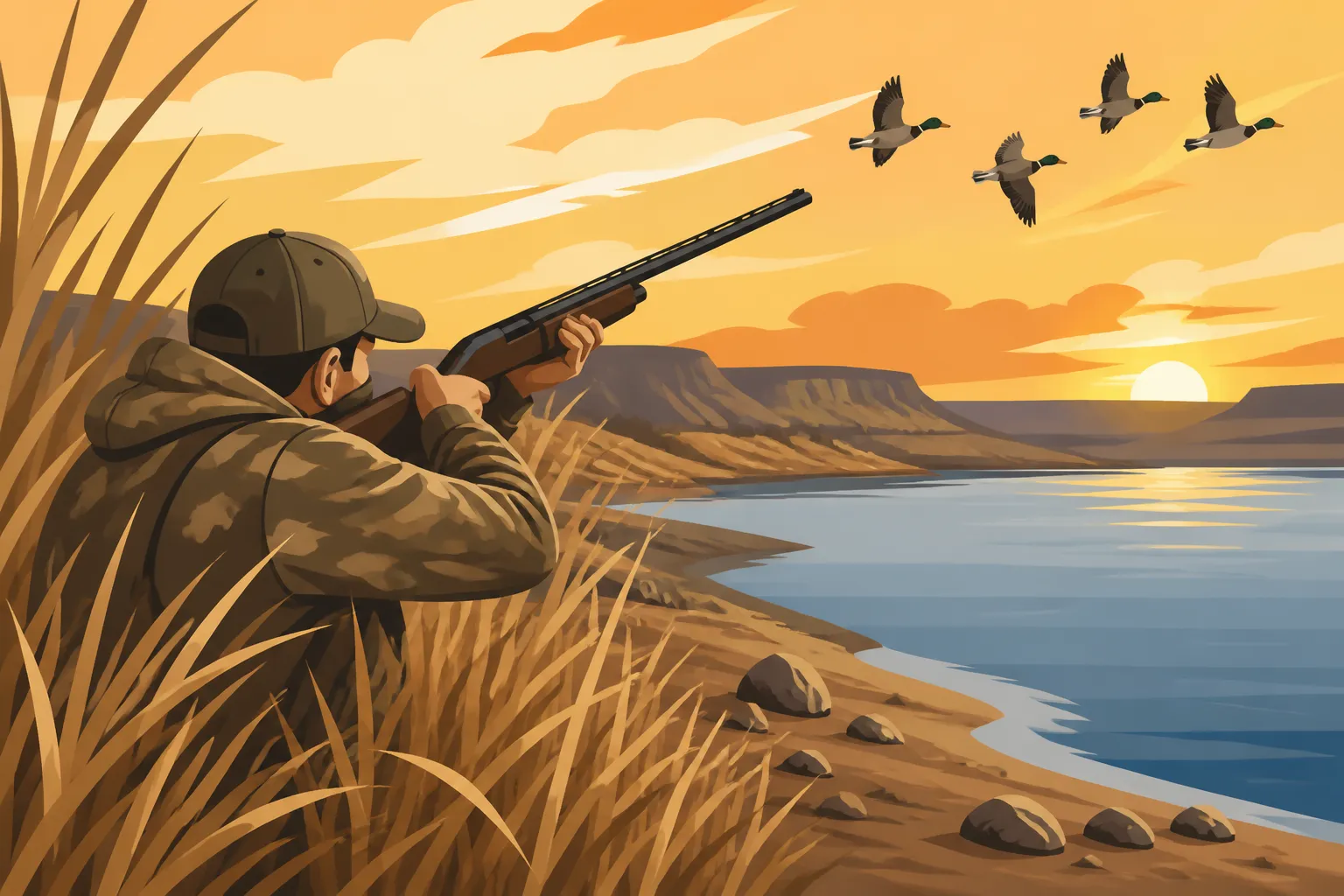
The Missouri River is a critical corridor on the Central Flyway, drawing in massive numbers of migrating ducks and geese each fall. Hunting here can be absolutely phenomenal, but it requires strategy. Ducks will utilize the vast open water for resting and rafting, but they'll often feed in shallower bays, protected coves, or flooded timber along the shoreline. Decoy spreads need to be adapted to the conditions, whether it's a large open-water spread for divers or a more subtle setup in cattails for puddle ducks. Early season often finds birds in smaller groups, using newly exposed mud flats for feeding, while late season sees them concentrating on larger, deeper water that resists freezing. Decoying Ducks on a South Dakota Prairie Pothole offers some principles that can be adapted, but the sheer scale of the Missouri often demands larger spreads and specialized boats for deployment. Geese, particularly Canada geese, will often feed in nearby agricultural fields, but they'll use the reservoirs for roosting. Setting up blinds along the shoreline where they funnel in from feeding fields can be highly effective. The key is extensive scouting, often from a boat, to identify their flight paths and preferred feeding and resting areas.
Deer Hunting: Whitetails in the River Bottoms
The timbered river bottoms and brushy draws leading down to the Missouri River are prime habitat for whitetail deer. These areas provide excellent cover, food, and water, making them ideal for both early season archery and later firearm seasons. Hunters will often find deer bedding down in the thickets closest to the water, especially if there's standing corn or alfalfa nearby. In a dry year, the presence of the river's water source becomes even more critical, concentrating deer movement. Understanding Hunting Whitetails in South Dakota's Missouri River Timber is a distinct advantage. Tree stand setups along natural funnels, such as narrow fingers of timber or brush lines connecting a bedding area to a food source, can be deadly. Ground blinds can also be effective in heavier cover, particularly during the rut when bucks are cruising. For those hunting the more rugged west river portions of Oahe, you might even encounter mule deer in the deep coulees and breaks. Glassing these breaks at dawn and dusk, much like Glassing South Dakota Breaks at First Light, can reveal bucks moving between bedding and feeding areas.
Other Game Opportunities: Small Game and Predators
Beyond waterfowl and deer, the diverse habitat of the Missouri River reservoirs also supports a variety of small game and predators. Pheasants, while perhaps not as numerous as in the prime East River pheasant country, can still be found in pockets of heavy cover, especially in cattail sloughs and brushy draws adjacent to agricultural fields. Working these areas with a good dog can yield a few roosters, providing a fun break from big game pursuits. Squirrels and rabbits are also common in the timbered areas. Predator hunting, particularly for coyotes, can be excellent, especially in the winter when the snow highlights tracks and makes animals easier to spot against the white landscape. Coyotes will often patrol the shorelines, looking for opportunities, making calling setups in the river breaks a viable tactic.
Essential Considerations for a Successful Reservoir Hunt
Hunting the Missouri River reservoirs is an incredible experience, but it's not without its unique challenges. Being prepared for the conditions, understanding the environment, and prioritizing safety are crucial for a successful and enjoyable trip. This isn't your average walk-in pheasant field; it's a vast and often unforgiving landscape that demands respect and thorough planning.
Weather and Water Conditions
The weather on the South Dakota prairie can change on a dime, and on the expansive Missouri River reservoirs, these changes are amplified. A gentle breeze can quickly turn into a howling gale, creating dangerous whitecaps on the open water. Fog can roll in unexpectedly, making navigation perilous. Always check the marine forecast in addition to the regular weather forecast. Cold temperatures, especially when combined with wind, can lead to rapid hypothermia, even in early fall. Layering clothing is non-negotiable, and having waterproof outer layers is essential. Beyond the immediate weather, constantly fluctuating water levels can drastically impact your hunt. What was a dry access point yesterday might be underwater today, or a boat ramp might become unusable. Call local marinas or Corps of Engineers offices for current conditions, and always have a backup plan for both access and egress.
Safety First on the Water
For waterfowl hunters and anyone using a boat to access remote shoreline areas, water safety is paramount. The Missouri River reservoirs are vast and can be incredibly dangerous, especially in inclement weather. Always wear a life jacket, or at least have it readily accessible. Tell someone your float plan – where you're going, when you expect to return, and what your boat looks like. Carry all required safety equipment, including lights, a horn or whistle, and a bailing device. Navigation can be tricky, even with GPS, so be mindful of submerged hazards, changing water depths, and shifting sandbars. Leaving a Trip Plan Before a Hunt is not just good advice for remote backcountry, it's essential for water hunting too. If you're going to be launching a boat in the dark for an early morning hunt, know your ramp and surrounding conditions intimately.
Respecting the Resource and Other Users
The Missouri River reservoirs are shared resources, attracting anglers, boaters, campers, and other outdoor enthusiasts in addition to hunters. Being courteous and respectful of others is key to maintaining positive relationships and ensuring continued access. Avoid setting up too close to other hunting parties or disturbing non-hunting recreationists. If you're hunting along areas that see heavy boat traffic, ensure your blinds are well-camouflaged and safe, and always be aware of your surroundings. Pick up all spent shells, trash, and remove any temporary blinds or stands you've placed. Responsible behavior reflects positively on all hunters and helps to preserve these incredible hunting grounds for future generations.
| Reservoir Name | Primary Characteristics | Common Game Species (Shoreline) | Typical Access Points |
|---|---|---|---|
| Lake Oahe | Deep, vast, rugged breaks, large timbered areas | Whitetail Deer, Mule Deer, Waterfowl, Pheasant (pockets) | Corps of Engineers recreation areas, boat ramps, primitive roads |
| Lake Sharpe | Narrower, more river-like flow, extensive timber/brush | Whitetail Deer, Waterfowl, Turkey (timbered sections), Pheasant | State and Corps access sites, smaller boat ramps |
| Lake Francis Case | Bluffs, mixed timber/grassland, islands | Whitetail Deer, Waterfowl, Pheasant, Turkey | State parks, Corps areas, numerous public access points |
| Lewis & Clark Lake | Shallow bays, recreational focus, varied shoreline cover | Waterfowl, Whitetail Deer, Pheasant | State Recreation Areas, Corps parks, private marinas |
Disclaimer
This article is for general informational purposes only and does not constitute professional advice. Laws, prices and regulations vary by location and change over time. Consult a qualified professional for guidance on your specific situation.