How Buck Movement Changes Through the Rut
Understanding how deer move during the rut in South Dakota can feel like trying to solve a cryptic puzzle, leaving many hunters frustrated as they see bucks one day and nothing but empty fields the next. It’s a dynamic, ever-changing period that dictates hunting success, but knowing when and why those movements shift can transform your strategy from guesswork to precision. This guide will help you decipher the different phases of the rut and adapt your approach to the unpredictable nature of South Dakota bucks.
The Pre-Rut Phase: Scrapes, Rubs, and Seeking Behavior
Ah, the pre-rut. For many of us, this is one of the most exciting times to be in the deer woods. It typically kicks off in late October and can last through the first week or two of November, depending on weather patterns and the local deer herd dynamics here in South Dakota. You start seeing those first hard frosts, the corn fields begin to dry down, and there's just that crisp scent in the air that screams "deer season."
During this phase, bucks are feeling the hormonal surge and are starting to get serious about breeding, but the does aren't quite ready to commit. This creates a fascinating push-pull dynamic. Bucks, especially the mature ones, begin to disperse from their summer bachelor groups, becoming more solitary and territorial. They're not yet frantically chasing does, but they’re definitely putting out feelers. You'll notice a significant increase in sign-making during this time. Fresh rubs start popping up on saplings and larger trees, signaling a buck's presence and dominance. Even more telling are the scrapes — those distinct pawed-out areas where a buck deposits urine and scent from his pre-orbital glands. These are essentially calling cards, letting does know he's around and ready.
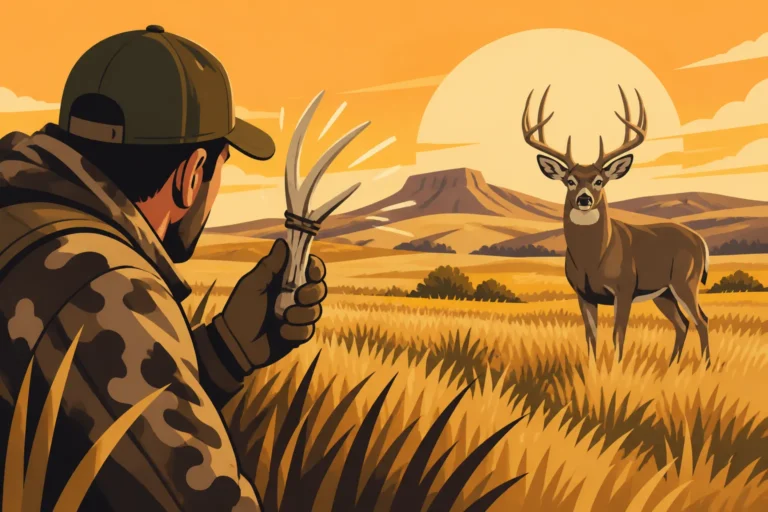
This early period is all about anticipation and communication. Bucks will often cruise travel corridors, particularly along the edges of agricultural fields, shelterbelts, and timbered draws. They’re checking scrapes, depositing their own scent, and hoping to intercept the first receptive does. If you're hunting in the rich river bottoms of East River South Dakota, like along the James or Vermillion Rivers, you'll see this behavior concentrated in those narrow strips of timber and brush. Bucks will often follow these linear features, checking for fresh scent. For hunters who enjoy an interactive hunt, this is a prime time for calling. Bucks are establishing dominance hierarchies, and a well-timed rattle or grunt can often bring an inquisitive buck right into your shooting lane. They're curious, aggressive, and highly susceptible to calls mimicking another buck intruding on their territory or a hot doe.
Strategic scouting is paramount. You're not just looking for deer; you're looking for their sign. Focus on identifying areas with a cluster of fresh rubs and scrapes, especially those near heavier cover or funnel points. Using advanced mapping tools like GoHunt can be incredibly helpful here. You can identify potential travel corridors, pinch points between different habitat types, and even mark rub lines and scrape locations to get a better understanding of a buck's preferred route during this seeking phase. Understanding Hunting Narrow Timber Strips can give you a significant advantage when these bucks are on the move.
Early Season Bucks and Their Movements
In the early parts of the pre-rut, you'll often find bucks moving more frequently during daylight hours than they will once the peak rut hits and they become nocturnal in their chasing. They are still somewhat tied to food sources, but their primary objective is shifting. They'll frequent fields of standing corn, soybean stubble, or even alfalfa in the evening, but their morning movements might take them through dense cover, checking rubs and scrapes on their way to a bedding area.
One common mistake hunters make is assuming all bucks are moving all the time. While activity increases, it’s still somewhat localized to areas where does are starting to frequent, or where mature bucks feel secure enough to lay down sign. Look for the "hot" scrapes—those that are regularly refreshed. Sometimes these are primary scrapes, often larger and more defined, located in high-traffic areas. Other times, they're smaller, secondary scrapes, but still indicating recent buck activity. Setting up on a fresh scrape line, particularly on days with a rising barometer after a cold front, can lead to incredible encounters. Remember, if you're targeting big deer in the western part of the state, Antler Size on West River Bucks can be quite impressive, making this early intel even more valuable.
Adapting Your Stand Locations for Pre-Rut
For this seeking phase, flexibility in your stand setups is key. You might have your prime food plot stand, but during the pre-rut, a stand overlooking a busy travel corridor between bedding areas and food, especially one with good scrape activity, could be far more effective. Think about those subtle terrain features that force deer into predictable paths—a narrow creek crossing, a fence line opening, or a bottleneck created by thick brush.
This is also a great time to implement mock scrapes. By clearing a small patch of ground and adding some commercial deer urine or even your own, you can sometimes draw a buck in to investigate. Placing a licking branch over the mock scrape, preferably from a fresh rub, can further enhance its appeal. Bucks are inherently territorial, and they won't tolerate another buck's intrusion without investigating. For those pursuing deer in specific regions, knowing South Dakota Whitetail Hunting in River Bottoms strategies can be particularly useful, as these areas often have distinct travel routes that bucks will utilize during this pre-rut period.
The Peak Rut: Chasing, Breeding, and Unpredictable Journeys
This is it. The crescendo. The peak rut in South Dakota generally kicks in around mid-November and can last for about two weeks. This is when buck movement goes from calculated to chaotic. All those carefully laid plans and scouting efforts can sometimes feel like they're going out the window because bucks become single-minded in their pursuit of does.
During the peak rut, the does are finally coming into estrus, and bucks respond with an intensity that can only be described as madness. They're actively chasing, breeding, and constantly on the move, covering significant ground in search of receptive does. You might see a buck cruising an open field in broad daylight, seemingly oblivious to danger, or spot a mature buck relentlessly dogging a doe, pushing her through thick cover. Their patterns become far less predictable because their movement is primarily dictated by the does. Wherever the does are, the bucks will eventually follow. This makes hunting challenging but also incredibly exciting. The sheer amount of ground a buck will cover in a 24-hour period during this time is astounding. They are exhausted, sometimes not eating for days, and their guard is often down.
In the more open, rolling terrain of West River South Dakota, where you might be chasing South Dakota Mule Deer Population numbers, this translates to bucks frequently traversing wide-open country. Glassing becomes critical. You might spot a buck a mile away, locked onto a doe. The challenge then becomes closing the distance, often using the terrain to your advantage. For whitetails in the more timbered eastern half of the state, the chasing might happen in dense woods, but bucks will still use fields and edges to cross from one woodlot to another. The question of When the Rut Peaks in South Dakota is a hot topic every year, but generally, the second and third weeks of November are prime.
Hunting Strategies During the Peak Rut
Forget about patterning a specific buck around a food source during this phase. Instead, your focus should shift to areas where does congregate or where bucks might intercept them. These include traditional doe bedding areas, pinch points, and funnel areas that naturally guide deer movement. Sitting all day becomes a highly viable tactic, as bucks can be on the move at any hour. A mid-day hunt, which might seem unproductive during other times of the year, can be incredibly fruitful during the peak rut.
Calling strategies evolve as well. While rattling can still work, grunt calls and doe bleats become even more potent. A short, sharp grunt can often stop a cruising buck or pique the interest of one that's pushing a doe. The sound of a doe in distress or a contented bleat might draw in a buck searching for a mate. Learning how to properly use Grunt Calls on Cruising Bucks can make all the difference.
Treestand placement should consider visibility and access to doe travel routes. Rather than directly on a food source, set up along a ridge line, in a saddle, or along the edge of a thick bedding area that does frequent. Pay attention to wind direction, as bucks will still try to scent-check for does. For hunters utilizing stands in timbered river corridors, understanding optimal Treestand Setups on Narrow River Timber is crucial, as these strips often act as superhighways for deer movement during the rut. GoHunt's detailed satellite imagery and property line layers can help identify these prime setup locations on public or private ground, letting you plan precise entry and exit routes without spooking game.
The Impact of Hunter Pressure
During the peak rut, South Dakota's deer woods, particularly public lands and Walk-In Areas, can see increased hunter pressure. This pressure can also influence buck movement, pushing them into thicker cover or making them more nocturnal in highly disturbed areas. However, because their biological drive is so strong, bucks will often still move in daylight, even with some pressure, especially if a hot doe is nearby.
Don't be afraid to walk a little farther or hunt an area that might seem less accessible. These spots often hold pockets of unpressured deer, and a rutting buck will still venture into them if a doe leads the way. Persistence is key, and understanding the unpredictable nature of this phase is half the battle.
The Post-Rut Decline: Recovery, Refueling, and Survival
As quickly as it arrived, the peak rut eventually gives way to the post-rut, typically starting in late November and extending into December as South Dakota winter begins to assert itself. This is a critical time for deer, particularly bucks, as they transition from breeding to basic survival.
Bucks emerge from the peak rut physically drained. They’ve expended an immense amount of energy chasing does, often neglecting food for days on end, and have likely been involved in numerous skirmishes with other bucks. Their bodies are run down, they've lost significant weight, and they are highly vulnerable. Their primary objective now shifts dramatically: recover, refuel, and prepare for the harsh winter months ahead.
This means their movement patterns become more predictable again, but with a different focus. Instead of cruising for does, bucks are now singularly focused on finding high-calorie food sources and seeking out thermal cover to conserve energy. Standing corn fields, soybean stubble, alfalfa fields, and any remaining mast crops (if present) become magnets for these exhausted animals. They'll often feed heavily during low-light hours and seek out dense cover—like cattail sloughs, thick shelterbelts, or cedar pockets—for bedding and protection from the elements during the day.
Adapting Hunting Tactics for Post-Rut Bucks
Hunting the post-rut requires a complete shift in strategy, almost returning to early-season tactics but with an emphasis on food and cover. Patience is your best friend. Bucks are not going to be as responsive to calls, and their aggressive behavior has largely subsided. They want to eat and rest.
Focus your efforts on glassing known food sources at dawn and dusk. Pay close attention to transition areas between these food sources and heavy thermal cover. Bucks will often stage in these transition zones before entering a field to feed. In areas with standing corn, bucks might even bed down in the corn itself, emerging only when absolutely necessary. For hunters willing to brave the colder weather, late-season hunts can be incredibly rewarding. You might not see as many deer as during the peak rut, but when you find them, they’ll often be concentrated and relatively predictable around their chosen food sources. If there's snow on the ground, Reading Snow for Deer and Predator Sign can provide invaluable clues to recent buck activity and travel patterns.
One thing to remember in South Dakota is how quickly conditions can change. A sudden blizzard or a deep cold snap can send deer scrambling for the thickest cover available, and they might not emerge for several days. Understanding the nuances of Late-Season Hunting in South Dakota Snow can be pivotal to success when winter truly sets in.
The Role of Nutrition and Cover
The quality and abundance of food and cover become paramount for post-rut bucks. Landowners who have managed their properties with late-season food plots or who have standing strips of corn will often hold deer long after other areas have gone quiet. For hunters on public land, identifying these key habitat types using GoHunt's satellite imagery can help you pinpoint areas where bucks will concentrate. Look for dense cedar thickets, large patches of cattails, or extensive shelterbelts that offer both thermal cover and a visual barrier from disturbances.
Another factor to consider is the condition of the does. If a significant number of does were not bred during the primary rut, a "secondary rut" or "trickle rut" might occur. This is often less intense, with scattered does coming into estrus later in the season. While not as widespread, it can cause a brief resurgence in buck activity, primarily by younger, less dominant bucks who didn't get a chance during the main event. Keep an eye out for any renewed chasing, but don't expect the same frenetic pace as the peak.
Ultimately, hunting bucks through the South Dakota rut is a journey of adaptation. From the territorial displays of the pre-rut, through the relentless pursuit of the peak, to the survival-focused movements of the post-rut, a successful hunter constantly reassesses and adjusts their tactics based on deer behavior and environmental conditions.
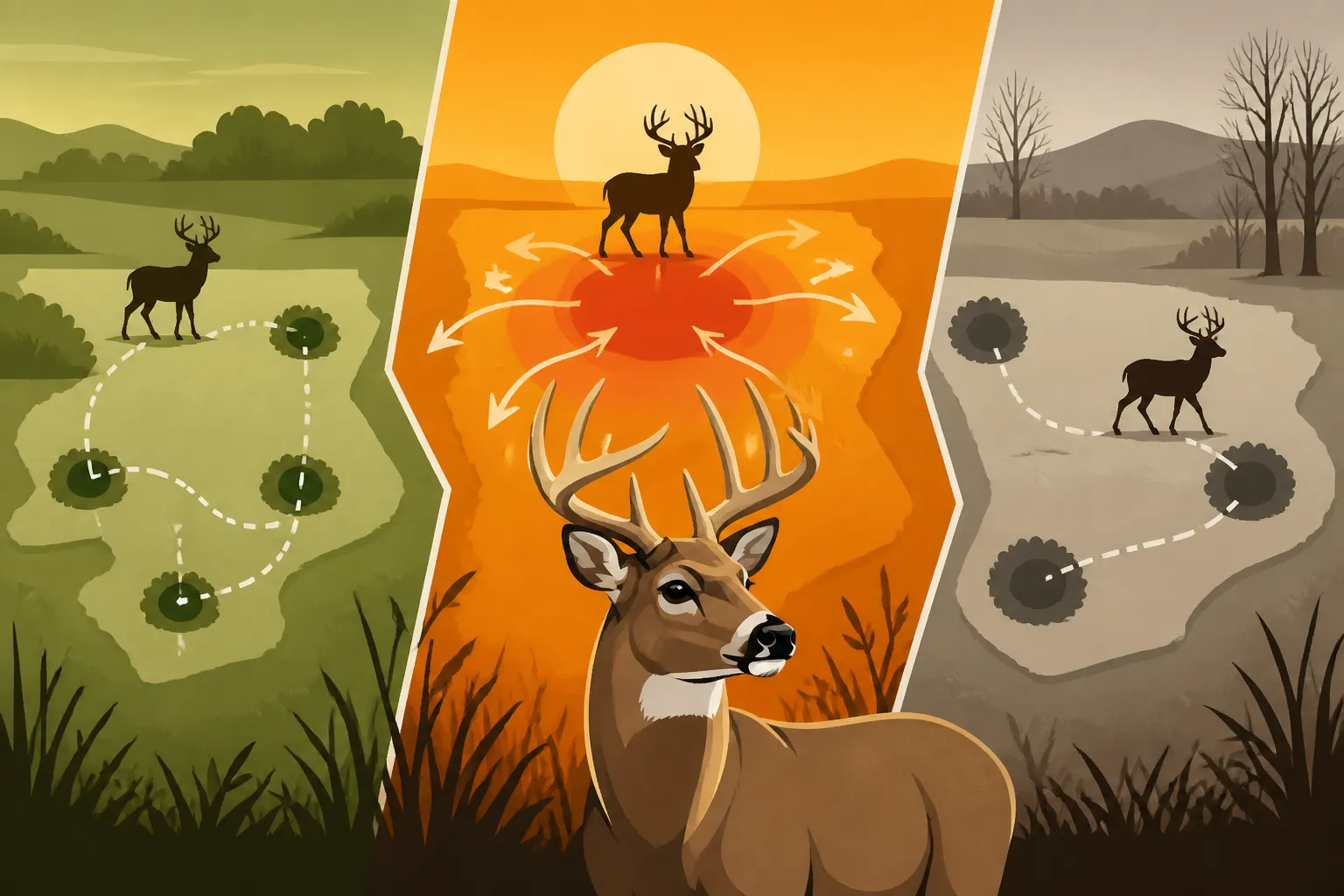
Here's a quick overview of what to expect during each phase:
| Rut Phase | Typical Dates (South Dakota) | Primary Buck Behavior | Key Hunting Strategy |
|---|---|---|---|
| Pre-Rut | Late October – Mid-November | Seeking does, making rubs and scrapes, establishing dominance, somewhat predictable travel between food/bedding. | Hunt travel corridors, fresh sign. Rattling and grunting can be highly effective. Focus on mornings and evenings. |
| Peak Rut | Mid-November – Late November | Actively chasing and breeding does, less predictable, covering vast distances, often exhausted. | Hunt doe travel routes, pinch points, and traditional doe bedding areas. Sit all day. Grunt calls and bleats are potent. |
| Post-Rut | Late November – December | Recovering from rut, feeding heavily, seeking thermal cover, less active and focused on survival. | Focus on high-calorie food sources near heavy thermal cover. Glassing fields at dawn/dusk. Long, patient sits. |
Disclaimer
Hunting is an inherently unpredictable activity, and deer behavior can vary based on countless factors including weather, local pressure, and specific habitat. Always consult the latest South Dakota Game, Fish and Parks regulations and consider personal safety above all else. This guide offers general advice and should be adapted to your specific hunting situation.