Sharing a Walk-In Area With Another Party
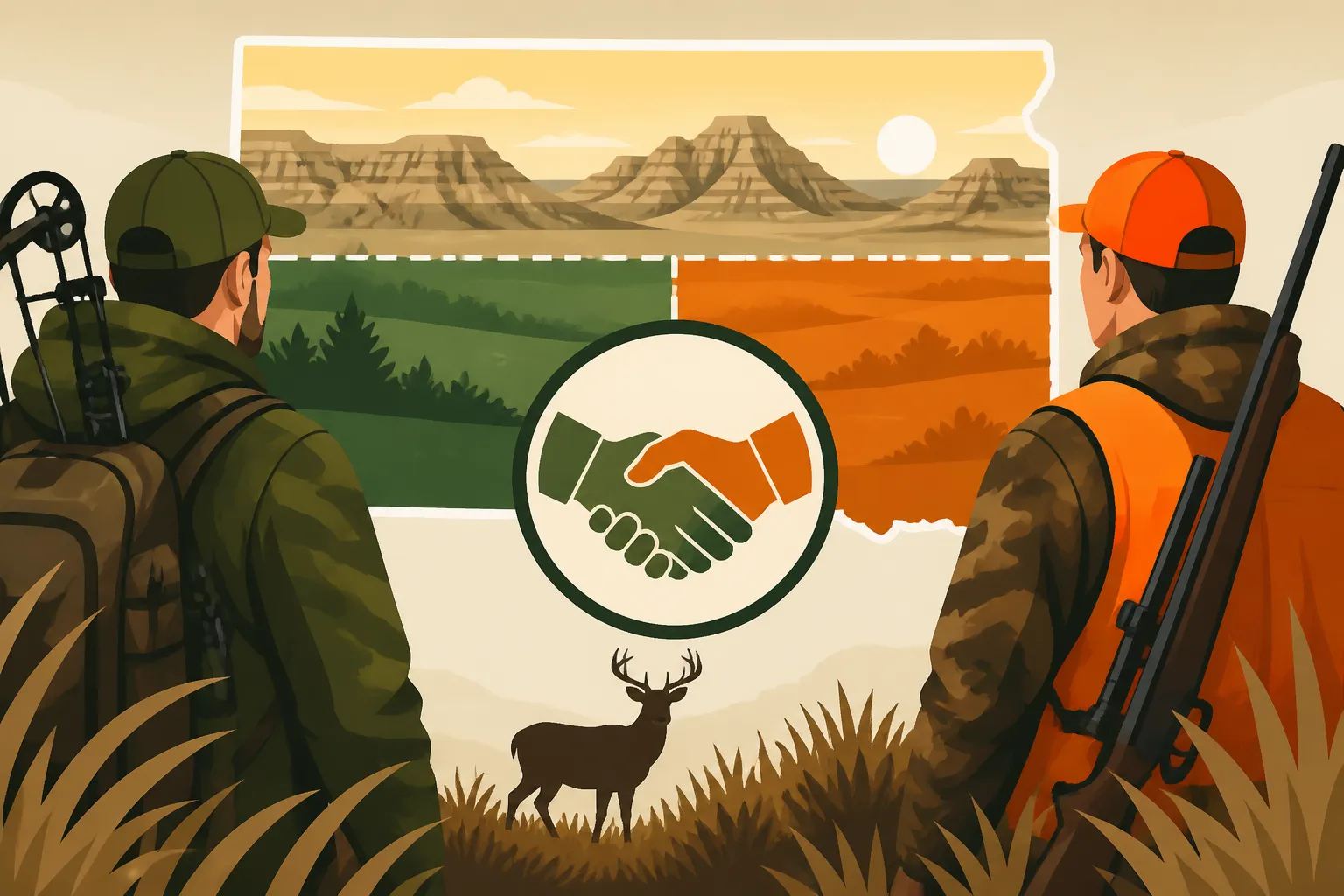
You’ve done all your homework. You’ve scouted the maps, checked the weather, and picked out a promising South Dakota Walk-In Area (WIA) that looks like a pheasant paradise or a prime spot for a whitetail. You arrive with high hopes, only to find another pickup truck already parked at the access point, or worse, you hear the familiar cackle of a flushing rooster and the distant "bang" of a shotgun from your chosen cover. It’s a common, often deflating, reality of public land hunting. This guide will walk you through how to navigate these shared space encounters with respect, safety, and a good attitude, ensuring that everyone can still have a great day afield.
The Reality of Hunting South Dakota Walk-In Areas: Expecting Company
South Dakota's Walk-In Area (WIA) program is an incredible gift to hunters, providing access to hundreds of thousands of acres of private land for public use. It's a win-win, offering landowners a financial incentive to open their gates and hunters diverse opportunities. However, with popularity comes the inevitable truth: you're rarely truly alone.
Understanding Shared Public Resources
Think about it: these WIAs are advertised as public access points, and rightfully so. They’re a lifeline for many hunters, especially non-residents who might not have private land connections, but also for countless South Dakotans. While the draw system helps manage pressure for some big game species, small game like pheasants draw hunters from across the country to areas like the James River Valley, making shared use a frequent occurrence. It's easy to feel a pang of disappointment when you arrive at what you thought was your secret spot only to find another group's vehicle already there. However, it's crucial to reframe this not as an intrusion, but as a testament to the success of public land initiatives and the shared passion for the outdoors. Everyone has a right to be there, as long as they adhere to the rules outlined in resources like the official South Dakota Hunting Handbook Release. It's a vast landscape, but the prime habitat tends to draw everyone to similar areas.
Pre-Hunt Scouting to Anticipate and Adapt
A little foresight can go a long way in managing expectations and preparing for potential encounters. Before you even leave home, spend time with your mapping tools. Services like onX Layers for South Dakota Land Status are invaluable for identifying not just the WIA boundaries, but also the surrounding landscape. Look for alternative cover types, different access points, or even entirely separate WIAs nearby. Don't just pick one spot and put all your eggs in that basket. Have a Plan B, C, and even a Plan D. Researching When South Dakota Walk-In Areas Get Crowded can also inform your strategy. Weekends, particularly during the pheasant opener, will see significantly more traffic than a Tuesday afternoon in late November. If your schedule allows flexibility, aiming for weekdays can often provide a more solitary experience. Utilize tools like the Using the South Dakota Public Hunting Atlas to find multiple potential areas within a reasonable driving distance. This proactive approach allows you to quickly pivot if your first choice is occupied, turning a potential frustration into a minor detour.
Recognizing Signs of Prior Occupancy
The first step in any public land encounter is often the simplest: observation. When you pull up to a WIA access point, the most obvious sign of other hunters is a parked vehicle. Take a moment to assess. What kind of vehicle is it? A pickup with dog boxes suggests pheasant hunters. A quiet sedan might indicate a solo deer hunter. Does it look like they just arrived or have they been there a while? Beyond vehicles, look for fresh boot tracks or dog tracks in the mud or snow, indicating recent activity. You might even see a distinct path through a cattail slough where a party has already pushed through. Being mindful when Walking In Before Legal Shooting Time is especially important; a flashlight beam might give away your presence to someone already quietly sitting or staking out a position, potentially ruining their careful approach. Conversely, if you're the first one there, consider Parking Away From the Cover You Hunt to make sure you're not immediately spooking game or creating a visual beacon for other hunters that could lead them right to your intended area. These small cues can tell you a lot about whether the area is currently active and can help you plan your approach accordingly.
Navigating In-Field Encounters with Grace and Strategy
So, you've arrived, and despite your best efforts at scouting, you've confirmed that other hunters are present. This is where your attitude and communication skills become paramount.
Initial Contact and Respectful Communication
When you first spot another hunting party in the field, whether it's their blaze orange vests or the flash of a retrieving dog, the most important thing is to make eye contact and offer a friendly wave. A simple, non-aggressive gesture goes a long way. If they're within earshot, a polite "How's it going?" or "Having any luck?" can open the door to respectful conversation. Avoid the temptation to immediately assume they're ruining your hunt or that they're in "your" spot. Public land means shared opportunity. You might ask, "Which way are you headed?" or "What part of the field are you working?" This allows you to gather information without being demanding. Most hunters, when approached respectfully, are happy to share their general plans. You can then explain your intentions and work together to ensure everyone has space. For instance, if you're planning on Pushing a Cattail Slough With Blockers from the north, and they're already moving in from the south, a quick chat can prevent you from driving birds directly into them or, worse, creating a safety hazard. Clear, calm communication de-escalates potential tension and fosters a more collaborative environment.
Adapting Your Hunting Plan on the Fly
The ability to adapt is a hallmark of a successful public land hunter. If your ideal spot is occupied, don't just pack up and go home in a huff. This is where your pre-scouting and knowledge of Hunting South Dakota Walk-In Areas really pays off. If the other party is working a classic pheasant field, consider if there’s a thick plum thicket, a neglected food plot, or even some corn rows along an adjacent private property line within the WIA that they might be overlooking. Sometimes, simply waiting for an hour or two can make all the difference. Many pheasant hunters will make one or two passes through a field and then move on. You could explore another WIA you identified during your E-Scouting Walk-In Areas Before the Season, or take a break for lunch. Perhaps the existing pressure has pushed birds into adjacent, heavier cover that you can now target. A quality mapping app like GoHunt can be invaluable here, allowing you to quickly scan for alternative public access points or different habitat types if your primary plan is disrupted. Flexibility, rather than rigid adherence to a single plan, is your greatest asset.
Prioritizing Safety Above All Else
Regardless of how frustrating an encounter might initially feel, safety must always be the number one priority. This is not just about legal requirements, but about ethical hunting and preserving lives. Always be aware of where other hunters are located. Communicate clearly about your positions and directions of travel. When driving birds, be extremely cautious about Muzzle Discipline With Blockers Ahead and always know what's beyond your target. If you're walking a field and another party is blocking an exit, ensure everyone knows who is where before any birds are flushed. While blaze orange is legally required for pheasant hunting, consider wearing it even if you're hunting deer or other species during small game season, just to increase your visibility to others. Tools like GoHunt's mapping features can help you keep track of your location in relation to terrain and potential blind spots, further enhancing your safety awareness, especially when encountering Hunting Pressure Patterns on Walk-In Areas. Never take a shot if there's any doubt about where other hunters might be. A missed bird or a missed deer is always preferable to an accident.
Fostering a Positive Public Land Hunting Culture
Ultimately, how we interact with other hunters on public land shapes not only our personal experience but also the broader perception of hunting.
Practicing the Golden Rule of the Prairie
The vastness of the South Dakota prairie often belies the fact that we're all sharing finite resources. Treating other hunters with the same respect and courtesy you'd want extended to you is fundamental. This means more than just polite conversation; it means actively making choices that benefit the collective experience. If you see another group struggling to load a downed deer from a tricky coulee, offering a hand might just be the most memorable part of their hunt. Or, if you’ve had a successful morning and another group hasn't seen much, sharing some general advice – like "the birds seem to be holding tight in the heavy cover today" – can be helpful without giving away your exact honey hole. The principles of Pheasant Hunting Etiquette on Public Ground are essentially an extension of the Golden Rule. We are all ambassadors for hunting, and positive interactions strengthen our community and ensure these shared hunting traditions continue for generations. GoHunt, for example, often emphasizes the importance of community and responsible hunting, aligning with this ethos of shared success over cutthroat competition.
Leaving a Positive Impression (and the Area Better Than You Found It)
Your interaction with other hunters extends beyond just verbal communication. It's also about your actions on the land itself. Always pack out everything you pack in, and if you see any trash left by others, consider taking a moment to pick it up. Respect all property boundaries, including fences and gates; leave them as you found them. Never drive on crop fields or other sensitive areas unless explicitly permitted. Be mindful of your Access Routes That Do Not Blow Out Birds, particularly if you know other hunters are nearby and trying to work the same parcel. These seemingly small actions contribute significantly to the overall positive impression hunters leave on landowners who enroll their property in the WIA program. A landowner who sees hunters consistently respecting their land is more likely to continue their participation, thereby preserving access for everyone. This stewardship is vital for the long-term health of hunting opportunities in South Dakota.
The Broader Impact of Hunter Interactions
Every interaction we have on public land contributes to a larger narrative about hunters. When we behave courteously and responsibly, we reinforce the image of hunters as ethical conservationists. Conversely, negative encounters, arguments over perceived "territory," or unsafe practices only fuel anti-hunting sentiment and can jeopardize public access in the future. It's about remembering that we're all part of a community. The way we engage with fellow hunters directly impacts hunter recruitment, retention, and the public's perception of our sport. By embracing a mindset of camaraderie and shared appreciation for South Dakota's wild spaces, we can ensure that hunting remains a vibrant and respected tradition. Ultimately, resources like GoHunt aim to equip hunters with the knowledge and tools to be responsible and effective, supporting a culture where positive interactions and conservation are paramount, benefiting both hunters and wildlife across the state.
Public Land Encounter: Do's and Don'ts
| Scenario | Do's | Don'ts |
|---|---|---|
| Arriving at a WIA | Check for other vehicles; have a backup plan. | Assume the area is empty or that you have exclusive rights. |
| Sighting Other Hunters | Make eye contact, offer a friendly wave. Assess their direction/activity. | Immediately approach aggressively or attempt to "cut them off." |
| Verbal Interaction | Be polite, introduce yourself, ask about their plans. | Be confrontational, demand they leave, or make accusations. |
| Adjusting Your Hunt | Be flexible, consider alternative routes/areas. | Continue on your original path, potentially creating conflict or danger. |
| Safety | Maintain muzzle discipline, communicate positions, wear blaze orange. | Assume others know where you are; take risky shots. |
| Leaving the Area | Pack out all trash, respect property (gates, fences). | Leave litter; damage property; act resentfully. |
| General Attitude | Be courteous, respectful, and willing to compromise. | Be entitled, selfish, or rude. |
Disclaimer
Always consult the official South Dakota Game, Fish and Parks regulations for the most current and accurate hunting laws and guidelines. This guide is for informational purposes only and does not supersede state regulations.