South Dakota Deer Season Dates by Weapon
Navigating the myriad of deer season dates in South Dakota can feel like trying to solve a complex puzzle, especially when you factor in different weapons, regions, and special hunts. It’s easy to get overwhelmed trying to decipher the regulations booklet. This guide aims to cut through that confusion, breaking down the specific season dates for archery, rifle, and muzzleloader hunters, ensuring you know exactly when and where you can pursue deer across the state.
Understanding South Dakota's Diverse Deer Hunting Landscape
South Dakota truly offers something for every deer hunter, from the wide-open prairie of the West River country to the rich agricultural lands of the East River, and the rugged, timbered slopes of the Black Hills. But with this diversity comes a layered system of seasons, each with its own set of rules and dates. It's not a one-size-fits-all scenario, and understanding why these dates vary is the first step to planning a successful hunt.
Why Dates Vary by Weapon and Region
The main reason for varying season dates by weapon and region boils down to deer management objectives and hunter opportunity. Archery seasons are typically much longer, extending across different phases of deer behavior, like early feeding patterns, the rut, and late-season survival. This is because archery hunting is generally considered a lower-impact method, requiring closer ranges and higher skill, thus having less overall impact on herd numbers.
Rifle seasons, on the other hand, are much shorter and more tightly regulated. The efficiency and range of a rifle mean that a concentrated season can significantly impact deer populations. Therefore, wildlife managers carefully set these dates to align with population goals for specific units, often after the peak of the rut to allow for maximum breeding success or to manage antlerless deer populations. Muzzleloader seasons often bridge the gap between archery and rifle seasons, or extend into periods of colder weather, offering a unique challenge with traditional equipment. These decisions are carefully made by the South Dakota Game, Fish and Parks (GFP) to ensure healthy deer populations and quality hunting experiences for everyone.
The Impact of East River Versus West River Tags
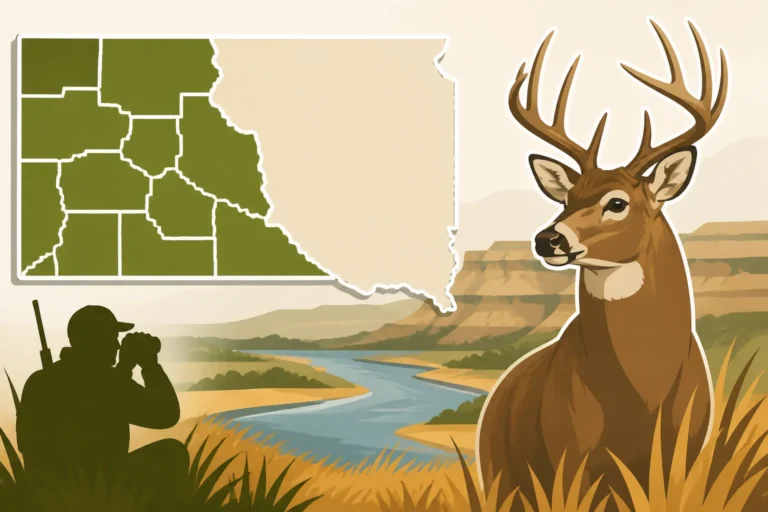
South Dakota is famously divided by the Missouri River, creating two distinct deer hunting regions: East River and West River. This geographical split isn't just for convenience; it reflects significant differences in habitat, deer species prevalence, and hunting pressure. West River country, characterized by its rolling prairie, badlands, and river breaks, is primarily known for mule deer, though whitetails are abundant along river bottoms and in agricultural areas. East River, with its expansive farmlands, shelterbelts, and numerous sloughs, is predominantly whitetail country.
The season dates and license types for these two regions are often quite different. For example, West River rifle tags are generally harder to draw for non-residents and often have specific unit boundaries. East River tags, particularly for antlerless deer, can be more accessible. This distinction influences everything from application strategies (like those you might research on GoHunt) to the kind of hunt you'll experience. It’s crucial to know whether your desired hunt falls into East River or West River and what the specific regulations are for that zone, as a West River Mule Deer Hunting in South Dakota often has different considerations than pursuing whitetails closer to the Missouri River.
Archery Deer Season: The Long Game
For many hunters, the archery season is the purest form of deer hunting, demanding patience, stealth, and a deep understanding of deer behavior. South Dakota offers a generous archery season, allowing hunters to experience the prairie and timber through various stages of the deer's annual cycle, from the early days of fall to the colder late-season.
Early Archery Opportunities
The South Dakota archery deer season typically kicks off in late September, usually around the last Friday of the month, and often runs continuously through December 31st. The early part of the season, in late September and October, can be incredibly rewarding, but it comes with its own set of challenges. Daytime temperatures can still be quite warm, meaning deer activity might be highest during the early morning and late evening hours. Hunters often focus on food sources – alfalfa fields, corn edges, or even specific native browse that deer are keying in on. Water sources are also crucial during these warmer periods, especially in the drier West River areas.
Scouting is paramount during this time. You're looking for consistent patterns, identifiable trails to and from bedding areas, and fresh sign like rubs and scrapes that indicate bucks are beginning to mark their territory. Early season bucks are often still in their bachelor groups, which can make patterning them a bit easier, but they can also be more wary after a summer of relative peace. Planning for early season success often involves understanding how deer use transition zones between cover and food.
The Thrill of the Rut Archery Hunt
As October turns to November, South Dakota's whitetail and mule deer enter the peak of their breeding season, commonly known as the rut. This is arguably the most exciting time for archery hunters, as bucks become more active during daylight hours, cruising for does and responding to calls. The actual peak of the rut varies slightly by region and year, but it generally falls from early to mid-November.
During the rut, deer patterns become less predictable, as bucks are driven by instinct rather than just food or water. Hunters often position themselves along travel corridors, pinch points, or near known bedding areas where does congregate. Strategies like rattling and grunting can be highly effective, drawing in curious or territorial bucks. This is the period when a hunter might witness intense buck-on-buck sparring or see a mature buck chasing a doe right into their shooting lane. For a nonresident, securing a South Dakota Nonresident Archery Deer Quota can be a competitive endeavor, but the experience of hunting the rut on the prairie or in river bottom timber is truly unforgettable.
Late Archery: Facing the Cold
Once the main rifle seasons have concluded and the colder weather truly sets in, the late archery season offers a different kind of challenge and reward. From mid-November through December, deer are primarily focused on replenishing reserves lost during the rut and finding reliable food sources to survive the winter. Snow can become a factor, making tracking easier but also making deer more visible and thus warier.
Late season archery hunting often means bundling up and being prepared for bitter cold and strong winds, especially on the open prairie. Deer will typically move to thermal cover, such as thick cattail sloughs or dense cedar breaks, and feed heavily during midday to conserve energy. Targeting food plots or reliable agricultural fields, particularly after a fresh snowfall, can be very effective. It requires resilience and patience, but catching a big buck focused on feeding during this period can be a truly special end to the hunting season. You'll want to review the exact South Dakota Archery Deer Season Dates to make sure your planning aligns with the specific calendar.
Firearms Deer Season: Rifle Hunting in South Dakota
Rifle season is when a significant portion of South Dakota's deer harvest takes place. These seasons are typically shorter, more intense, and highly anticipated by resident and nonresident hunters alike. Because of the effectiveness of rifles, these seasons are carefully structured by region and license type to manage deer populations and hunting pressure.
West River Deer Units: Wide Open Spaces
The West River firearm deer season is usually held in November, often lasting about a week and a half. These units, west of the Missouri River, are renowned for their mule deer, as well as a healthy population of whitetails in suitable habitats. Licenses for West River are often harder to come by, particularly for nonresidents, and are typically awarded through a draw system where preference points (like those you accrue through GoHunt's point tracking) can be a significant advantage.
Hunting in the West River region often involves extensive glassing, spotting deer at long distances in the rolling hills and prairie breaks, and then executing strategic stalks. The terrain, wind, and open visibility make for a challenging yet incredibly rewarding hunt. Understanding the specific unit boundaries and deer distribution for West River Deer Licences is crucial, as some areas might be more mule deer-centric, while others hold more whitetails. Being prepared for diverse weather, from mild fall days to early blizzards, is also a must for these hunts.
East River Deer Units: Prairie and Farmland
East River firearm seasons also typically occur in November, often overlapping with the West River season but sometimes extending longer for antlerless opportunities. This region is prime whitetail habitat, with deer utilizing cornfields, soybean fields, shelterbelts, and sloughs for food and cover. East River tags can sometimes be easier to draw, especially for antlerless permits, making it a popular choice for hunters focused on venison or those new to South Dakota deer hunting.
Hunting East River often involves different tactics than West River. Driving shelterbelts, pushing pockets of heavy cover, or setting up on field edges are common strategies. The agricultural landscape means deer patterns can be heavily influenced by crop harvest and local food sources. Hunters often find success by meticulously scouting these areas, identifying key travel routes between bedding areas and feeding grounds. You can often find opportunities for both buck and doe tags here, providing flexibility for your hunting goals.
Black Hills Deer Hunts: Timber and Terrain
Separate from the East and West River seasons, the Black Hills region offers a unique firearm deer season, usually beginning in early November and running for several weeks. This hunt takes place in the Black Hills National Forest and offers a completely different experience compared to the prairie. Here, hunters navigate dense ponderosa pine forests, steep canyons, and rugged terrain, pursuing both whitetail and mule deer that call these mountains home.
The Black Hills deer season is often a colder, more physically demanding hunt. Tracking in snow, still-hunting through timber, and glassing clearcuts or logging roads are common tactics. The deer density might be lower than on the prairie, but the quality of the bucks can be exceptional. Tags for Black Hills and Custer State Park Deer are typically unit-specific and can also be part of a draw system, making careful application planning essential. Prepare for significant elevation changes and potential winter weather, as the Black Hills can get snow early and often.
Muzzleloader Season: A Nod to Tradition
For hunters who appreciate the challenge and tradition of black powder hunting, South Dakota’s muzzleloader deer season offers a unique experience. This season typically falls after the main rifle seasons, providing an opportunity to hunt during a time of year when deer are often recovering from the rut and focusing on winter survival.
Specific Muzzleloader Dates and Zones
The statewide muzzleloader deer season in South Dakota generally runs for a couple of weeks in December, often picking up right after the conclusion of the general firearm deer seasons. This timing means colder weather is almost guaranteed, often with snow on the ground, which can both aid and challenge hunters. The late December timing allows hunters to pursue deer that have settled into their post-rut routines, often concentrated around secure food sources and heavy cover.
While it's a statewide season, hunters still need to be mindful of unit-specific regulations, particularly if their license is tied to an East River or West River tag. This season provides a special window into the late season, a time when many other firearm seasons have closed. For detailed South Dakota Muzzleloader Deer Dates, always consult the current year's GFP hunting handbook.
Muzzleloader Equipment and Regulations
Muzzleloader hunting in South Dakota comes with specific equipment restrictions designed to maintain the traditional challenge. Hunters are typically limited to single-barrel muzzleloading rifles, .44 caliber or larger, using black powder or a black powder substitute. Scopes are generally permitted, but modern inline muzzleloaders are often restricted to certain primer types and projectile designs to ensure they don't too closely resemble modern rifles in terms of range and accuracy.
The challenge of muzzleloader hunting lies in its single-shot nature, slower reloading time, and shorter effective range compared to modern centerfire rifles. This demands meticulous shot placement and often requires hunters to get much closer to their quarry. Carrying a cleaning kit for your muzzleloader is crucial, as black powder can be corrosive, especially in cold or damp conditions. Hunters will also need to carry their powder, primers, and projectiles separately. It's a truly engaging experience that harks back to earlier hunting eras.
Special Deer Hunting Opportunities
Beyond the general archery, rifle, and muzzleloader seasons, South Dakota offers several special hunting opportunities designed for specific demographics or within unique areas. These hunts are an important part of the state's wildlife management strategy and provide additional chances for hunters to fill their tags.
Youth Deer Season: Fostering the Next Generation
South Dakota is committed to fostering a love of hunting in younger generations, and the Youth Deer Season is a prime example of this dedication. This special season typically takes place over a weekend in September, allowing eligible youth hunters (usually ages 12-17) to hunt deer with firearms before the general rifle seasons begin. This early season provides a less crowded environment and often milder weather, which can be ideal for introducing new hunters to the field.
During the Youth Deer Season, mentors are required to accompany the young hunter, providing guidance on safety, ethics, and hunting techniques. The focus is less on trophy hunting and more on teaching valuable skills and creating positive outdoor experiences. These tags are usually over-the-counter or easily obtainable, making it accessible for families. It's a fantastic way to pass on the tradition and ensure the future of hunting in the state, as discussed in the context of South Dakota Hunter Safety Requirements.
Refuge and Custer State Park Hunts
South Dakota also hosts specific deer hunts within designated refuges and Custer State Park. These areas often have unique regulations, season dates, and permit requirements due to their conservation status or heavy public use.
- Refuge Hunts: Various National Wildlife Refuges across South Dakota, such as Sand Lake National Wildlife Refuge, may offer special deer hunts. These are typically managed through a lottery system, often with very limited permits, and are designed to help control deer populations within the refuge boundaries. Hunters must apply for these permits directly through the refuge or state GFP, and successful applicants will need to adhere to strict refuge-specific rules regarding access, weapon types, and harvest reporting. These are often highly sought-after permits due to the quality of deer found within these protected areas.
- Custer State Park Hunts: Custer State Park, nestled within the Black Hills, offers a limited number of deer hunting permits each year. These hunts are usually part of a draw system and provide an opportunity to hunt deer in an exceptionally scenic and unique environment. The park has specific areas open to hunting, and access may be restricted. Hunters often pursue mule deer and whitetails within the park's diverse landscapes, from open grasslands to dense timber. Like refuge hunts, successful applicants must familiarize themselves with all Custer State Park Deer rules and regulations before heading into the field.
These special hunts provide diverse opportunities for hunters willing to navigate additional application processes and adhere to specialized rules, showcasing the breadth of South Dakota's deer hunting offerings.
Navigating South Dakota Deer Licenses and Application Process
Getting a deer license in South Dakota, especially for nonresidents, involves understanding a specific application process, draw deadlines, and the unique preference point system. It can be a little confusing, but with the right information and timely action, you can significantly increase your chances of drawing a coveted tag.
Critical Application Deadlines to Remember
Missing a deadline is arguably the most common and frustrating mistake hunters make. South Dakota has several key application deadlines for big game draws, and these dates are firm.
The main big game application deadlines usually fall around:
- Late Spring (late April/early May): This is typically when applications open for nonresident deer, antelope, and sometimes elk. The deadline for nonresident deer tags, especially for West River and Black Hills units, often falls in late May or early June.
- Summer (mid-July/August): This timeframe is crucial for resident-only draws, and sometimes for leftover tags or special antlerless opportunities that may open up later in the year.
It's absolutely vital to mark these dates on your calendar, set reminders, and apply well in advance. Websites like GoHunt provide comprehensive tools to track these deadlines and manage your applications, which can be a lifesaver. Keep in mind that specific dates can shift slightly year to year, so always confirm with the current South Dakota GFP hunting handbook or their official website. Knowing these deadlines is paramount for securing your chance at a tag, as detailed in South Dakota Deer Application Deadline and South Dakota Archery Deer Application Deadline.
Understanding South Dakota Preference Points Explained
South Dakota uses a hybrid system of preference and bonus points for many of its big game draws, particularly for nonresident deer and antelope. This system can be a bit more complex than a simple preference point system, but understanding how it works is key to improving your draw odds over time.
- Preference Points: For certain draws, particularly the first choices for nonresident deer, South Dakota uses a true preference point system. This means that hunters with the most accumulated preference points are awarded licenses first. If you apply for a license and are unsuccessful, you'll typically receive one preference point for that unit/species for the following year. You can also purchase a preference point without applying for a tag during a specific "point-only" period, usually in late summer or early fall. This is a strategic move for hunters who know they want to hunt South Dakota in the future but can't commit to a hunt this year. Learning about South Dakota Preference Points Explained is essential for long-term planning.
- Bonus Points: For other draw categories or subsequent choices, South Dakota may use a bonus point system. In this system, each bonus point you possess essentially cubes your application entries in the draw. So, if you have 3 bonus points, your name would be entered 3×3=9 times (or 3+1 = 4 total for a different system, depending on the exact math for that specific draw), significantly increasing your statistical chance of drawing. This system gives everyone a chance, but it heavily favors those who have accumulated points.
The specifics of which draw uses which system, and how points are accumulated and redeemed, can vary. It's crucial to consult the GFP regulations and perhaps use a resource like GoHunt's draw odds tools to see how many points were needed to draw certain tags in previous years. Building up points takes time, but it’s a proven strategy for drawing those coveted South Dakota deer licenses.
Here's a quick summary table of key deer season dates by weapon, keeping in mind these are general ranges and always subject to change annually by South Dakota GFP.
| Season Type | Primary Weapon | General Start Date | General End Date | Key Regions/Notes | License Type Focus (Non-resident) |
|---|---|---|---|---|---|
| Archery | Bow/Crossbow | Late September | December 31 | Statewide, including Black Hills & Refuges | Nonresident Archery Deer License (typically over-the-counter) |
| Firearms | Rifle | Mid-November | Late November | East River, West River, Black Hills (Region-specific) | West River Any Deer, East River Any Deer (Draw, preference points) |
| Muzzleloader | Muzzleloader | Early December | Mid-December | Statewide | Muzzleloader Deer License (Draw, sometimes preference points) |
| Youth Deer | Rifle | Mid-September | Mid-September | Statewide (specific weekend) | Youth Deer License (Easily obtainable, mentor required) |
| Refuge/Custer | Varies | Varies | Varies | Specific Refuges, Custer State Park (Highly restricted) | Refuge Specific, Custer State Park Draw (Lottery, limited tags) |
Note: Dates are approximate and can vary annually. Always check the current South Dakota Game, Fish and Parks regulations for precise dates and unit-specific information.
Remember, planning a South Dakota deer hunt requires more than just knowing the dates. It involves understanding the landscape, preparing for the elements, and diligently navigating the licensing process. Whether you're chasing an East River whitetail or a West River muley, the experience is truly unique and deeply rewarding.
Disclaimer
The information provided in this guide is for general informational purposes only and is subject to change. Hunting regulations, season dates, and licensing requirements in South Dakota are determined by the South Dakota Department of Game, Fish and Parks (GFP) and can be modified annually. Always consult the official South Dakota GFP website and current year's hunting handbook for the most accurate and up-to-date information before planning any hunting trip.