Cow Calling a Herd Bull
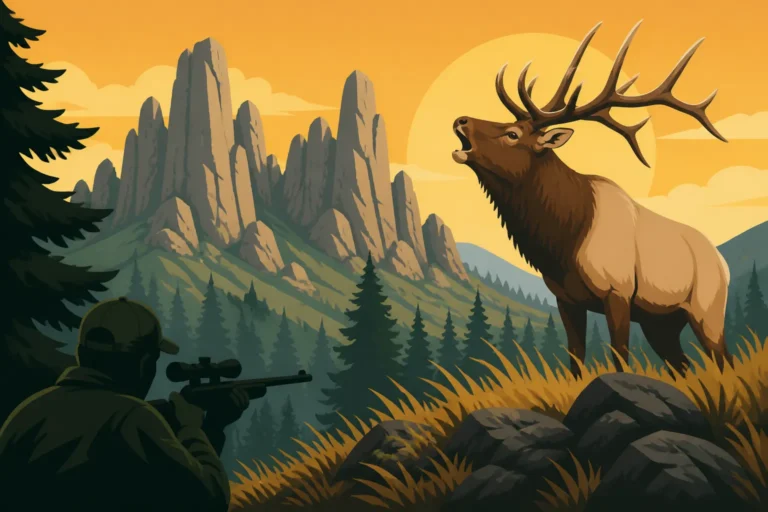
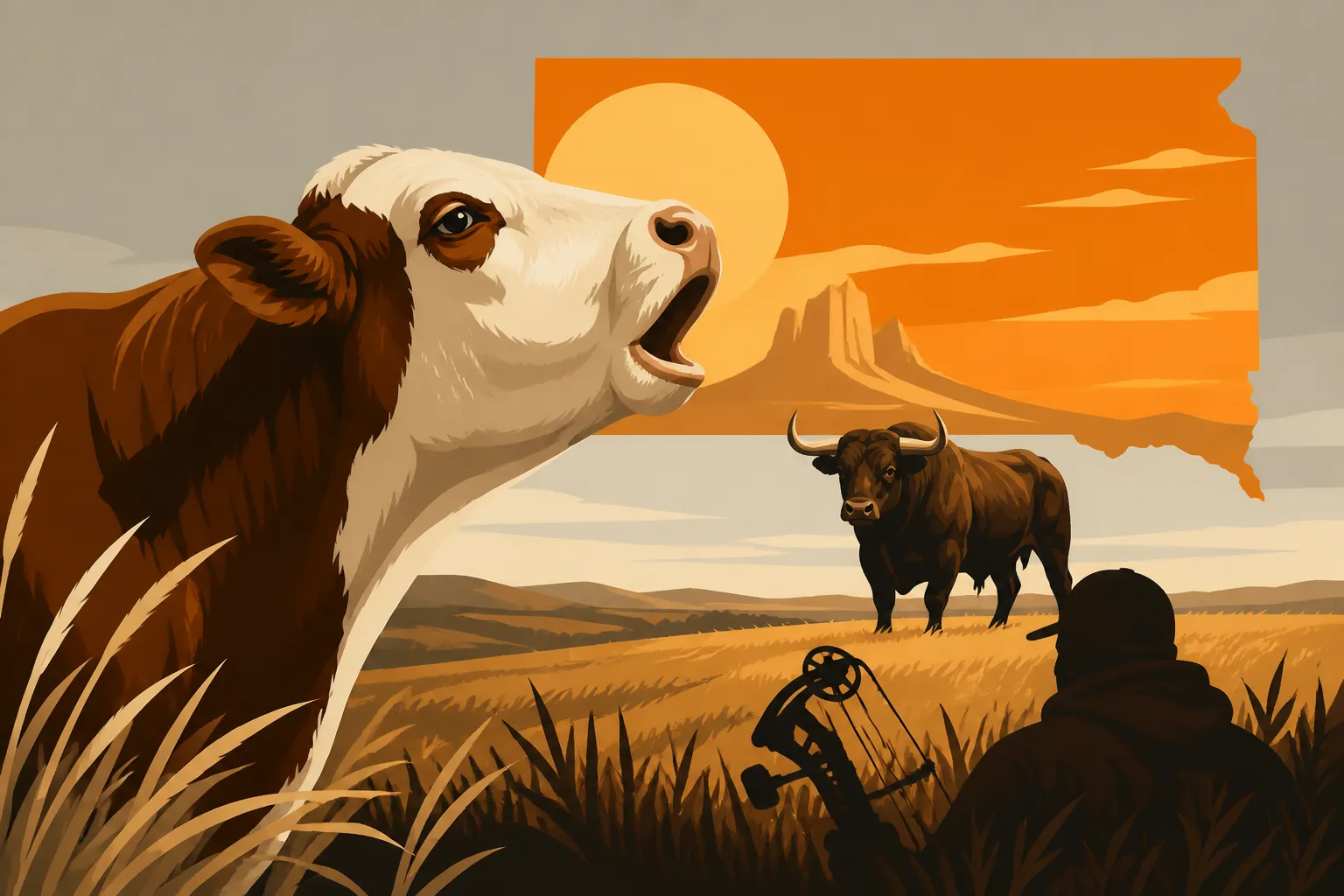
There's nothing quite like the sound of a herd bull bugle echoing through the Black Hills, but convincing that monarch to leave his harem and come investigate your lonesome cow call can feel like trying to reason with a stubborn mule. Many hunters experience the frustration of a bull hanging up just out of range, or worse, rounding up his cows and disappearing. This guide will walk you through the nuances of cow calling a herd bull in South Dakota, helping you understand their behavior, master various calls, and employ smart tactics to draw them into your shooting lane.
Decoding the Herd Bull's Priorities
Understanding what drives a herd bull is the first step to effectively calling him in. It's not always about sheer dominance or aggression; often, it’s about his basic needs and instincts. You're essentially trying to disrupt his carefully orchestrated world, and that requires a thoughtful approach.
His Priorities: Cows, Calves, and Challengers
A herd bull, especially during the peak of the rut in late September and early October in the Black Hills, has a very clear hierarchy of priorities. First and foremost are his cows. They represent his genetic legacy, and his primary job is to keep them rounded up, bred, and safe from rival bulls. He expends an enormous amount of energy doing this, constantly pushing them, bugling to locate stragglers, and chasing off younger, less dominant bulls. This is why a simple cow call often gets a response, but not necessarily an approach. He’ll bugle back to affirm his presence to you (another bull), or to gather his cows if he thinks one is straying, but he won't readily abandon his hard-won harem for a lone cow that might not even be real.
Calves are another concern, though usually managed by the cows themselves. However, a distressed calf call can sometimes trigger a protective instinct, drawing the bull closer to investigate what threat might be near his progeny. Lastly, there are challengers. Younger bulls are constantly testing the herd bull's resolve, and mature satellite bulls are always lurking, trying to cut off cows from the fringes. When you introduce a call that sounds like another bull, you're directly challenging him. When you introduce a cow call, you're either a new addition to his harem (which he may respond to by bugling to gather you), or you're a cow that's strayed, which he’ll also want to collect. The trick is to make him believe the reward of investigating your call outweighs the risk of leaving his established herd.
Factors Influencing His Response
Several factors dictate whether a herd bull will respond to your cow call, and more importantly, if he'll commit to coming in. His level of testosterone, current stress, and the terrain all play a significant role. A bull that's been constantly harassed by other hunters, or one that's just won a brutal fight, might be less inclined to engage. He might be exhausted, or simply too wary to commit. Conversely, a bull who feels secure in his territory, perhaps in a less pressured area of the Black Hills National Forest, might be more curious or possessive.
The size of his herd also matters. A bull with a massive harem might be too busy keeping them together to venture far. A bull with a smaller group, or perhaps one who has just lost a few cows to a rival, might be more eager to consolidate his herd. Time of day and weather are crucial too. Elk are often most active and vocal at dawn and dusk. A calm, cool morning can be ideal for calling, as sounds carry well and elk are on the move. Windy conditions, like those often experienced on the open ridges when you're Hunting Elk on Steep Black Hills Ridges, can make it difficult for elk to pinpoint your location, making them hesitant to commit. Before hitting the woods, consider utilizing tools like GoHunt to research herd dynamics and historical data for the specific unit you plan to hunt. This kind of preparation can give you an edge in understanding the local elk population and their likely behavior patterns.
Mastering the Art of the Cow Call
Cow calling isn't just about making noise; it's about speaking the language of elk, conveying specific emotions and intentions. There's a wide range of cow sounds, and knowing when to use each can be the difference between a bull charging in and him simply ignoring you.
The Basic Cow Mews and Chirps
The most fundamental cow calls are the basic mew and the estrus chirp. A simple cow mew is a universal sound of contentment or a cow signaling her location. It's soft, often drawn out, and carries well in the timber. This is your bread-and-butter call when you're trying to locate elk or sound like a peaceful, unpressured cow. It tells a bull, "I'm here, I'm a cow, everything's cool." It's non-threatening and can pique his interest without raising his defenses immediately. Think of it as a subtle invitation, not a demanding one.
Estrus chirps and mews are shorter, more excited, and often higher-pitched variations. These are the sounds of a cow actively looking to be bred. They convey urgency and readiness, and they can be incredibly effective at grabbing a herd bull's attention. If he hears a cow that sounds like she's "hot" and ready, his primal instinct to breed will kick in, potentially making him forget about his current harem for a moment. However, these calls need to be used judiciously. Too much, too loud, or at the wrong time, and you risk sounding unnatural or alerting him to your presence as a human. Practicing these various mews and chirps is critical, and there are many excellent diaphragm calls and external reed calls on the market that can produce these sounds convincingly.
Distress Calls and Estrus Whines
While less common for directly calling a herd bull, distress calls (like calf mews or squalls) can sometimes work by appealing to a bull's protective nature. If he thinks a calf is in trouble, he might come to investigate, especially if he's a dominant bull who sees himself as the protector of the herd. These calls can sometimes pull a bull away from his cows if he perceives a threat to his progeny. However, be aware that a distress call can also draw in predators, so use it with caution and always be alert.
The estrus whine is another potent call, often a longer, more drawn-out version of the estrus mew, almost a pleading sound. It signals a cow in the peak of her estrus cycle, desperately seeking a bull. This call can be very effective but should be used sparingly and realistically. Imagine the passion and desperation in that sound – that’s what you’re trying to replicate. Overdoing it can make a bull suspicious. It's a high-reward, high-risk call. When trying to entice a herd bull, blending these calls in a realistic sequence is key. Don't just blast one call; create a conversation. For more on effective calling, you might find insights in this article on Bugling Elk in the Black Hills.
Here's a quick comparison of common cow calls:
| Call Type | Sound Description | Primary Purpose | Best Used When… | Risk Level |
|---|---|---|---|---|
| Basic Mew | Soft, drawn-out "Mooooow" | Locate elk, sound like contented cow | Initial contact, non-threatening presence | Low |
| Estrus Chirp | Short, higher-pitched, excited "Mewp!" | Attract breeding-focused bull | Bull is bugling, showing interest, needs incentive | Medium |
| Estrus Whine | Long, pleading, desperate "Meee-oooooow" | Highly attract bull in peak rut | Bull is responsive but hesitant, high reward | High |
| Calf Distress | High-pitched, frantic "Maaaa!" or "Waaah!" | Elicit protective instinct from bull or cow | To create urgency or alarm (use sparingly) | Medium |
Tactical Approaches for Calling a Bull
Calling a herd bull isn't just about hitting the right note; it's about the entire setup. Your position, the wind, and even how you move through the terrain are just as important as the calls you make.
Setting Up for Success: Wind and Cover
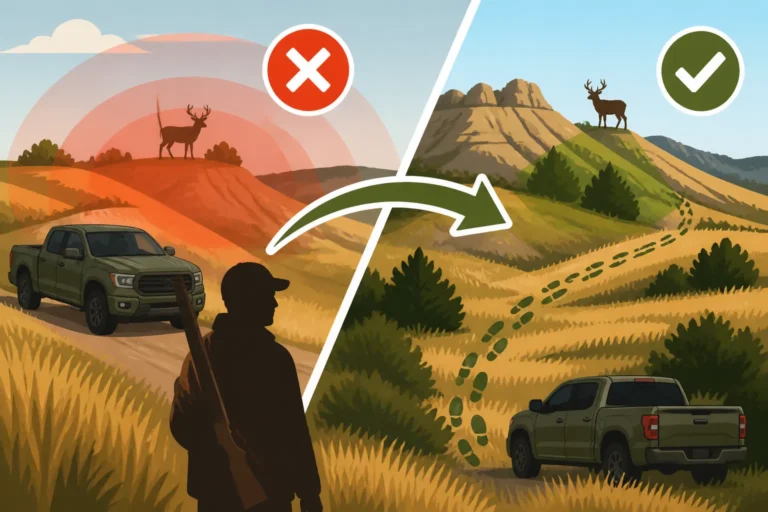
You can make the most perfect, seductive cow call, but if the wind is wrong, that bull will smell you long before he sees you, and your hunt will be over. Always, and I mean always, hunt with the wind in your favor. This means positioning yourself downwind or crosswind of where you expect the elk to come from. Elk have an incredible sense of smell, and they use it constantly to detect danger. Even a faint whiff of human scent will send them packing. This often means taking the long way around, using draws and ridges to circle into a favorable position. Before committing to a calling setup, really study your surroundings, perhaps using digital mapping tools like GoHunt to understand wind currents in relation to topography.
Cover is another crucial element. You don't want to be standing in the open, especially if a bull is approaching. Elk are incredibly wary, and they'll often try to circle downwind to get a scent check before fully committing. Having natural cover like pine trees, brush, or a rise in the ground allows you to break up your silhouette, hide your movements, and give the bull a reason to come closer to investigate that "cow" he heard. Setting up near heavy timber where elk feel secure, like the Ponderosa pine stands described in Hunting Elk in Ponderosa Timber, can be highly effective. The goal is to make him feel comfortable enough to step out into a shooting lane.
Calling Sequence and Volume
The way you structure your calls is like telling a story. Start soft and subtle. A few quiet mews can often be enough to get a bull to respond with a bugle, telling you his location. Once you know where he is and he acknowledges your presence, then you can decide to escalate. If he’s bugling back aggressively, he might be more receptive to a slightly more excited estrus chirp. If he’s quiet but you suspect he’s listening, a soft estrus whine might pull him in. The key is to listen to his responses and adjust. Is he getting closer? Is his bugle getting louder or more demanding? Is he herding his cows away?
Volume is also critical. Don't blast calls at maximum volume right off the bat, especially if you think elk are close. It sounds unnatural and can spook them. Start quiet, then increase volume if the distance requires it. Remember, you're trying to sound like a single cow, not a herd of them. Sometimes, less is more. A soft, convincing mew from a hidden position can be far more effective than an aggressive, loud bugle. For a deeper dive into making effective elk sounds, read about Calling Elk in Black Hills Timber.
Working with a Partner
Calling for a herd bull is often best done with a partner. This tactic is especially effective in the thick timber of the Black Hills. One hunter, the "caller," sets up 50-100 yards behind or to the side of the shooter. When the bull approaches, he'll focus his attention on the sounds, giving the shooter a better chance to move into position or draw a bow undetected. If the bull hangs up, the caller can use soft calls to pull his attention, allowing the shooter a critical few seconds to take a shot.
The partner dynamic can also involve one person cow calling while the other occasionally throws in a soft, non-challenging bull grunt or chuckle. This can suggest to the herd bull that another, smaller bull is trying to steal his hot cow, sometimes infuriating him enough to come investigate more aggressively. However, be very careful not to overdo the bull sounds, as this can often push a herd bull and his cows away rather than draw them in, particularly if he’s already stressed. Remember, the goal is to make him think he's coming to collect a new cow, not to get into a knock-down-drag-out fight, especially if you're trying to pull him away from his harem.
Common Mistakes and How to Avoid Them
Even seasoned hunters make mistakes when calling elk. The animals are smart, their senses are sharp, and they’ve heard it all before. Being aware of these common pitfalls can significantly increase your chances of success.
Over-Calling and Under-Calling
One of the most frequent errors is either calling too much or not enough. Over-calling is when you make too many sounds, too loudly, too frequently. It sounds unnatural, like a cow who's lost her mind, or a hunter who's desperate. A bull will often pick up on this artificiality and become wary, or simply ignore you. Elk are not constantly vocal, especially cows. A natural sequence might involve a few mews, then silence for 5-10 minutes, listening intently, and then perhaps another short sequence. You're trying to replicate natural elk behavior, not a calling concert.
Conversely, under-calling can also be a problem. If you make a call or two and get no response, you might give up too quickly. Sometimes, a bull is interested but hesitant. He might be waiting for the "cow" to come to him, or he might be slowly moving his herd in a direction that allows him to check the wind. Persistence, with long pauses and varied, subtle calls, can often pay off. Don't be afraid to change up your call type or volume if what you're doing isn't working, but always give it time. Remember the patience required when South Dakota Pheasant Hunting Tactics for the Opener, and apply it here.
Ignoring Wind and Terrain
As mentioned before, ignoring the wind is a surefire way to blow your hunt. It’s a fundamental rule of hunting that many, in the heat of the moment, forget. Always be checking the wind, using a wind checker to observe thermals and gusts. As the sun rises, thermals often start to rise, pulling scent uphill. In the evening, they typically drop. Being aware of these subtle shifts, especially in the varied topography of the Black Hills, is vital. You can research more about wind and its impact on your hunt by looking into topics like Layering for South Dakota Wind (which relates to understanding conditions) or even Wind Direction on a Prairie Stalk for general wind strategy.
The terrain also dictates how sounds carry and where elk will move. If you're in a deep canyon, sounds might bounce and echo, making it hard for the elk to pinpoint you. On a wide-open ridge, sounds carry far, but there's less cover for you to hide. Use the terrain to your advantage: set up on benches or saddles where elk often travel, or in dense cover that forces them to get closer to see you. Don't call from a wide-open meadow where a bull can easily spot you from hundreds of yards away.
Getting Busted by Cows
This is a classic frustration when calling a herd bull. You’ve done everything right, the bull is getting closer, but then one of his cows spots you or catches your scent, and the entire herd spooks. Cows are incredibly vigilant, often more so than the bull himself. They are the eyes and ears of the herd, and they will alert the bull to danger instantly.
To avoid this, always assume there are cows ahead of the bull. Set up in dense cover that breaks up your outline. Move slowly and deliberately. If you hear elk moving towards you, stop calling and be ready. If you see cows approaching, hold still and let them pass, or use very soft, contented mews to try and appear like another elk. If a cow starts staring intently in your direction, chances are she’s onto you. Sometimes, you just get unlucky, but minimizing your profile and scent, and maximizing your cover, will give you the best chance to get a shot at that herd bull before his watchful harem busts you. Remember, even with the best plans, elk are wild animals, and they don't always read the script. But by understanding their world and speaking their language, you significantly increase your odds in the stunning elk country of South Dakota.
Disclaimer
Hunting is an inherently dangerous activity. Always prioritize safety, adhere to all South Dakota hunting regulations, and ensure you have the necessary licenses and permits. This guide provides informational content only and should not be considered a substitute for professional instruction, local knowledge, or personal due diligence. Hunt responsibly and ethically.