Hunting Elk on Steep Black Hills Ridges
Hunting elk in the steep, timbered ridges of the Black Hills presents a unique and formidable challenge that many hunters underestimate. It’s not your open-country, long-range glassing kind of hunt, and it certainly isn't for the faint of heart or those unprepared for serious physical exertion. If you’ve ever found yourself gasping for air halfway up a seemingly endless incline, wondering where the elk could possibly be hiding in such dense cover, then you know the frustrations. This comprehensive guide is designed to equip you with the knowledge, strategies, and mental fortitude needed to successfully pursue Black Hills elk in their rugged, vertical domain.
Understanding the Black Hills Elk Habitat and Behavior
Before you even step foot in the woods, it's vital to grasp how elk utilize the complex terrain of the Black Hills. These aren't flatland animals; their lives are dictated by elevation changes, dense timber, and the constant search for food, water, and security. Forget what you think you know about elk if your experience is limited to open sagebrush; the Black Hills are a different beast entirely.
Ridge Systems and Elk Movement Patterns
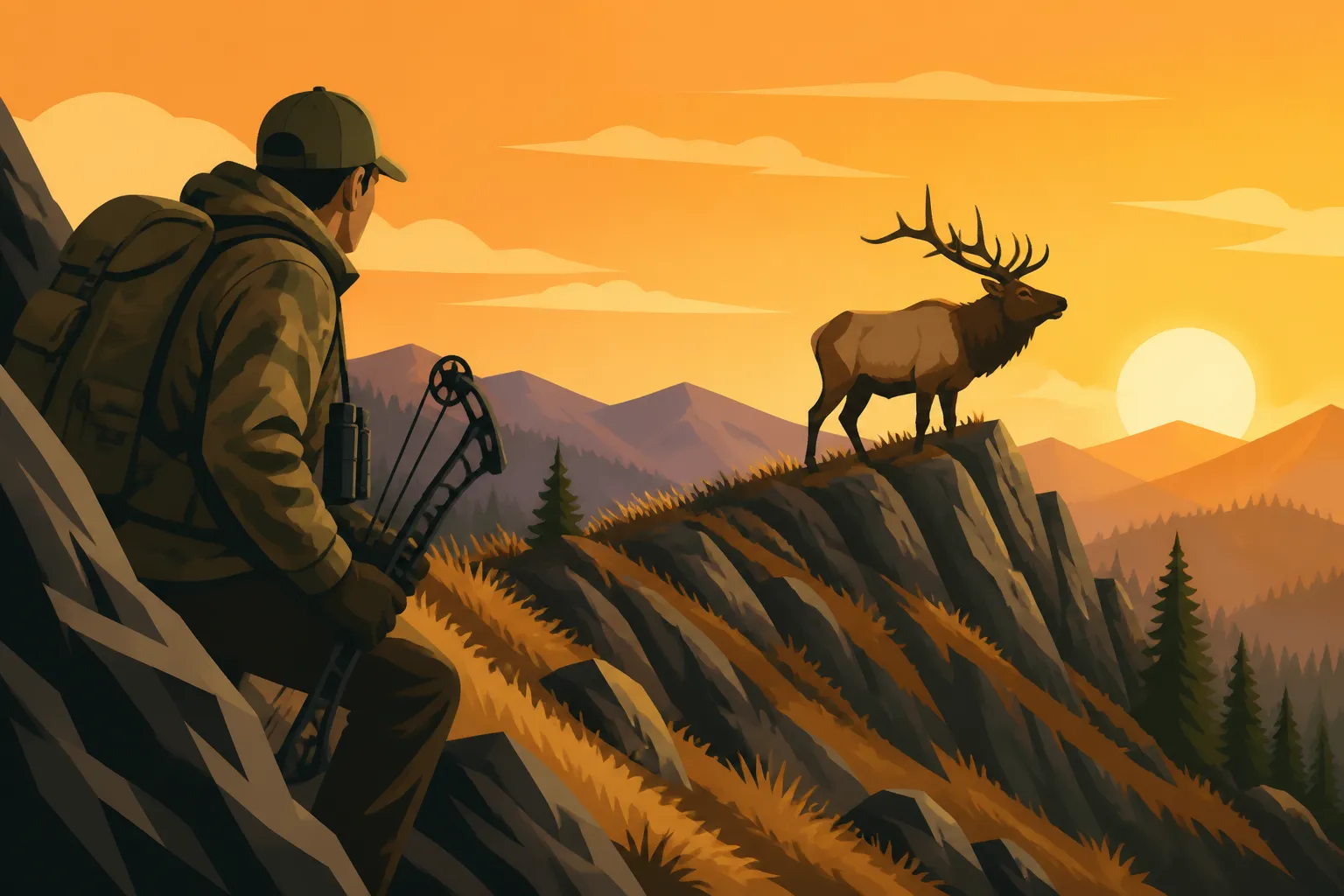
The Black Hills are characterized by a series of rolling, steep ridges, often densely covered in Ponderosa pine, interspersed with rocky outcroppings, aspen groves, and occasional open meadows. Elk in this environment are masters of using these features to their advantage. They often travel along the spine of a ridge, or just below the crest, for several reasons. Firstly, it offers them a vantage point to detect danger. Secondly, it can be the path of least resistance compared to traversing steep, brushy side hills. And perhaps most importantly, ridges often provide predictable wind patterns, or at least a consistent thermals flow, which they rely on for scenting predators.
You’ll frequently find elk moving between feeding areas, which might be a small park, an aspen stand, or even a recent burn scar, and their bedding areas, typically located on a sheltered bench or a thick section of timber just off a main ridge. Observing these movement corridors is paramount. Look for saddles, which are low points connecting two ridges, as these act as natural funnels where elk will often cross. Also, pay close attention to finger ridges that extend off a main ridge; these can serve as escape routes or secondary travel paths. Understanding how thermals rise in the morning and fall in the evening will give you a significant edge in predicting their movement, as elk will almost always try to use the wind to their advantage. Mature bulls, especially, will often seek out the steepest, nastiest, most overlooked sections of a ridge system for their bedding, knowing that most hunters won't commit to the effort required to reach them. This is where patience and an understanding of Steep Ridge Access in the Black Hills really comes into play.
Seasonal Changes and Elk Locations
Elk behavior and preferred locations in the Black Hills shift dramatically with the seasons, directly impacting your hunting strategy. What works in early archery season will likely be less effective in the late rifle hunts, and ignoring these changes is a surefire way to come home empty-handed.
During the early archery season, typically in late August and early September, elk are often still relatively high in elevation, seeking out lush feed and reliable water sources. Bulls might be in smaller bachelor groups, or even solitary, focused on feeding heavily before the rut kicks in. They'll often bed in thick timber during the day and move into open parks or aspen draws to feed at dawn and dusk. This is a time when water sources can be hotspots, especially if it's a dry year.
As the rut approaches and progresses through late September and early October, the Black Hills come alive with elk activity. Bulls become more vocal and mobile, constantly searching for cows and challenging rivals. They will still use ridge systems for travel, but their increased aggression and focus on breeding can make them more vulnerable to calling tactics. You’ll find them moving between herds of cows, often covering significant ground. This period demands a keen understanding of Calling Elk in Black Hills Timber, as strategically placed bugles or cow calls can draw a bull in, even in the thick stuff. However, be prepared for them to circle downwind, using those same ridge thermals to try and scent you.
By the late rifle season, usually in November, conditions in the Black Hills can be drastically different. Snow is often on the ground, and temperatures can plummet. Elk will start to group up into larger herds, and their focus shifts back to survival. They tend to move to lower elevations, seeking south-facing slopes for warmth and thermal cover, or dropping into the thickest, densest timber on the lee side of ridges to escape harsh winds and heavy snow. Food sources become scarcer, and they may concentrate around specific areas that still offer forage, like areas with Ponderosa pine needles or remaining pockets of grass. Hunting during this time requires even more physical stamina and an ability to track in the snow, as the elk are often concentrated but can be incredibly wary.
Physical and Mental Preparation for Steep Terrain
Let's be brutally honest: hunting elk in the Black Hills, especially on those steep ridges, is physically demanding. If you show up out of shape, you're not just going to be miserable; you're going to limit your success significantly and potentially put yourself in a dangerous situation. This isn't a stroll through the park, and preparing your body and mind is just as crucial as having the right gear.
Building Endurance and Strength
The Black Hills are a continuous series of ups and downs, often with very little flat ground to speak of. You'll be climbing steep grades, traversing side hills, and then descending just as quickly, all while carrying your hunting gear. To even begin to enjoy (or at least tolerate) this, you need a solid foundation of cardiovascular endurance and leg strength. Start your training months in advance, not weeks.
Focus on activities that mimic the demands of the hunt. Hiking with a weighted pack is probably the single best thing you can do. Gradually increase the weight in your pack and the distance and elevation of your hikes. If you don't have mountains nearby, find the steepest hills you can, or even use a stair climber or treadmill on an incline setting. Running or cycling are excellent for building cardiovascular fitness, but don't neglect focused strength training. Pay particular attention to your quads, hamstrings, and calves, as these muscle groups will bear the brunt of the work. Lunges, squats, and step-ups with weight will build the power you need for those uphill climbs and stable descents. Don't forget your core; a strong core provides stability, which is invaluable when navigating uneven, steep terrain with a heavy pack.
Beyond the physical, mental toughness is paramount. The Black Hills can be thick, frustrating, and seemingly endless. You'll face steep climbs that leave you gasping, dense timber that swallows your view, and days where you see no elk sign. The ability to push through discomfort, maintain a positive attitude, and keep hunting hard even when you're exhausted is what separates successful hunters from those who quit early. Visualize tough scenarios during your training, and prepare yourself for the grind.
Essential Gear for Mountain Elk Hunting
Having the right gear won't make the Black Hills flat, but it will make your experience safer, more comfortable, and significantly more effective. Cutting corners on gear in this environment is a recipe for disaster.
First and foremost, your footwear is critical. Invest in sturdy, waterproof hunting boots with excellent ankle support and aggressive traction. You'll be traversing loose rock, slick pine needles, and potentially snow, so grip is non-negotiable. Make sure they are well broken in before your hunt to avoid debilitating blisters. Pair them with quality wool or synthetic socks to manage moisture and prevent hot spots.
Next, a versatile layering system is essential. The Black Hills weather can be unpredictable, swinging from frosty mornings to warm afternoons, with sudden rain or snow showers. Start with a moisture-wicking base layer (merino wool or synthetic), add an insulating mid-layer (fleece or a puffy jacket), and top it with a waterproof and windproof outer shell. This allows you to adapt to changing conditions and exertion levels, preventing overheating or chilling. For more general advice on preparing for diverse conditions, check out our guide on Layering for South Dakota Wind.
A reliable hunting pack is another non-negotiable item. For elk, you need a pack capable of not only carrying your day's gear but also hauling out meat. An internal or external frame pack with a capacity of 4,000 to 6,000 cubic inches is usually appropriate. Brands like Kifaru, Stone Glacier, or Mystery Ranch are popular for their robust design and comfort under heavy loads. Remember, if you get an elk back in a deep canyon, you'll be quartering it and making multiple trips, so a good pack is worth every penny.
For navigation, don't rely solely on your phone. Cell service is notoriously spotty in many Black Hills drainages. Carry a dedicated GPS device, a physical topographic map of your hunting unit, and a compass. Learn how to use them all. Digital mapping apps like onX Hunt are incredibly valuable for their detailed satellite imagery and public/private land overlays. As you prepare for your hunt, platforms like GoHunt also offer sophisticated mapping tools and data layers that can be invaluable for e-scouting and planning your routes on these steep ridges.
Optics are key for spotting elk in dense timber or across wide drainages. Good quality binoculars (10×42 or 12×50) are a must. A lightweight spotting scope can be useful if you anticipate glassing across very large canyons or trying to judge antler size from a distance, but in the thickest timber, binos are often sufficient. Always carry them with a chest harness for quick access and to keep them secure.
Finally, your rifle setup needs to be reliable and capable of handling elk. Calibers like .30-06, .300 Win Mag, or 7mm Rem Mag are popular choices, paired with premium, deep-penetrating bullets. Practice shooting at various distances and, critically, at steep uphill and downhill angles, as this significantly impacts point of impact. Ensure your rifle is scoped correctly and you know its capabilities. While our guide on Rifle Setup for South Dakota Open Country provides great general advice, remember that Black Hills elk hunting often means shorter, quicker shots in thick cover, where maneuverability can be as important as long-range precision.
Advanced Scouting and E-Scouting Techniques
The Black Hills don't give up their secrets easily. Elk here are often ghosts, and finding them consistently requires a deep understanding of their habitat preferences combined with meticulous scouting, both from your armchair and on the ground. You can't just walk into these woods hoping to bump into a bull; you need a plan, and that plan starts with good intelligence gathering.
Interpreting Topographic Maps and Aerial Imagery
E-scouting is no longer a luxury; it's a necessity, especially when hunting complex terrain like the Black Hills. Before you ever put boots on the ground, spend hours poring over topographic maps and satellite imagery. What you're looking for are patterns and features that elk will naturally gravitate towards or be forced to use.
Topographic maps, with their contour lines, are your roadmap to understanding elevation changes. Tight contour lines mean steep terrain, which often equals security cover for elk. Wider lines indicate gentler slopes, which might be preferred travel routes or feeding areas. Identify key features:
- Saddles: These low points between two higher ridges are often travel corridors.
- Benches: Flat or gently sloped areas on a steep hillside. These are prime bedding locations for elk seeking a comfortable spot to rest with a view and scent advantage.
- Draws and Canyons: These often hold water, cooler air, and thicker vegetation, providing excellent bedding cover and travel routes, particularly during warmer parts of the season.
- Ridge Points: Prominent points offer commanding views and can be ideal glassing locations.
When you overlay aerial imagery, you add another layer of detail. Look for different timber types: dense, dark Ponderosa stands for bedding; lighter, more open areas or aspen groves for feeding. Identify natural breaks in the timber, old logging roads or trails, and clear-cuts or recent burn scars, as these often create new forage. Water sources, even small springs or seepages, are huge attractants, especially in drier parts of the season. Platforms like GoHunt, with its detailed mapping layers, can help you visualize these elements and mark potential hotspots, travel routes, and glassing points. This kind of diligent preparation, as detailed in our guide on Scouting a South Dakota Unit From Home, can save you days of aimless wandering in the field.
Ground Scouting and Reading Elk Sign
While e-scouting provides the blueprint, boots-on-the-ground scouting is where you confirm your theories and find fresh sign. Nothing beats firsthand knowledge of the terrain and current elk activity. If you can, make a trip or two to your hunting unit before the season opens.
During your ground scouting trips, focus on validating the features you identified on your maps. Walk those saddles, climb those benches, and explore those draws. Look for unmistakable elk sign:
- Tracks: Look for fresh tracks in soft soil near water, creek beds, or muddy trails. Pay attention to the size and freshness.
- Droppings: Fresh droppings indicate recent presence. The color and consistency can tell you how recently elk were in the area.
- Rubs: Bull elk will rub their antlers on trees during the rut. Fresh rubs, especially large ones, are a clear sign of a bull's presence.
- Wallows: Muddy depressions where elk roll to cool off and deposit scent. Active wallows, especially those with fresh mud or hair, are major hotspots.
- Game Trails: Elk create discernible trails, especially when moving between bedding and feeding areas. Pay attention to the size and frequency of use.
Understanding the difference between old and fresh sign is crucial. Old sign indicates historical use, which can still be valuable, but fresh sign tells you where the elk are now. Use your GPS or mapping app to mark every piece of significant sign you find. This builds a picture of elk movement and preferred areas. Some hunters even use trail cameras in strategic locations, like near active wallows, water sources, or frequently used saddles, to monitor elk movement without disturbing the area. This can be especially useful for identifying specific bulls or understanding herd dynamics, augmenting the techniques discussed in E-Scouting Walk-In Areas Before the Season. Remember, the more time you spend scouting, the less time you'll spend hunting guessing.
Effective Hunting Strategies on Steep Ridges
Hunting elk on steep Black Hills ridges demands a combination of patience, strategic movement, and an intimate understanding of wind and thermal dynamics. It's less about covering vast amounts of ground quickly and more about intelligently dissecting the landscape.
Approaching and Glassing From Ridges
Successfully hunting these steep environments often hinges on your ability to approach undetected and then patiently glass the terrain. Unlike open country where you might spot elk from miles away, in the Black Hills, you're often looking for a flicker of an ear or a patch of hide through dense timber.
When approaching an area you believe holds elk, always be mindful of the wind and thermals. In the mornings, thermals generally rise, pulling your scent uphill. In the evenings, they fall, pushing your scent downhill. This means you typically want to hunt into the rising thermals in the morning, positioning yourself below where you expect elk to be, and hunt into the falling thermals in the evening, moving above them. However, in broken, steep terrain, the wind can swirl unpredictably, especially in draws and canyons. Always carry a wind checker and use it frequently.
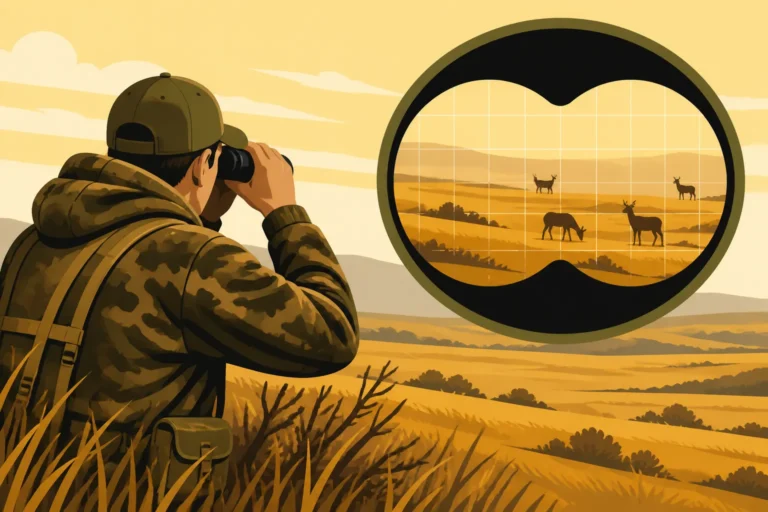
Once you’re in position, patience becomes your best friend. Instead of constantly moving, find a good vantage point, ideally on a ridge point or bench that offers a view into a likely bedding or feeding area, and sit. Spend a significant amount of time glassing. Don't just scan; pick apart the timber slowly, section by section, looking for horizontal lines, unusual colors, or movement. A high-quality pair of binoculars on a tripod will greatly reduce eye strain and allow you to pick up subtle details. Glassing from one ridge into another can be incredibly effective, allowing you to cover ground visually without expending the energy or making the noise of traversing it physically. Remember, elk are masters of camouflage in their home environment, so train your eyes to spot patterns that are "out of place."
Stalking and Calling Tactics in Steep Cover
Once you've located elk, or if you're attempting to draw them in, your tactics for stalking and calling in the Black Hills' steep, timbered terrain need to be precise and methodical. This isn't wide-open country where a long shot is your best option; often, you'll need to get in close.
Stalking elk in the Black Hills is arguably one of the most challenging aspects of hunting here. The dense Ponderosa pine needles, fallen logs, and rocky ground make quiet movement incredibly difficult. You'll need to move excruciatingly slow, often taking only a few steps every minute, placing each foot deliberately to avoid breaking twigs or scuffing rocks. Use every piece of available cover – tree trunks, boulders, undulations in the ground – to break up your silhouette. Always keep the wind in your favor. If a bull is bugling, try to pinpoint his location and then use the topography to get as close as possible without being seen or scented. This requires immense patience and mental discipline.
Calling can be highly effective, especially during the peak of the rut, but it needs to be employed strategically. Aggressive bugling can challenge a bull and draw him in, while softer cow calls can pique his curiosity. However, be aware that calls will echo and carry differently in the steep, timbered canyons, making it harder to pinpoint the source. Also, calling can attract other hunters, so always be aware of your surroundings and prioritize safety. Often, a "silent ambush" or a very subtle call series might be more effective than continuous, loud bugling. For a deeper dive into vocalizations, our guide on Calling Elk in Black Hills Timber offers specific techniques. A popular tactic is the "caller and shooter" setup: one hunter calls from a concealed position, drawing the elk's attention, while another hunter positions themselves silently ahead or to the side for a shot opportunity when the elk comes in. This minimizes movement and maximizes your chances in the thick stuff.
Shot Placement and Game Recovery in Challenging Conditions
Getting an elk on the ground in the Black Hills is only half the battle. Making an ethical shot on uneven ground and then the arduous task of recovering that animal from steep, unforgiving terrain can be just as demanding, if not more so.
Ethical Shots and Angles on Uneven Ground
In the excitement of an elk encounter, especially after a grueling stalk, it's easy to rush a shot. But in the Black Hills, where elk often appear quickly and on uneven ground, patience and precision are paramount. Ethical shot placement ensures a quick, humane kill and minimizes tracking efforts.
One of the biggest challenges is shooting at steep angles, both uphill and downhill. When shooting steeply uphill or downhill, the bullet's trajectory relative to the horizon changes. Gravity has less time to act on the bullet over the horizontal distance, causing it to hit higher than where you aim for a level shot at the same distance. The steeper the angle and the longer the shot, the more pronounced this effect. To compensate, you generally need to aim lower than you would on flat ground, or use a rangefinder with angle compensation. Practice shooting from various positions – standing, kneeling, prone – and at steep angles. This is not something you want to figure out in the moment. Know your rifle's capabilities and your personal limitations. Always wait for a broadside or quartering-away shot that gives you a clear path to the vitals. Elk are incredibly tough animals, and a marginal shot can lead to a long, difficult, and often unsuccessful recovery.
Recovering Elk on Steep, Rough Slopes
You've made a great shot, and the elk is down. Now the real work begins. Recovering an elk from a steep Black Hills slope is an immense physical undertaking that requires careful planning and often, additional manpower.
After the shot, if the animal doesn't go down immediately, give it time. If you suspect a solid hit, especially on a quartering-away shot, wait at least 30-60 minutes before beginning to track. This allows the animal to lay down and expire. Mark the exact spot of the shot and where you last saw the animal. Begin tracking slowly and methodically, marking your trail with flagging tape every few yards, especially if the blood trail is sparse or the cover is thick. Don't get ahead of the blood trail. If you lose the trail, grid search the area in expanding circles from the last confirmed sign. A good headlamp is indispensable for late evening recoveries.
Once you find the elk, the work of processing and hauling begins. Field dressing and quartering the animal as quickly as possible is crucial, especially in warmer weather, to allow the meat to cool. This often means breaking the animal down into smaller, manageable pieces (typically the four quarters, backstraps, tenderloins, and optionally the neck meat). Pack good quality game bags – breathable, lightweight mesh bags are ideal – to protect the meat from dirt, flies, and debris. This process can be incredibly messy and physically draining on a steep hillside.
Hauling the meat out of the Black Hills is where your physical conditioning and your quality pack truly shine. It will likely require multiple trips, even with a partner. If you're alone, you might be looking at four or more trips for a mature bull. Load your pack carefully, distributing the weight evenly. Navigate slowly, using trekking poles for stability on uneven ground. Consider the path of least resistance for hauling, even if it means a slightly longer route. Dragging an entire elk is rarely an option in this terrain. Sometimes, it makes sense to go up to a ridge top or a known trail before attempting to descend with heavy loads. The challenges of meat extraction are significant, similar to the struggles described in Getting a Deer Out of a South Dakota Coulee, but on a much larger scale. Ensuring the meat cools properly during the haul is vital to preserving its quality, especially if you're not heading straight to a processor.
| Task | Key Considerations | Essential Gear | Difficulty Rating (1-5) |
|---|---|---|---|
| E-Scouting | Identifying prime habitat, travel routes, escape cover | GoHunt/onX Hunt, topographic maps, internet access | 2 |
| Ground Scouting | Confirming sign, finding water, assessing access | Boots, binoculars, GPS, camera, wind checker | 3 |
| Physical Training | Building endurance, strength, mental grit | Weighted pack, hiking boots, gym membership | 4 |
| Approaching/Glassing | Wind/thermals, patient observation, vantage points | Binoculars (on tripod), wind checker, camo | 3 |
| Stalking | Quiet movement, cover, wind discipline, patience | Stealthy boots, layered clothing, mental focus | 5 |
| Calling (Rut) | Understanding elk vocalizations, strategic setups | Elk calls (bugle, cow calls), partner for setup | 3 |
| Shot Placement | Angle compensation, vitals identification, steady rest | Rangefinder (angle comp), rifle, practice | 4 |
| Field Dressing/Quartering | Hygiene, rapid cooling, breaking down the animal | Sharp knife, bone saw, game bags, gloves | 4 |
| Meat Haul Out | Multi-trip strategy, stability, hydration, pack comfort | Frame pack, trekking poles, water, rehydration salts | 5 |
Disclaimer
The information provided in this guide is for informational and educational purposes only. Hunting involves inherent risks, and conditions in the Black Hills can be challenging and unpredictable. Always prioritize safety, adhere to all South Dakota hunting regulations, and ensure you are physically prepared for your chosen activity. Consult with local authorities and experienced hunters for additional, localized advice.