Reference Calls Worth Making
Choosing a hunting outfitter for your dream South Dakota adventure can feel like a roll of the dice. You’re often looking at glossy brochures or slick websites, trying to decipher what's genuine from what's just good marketing, and the fear of a wasted trip or a terrible experience weighs heavily. This guide will walk you through the essential process of making reference calls, ensuring you ask the right questions and gather the crucial insights needed to book with confidence.
The Critical Role of Reference Calls in Outfitter Selection
In the world of guided hunts, especially for something as sought-after as South Dakota Ring-Necked Pheasants or Mule Deer on the West River Breaks, the outfitter's reputation is everything. Yet, how do you truly gauge that reputation before you commit your hard-earned money and precious vacation time? This is where reference calls become your most powerful tool. They are far more than just a courtesy; they are a deep dive into the real experience.
Why "Talk to Past Clients" Isn't Just a Suggestion, It's Essential
Think about it: an outfitter's website is their best foot forward, a curated showcase of their most successful hunts and happiest clients. While this marketing is absolutely necessary for them, it doesn't always tell the full story of what your experience might be like. The investment in a guided hunt is significant, often involving not just the outfitter's fee, but travel, gear, and the invaluable time off work. To risk all of that on an unknown quantity is a gamble most of us can't afford to take.
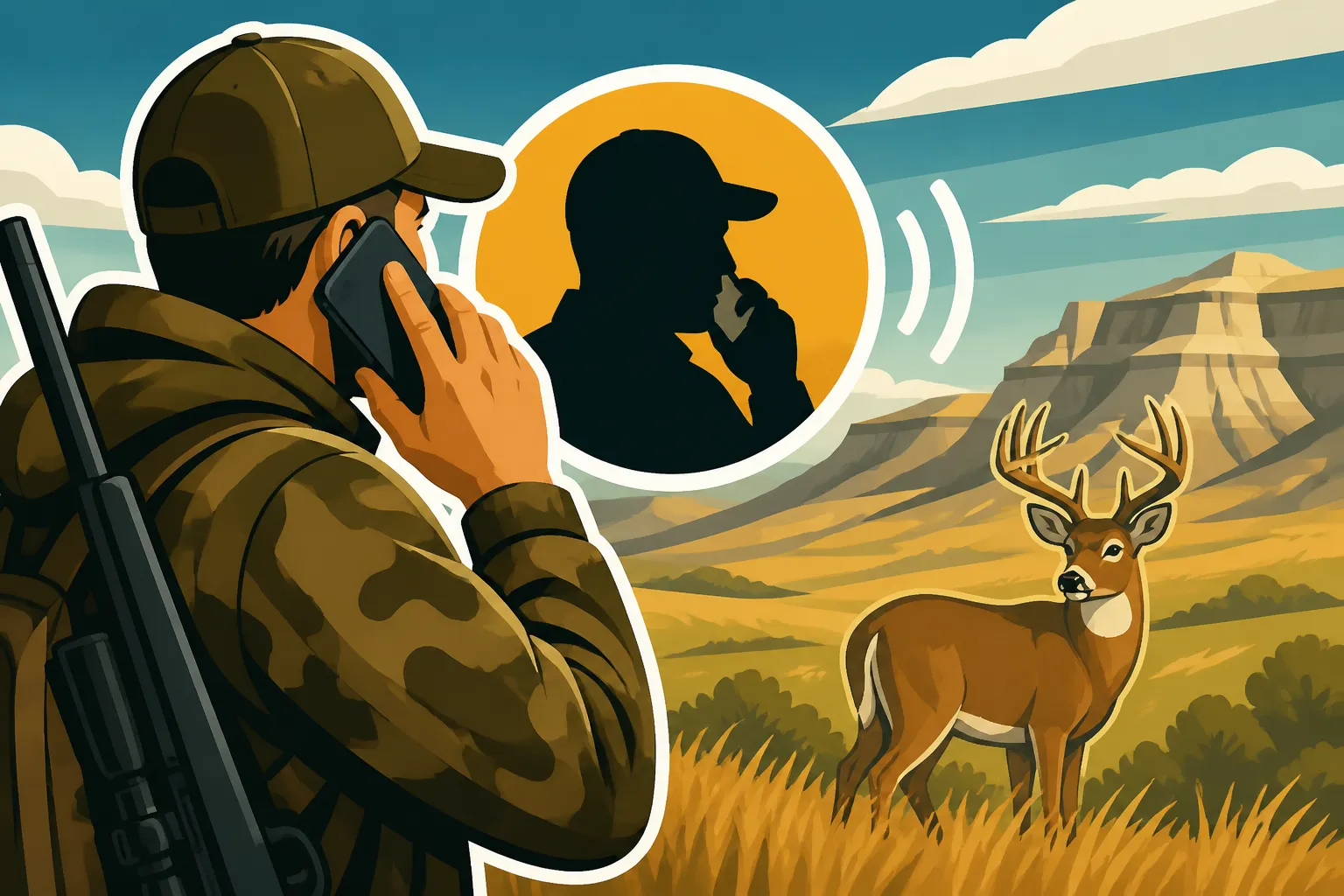
Making reference calls provides a crucial layer of due diligence. It allows you to hear firsthand, in an unscripted conversation, about the nitty-gritty details that marketing materials can't convey. You'll learn about the outfitter's communication style, the actual hunting conditions, the quality of the guides, and the overall atmosphere. This direct feedback from someone who has already been there gives you a much clearer picture and immense peace of mind.
What an Outfitter's Provided References Can (and Can't) Tell You
When an outfitter offers a list of references, understand that these individuals are almost certainly satisfied clients. That's just good business; they wouldn't give you the contact information for someone who had a miserable time. So, while these calls won't necessarily expose major flaws, they are still incredibly valuable for gathering specific information and confirming the positive aspects of the operation.
The key is to ask precise, open-ended questions that go beyond a simple "Did you have a good time?" You want to dig into details about the daily routine, the terrain, the type of shots they had, and how the outfitter handled any minor hiccups. This allows you to verify the outfitter's claims and ensure their service aligns with your expectations. Even from a list of happy clients, you can discern consistent themes that paint an accurate picture of what to expect, especially regarding aspects like South Dakota Lodge Accommodation and Meals or Bird Cleaning and Packaging Services.
Crafting Your Questions for a Productive Reference Call
Once you have a list of names, don't just call them up unprepared. Having a structured set of questions will ensure you cover all your bases and make the most of their time. Remember, these folks are doing you a favor, so be polite, respectful, and efficient.
Key Areas to Cover: Success, Experience, and Logistics
Start with the basics, but push for specifics beyond just whether they "got a bird" or "shot a buck." For a pheasant hunt, you might ask: "What was a typical morning like? How many flushes did your group see, and what kind of shooting opportunities did you have?" For big game, "Can you describe the average distance of your shots or the terrain you covered daily?" It’s important to understand the hunting experience itself, not just the harvest rate, because luck plays a big part in the latter.
Inquire about the guides specifically. Were they knowledgeable about the local area, like Hunting Elk on Steep Black Hills Ridges or Working South Dakota Shelterbelts for Roosters? Were they personable and attentive? What was the group size, and how did that affect the hunt dynamics? Also, delve into the logistical details: "How accurate was the outfitter's description of the lodging and food?" and "Was the equipment (vehicles, blinds, decoys) in good condition?" These small details often reflect the overall professionalism of the operation.
Diving Deeper: Uncovering the Nuances of a Hunt
Beyond the general experience, you want to uncover the more subtle aspects that can make or break a trip. Ask about any unexpected costs. "Were there any hidden fees or expenses that weren't clearly outlined in the initial booking?" This is a crucial question, as some outfitters might have add-ons for processing, bird cleaning, or even additional guide services that can inflate the final bill.
Another important area is the physical demands of the hunt. "How strenuous was the walking? Was the terrain as described, or did you encounter more challenging conditions?" This is particularly relevant for hunts like Walking and Blocking South Dakota Cattail Sloughs or Stalking a Bedded Mule Deer Buck. You also want to ask how any issues or concerns were addressed. "If something didn't go as planned, how responsive and effective was the outfitter in resolving it?" Their response to problems often speaks volumes about their customer service commitment.
Beyond the Provided List: Finding Unbiased Opinions
While the references provided by the outfitter are a good starting point, seeking out additional, unbiased opinions can offer a more complete and unvarnished perspective. This takes a little more legwork, but it's well worth the effort.
Leveraging Online Communities and Forums for Broader Feedback
The internet is a vast resource for hunter feedback. Explore popular hunting forums, Facebook groups dedicated to South Dakota hunting, or review sections on aggregated booking platforms. Websites like BookYourHunt often feature reviews from hunters who have booked trips through their service, providing a broader range of experiences, both good and bad. Search for the outfitter's name and read through discussions. Pay attention to consistent complaints or praises.
When you find discussions about outfitters, remember that online comments can be subjective. Look for patterns in feedback rather than relying on a single glowing or scathing review. Don't be afraid to post your own question in a forum, asking if anyone has experience with a specific outfitter. Often, fellow hunters are more than willing to share their genuine experiences, offering insights you won't get from a curated reference list. This can be especially helpful for understanding nuances like Hunting Pressure Patterns on Walk-In Areas or the reputation of specific regions.
The Art of Cross-Referencing and Reading Between the Lines
Once you've gathered information from various sources – the outfitter's references, online reviews, and personal recommendations – the next step is to cross-reference and look for consistency. Do the positive comments align? Do any "red flags" mentioned online show up, even subtly, in your conversations with the provided references? Sometimes, what's not said by a provided reference can be as telling as what is. If they avoid certain topics or are unusually vague about specific aspects of the hunt, it might warrant further investigation.
Platforms like GoHunt, while often focused on drawing odds and strategy, can sometimes offer broader community discussions or insights into the general reputation of regions or even specific outfitters over time. Use all available tools to build a comprehensive picture. Look for patterns in guide behavior, consistency in the quality of game encountered, or how the outfitter adapts to changing conditions like Late-Season Hunting in South Dakota Snow. The goal is to piece together a mosaic of feedback that reveals the true character of the operation.
Red Flags and Green Lights: Interpreting Reference Feedback
After all your calls and online sleuthing, you'll have a wealth of information. The final step is to critically evaluate it, identifying both warning signs that suggest caution and positive indicators that point to a reputable outfitter.
Warning Signs to Heed
There are several red flags that should give you pause. If an outfitter is reluctant to provide references, or only offers one or two, that's a major warning sign. A well-run operation will have a long list of happy clients. Vague answers from references, especially when you ask specific questions about the hunting conditions, daily routine, or guide performance, should also raise an eyebrow. A genuinely positive experience is usually easy to articulate.
Inconsistencies between what the outfitter tells you and what the references describe are another area of concern. For example, if the outfitter boasts about "huge numbers of birds" but references consistently talk about slow days and hard work to find a few, that's a disconnect. Be wary of outfitters who make overly grand or impossible-sounding promises. Hunting is hunting; there are no guarantees, and an honest outfitter will manage expectations realistically, even when talking about specific species like South Dakota Pronghorn Antelope on the South Dakota Prairie. If a reference seems hesitant or offers lukewarm praise for an outfitter's core services, it's worth noting.
Indicators of a Reputable Outfitter
On the flip side, many indicators point towards a high-quality, reputable outfitter. Consistent positive feedback across multiple references and online reviews is a strong green light. This shows a track record of delivering good experiences. Look for references who speak highly of the guides' professionalism, knowledge, and dedication. Guides are the backbone of a great hunt, and their quality directly impacts your experience, whether you're Calling Elk in Black Hills Timber or hunting Whitetails in Missouri River Timber.
Transparency and honesty are paramount. Reputable outfitters and their references will openly discuss the challenges of hunting – bad weather, slow days, or unexpected difficulties – and how the outfitter adapted. They won't promise you a trophy or a limit every day, but they will promise a dedicated effort. Good communication from the outfitter throughout the booking process, and confirmed by references, is another excellent sign. If they answer your questions promptly and thoroughly, it usually translates to good service in the field. Ultimately, a reputable outfitter will prioritize your overall experience and safety, not just the harvest.
Here's a quick summary of what to consider:
| Aspect | Outfitter-Provided Reference | Independent/Online Reference |
|---|---|---|
| Source | Directly given by the outfitter | Found via forums, social media, review sites (e.g., BookYourHunt) |
| Bias | Likely biased positive (satisfied clients) | Can be positive, negative, or neutral (more varied experiences) |
| Value | Confirms stated services, lodge quality, guide personality | Reveals potential pitfalls, unadvertised realities, broader reputation |
| Questions to Ask | Specifics on routine, amenities, typical days | General experience, how problems were handled, overall satisfaction |
| Interpretation | Look for consistency, detail, genuine enthusiasm | Look for patterns, recurring issues, verifiable facts |
Remember, every hunting trip is unique, and conditions can change. But by diligently making reference calls and cross-referencing information, you significantly increase your chances of booking a South Dakota hunting adventure that lives up to your expectations.
Disclaimer
This article is for general informational purposes only and does not constitute professional advice. Laws, prices and regulations vary by location and change over time. Consult a qualified professional for guidance on your specific situation.