Photo Galleries and What They Hide
It's easy to get swept up by those stunning outfitter photo galleries – big smiles, even bigger bucks, and endless fields of pheasants. But sometimes, those perfect shots can hide a reality that's a little less glossy, leaving hunters disappointed with their dream hunt. This guide will walk you through how to look past the picture-perfect façade and truly understand what an outfitter is offering, ensuring your South Dakota hunting adventure lives up to expectations.
The Allure of the Hero Shot: What Photos Often Emphasize
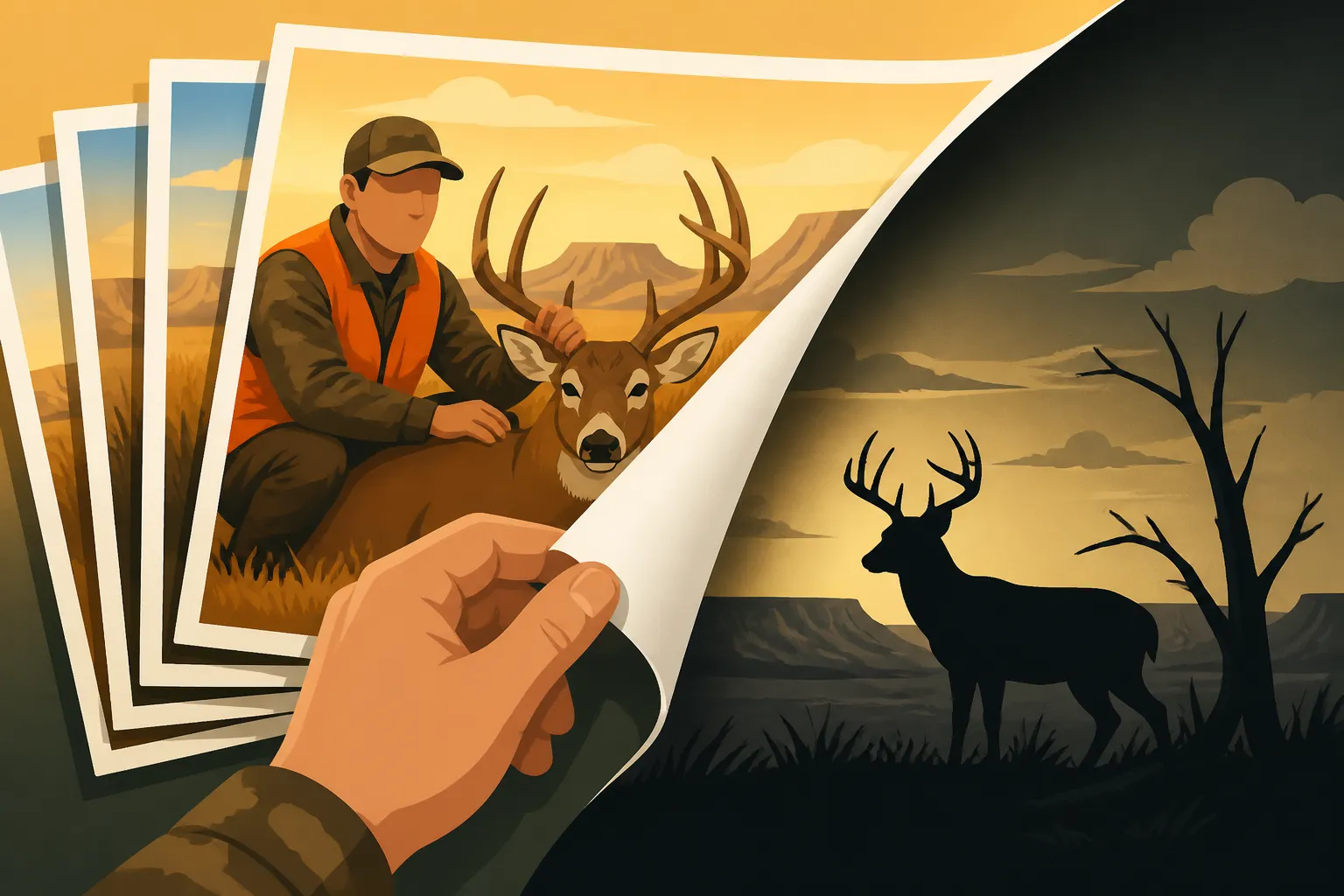
Outfitter photo galleries are, by nature, marketing tools. They are designed to showcase the absolute best, the peak moments, and the most impressive trophies. This isn't inherently bad; after all, you want to see what's possible. However, it's crucial to remember that these are often carefully curated highlight reels, not necessarily an average representation of every hunter's experience. You'll see massive mule deer, limits of pheasants piled high, and hunters celebrating success, but what about the days in between those triumphs?
The "Biggest and Best" Fallacy
Every outfitter wants to show off their biggest deer, their heaviest pheasant limits, or that one-in-a-lifetime bull elk taken by a client. These are the "hero shots" that grab your attention. While it's fantastic to see that such animals exist on their ground, it's a mistake to assume that your hunt will necessarily yield the same results. These photos might represent the top 1% of harvests from an entire season or even multiple seasons, making it seem like exceptional success is commonplace. You might notice that certain outfitters prominently feature trophy photos taken over many years, mixing them together as if they were all from the most recent season.
Beyond the sheer size, consider the conditions. Was that trophy buck taken during the peak rut in perfect weather, or was it an average hunt? Photo galleries rarely show the tough hunts, the missed shots, the days when the birds weren't flying, or the hard work that goes into pursuing game in South Dakota. When looking at photos, try to consider the frequency of such success, not just the existence of it. A platform like GoHunt, with its detailed filtering options and community reviews, can sometimes provide a more realistic perspective on general harvest success for specific units, even if it's not directly tied to a specific outfitter's private land.
Quantity Over Quality in Bird Hunts
For pheasant hunters, you'll often see photos of huge piles of roosters. This speaks to quantity, which is a major draw for South Dakota bird hunting. But ask yourself: are these truly wild birds from challenging hunts, or are some of them preserve birds mixed in? While many South Dakota outfitters provide excellent wild bird hunts, some may supplement their offerings with released birds, especially during certain times of the season or on specific tracts of land. The photo alone won't tell you the difference. How to Tell a Wild Hunt From a Preserve Hunt is a critical question to answer.
Furthermore, even with wild birds, the photos don't always convey the hunting experience. Are these limits being taken by a single hunter, or is it the combined bag of a large group over several days? Are the birds being flushed by well-trained dogs, or is it a more chaotic drive with many hunters? The photos aim to convey abundance, but the actual hunting experience could vary wildly. Don't let a mountain of pheasants distract you from asking about group sizes, hunting methods, and the ratio of guides to hunters. Hunter Group Size on a South Dakota Hunt can significantly impact your experience.
Beyond the Trophy: What Else to Look For in Outfitter Photos
A good photo gallery offers more than just dead animals. It can give you subtle clues about the quality of the overall operation, the habitat, and the hunting environment. You need to become a detective, scrutinizing the backgrounds, the gear, and the overall vibe of the images.
Habitat and Hunting Conditions
Pay close attention to the backgrounds in the trophy photos. Do you see vast tracts of CRP, thick cattail sloughs, or heavy timber along a river bottom? This can tell you a lot about the kind of habitat you'll be hunting. If an outfitter claims prime pheasant hunting, but all the photos show deer hunters in wide-open, sparse fields, that's a red flag. Conversely, if you see consistent photos of hunters navigating dense cover, it suggests a certain type of hunting experience – one that might be challenging but rewarding. Look for photos taken during various times of the season. Are there images from early fall, deep winter, or wet conditions? This can give you a more rounded understanding of what you might encounter.
It's also worth noting the terrain. If you're looking for a challenging spot-and-stalk mule deer hunt in the breaks, but all the photos are taken in flat, farmed fields, that's a mismatch. Conversely, if you're physically limited, and every photo shows hunters scaling steep ridges, you need to ask more questions about accessibility. Understanding the landscape is key, and photos can offer hints. Compare what you see to what you know about areas like West River Hunting Country in South Dakota or East River Prairie Pothole Country in South Dakota. The habitat shown in the pictures should align with the game being pursued and the region the outfitter operates in.
Client Experience and Professionalism
Look at the hunters in the photos. Do they look genuinely happy and comfortable? Are they dressed appropriately for the weather and terrain? Do the guides appear professional and engaged? Sometimes, a guide's body language or the way they interact with clients in photos can offer small insights into their personality and dedication. You might also notice the quality of the equipment – reliable vehicles, good dogs, and well-maintained blinds can all speak to a professional operation.
Additionally, examine the lodge or camp photos, if available. Are the accommodations clean and inviting? Does the dining area look like a place you'd want to relax after a long day in the field? These details, while not directly related to the hunt itself, contribute significantly to the overall experience. A comfortable, well-run camp can make all the difference, especially on multi-day hunts. Platforms like BookYourHunt often feature detailed lodge descriptions and a wider array of candid client photos, which can give you a better sense of the full experience.
Vetting Your Outfitter: Tools and Tactics Beyond Photos
While photo galleries are a starting point, they should never be your only source of information. The real work of vetting an outfitter happens through research, direct communication, and checking references.
The Power of Client References and Reviews
This is perhaps the single most important step after reviewing photos. Ask the outfitter for a list of recent references, ideally from clients who hunted during the same season and for the same species you're interested in. Don't be afraid to ask for more names if the first few are overly glowing or vague. When you call these references, ask specific questions:
- How many animals did they see?
- What was the average size of the game?
- How difficult was the hunting?
- Were the guides knowledgeable and personable?
- How accurate was the outfitter's description of the hunt beforehand?
- Were there any hidden costs or unexpected issues?
Listen carefully to their tone and look for consistency across multiple references. A reputable outfitter will be happy to provide references, and their past clients will generally offer balanced feedback. If an outfitter hesitates or provides only one or two names, that's a significant red flag. You'll find more advice on Getting References From Past Clients and identifying Red Flags When Booking in South Dakota.
Cross-Referencing Information and Asking Key Questions
Don't just take the outfitter's word for it. Cross-reference their claims with other sources. Look at online forums, review sites, and state game and fish resources. South Dakota Game, Fish and Parks often publishes harvest reports and regulations that can give you a general idea of game populations and success rates in different units. While this won't pinpoint a specific outfitter, it can help you gauge the overall quality of the area they operate in.
When you speak directly with the outfitter, have a list of Questions to Ask a South Dakota Outfitter ready. Be direct and specific. Don't just ask "what's your success rate?" Instead, ask:
- What was the actual success rate last season, broken down by weapon or species?
- How many hunters achieved their desired trophy size?
- What is the typical terrain like, and what kind of physical exertion is required?
- What happens if you limit out early or if bad weather impacts the hunt? What Happens if You Limit Out Early is a practical question.
- What is the guide-to-hunter ratio?
- Are hunting licenses and habitat stamps included, or do you need to purchase them separately? Knowing the South Dakota Nonresident Licence Costs ahead of time is vital.
Here's a quick comparison of what you might see versus what you need to confirm:
| What the Photo Gallery Often Shows | What You Need to Confirm (and how) |
|---|---|
| Giant trophy animals & full limits | Average success rates: Ask for specific numbers from recent seasons, get references. |
| Smiling hunters with guides | Guide-to-hunter ratio: Ask the outfitter; confirm with references. |
| Beautiful lodge interiors | Accommodations & amenities: Ask for detailed descriptions, check reviews. |
| Diverse, pristine habitat | Actual hunting acreage & access: Ask for maps, discuss hunting methods, confirm with references. |
| Happy hunting dogs | Dog quality & handling: Ask about dog breeds, training, and number of dogs per group. |
| Bright sunny days, clean kills | Typical weather & hunting conditions: Ask about seasonal variations, contingency plans. |
Utilizing Online Hunting Platforms
Many reputable online platforms exist to help hunters find and book guided hunts. Websites like BookYourHunt or GoHunt often feature not only outfitter listings and professional photos, but also verified client reviews, detailed hunt descriptions, and transparent pricing. These platforms can be invaluable for gathering additional information and seeing how an outfitter is perceived by a wider audience. They can also facilitate communication, allowing you to easily send inquiries and compare different operations side-by-side. Just remember that even on these sites, due diligence on your part is still essential. Always follow up with direct conversations and reference checks.
Disclaimer
This article is for general informational purposes only and does not constitute professional advice. Laws, prices and regulations vary by location and change over time. Consult a qualified professional for guidance on your specific situation.