Shipping Frozen Game Meat by Air
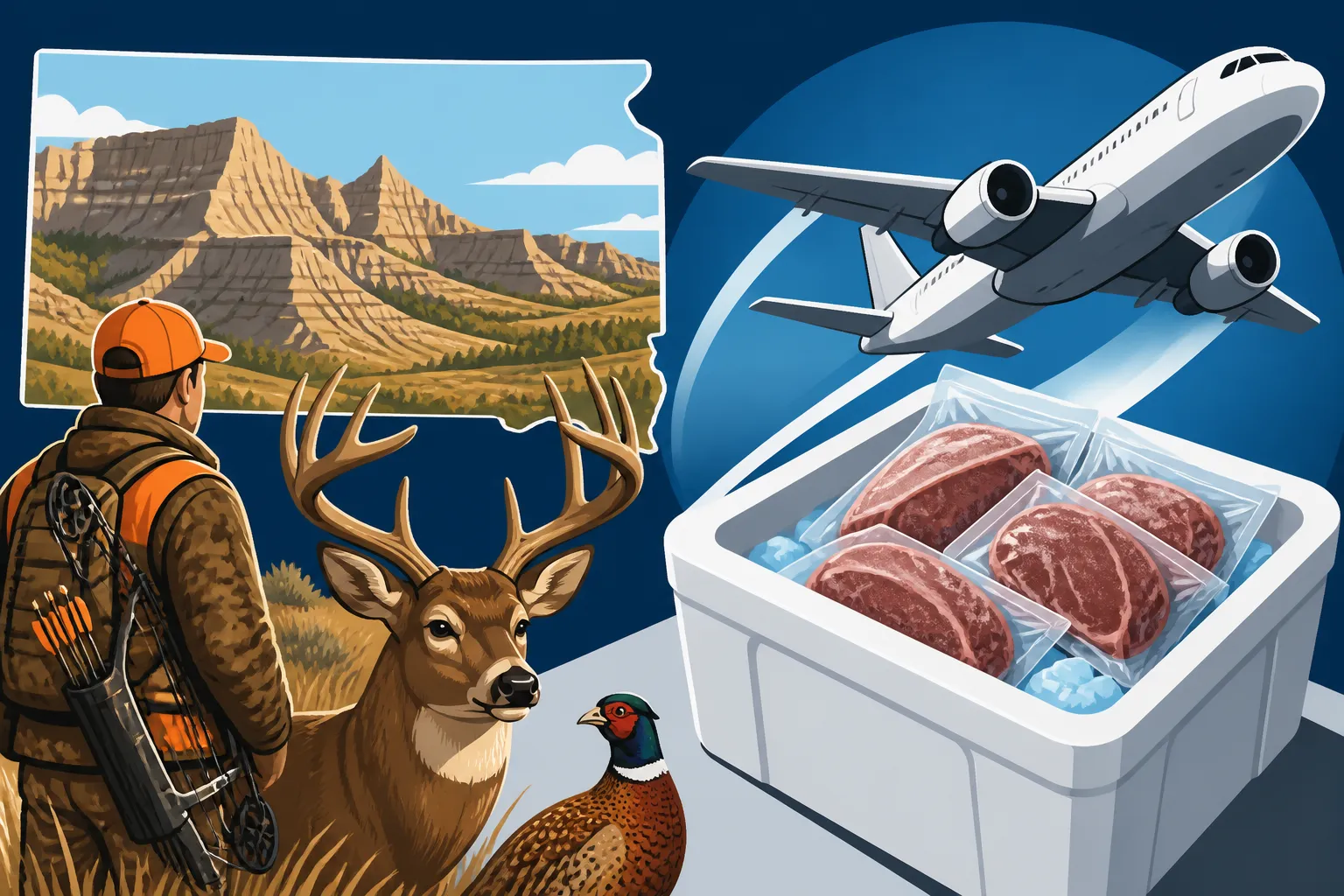
Bringing home your hard-earned wild game meat from a successful South Dakota hunt can be almost as exciting as the hunt itself, but let's be real – figuring out how to get those frozen packages on an airplane without them turning into a sloppy, thawed mess is a common headache. You’ve put in the time and effort, from the early mornings chasing roosters in a cattail slough to the long days stalking antelope on the prairie, and the last thing you want is for that precious bounty to go to waste. This comprehensive guide is here to demystify the process of shipping your frozen game meat by air, helping you navigate the rules and practicalities to ensure your meat arrives home safely and still frozen solid.
The Initial Challenge: Why Shipping Game Meat is Tricky
You've just wrapped up an incredible hunt, maybe you tagged a beautiful West River mule deer or filled your limits on pheasants, and now you’re staring down coolers full of frozen meat. The euphoria starts to mix with a little bit of anxiety: how on earth do you get all this home on a plane? It's not like packing a suitcase with clothes. There are very specific hurdles to jump, and ignoring them can lead to a lot of frustration and potentially, spoiled meat.
Temperature Control on a Journey
One of the biggest anxieties is simply keeping your meat frozen solid, especially if you have a long travel day ahead with connecting flights, layovers, and the general unpredictability of airport operations. You can wrap it perfectly, but if the internal temperature of your cooler isn't maintained, all that effort could be for nothing. Imagine the despair of opening your cooler at home only to find packages of meat that have partially thawed and refrozen, or worse, are just plain mushy. This isn't just about food safety; it's about the respect you have for the animal and the quality of the meal you've envisioned. The journey from freezer to final destination needs to be carefully managed, recognizing that airline cargo holds aren't always climate-controlled freezers.
The critical phase often involves transit time on the tarmac or sitting in a baggage claim area, where temperatures can fluctuate dramatically. A cooler that performs admirably in the back of your truck for a few hours might struggle when exposed to different environmental stresses over a full day of air travel. It's a delicate balance, and understanding the role of your cooling agents—whether that's dry ice or traditional gel packs—is paramount to success.
Airline Regulations and Policies
This is where things can get really messy because every single airline seems to have its own unique set of rules when it comes to transporting perishable goods, especially game meat and the use of dry ice. What one airline permits without a second glance, another might prohibit entirely or subject to stringent weight and packaging requirements. You might read general guidelines online, but then find yourself at the check-in counter being told something completely different. This inconsistency is a huge pain point for hunters.
These regulations often cover everything from the type of cooler you can use (some prefer hard-sided, others are less strict) to the maximum amount of dry ice allowed per cooler, how it must be labeled, and whether it needs to be declared at check-in. Failing to comply can mean anything from your cooler being delayed, opened for inspection, or outright refused for travel. It's not uncommon to hear stories of hunters having to scramble last-minute to find alternative shipping methods or even discard meat because they weren't aware of a specific airline's policy. It pays to do your homework and make sure you're getting information directly from the horse's mouth. When you’re trying to plan your whole South Dakota trip, from the hunt itself to getting your harvest home, resources that help consolidate this info can be incredibly useful.
The "What Ifs": Delays, Lost Luggage, and Damage
The nightmare scenario: your flight is delayed, your luggage gets rerouted to a different city, or your cooler is damaged during handling. These are real possibilities that can turn your triumphant return into a logistical nightmare. The worry that your carefully processed Antelope Meat and How to Treat It or prime pheasant breasts will thaw out or spoil during unforeseen delays adds another layer of stress to the end of your hunt. Imagine making a great shot and Field Dressing an Antelope Fast in the field, only to have the meat compromised because of a baggage handling mishap.
Coolers, especially those packed to the brim with dense, frozen meat, can be heavy. Baggage handlers, while professional, are moving thousands of bags, and sometimes accidents happen. A cracked cooler or a lid that comes ajar can expose your meat to warmer temperatures, defeating the purpose of all your careful packing. This is why durability of your shipping container isn't just a suggestion; it's a necessity. Planning for these "what ifs" by over-preparing and understanding your options for damage or delay can save you a lot of heartache.
Your Preparation Checklist Before You Even Pack
Getting your meat home successfully starts long before you ever pull your truck up to the airport curb. It begins in the field and extends through careful processing and packaging. Think of it like building a fortress around your precious cargo – every step taken beforehand makes that fortress stronger against the rigors of air travel.
Processing and Packaging for Travel
The first, and arguably most critical, step is how your game is handled and packaged after the harvest. For optimal travel by air, your meat needs to be processed, portioned, and vacuum-sealed. This isn't just about preventing freezer burn for long-term storage; it's about creating a protective barrier against moisture and air, which are enemies of frozen meat during transit. Each individual cut or package should be sealed tightly, with as much air removed as possible.
Once vacuum-sealed, the meat needs to be frozen solid – and we're talking rock-hard. A few hours in the freezer won't cut it. It should be in a deep freeze for at least 24-48 hours, or even longer for larger cuts, to ensure it reaches its lowest possible temperature. This internal cold mass will act as its own refrigeration unit once it’s in the cooler. Many hunters utilize local processors in South Dakota who are familiar with preparing game for travel, often offering vacuum sealing and blast freezing services. This can be a huge time-saver and provide peace of mind that it's done right, especially when you're thinking about the substantial Deer Meat Yield From a Mule Deer you'll have to manage.
Choosing the Right Cooler
Your cooler isn't just a box; it's the primary line of defense for your frozen meat. For air travel, you absolutely need a high-quality, hard-sided cooler designed for extreme insulation. While soft-sided coolers are convenient for day trips, they simply don't offer the thermal retention or structural integrity needed for a long flight as checked baggage. Look for coolers with thick, insulated walls, heavy-duty latches, and sturdy construction that can withstand being handled roughly.
The size of your cooler also matters. You need enough space for your meat and your cooling agents (dry ice or gel packs), but you also need to ensure it meets airline dimension and weight restrictions for checked baggage. Overpacking a cooler not only makes it harder to keep cold but can also exceed weight limits, leading to unexpected fees or even refusal. Remember that density means weight, and frozen meat is incredibly dense. It's worth investing in a quality cooler if you plan to fly with game meat regularly. Some hunters swear by specific brands known for their ruggedness and thermal performance, understanding that a cheaper cooler might cost them their entire harvest in the long run.
Understanding Dry Ice and Its Handling
Dry ice (solid carbon dioxide) is typically the preferred cooling agent for shipping frozen game meat by air because it's much colder than regular ice and sublimates (turns directly into gas) without leaving any messy water behind. However, it's considered a hazardous material by airlines and has strict regulations due to the gas it releases. You cannot simply throw a block of dry ice into any cooler and expect it to fly.
The key considerations for dry ice are:
- Weight Limits: Airlines typically limit the amount of dry ice per package, often around 5-5.5 pounds (2.5 kg) per cooler, with a total limit per passenger.
- Ventilation: Critically, your cooler must be vented to allow the carbon dioxide gas to escape. If not, pressure can build up and potentially rupture the cooler. This means you can't tape up every seam of your cooler to seal it completely. Most high-quality coolers have small drain plugs or can be slightly unlatched to allow for this.
- Packaging and Labeling: The dry ice itself should be placed in paper bags or wrapped in newspaper inside the cooler, not in airtight containers. The exterior of your cooler must be clearly labeled with "DRY ICE" or "CARBON DIOXIDE, SOLID," include the net weight of the dry ice, and display a UN 1845 label.
Handling dry ice also requires caution. Always wear gloves to prevent frostbite, and handle it in a well-ventilated area. Never place dry ice directly in contact with your meat; keep it separate within the cooler, usually on top as cold air sinks. Getting Meat Cooled in Warm Weather quickly is crucial, and dry ice is excellent for maintaining that deep freeze.
| Cooling Agent | Pros | Cons | Airline Rules (General) |
|---|---|---|---|
| Dry Ice | Extremely cold, no water mess, very effective. | Hazardous material, specific weight limits, ventilation required, can cause frostbite. | Must be declared, labeled UN 1845, weight limits (e.g., 5.5 lbs/package), must be vented. |
| Gel Packs | Reusable, no hazardous material declaration, safer to handle. | Not as cold as dry ice, limited cooling duration, can add weight, may not keep meat rock-solid for long trips. | Generally no special declaration, but check weight limits for checked baggage. |
Navigating Airline Rules and Airport Logistics
You’ve done all the prep work, your meat is perfectly frozen, and your cooler is ready. Now comes the moment of truth: dealing with the airlines and the airport. This phase is where many hunters get tripped up, often due to a lack of current information or miscommunication.
Pre-Flight Communication is Non-Negotiable
Seriously, pick up the phone. Even if you've flown with game meat before, or if you've read an airline's policy online, call them directly. Policies change, and what's written on a website might not reflect the most current procedures or the specific requirements of the airport you're flying out of. Ask to speak to someone in the cargo or special baggage department, if possible, as general customer service reps might not have the granular details you need.
Specifically ask about:
- Their policy on frozen game meat.
- Their specific dry ice limits (both per container and total per passenger).
- Any special labeling or declaration forms required.
- Size and weight restrictions for coolers as checked baggage.
- Whether there are any specific types of coolers they do not allow.
Get the name of the person you spoke with and note the date and time. This small step can save you immense frustration and potential issues at the airport counter. Even general hunting resources like GoHunt often advise verifying regulations directly, as state laws and airline rules are constantly subject to change.
At the Airport: Checking In Your Game Meat
When you arrive at the airport, head straight to the check-in counter. Do not try to use a self-service kiosk for a cooler with dry ice. You'll need to declare the dry ice to the agent, who will ensure your cooler is properly labeled and documented. Be prepared for potential questions about the contents and how it's packaged. They may ask to inspect it, so don't completely seal your cooler with tape until you're absolutely sure it's cleared.
Be aware that your cooler will likely be subject to additional screening by TSA, especially if it contains dry ice. This is standard procedure, so don't be alarmed if it takes a little longer than a regular suitcase. Ensure your contact information is clearly visible on the outside of the cooler, both directly on the cooler and on a luggage tag. Having your phone charged and on is a good idea in case they need to contact you for any reason. If you've just come off an exciting South Dakota hunt and are feeling the rush, take a deep breath and be patient; thoroughness here ensures your meat makes it home.
Considering Cargo or Specialized Shippers
For hunters with a truly significant amount of meat (like a large elk quartered out), or those who simply want to avoid the hassle of airline baggage restrictions, specialized cargo services or freight forwarders are an option. Companies like FedEx or UPS Freight offer services for shipping perishables, often with temperature-controlled options. This usually means your meat would travel as commercial cargo rather than checked baggage, circumventing passenger baggage rules.
While typically more expensive than checking a cooler, these services can offer greater peace of mind, potentially higher weight limits, and more reliable temperature control. Some outfitters, especially those booked through platforms like BookYourHunt, might even have existing relationships with such shippers or offer services to help coordinate this for their clients, making the post-hunt logistics much smoother. This is particularly appealing for nonresident hunters who might be taking home substantial harvests like South Dakota Whitetail Hunting in River Bottoms or Black Hills Elk Hunting Tactics.
Alternative Strategies and Post-Arrival Tips
Sometimes, air travel isn't the best or only option, or you might need a backup plan. There are other ways to get your meat home, and knowing what to do once it arrives is just as important.
Shipping Via Ground (When Applicable)
If you live within a reasonable driving distance, or if your schedule allows for a slower transit time, shipping your frozen game meat via ground services like FedEx Ground or UPS Ground can be a viable alternative to air freight. This option usually works best for shipments that can reach their destination within 2-3 days, as maintaining consistent freezing temperatures for longer can be challenging.
When shipping via ground, the same principles of thorough freezing and excellent insulation apply. You'll still need a robust cooler, plenty of dry ice, and meticulous packaging. However, ground shipping regulations for dry ice are often less restrictive than airline rules, which can be a plus. Always check with the specific carrier for their most current rules regarding perishable goods and dry ice. This could be a good option if you’re staying a few extra days after your hunt and plan to hit up Hunting South Dakota Walk-In Areas or if you’re driving part of the way home and then need to fly.
Local Processing and Shipping Services
Many established wild game processors in South Dakota understand the needs of nonresident hunters and offer comprehensive services that include processing, vacuum-sealing, freezing, and even shipping your meat directly to your home address. This is often the most convenient option, as they are experts in preparing meat for transport and are familiar with the various shipping regulations.
When you drop off your game at a processor, they can take care of everything from breaking down your Getting a Deer Out of a South Dakota Coulee into meal-sized portions to boxing it up with dry ice and arranging the shipment. While there's an additional cost for these services, the peace of mind and saved hassle can be well worth it, especially if you're already stressed about making your flight or dealing with multiple coolers. Asking about these services when you drop off your game at a processor, or even when you're making arrangements with a hunting lodge, can streamline your departure greatly. Finding a Processor During Pheasant Season is usually quite easy in hunting-centric towns.
Upon Arrival: Immediate Care for Your Harvest
No matter how you ship your frozen game meat, the moment it arrives at your home, it needs immediate attention. The first thing you should do is inspect the contents of your cooler. Check the condition of the dry ice or gel packs – if they are still largely intact and the meat is rock-solid, you've succeeded! If the dry ice has completely sublimated and the meat feels soft or has begun to thaw, it's critical to assess the situation quickly.
Any meat that has partially thawed but is still very cold and has ice crystals can usually be refrozen without significant loss of quality, though some texture changes might occur. However, if the meat has fully thawed and reached warmer temperatures for an extended period, it's important to err on the side of caution regarding food safety. Transfer all frozen packages immediately to your home freezer. For partially thawed items, prioritize consuming them within a few days or fully cooking and then refreezing them. You've worked hard for this meat, from filling out your South Dakota Harvest Reporting Rules to getting it home, so ensure its final destination is a safe one in your freezer.
Disclaimer
This article is for general informational purposes only and does not constitute professional advice. Laws, prices and regulations vary by location and change over time. Consult a qualified professional for guidance on your specific situation.