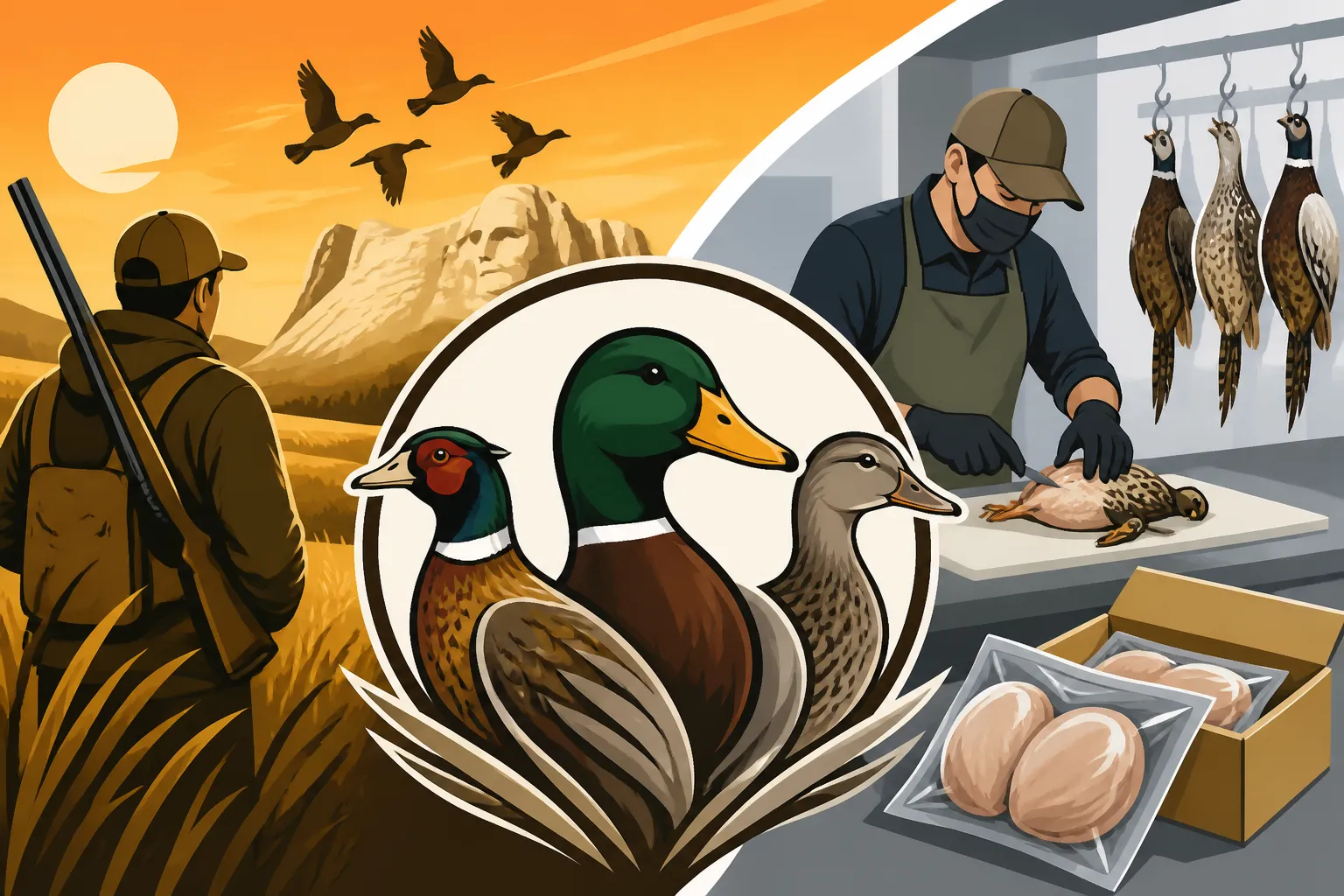
Bird Cleaning and Packaging Services
After a long day of chasing roosters across South Dakota’s expansive fields, the last thing many hunters want to face is a mountain of birds needing to be cleaned and processed. The sheer volume can be daunting, especially when you’re tired, perhaps cold, and just want to relax. This guide dives deep into the various bird cleaning and packaging services available in South Dakota, exploring your options from doing it yourself to leveraging professional help, ensuring your hard-earned pheasants make it home in prime condition.
The Post-Hunt Reality: Why Bird Cleaning Becomes a Chore
Let’s be honest, the adrenaline rush of a pheasant flushing explosively at your feet is quickly replaced by the reality of the work involved once the hunt is over. You've walked miles, maybe battled some tough cover, and now you’re looking at a cooler full of birds. For many, especially those who come from out of state for a multi-day hunt, the prospect of cleaning a daily limit for several days in a row can feel like a second job, often cutting into valuable relaxation time or preparation for the next day's hunt.
The Cumulative Effect of Daily Limits
Think about it: a typical daily limit in South Dakota is three roosters. If you have a group of four hunters, that’s twelve birds a day. Over a three-day hunt, you could be looking at thirty-six birds. That’s a significant number of pheasants to pluck or breast, especially if you’re trying to keep up with the processing each evening. This cumulative effect is where the joy of the hunt can turn into genuine fatigue, impacting your overall experience. It’s not just about the physical act; it’s the mental commitment after being physically drained.
You might be thinking, "It's part of the hunt!" And while it absolutely is, there's a difference between cleaning a bird or two back home and handling a cooler full of them far from your usual setup. The facilities might not be ideal, the weather might not cooperate, and frankly, you might just want to sit by the fire and relive the day's flushes. This is a common frustration, and it's why many hunters start looking for alternatives to simply grinding through the task themselves.
The Time Crunch and Quality Concerns
Beyond the sheer volume, there's the element of time. Many lodges and hunting camps have fixed schedules for meals and morning departures. If you’re spending hours cleaning birds into the late evening, you’re missing out on social time, valuable rest, or perhaps an early start for another hunting opportunity, like Early Canada Goose Season Tactics. The quality of the cleaning can also suffer when you’re rushing or tired. Nobody wants to find feathers or shot fragments in their carefully packed pheasant breasts back home.
Improper or rushed cleaning can lead to issues with meat quality, especially if birds aren't cooled quickly or packaged correctly. A small amount of residual blood or a poorly sealed package can lead to freezer burn or spoilage, undoing all the effort and expense of the hunt. This is particularly true in warmer early-season weather, where Keeping Birds Cool in a Warm Truck is paramount even before cleaning begins. Hunters want their meat to taste as good as the memory of the shot, and shortcuts in processing can compromise that.
DIY Versus Professional Bird Cleaning: Weighing Your Options
When it comes to processing your birds, you essentially have two main paths: the do-it-yourself route or handing the task over to professionals. Each has its own set of advantages and disadvantages, and the best choice often depends on your personal preferences, budget, and the nature of your hunt.
The DIY Approach: Freedom and Full Control
Doing it yourself gives you complete control over how your birds are cleaned, whether you prefer to Breasting Versus Plucking Birds, and how they are packaged. You can take your time, ensure every feather is removed if you're plucking, or carefully trim breasts to your exact specifications. This method is often the most cost-effective, as your only expenses are your time, cleaning supplies, and packaging materials. For many, there’s a sense of satisfaction in handling the entire process from field to freezer.
However, the DIY route demands time, equipment, and a suitable workspace. Are you staying at a cabin with a dedicated cleaning station, or are you trying to do it in a motel bathroom? Do you have all the necessary knives, bags, and coolers? For those traveling a long distance, hauling all the gear can be cumbersome. Plus, disposing of carcasses and feathers can be tricky, especially if you're not on private land. You need to consider all these practicalities before committing to doing it all yourself.
The Professional Service: Convenience and Expertise
Opting for a professional bird cleaning service, often provided by lodges, local processors, or even some dedicated individuals in hunting towns, offers unparalleled convenience. After a tiring day, simply dropping off your cooler full of birds and knowing they'll be expertly handled is a huge relief. These services typically have specialized equipment, efficient processes, and experienced staff who can clean and package birds quickly and to a high standard. This frees up your time for other activities, like scouting future hunt spots or simply relaxing.
The primary drawback, of course, is the cost. Professional services charge for their labor and materials. However, many hunters view this as a worthwhile investment in their overall hunting experience, especially when time is limited or facilities are scarce. It’s important to research these services ahead of time, checking their reputation and what their specific offerings include. Platforms like BookYourHunt or GoHunt, when researching lodges, often list whether bird processing services are available as part of a package or for an additional fee.
Here's a quick comparison of the two main approaches:
| Feature | DIY Bird Cleaning | Professional Bird Cleaning Service |
|---|---|---|
| Cost | Low (materials only) | Moderate to High (service fee) |
| Time Investment | High (can be hours for multiple birds) | Low (drop off, pick up) |
| Control | Complete over cleaning method and packaging | Limited (standardized methods, specific cuts) |
| Equipment | Requires personal knives, bags, coolers, space | Provided by the service |
| Cleanliness | Depends on individual care and available facilities | High (dedicated, sanitized facilities) |
| Skill Level | Requires hunter's own ability | Handled by experienced staff |
| Waste Disposal | Hunter's responsibility | Handled by the service |
| Travel Impact | Can add bulk to luggage, needs more planning | Reduces need for extensive cleaning gear |
Types of Professional Bird Cleaning Services in South Dakota
South Dakota, being the pheasant capital, has a robust ecosystem of services catering to hunters. From the moment you pull into a hunting lodge to the local butcher shop in a small prairie town, you’ll find options for processing your birds. Understanding these different types of services can help you choose the one that best fits your needs.
Lodge-Provided Cleaning and Packaging
Many dedicated pheasant lodges and outfitters in South Dakota offer bird cleaning and packaging as part of their hunt packages, or as an optional add-on service. This is often the most seamless option, as the service is right on-site. You might drop your birds off after the morning hunt and they’ll be ready, cleaned and frozen, by the time you're ready to head home. This kind of convenience is a major draw for many hunters, especially non-residents who appreciate a truly turn-key experience.
These lodge services typically include breasting the birds, vacuum-sealing or double-bagging the meat, and freezing it for transport. Some may even offer full plucking, though this is less common due to the time involved. It's always wise to confirm exactly what's included when you book, including details like how birds are handled, if they’re separated by hunter, and if there are specific requirements for your birds before drop-off. Some lodges might ask you to Cleaning Pheasants in the Field to remove guts, reducing spoilage risk before they reach the processing station.
Local Processors and Meat Lockers
Beyond lodges, many small towns across South Dakota, particularly in prime hunting areas, have local meat processors or lockers that cater to hunters. These businesses are often swamped during pheasant season but provide an invaluable service. They handle everything from deer to wild birds and are usually well-versed in the legal requirements for processing game for transport. Finding a Processor During Pheasant Season can sometimes be a challenge due to demand, so calling ahead for availability and to understand their drop-off/pickup procedures is highly recommended.
These processors often offer a range of services, from basic breasting and packaging to more specialized cuts or even sausage making. The quality is generally excellent, as this is their primary business. The main logistical challenge is getting your birds to and from these facilities, which might involve a short drive from your lodging. It’s also important to confirm their turnaround times, as during peak season, it might take a day or two, meaning you might need to adjust your travel plans or have adequate cooling for your birds.
Mobile and Independent Cleaning Services
In some areas, you might find independent contractors or even mobile cleaning services that operate out of a trailer or a dedicated temporary setup. These can pop up during peak season to absorb the overflow from lodges and traditional processors. They often advertise through local word-of-mouth or signs in hunting towns. While potentially more flexible, it's crucial to exercise due diligence. Ensure they are reputable, follow proper hygiene standards, and understand all tagging and transport regulations.
These services can be a lifesaver if other options are fully booked, but always prioritize food safety and legality. A quick chat with other hunters or a check with local businesses for recommendations can go a long way. Confirm pricing structure, what packaging materials they use, and if they offer freezing services. The convenience might be there, but verifying their professionalism is key to protecting your hard-earned harvest.
What to Expect from a Bird Packaging Service
Once your birds are cleaned, the packaging process is critical to ensure the meat remains fresh and travels well. Professional services typically offer several packaging options, each designed to preserve quality and meet various transport needs. Knowing what to expect can help you make informed decisions.
Standard Packaging Methods
The most common packaging method for pheasant breasts is vacuum-sealing. This process removes all air from the package, preventing freezer burn and extending the shelf life of the meat significantly. Vacuum-sealed packages are also compact and durable, making them ideal for transport. Many processors will then place these sealed packages into larger freezer bags or boxes, often labeled with the date and type of meat. This ensures your Pheasant Meat Handling and Cooking will result in the best possible meal.
Another common method, especially if vacuum sealers are unavailable or if it's a quick process, is double-bagging in heavy-duty freezer bags. While not as effective as vacuum-sealing at preventing freezer burn long-term, it's a good short-term solution and much better than single bagging. For hunters who opt for whole, plucked birds, these will often be individually wrapped and then placed in larger bags. Always confirm the packaging method when you drop off your birds to align with your expectations for preservation.
Freezing and Storage for Travel
Once packaged, the birds need to be properly frozen, especially for hunters traveling long distances. Professional services typically have commercial freezers that can quickly freeze large quantities of meat to a safe temperature. This hard-freezing is crucial for maintaining meat quality during transit. You should discuss with the service how long they recommend freezing the birds before pickup, especially if you have a long drive ahead.
When picking up your birds, they should be rock-solid frozen. You’ll want to have adequate coolers, ideally well-insulated ones, to maintain this temperature during your journey home. Some hunters will even bring blocks of dry ice for extended drives, ensuring the birds stay frozen solid. Remember, the goal is to keep the internal temperature of the meat as low as possible to prevent spoilage and freezer burn. If you're concerned about travel, always ask the processor for their best advice on Getting Birds Home From South Dakota.
Labeling and Legal Compliance
A crucial aspect of professional packaging, especially for game meat, is proper labeling and adherence to legal requirements. Each package of meat should ideally be labeled with the species, date of harvest, and the hunter’s name. This helps with organization and is also often a requirement for legal transport across state lines. Understanding Tagging and Transporting Birds Legally is paramount to avoid any issues during your journey home.
Professional processors are generally well-versed in these regulations, but it never hurts to double-check, especially if you're a non-resident. Ensure that any identifying tags or proof of license can be easily matched to your birds if required. Some states have specific rules about how game meat must be presented, and a reputable South Dakota processor will help you meet those standards, making your return trip stress-free.
Logistics: Getting Your Birds Home from South Dakota
The journey home with your processed birds is just as important as the cleaning and packaging. Mishandling your frozen birds during transport can quickly undo all the professional care they received. Planning ahead for this leg of your trip is essential, especially for non-resident hunters.
Cooler Selection and Preparation
Your choice of cooler can make or break the successful transport of your birds. High-quality, roto-molded coolers are excellent at retaining ice and maintaining low temperatures for extended periods. For long drives, consider bringing two coolers: one for your frozen birds and another for any drinks or other perishables. Pre-chilling your coolers with ice for at least 12-24 hours before loading the birds will significantly improve their performance.
When loading, pack the frozen bird packages tightly. The less air space inside the cooler, the better it will retain its temperature. Use additional ice or, for maximum cold, dry ice. If using dry ice, ensure proper ventilation in your vehicle, as it displaces oxygen. Dry ice can keep items frozen for several days, far longer than regular ice. Always place a barrier (like cardboard or newspaper) between dry ice and your bird packages to prevent "freezer burn" from the extreme cold.
Understanding Transport Regulations
Navigating the rules for transporting game meat, particularly across state lines, can be complex. South Dakota has specific regulations, and your home state or any states you pass through might have their own. Typically, cleaned and packaged game birds are allowed, but the key is often proof of legal harvest. This is where diligent tagging and proper documentation become vital. Always refer to current game and fish regulations from both South Dakota and your destination state.
The general rule of thumb is that the meat must be identifiable as lawfully harvested game. Whole birds, or portions with enough identifying features (like a wing or head), may be required for inspection in some scenarios, although this is less common for properly processed pheasant breasts. For non-residents, understanding Transport Rules for Cleaned Birds is critical. Never assume; always verify. A quick call to the game and fish department of your home state can clear up any doubts before you hit the road.
Alternative Shipping Options
For hunters who fly or have extremely long drives, shipping services can be an attractive alternative to self-transport. Several companies specialize in shipping frozen perishables, using insulated containers and expedited delivery. This can be a costly option, but it ensures your birds arrive frozen and often directly to your doorstep, saving you the hassle of cooler management during travel.
Some lodges or processors may have established relationships with these shipping companies and can help facilitate the process. They’ll know the best practices for packaging for shipping and can handle the logistics. If considering this, get quotes well in advance, as shipping costs can be substantial. Remember, the goal is to preserve the quality of your hard-earned pheasants, and a reliable shipping service, though an investment, can be an excellent way to guarantee they arrive in perfect condition.
Making the Most of Your Harvest: Beyond the Field Dressing
Cleaning and packaging are just the first steps in honoring your harvest. The real reward comes when you get to enjoy the delicious meat you worked so hard for. Beyond the basic breasting, there are ways to ensure every part of the bird is utilized and appreciated.
Plucking for Culinary Versatility
While breasting is quick and convenient, plucking a bird whole allows for far more culinary versatility. Keeping the skin on helps retain moisture during cooking and adds incredible flavor, whether you're roasting, grilling, or braising. Many hunters swear by a whole plucked pheasant for a truly gourmet experience. However, plucking is significantly more time-consuming than breasting, requiring patience and a good technique. It's often reserved for special birds or when you have ample time.
If you opt for professional cleaning, inquire if full plucking is an option. Some high-end lodges or specialty processors might offer it, albeit at a higher cost due to the labor involved. It's a fantastic way to elevate your wild game cooking, transforming your harvest into a centerpiece meal. Considering the amount of effort that goes into a South Dakota Pheasant Hunting Tactics for the Opener hunt, taking the extra step to pluck a bird can be a rewarding way to fully appreciate its contribution to your table.
Utilizing All Parts of the Bird
Beyond the breasts, pheasants offer other delicious parts. The legs and thighs, while tougher than the breast meat, are incredibly flavorful and perfect for slow-cooking dishes like stews, braises, or confit. The back and carcass can be used to make rich stocks and broths, adding a depth of flavor to soups and sauces that store-bought broth simply can’t match. By utilizing these parts, you minimize waste and truly honor the animal.
Unfortunately, many commercial bird cleaning services focus solely on breasting. If you want to keep the legs, thighs, or even the carcass for stock, you’ll need to communicate this clearly to your processor beforehand. There might be an additional charge, or you might need to handle those parts yourself if the service doesn't accommodate it. Thinking about the entire bird, rather than just the breast, is a cornerstone of ethical hunting and culinary appreciation. It extends the value of your hunting trip far beyond the initial table fare.
Recipes and Preparation
Once your birds are home and safely in the freezer, the fun really begins – planning how to cook them! Pheasant meat is lean and can dry out if not prepared correctly. It benefits greatly from brining, marinating, or cooking methods that retain moisture, such as braising, slow roasting, or pan-searing with a rich sauce. There are countless recipes available, from classic roasted pheasant with herbs to more adventurous pheasant curries or tacos.
Experimenting with different preparations is part of the joy of wild game cooking. Don’t be afraid to try new things. The unique flavor of wild pheasant sets it apart from domestic poultry, offering a truly special meal. Whether you're making a quick weeknight dinner or preparing a feast for friends, the effort you put into cleaning and packaging will pay off in delicious dividends, creating lasting memories long after the hunt is over.
Final Thoughts on Your South Dakota Harvest
The experience of hunting pheasants in South Dakota is truly unique, but the work doesn't end when the shot is fired. How you handle your harvest—from the field to your freezer—plays a critical role in preserving the quality of the meat and ensuring you get to enjoy the fruits of your labor. Whether you embrace the full DIY challenge or opt for the convenience of professional services, planning for bird cleaning and packaging is an essential part of a successful hunting trip.
Consider your time, budget, and desired level of involvement. If you’re traveling a long distance or on a tight schedule, the investment in a professional service might be well worth it to alleviate stress and guarantee high-quality results. Always research reputable providers, ask plenty of questions, and ensure all legal transport requirements are met. By paying attention to these details, you’ll ensure that every delicious bite of South Dakota pheasant is a reminder of the incredible hunting adventure you had.
Disclaimer
This article is for general informational purposes only and does not constitute professional advice. Laws, prices and regulations vary by location and change over time. Consult a qualified professional for guidance on your specific situation.