Booking Through a Hunt Consultant
The challenge of planning a South Dakota hunting trip can feel like trying to solve a complex puzzle, especially when you're dreaming of an incredible experience but find yourself drowning in a sea of outfitter websites, conflicting information, and confusing draw odds. This guide is designed to clarify the role of a hunt consultant, exploring how they can simplify the process, save you valuable time, and ultimately help you book the South Dakota adventure you've always wanted without the usual headaches.
What Exactly Is a Hunt Consultant?
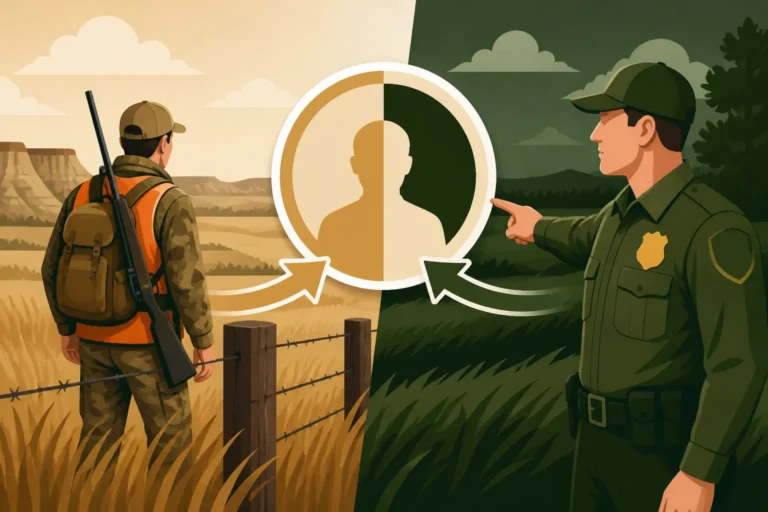
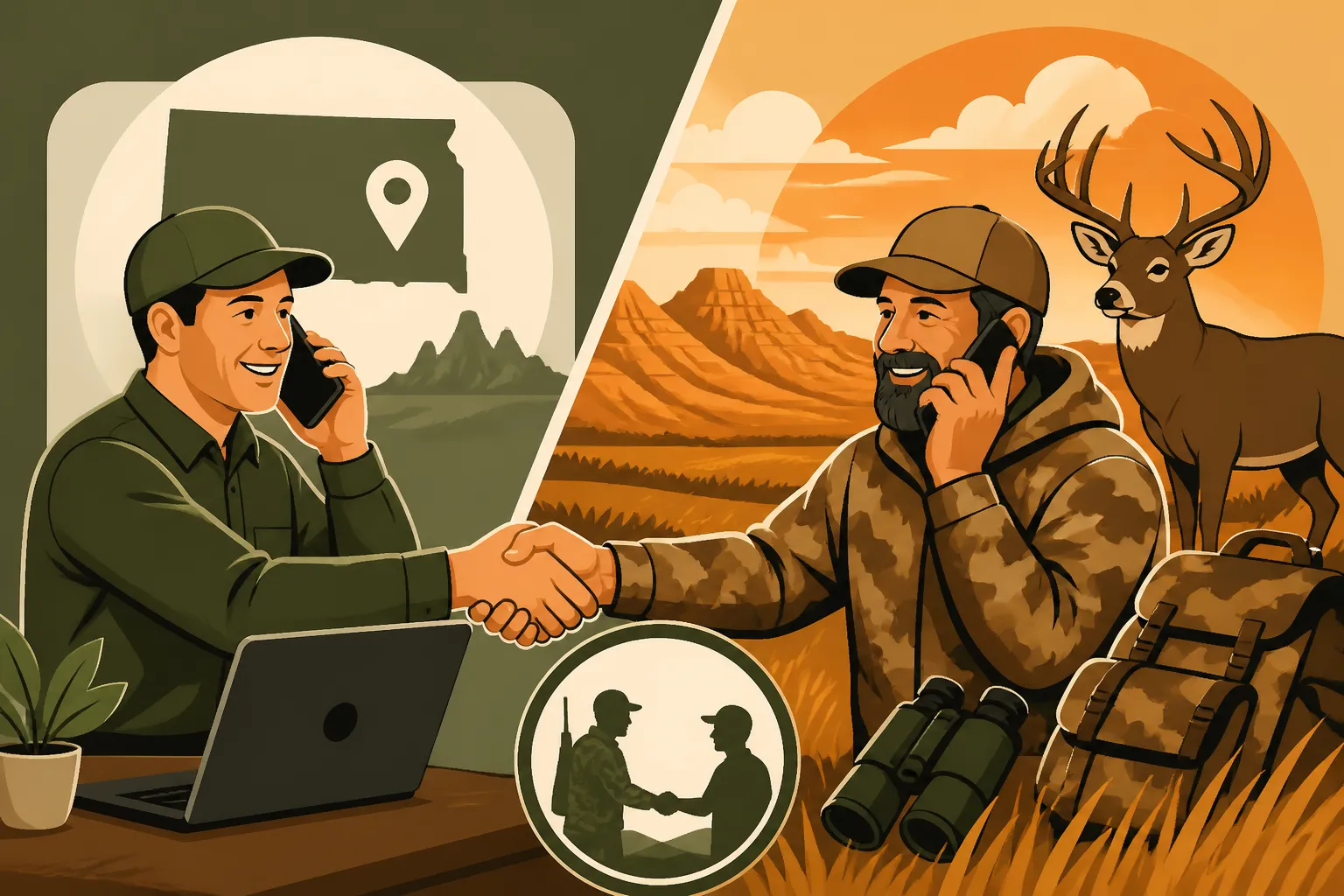
At its heart, a hunt consultant acts as a professional intermediary, much like a travel agent for the hunting world. Their primary job is to connect hunters with suitable outfitters and guides, often at no direct cost to the hunter. Instead, they typically earn a commission from the outfitter once a booking is confirmed. This model allows them to offer expert advice and access to a vast network of hunting opportunities, streamlining what can otherwise be an overwhelming research and booking process.
What Problems Do They Solve for Hunters?
Let's be honest, trying to find the perfect hunt can be incredibly frustrating. You spend hours sifting through websites, reading reviews that may or may not be current, and trying to decipher complex license requirements and draw systems. It's a huge time sink, and for many busy professionals or those new to hunting, that time simply isn't available. You might worry about picking a reputable outfitter, understanding the nuances of a particular unit, or just navigating the paperwork for an out-of-state license. A good consultant steps in to alleviate these exact pain points. They have established relationships and an understanding of the hunting landscape, letting you skip straight to vetted options.
Imagine you're trying to plan a South Dakota Pheasant Hunting Tactics for the Opener trip but have no idea which outfitters are legitimate or what parts of the state offer the best experience. A consultant can quickly narrow down the options based on your preferences, saving you countless evenings staring at a computer screen.
How Consultants Differ from Outfitters
It's crucial to understand that a hunt consultant is not an outfitter. An outfitter directly runs the hunt, providing the guides, the land access, the lodging, and the overall hunting experience. They own the dogs, the blinds, the horses, or whatever equipment is needed for the actual hunt. A consultant, on the other hand, is an information broker and a booking agent. They have a deep network of outfitters and match hunters to those services.
Think of it this way: an outfitter is the chef who prepares your meal, while a consultant is the restaurant critic who helps you choose the best restaurant for your taste and budget. They might both talk about food, but their roles are distinctly different. The consultant's objective is to represent your best interests as the hunter, guiding you to an outfitter that aligns with your specific desires and budget, rather than trying to sell you their own specific hunt package.
The Advantages of Using a Hunt Consultant
When considering a South Dakota hunt, whether it's for pheasants, deer, or antelope, the sheer volume of choices can be daunting. This is where a hunt consultant truly shines, offering several key benefits that can significantly improve your planning and overall experience.
Expertise and Insider Knowledge
One of the biggest advantages a consultant brings to the table is their unparalleled expertise. They often have years, if not decades, of experience in the hunting industry, having built relationships with numerous outfitters across various regions, including throughout South Dakota. This means they have insider knowledge about specific areas, outfitter reputations, success rates, and even the personalities of the guides.
For instance, if you're keen on chasing West River mule deer, a consultant can tell you which outfitters consistently deliver quality hunts in certain units, or they might know the nuances of applying for South Dakota Big Game Draws and How to Apply and how to best utilize South Dakota Preference Points Explained. They keep track of herd numbers, winter impacts, and even local weather patterns that can affect a hunt's outcome. They know which outfitters specialize in trophy hunts versus those focused on a high-volume experience. This depth of knowledge means you're not just booking a hunt; you're booking the right hunt for your goals.
Some consultants, like those associated with platforms like BookYourHunt or GoHunt, aggregate a tremendous amount of data and have a wide reach. They can sift through their database of trusted partners to find the perfect match, often with testimonials and detailed information that isn't readily available to the public.
Saving Time and Reducing Stress
Let's face it, your time is precious. Researching hunts, contacting multiple outfitters, comparing prices, checking availability, and understanding license requirements can easily consume dozens of hours. A hunt consultant takes on this heavy lifting. You articulate your ideal hunt – species, dates, budget, desired experience, physical capabilities – and they do the legwork.
Instead of endlessly clicking through websites and making phone calls, you receive curated options that fit your criteria. They handle the initial communications, answer your questions, and present you with clear choices. This significantly reduces the stress associated with planning a major trip, allowing you to focus on the exciting aspects of the upcoming hunt, like getting your gear ready or practicing your shooting. Imagine the relief of having someone else figure out the specific South Dakota Nonresident Licence Costs and application periods, rather than trying to navigate the state's Game, Fish and Parks website yourself.
Matching You with the Right Hunt
Perhaps the most valuable service a consultant provides is their ability to match you with an outfitter that truly aligns with your expectations. Have you ever booked a trip based on glossy brochures only to find the reality fell short? Consultants act as a quality control filter. They have a vested interest in your satisfaction, as happy clients lead to repeat business and referrals.
They're skilled at asking the right questions to understand what you truly want. Do you prefer a rustic camp or a comfortable lodge? Are you looking for an physically demanding hunt or something more relaxed? Do you want to bring your own dog, or will the outfitter's dogs suffice? They can help you sift through options and identify those outfitters with excellent track records. This personalized approach means you're less likely to end up on a hunt that isn't a good fit for your style or skill level, preventing potential disappointment down the line. They can advise you on which outfitters are best for Hunter Group Size on a South Dakota Hunt, ensuring your party has the right experience.
Potential Downsides and Considerations
While hunt consultants offer fantastic benefits, it's also important to be aware of potential drawbacks and how to mitigate them. Like any service, understanding the nuances of working with a consultant will lead to a more successful experience.
Understanding the Fee Structure
The most common misconception about hunt consultants revolves around how they get paid. Most reputable consultants operate on a commission basis, meaning the outfitter pays them a percentage of the hunt cost once you book. This is crucial because it generally means there's no additional cost to you as the hunter. The price you pay through the consultant should be the same, or occasionally even less, than if you booked directly with the outfitter.
However, always clarify this upfront. Ask explicitly how the consultant is compensated and confirm that their services won't increase your overall hunt cost. Be wary if a consultant asks for a separate fee directly from you, unless they are offering a very specialized, bespoke service that goes beyond standard booking. Some consultants might offer additional services like arranging travel or securing specific draw applications, for which they might charge a separate fee. Always get this in writing and compare it against direct booking prices. This transparency is vital, particularly when considering the Cost of a Guided South Dakota Deer Hunt or a South Dakota Guided Pheasant Hunt Costs.
Loss of Direct Communication
When you book through a consultant, they often become your primary point of contact. This can be efficient, but it also means you're not always communicating directly with the outfitter or guide who will be leading your hunt. Sometimes, details can get lost in translation or questions you have might take longer to get answered.
It's a good idea to establish early on how much direct communication you'll have with the outfitter. Will you have a chance to speak with them directly before committing? After booking, will the consultant still be the primary go-between, or will you shift to direct communication with the outfitter? This isn't necessarily a "downside" if you prefer a hands-off approach, but if you're someone who likes to build a rapport with your guide beforehand and understand every minute detail, it's a factor to consider. Make sure to have a clear understanding of Deposits and Cancellation Terms in South Dakota from both the consultant and the outfitter.
Ensuring the Right Fit with Your Consultant
Just as you vet an outfitter, it's essential to vet your consultant. Not all consultants are created equal, and their expertise might vary. Some might specialize in certain species or regions, while others are more generalists. If you're planning a specific hunt, like Black Hills Elk Hunting Tactics, you'll want a consultant with proven experience in that particular area and species.
Ask questions about their own hunting experience, how long they've been in the business, and their relationships with specific South Dakota outfitters. Request references for the consultant themselves, not just the outfitters they recommend. A good consultant will be transparent and eager to demonstrate their value. Trust your gut feeling; you want to work with someone who understands your vision and genuinely cares about your success and satisfaction. Look for consultants associated with reputable services or forums, or perhaps even those who have written extensively on hunting, as many do, like the articles you might find on GoHunt.
How to Work Effectively with a Hunt Consultant for Your South Dakota Adventure
Working with a hunt consultant can be a highly efficient way to plan your South Dakota hunting trip, but like any partnership, it requires clear communication and understanding. Here’s how to make the most of the relationship.
Clearly Define Your Hunting Goals and Expectations
Before you even reach out to a consultant, take some time to outline exactly what you're looking for. The more specific you can be, the better they can serve you. Consider these key points:
- Species: Are you set on pheasants, whitetail deer, mule deer, antelope, or maybe a combination? Knowing this helps narrow down regions and outfitters significantly.
- Dates: Do you have specific dates in mind, or are you flexible within a certain season? The South Dakota Pheasant Season and Licences run for a specific period, and big game draws have strict application deadlines. Flexibility often provides more options.
- Budget: Be realistic and upfront about your budget range. This isn't just about the hunt cost; factor in travel, licenses, gratuities, and potential trophy fees. A good consultant can work within your financial parameters.
- Experience Level: Are you a seasoned hunter looking for a challenge, or a novice seeking a guided experience with lots of support? Your experience level impacts the type of outfitter and guides that would be a good fit.
- Physical Ability: Be honest about your physical condition. Are you capable of long walks in heavy cover, or do you need a less strenuous hunt? This is especially important for hunts like Walking and Blocking South Dakota Cattail Sloughs or Hunting Elk on Steep Black Hills Ridges.
- Desired Experience: Do you want a luxurious lodge with gourmet meals, or a rustic camp experience? Is it a family trip, a buddies' trip, or a solo adventure? Think about the overall vibe.
A simple conversation about these points will give your consultant a solid foundation to start their search, ensuring they’re not wasting your time (or theirs) with unsuitable options.
Researching and Vetting a Consultant
Just as you would Checking a South Dakota Outfitter's Reputation, you should do your homework on the consultant. Don't just pick the first name you find.
- Ask for Referrals: Talk to other hunters who have used consultants. Personal recommendations are invaluable.
- Interview Multiple Consultants: Don't hesitate to speak with two or three different consultants. Compare their communication styles, their knowledge, and how well they listen to your needs.
- Check their Experience: Inquire about their background, how long they've been in the business, and any specialties they might have. Do they focus on certain species or regions?
- Ask About Their Network: How many outfitters do they work with? How do they vet their outfitters? A strong network indicates broad access to options.
- Clarify Communication: Understand their preferred method of communication and how frequently you can expect updates.
- Review Their Contract: A professional consultant will have a clear agreement outlining their services and responsibilities. This protects both parties.
One of the most important aspects is to ask the Questions to Ask a South Dakota Outfitter through your consultant, to see how they handle the information gathering. You also want to verify they are being transparent when it comes to Reading Outfitter Success Claims. Remember, you can also ask the consultant for Getting References From Past Clients who have used their services.
Navigating the Booking Process
Once you've chosen a consultant and they've presented you with a few strong options, the booking process should be straightforward.
- Review Outfitter Details: Carefully examine all the information your consultant provides about the recommended outfitters. This should include detailed itineraries, inclusions/exclusions, pricing, and any outfitter-specific rules.
- Ask All Your Questions: Now is the time to pepper your consultant with any remaining questions. They are your advocate and should be able to get answers quickly from the outfitter. This could be anything from "What is the daily schedule like?" to "What type of terrain will we be hunting?" or "What kind of South Dakota lodge can I expect?"
- Understand the Contract: When you're ready to book, the outfitter's contract will typically come through the consultant. Read it thoroughly. Pay close attention to payment schedules, cancellation policies, and what happens in unforeseen circumstances.
- Deposit and Payment: The consultant will guide you through making the necessary deposits and payments. Ensure you understand who you are paying (the outfitter directly or through the consultant's secure system) and what payment methods are accepted.
- Pre-Hunt Communication: After booking, stay in touch. The consultant should provide you with any necessary updates, gear lists, travel information, and reminders about licenses or required documentation. They often act as a crucial go-between, ensuring both you and the outfitter are prepared for the hunt.
By following these steps, you can leverage the expertise of a hunt consultant to eliminate much of the stress and uncertainty from booking your next South Dakota hunting adventure, allowing you to focus on the excitement of the hunt itself.
Disclaimer
This article is for general informational purposes only and does not constitute professional advice. Laws, prices and regulations vary by location and change over time. Consult a qualified professional for guidance on your specific situation.