Who Is Responsible for a Trespass Violation
There's a knot in every hunter's stomach when they head afield, especially in a state like South Dakota where so much land is private, and that knot tightens when you start to worry about boundaries. The last thing any of us wants is to accidentally wander onto someone else's property, or worse, be accused of doing so. This guide is here to untangle the complexities of trespass laws in South Dakota, shedding light on who exactly bears the weight of responsibility when a violation occurs, whether you're hunting solo or with a guide.
Understanding Trespass in South Dakota Hunting
Trespassing, at its core, is being on private land without the express permission of the landowner. In South Dakota, this isn't just a polite suggestion; it's a serious matter with legal ramifications. The prairie can be vast and often poorly marked, making it easy to inadvertently cross a boundary if you're not paying close attention. It's not enough to assume; you must know.
Defining Private Versus Public Land Boundaries
The vast majority of South Dakota's prime hunting ground is privately owned. While we're blessed with extensive public access programs like Walk-In Areas and Game Production Areas, these are often interspersed with private tracts. A landowner has the right to control who steps foot on their property. This means you need explicit permission to hunt, retrieve game, or even simply cross their land. The burden is always on you, the hunter, to know whose land you're on. This isn't just about avoiding a ticket; it's about respecting property rights and maintaining good relationships between hunters and landowners, which are absolutely vital for the future of hunting here. It’s the kind of detail that can make or break a trip, and frankly, it often causes more stress than finding the birds or bucks themselves. Services like GoHunt can often provide detailed land ownership maps, which are indispensable for pre-hunt scouting and in-field navigation.
The Role of Posted Land and Verbal Permission
In South Dakota, land doesn't have to be posted to be considered private. If it's private, it's private. However, posted signs, often bright yellow or orange, serve as a clear warning. These signs usually indicate "No Hunting," "No Trespassing," or "Permission Required." Even without signs, a fence line, a change in crop, or even a subtle shift in terrain can signify a property boundary. Verbal permission from a landowner is legally binding, but it's always best to get it in writing if possible, especially for multi-day hunts or if you're dealing with multiple landowners. A simple text message or email can often suffice if a formal written agreement isn't practical. This written record can save a lot of headaches if there's ever a misunderstanding or if you encounter someone else claiming to represent the landowner. Always remember, the person giving you permission must be the legal landowner or their authorized agent. Getting permission from a neighbor or someone who just "hunts here all the time" isn't good enough. You can learn more about securing that permission in South Dakota Landowner Permission Basics.
Road Hunting and Retrieving Wounded Game
South Dakota has specific rules regarding hunting from roads and road rights-of-way. Generally, it's illegal to hunt, shoot, or attempt to kill game from the right-of-way of a public highway, paved, or gravel road. There are nuances, especially concerning township roads, but the safest rule of thumb is to be off the road and on legally accessible land before discharging a firearm. This gets complicated when a bird flushes from the ditch or a deer crosses the road. Your best bet is to be well clear of the road's edge, within private land where you have permission or on public land.
Retrieving wounded game is another common scenario that can lead to trespass. If you wound an animal that runs onto private land where you do not have permission, you do not have an automatic right to pursue it. You must make every reasonable effort to contact the landowner and obtain permission before entering their property. This can be incredibly frustrating, especially when you know an animal is just over the fence. The ethical hunter wants to recover their game, but the law is clear: permission comes first. If you absolutely cannot reach the landowner, you might need to contact a Game, Fish and Parks (GFP) conservation officer for assistance, but even they cannot grant you permission to trespass; they can, however, sometimes help mediate with the landowner.
The Hunter's Immutable Responsibility
Let's be blunt: when you're the one carrying the firearm or bow, the ultimate responsibility for knowing where you are and having legal access rests squarely on your shoulders. It doesn't matter if your buddy told you it was okay, or if a guide led you there. You are accountable for your actions in the field.
The Importance of Personal Verification and Due Diligence
Every hunter, regardless of experience level, needs to practice extreme due diligence. This means more than just a quick glance at a paper map or a vague verbal instruction. It means actively verifying boundaries. Before you even step into the field, you should be studying maps, looking at aerial imagery, and understanding the lay of the land. This is particularly crucial when Hunting South Dakota Walk-In Areas, as these can be fragmented and bordered by private ground.
Imagine a scenario: You're hunting pheasants with friends, and someone points to a tempting cattail slough across a fence line, saying, "Oh, that's part of the public access, I think." A responsible hunter would immediately pull out their mapping app, confirm the boundary, and, if unsure, refrain from crossing until absolute certainty is established. That moment of hesitation can save you a world of trouble.
Utilizing Modern Mapping Tools Effectively
In this digital age, there's really no excuse for not knowing where you stand. Apps like onX Hunt, HuntStand, or the official South Dakota GFP Public Hunting Atlas are absolute game-changers. These tools overlay property lines, public land designations, and even Walk-In Area boundaries directly onto satellite imagery on your smartphone. They can pinpoint your exact location with GPS, making it incredibly difficult to accidentally trespass.
However, these tools are only as good as the user. Don't rely solely on cell service, as it can be spotty in vast areas of West River country. Download your maps for offline use before you leave home. Regularly check for updates, as land ownership and public access programs can change. It’s also wise to check the official GFP atlas for the most current information, as changes often happen between app updates. Understanding onX Layers for South Dakota Land Status can dramatically improve your ability to navigate complex land ownership.
Potential Consequences for the Individual Hunter
The penalties for hunting trespass in South Dakota can range from a warning to significant fines, confiscation of game, and even the suspension of your hunting privileges. It's a misdemeanor offense, but the impact can be long-lasting. Beyond the legal penalties, there's the reputational damage. Hunters who trespass give all hunters a bad name, straining relationships with landowners who might otherwise be open to granting permission. This damages the broader hunting community and can lead to less access for everyone down the line.
Consider a table summarizing these responsibilities:
| Aspect | Hunter's Responsibility |
|---|---|
| Land Ownership Knowledge | Must verify property boundaries and land status (public vs. private) before and during the hunt, using maps and GPS. Ignorance of boundaries is not a valid excuse. |
| Permission | Obtain explicit permission from the legal landowner for any entry onto private property. Verbal permission is acceptable, but written is highly recommended for clarity and proof. |
| Road Hunting | Understand and adhere to laws regarding hunting from roads and rights-of-way. Always be on legally accessible land before shooting. |
| Wounded Game Retrieval | Immediately cease pursuit if wounded game enters private land without permission. Contact the landowner for permission before entering. If permission is denied or unobtainable, contact GFP. |
| Guide/Outfitter Reliance | While a guide should provide legal access, the hunter still bears ultimate personal responsibility to confirm and adhere to boundaries. Do not blindly follow a guide if you have doubts about land status. |
| Ethical Conduct | Respect private property, even if unposted. Leave no trace. Report any suspected violations (including your own accidental trespass) to the landowner or authorities. |
Responsibilities of Outfitters and Guides
Many hunters, especially non-residents, choose to hire an outfitter or guide in South Dakota, particularly for species like pheasants, deer, or antelope. This decision is often made precisely to avoid the headaches of securing private land access and navigating unfamiliar terrain. While a guide offers convenience and expertise, their involvement adds another layer to the question of trespass responsibility.
Outfitter's Duty to Secure Legal Hunting Access
A professional outfitter or guide has a primary, overarching responsibility to ensure that all hunting activities conducted by their clients occur on land where they have legal and explicit permission to hunt. This is a fundamental expectation when you pay for a guided experience. They are expected to have agreements, leases, or direct ownership of the land they operate on. A reputable outfitter will be able to clearly articulate their land access arrangements, often boasting about the exclusive access they provide. If you're looking at booking a hunt, using services like BookYourHunt can help you find outfitters with established reputations and clear terms regarding land access. They should also detail What a South Dakota Contract Should Say so there are no surprises.
This responsibility extends beyond simply having permission. It includes knowing the exact boundaries of that permission, understanding any specific landowner requests (like avoiding certain fields or livestock), and ensuring that all gates are closed and property is respected. Any misrepresentation of access by an outfitter could lead to significant legal trouble for them, separate from any action taken against the hunter.
Briefing Clients on Boundaries and Rules
A good guide doesn't just lead you into the field; they educate you. Before the hunt begins, a thorough briefing should cover the day's plan, safety protocols, and, critically, the boundaries of the hunting area. This means pointing out landmarks, fence lines, and any "off-limits" areas. They should explain how to identify private land that isn't part of their operation and what to do if a bird or animal strays onto it. This is not just a courtesy; it's part of their professional duty to protect both their clients and themselves from legal issues.
For instance, on a pheasant drive, the guide should clearly instruct blockers where to stand and where the drivers will push, making sure no one crosses into an adjacent field without permission. If a rooster sails over a known private boundary, the guide should instruct the hunter not to pursue. This pre-hunt communication is vital for a smooth and legal hunt.
Liability and Reputational Damage for Outfitters
If an outfitter or guide knowingly leads clients onto land without permission, or is negligent in ensuring legal access, they face serious consequences. These can include:
- Criminal charges: As an accomplice to trespass, or even direct trespass themselves.
- Civil lawsuits: From landowners for damages.
- Loss of licensing: South Dakota Game, Fish and Parks can revoke an outfitter's license, effectively ending their business.
- Reputational damage: In the hunting community, a reputation for ethical breaches, especially trespass, can be impossible to recover from. Word travels fast, and platforms like BookYourHunt thrive on reviews and transparency, making it difficult for unethical operators to hide.
While the hunter still holds personal responsibility, the outfitter's role is significant. In many cases of guided trespass, both the guide and the hunter could face charges, but the outfitter's professional obligations add an extra layer of culpability.
Preventing and Addressing Trespass Incidents
No one wants to be involved in a trespass incident. The best offense is a good defense – proactive measures to ensure you’re always on the right side of the law and etiquette. But mistakes happen, or misunderstandings occur. Knowing how to react is just as important as knowing how to prevent.
Proactive Measures for Every Hunter
Whether you’re embarking on a DIY adventure or a fully guided experience, there are steps you can take to minimize the risk of trespass:
- Map out your hunt: Before you ever leave your truck, know your boundaries. Use a reliable GPS device or a smartphone app with downloaded maps. Study Reading Aerial Imagery for Cattail Cover to understand cover types and how they relate to property lines.
- Communicate clearly: If you have permission from a landowner, confirm the exact boundaries of their property. Ask if there are any specific fields, pastures, or areas to avoid. If hunting with a group, ensure everyone understands the permissible hunting areas.
- Scout your surroundings: As you hunt, pay attention to fence lines, changes in vegetation, or natural landmarks that might indicate a boundary. Don't assume that because one side of a road is public, the other is too.
- Know the law: Familiarize yourself with South Dakota's specific trespass laws and road hunting regulations. The official GFP hunting handbook is an excellent resource.
- When in doubt, back out: If you're genuinely unsure whether you have permission for a particular piece of ground, do not enter. It's always better to err on the side of caution than risk a violation. This applies whether you're stalking a Mule Deer on the West River Breaks or Pushing a Cattail Slough With Blockers.
What to Do if You Accidentally Trespass
Despite your best efforts, sometimes things happen. You might accidentally cross a fence line you didn't see, or a landowner might approach you, claiming you're on their property. How you handle these situations can make a huge difference:
- Stay calm and be polite: Confrontation rarely helps. If a landowner approaches you, remain respectful, apologize for any misunderstanding, and calmly explain your intentions.
- Verify your location: Immediately check your mapping device to confirm your exact position relative to property lines. This objective data can often clarify the situation quickly.
- Immediately remove yourself: If you confirm you are trespassing, or if the landowner insists you are, politely gather your gear and immediately exit their property. Do not argue or prolong the encounter.
- Do not conceal or remove game: If you have harvested game while unknowingly trespassing, do not attempt to hide it or take it with you without permission. This could escalate the situation and lead to more serious charges.
- Contact authorities if necessary: If the situation becomes hostile or if you are unsure of the correct legal protocol, contact local law enforcement or a GFP conservation officer.
Reporting Suspected Trespass Violations
If you witness someone else trespassing, you have a responsibility as an ethical hunter to report it. Poaching and trespass harm wildlife populations, damage landowner relations, and undermine the integrity of hunting.
- Gather information: Note down as much detail as possible: vehicle descriptions (make, model, color, license plate), descriptions of the individuals, location of the incident, and what specific activity they were engaged in. Photos or videos (taken safely and legally) can be invaluable.
- Do not confront directly: Unless you feel it is safe and appropriate, it's generally best not to confront suspected trespassers yourself. People can react unpredictably, and your safety is paramount.
- Contact GFP: The South Dakota Game, Fish and Parks Department has a dedicated tip line for reporting violations. You can usually find this number on their website or in the annual hunting regulations handbook. Provide all the details you've collected. This is crucial for protecting the resource and ensuring everyone follows the rules. You can find more information on Reporting Poaching in South Dakota.
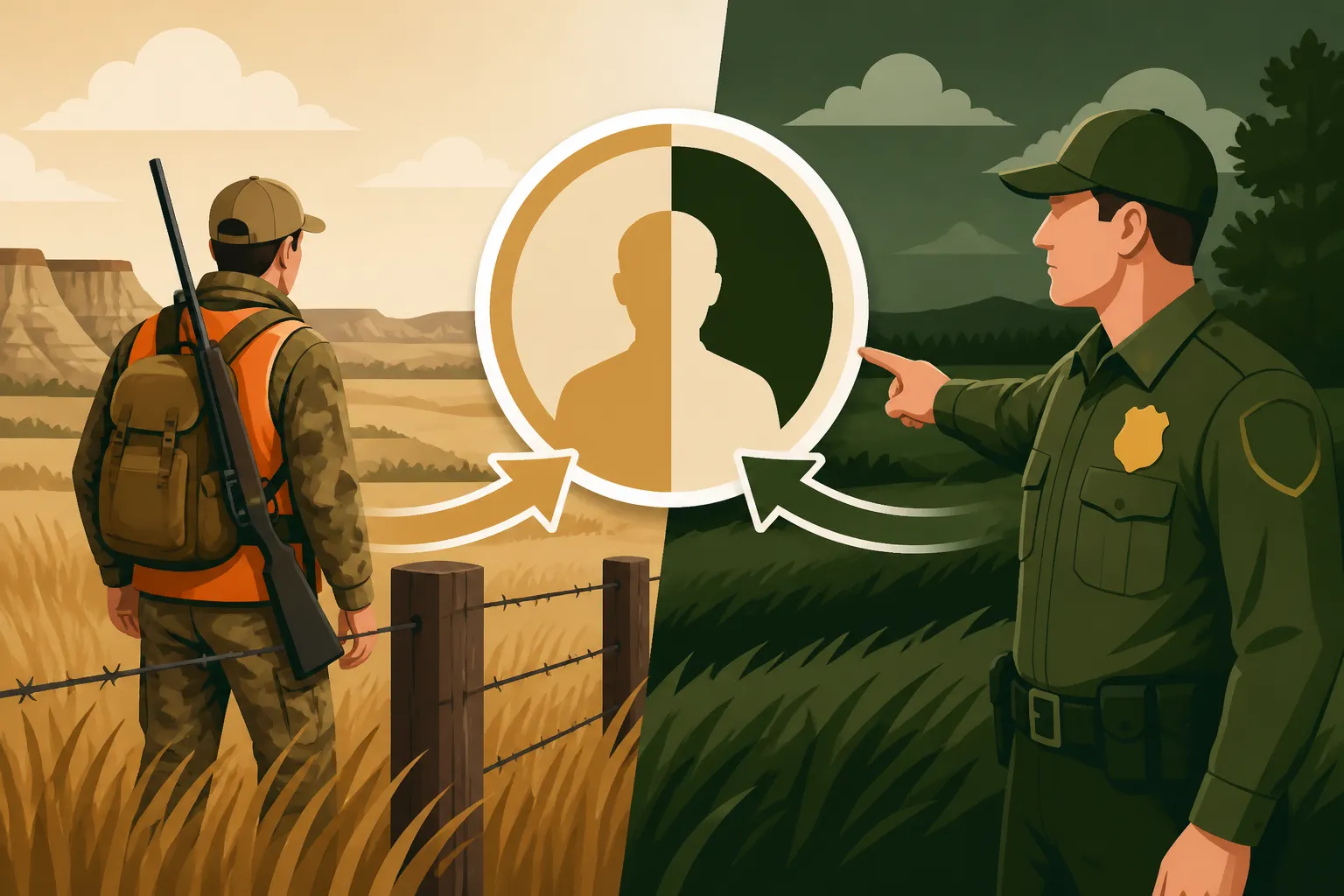
In conclusion, while an outfitter bears a significant responsibility to ensure legal access, the individual hunter holds the ultimate burden of knowing where they are hunting. Always do your due diligence, communicate clearly, and respect private property. It’s how we ensure the future of hunting in our beloved South Dakota.
Disclaimer
This article is for general informational purposes only and does not constitute professional advice. Laws, prices and regulations vary by location and change over time. Consult a qualified professional for guidance on your specific situation.