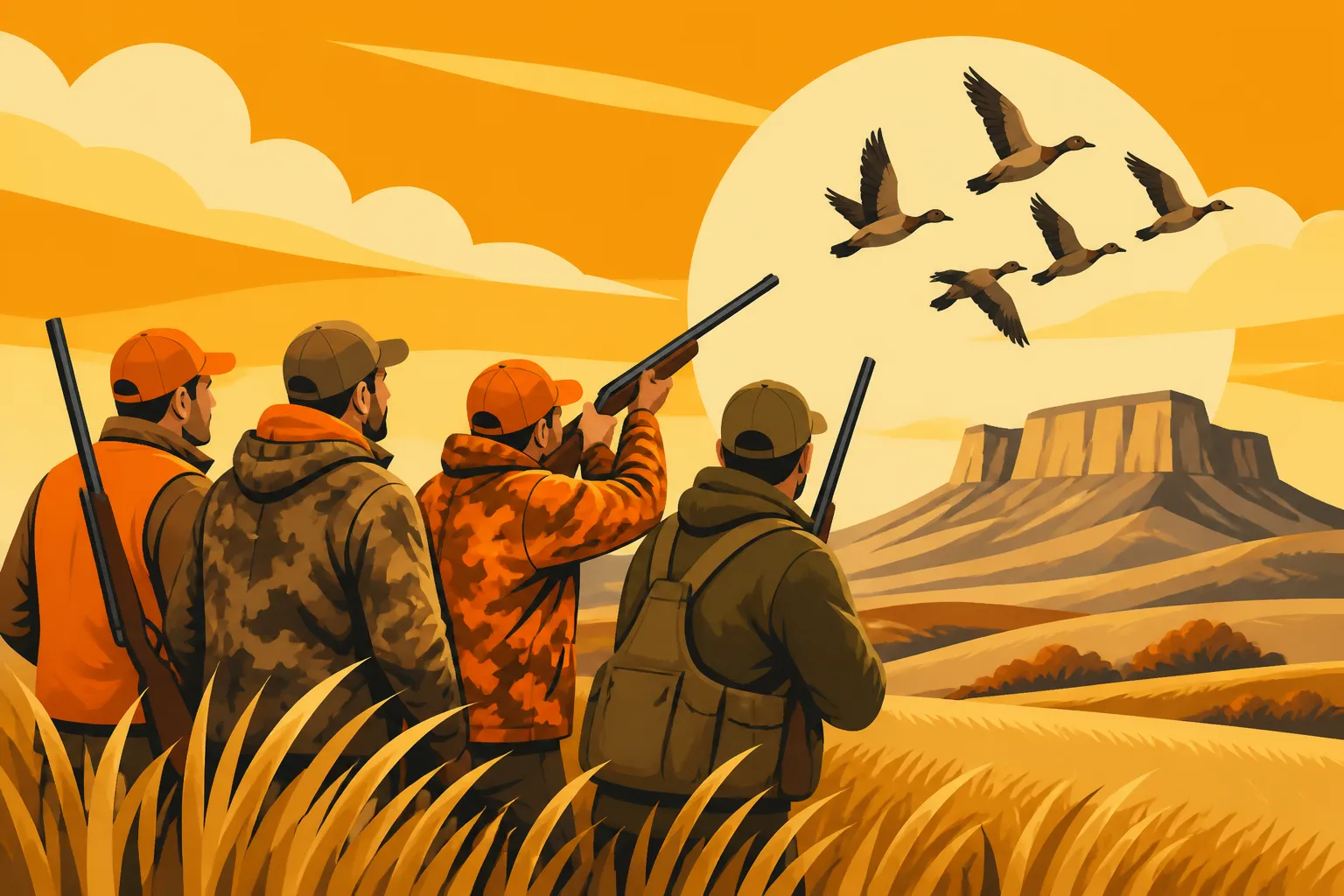
Corporate and Group Bird Hunts
Organizing a group bird hunt, especially for a corporate retreat or a large family gathering, can feel like herding cats in a cornfield. You're trying to coordinate schedules, manage expectations, figure out licenses, and ensure everyone—from the seasoned wing-shooter to the curious newcomer—has an incredible experience. It's a lot to juggle, and the last thing you want is a logistical nightmare overshadowing the camaraderie. This comprehensive guide is here to walk you through everything you need to know about planning and executing a successful corporate or group bird hunt in South Dakota, making it an unforgettable adventure for everyone involved.
Why South Dakota Excels for Corporate and Group Bird Hunts
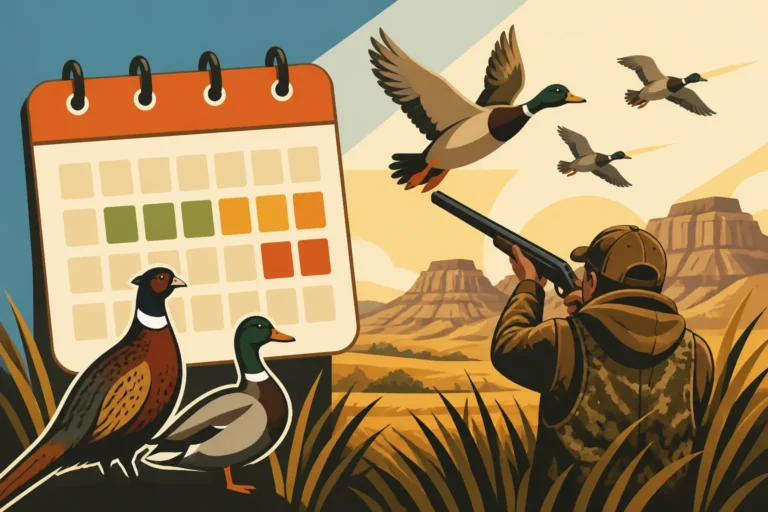
South Dakota isn't just a place for pheasant hunting; it's the place, often rightfully called the "Pheasant Capital of the World." This isn't just a marketing slogan; it's a testament to the state's incredible pheasant populations and the robust hunting culture that supports them. For corporate groups or large gatherings, this means a consistent, high-quality experience that's tough to beat anywhere else.
Abundant Pheasant Populations and Diverse Opportunities
The sheer number of wild pheasants in South Dakota provides a unique advantage for group hunts. Unlike areas where you might struggle to find birds for a handful of hunters, South Dakota's expansive grasslands, cattail sloughs, and agricultural fields often hold enough birds to provide action for a much larger party. This abundance ensures that every member of your group, regardless of their shooting prowess, has ample opportunity to participate and connect with the experience. Imagine a long line of hunters, flanked by eager dogs, pushing through a CRP field, with roosters flushing out front—it's an exhilarating sight that truly fosters team spirit. You might also encounter other upland species like sharp-tailed grouse or Hungarian partridge, adding variety to the hunt.
Established Infrastructure for Large Groups
Another significant benefit of choosing South Dakota is the highly developed infrastructure geared towards hunting groups. This isn't a state where you're trying to piece together accommodations and guides from scratch. Many lodges and outfitters have been operating for decades, specializing in hosting parties ranging from small family units to large corporate retreats with dozens of participants. They understand the unique demands of these groups, offering everything from multiple guides and dog teams to spacious common areas, meeting rooms, and gourmet meal services. This established network takes much of the planning burden off your shoulders, allowing you to focus on the experience itself rather than the intricate details of logistics. Whether your group is twenty people or five, you'll find options that are perfectly set up to handle your needs.
Key Considerations When Planning a Group Hunt
Planning a group hunt, especially for a corporate event, involves much more than just picking a date. It requires careful thought about the dynamics of your group, the logistics of getting everyone there, and ensuring all legal requirements are met. Overlooking these details can quickly turn an exciting prospect into a frustrating ordeal.
Setting Group Expectations and Skill Levels
One of the biggest challenges with group hunts is managing diverse skill levels and expectations. You might have seasoned hunters who live for challenging shots and high bird counts, alongside novices who are just excited to be outdoors with a shotgun for the first time. It's crucial to address this upfront. Discuss with your outfitter how they accommodate mixed groups. Many experienced lodges will tailor drives to different skill levels, assign guides with a knack for teaching, or even offer clay shooting warm-ups to get everyone comfortable. Emphasize safety for all participants, making sure everyone understands gun handling rules and field etiquette. Setting clear, realistic expectations about bag limits, shooting opportunities, and the overall pace of the hunt will prevent disappointment and ensure that every individual feels included and enjoys the experience. Remember, the goal is shared enjoyment and camaraderie, not just individual bird counts.
Logistics and Scheduling for Multiple Hunters
Coordinating travel, accommodation, and the hunting schedule for a large group is a monumental task. You're not just booking one flight or one room; you're often juggling dozens. Start planning well in advance, especially if you're aiming for popular times like the pheasant opener. Many top lodges book out a year or more in advance for prime dates. Consider using online tools or a dedicated travel coordinator if your group is particularly large. Platforms like BookYourHunt can be incredibly helpful for researching and comparing various outfitter packages that cater to group sizes, making the initial search much less daunting. Booking a South Dakota Pheasant Hunt is a great place to start your research. Ensure everyone has clear instructions on arrival times, what to pack, and any pre-hunt preparations. Having a single point of contact within your group to liaise with the outfitter can streamline communication significantly.
Legal Requirements and Licence Acquisition for Your Team
Navigating hunting licenses for a group, especially if many are non-residents, can be complex. South Dakota has specific requirements for small game licenses, including a Habitat Stamp, and non-residents often have options for different hunting periods. It’s essential to clarify these well before your trip. Most outfitters will assist with this process, often providing links or even handling the application for your group, but it's ultimately the hunter's responsibility to possess a valid license. For many non-residents, understanding South Dakota Nonresident Licence Costs and the process for obtaining them is a critical first step. Also, remember that South Dakota Hunter Education and Licensing requirements apply, so any new hunters in your group will need to ensure they meet those criteria. Make a checklist for each participant to ensure no one arrives without the proper documentation.
Choosing the Right Outfitter or Lodge for Your Corporate Group
Selecting the perfect outfitter or lodge is paramount for the success of any group hunt, but it's even more critical for corporate or large family gatherings. You're entrusting them with more than just a hunting experience; you're banking on them to deliver a seamless, memorable, and safe event for everyone.
Evaluating Experience with Large Bookings
When you're comparing outfitters, don't just ask if they can accommodate large groups; ask how often they do. A lodge that regularly hosts corporate retreats will have established protocols for managing multiple hunting parties simultaneously, ensuring proper guide-to-hunter ratios, enough well-trained dogs, and effective field rotation to keep the action consistent throughout your stay. Ask about their maximum group size, how many guides they employ, and what their typical daily schedule looks like for a big party. A detailed conversation about these points is crucial. For instance, do they assign a lead guide specifically for your group, or will you be working with different guides each day? What happens if someone in the group needs special assistance or has limited mobility? These are the kinds of questions that separate the seasoned group specialists from those less equipped for the task. Checking a South Dakota Outfitter's Reputation through testimonials or independent reviews can also give you valuable insights.
Amenities and Services that Cater to Groups
Beyond the actual hunting, the amenities and services offered by a lodge play a huge role in the overall group experience. For a corporate group, this might mean a dedicated meeting space for presentations or team-building exercises, reliable Wi-Fi, and comfortable common areas for informal networking. For any large group, spacious lodging arrangements are key—whether that's individual rooms, cabins, or large bunkhouse-style accommodations that foster camaraderie. Look for lodges that offer comprehensive meal plans, often featuring hearty breakfasts, field lunches, and delicious dinners that cater to diverse dietary needs. Services like bird cleaning, processing, and packaging are usually standard, but clarify if they offer vacuum sealing or freezing services for your birds. Some lodges might even offer additional activities such as sporting clays, trap shooting, or even guided fishing trips for non-hunting guests or downtime. South Dakota Lodge Accommodation and Meals details what you can expect from these establishments.
Understanding Pricing Structures and Inclusions
Pricing for group hunts can vary widely, and it’s critical to understand what's included in the package and what might incur additional costs. Most group packages are all-inclusive, covering lodging, meals, guides, dogs, and field transportation. However, some might price things à la carte or have tiered options. Always confirm what isn't included, such as hunting licenses, shotgun shells, alcoholic beverages, gratuities for guides and staff, or special game processing requests. Some lodges might offer a discount for larger groups or during off-peak dates. Be sure to get a detailed quote in writing, outlining all inclusions and exclusions. When comparing options, look at What a South Dakota Guided Pheasant Hunt Costs as a benchmark. Don't forget to factor in the importance of tipping. Understanding Tipping Guides and Dog Handlers in South Dakota is essential for a smooth and respectful experience. Platforms like GoHunt can be useful resources for general research on hunting trip planning and finding reputable outfitters, even if they don't directly handle bookings.
| Aspect of Group Hunt Planning | Key Considerations for Success | Potential Challenges for Groups |
|---|---|---|
| Group Dynamics | Clear expectations, safety brief, skill level accommodation | Mixed skill levels, varying expectations, personality clashes |
| Logistics | Advanced booking, central coordinator, clear itineraries | Coordinating travel for many, securing licenses, last-minute changes |
| Outfitter Selection | Experience with large groups, comprehensive amenities, transparent pricing | Overbooked lodges, hidden costs, inadequate facilities |
| On-Site Experience | Adequate guides/dogs, tailored drives, good food, non-hunting activities | Insufficient bird numbers, poor weather, lack of downtime options |
| Post-Hunt | Bird cleaning/packaging, safe transport of game, gratuities | Improper game handling, travel restrictions on game, forgotten tips |
Maximizing the Experience Beyond the Field
While the thrill of the hunt is undoubtedly the main draw, a corporate or group bird hunt offers a unique opportunity for connection and growth outside of chasing roosters. Thinking beyond the field can transform a great hunting trip into an extraordinary team-building retreat or a deeply bonding experience for friends and family.
Building Team Cohesion and Networking Opportunities
A shared experience in the great outdoors, especially one as engaging as a pheasant hunt, is a powerful tool for building team cohesion and fostering networking. Away from the usual office hierarchy or daily routines, participants can connect on a more personal level. Picture colleagues sharing stories around a fire pit after a long day in the field, or clients and hosts laughing over a missed shot during a clay pigeon warm-up. These informal interactions are invaluable for strengthening relationships, improving communication, and building trust within a team or between business partners. Many lodges have comfortable common areas perfect for evening gatherings, card games, or just relaxing and swapping stories. Consider incorporating structured team-building exercises during downtime, but also allow plenty of free time for organic connections to form.
Incorporating Additional Activities or Meetings
Don't feel pressured to hunt from dawn till dusk every single day. Incorporating alternative activities or dedicated meeting times can significantly enhance the value of your group trip. For corporate groups, scheduling morning meetings or workshops before heading out for an afternoon hunt can create a balanced itinerary. Many lodges offer facilities for presentations or discussions. For groups simply looking for fun, consider adding a morning of sporting clays, which is a fantastic way for everyone to practice their shooting in a relaxed environment and bond without the pressure of live birds. Some areas might offer opportunities for fly fishing, hiking, or even exploring local attractions. Discuss these possibilities with your chosen outfitter during the planning phase. They often have partnerships or suggestions for local activities that can complement your hunting schedule. A well-rounded itinerary ensures everyone, including those who might not be as passionate about hunting, finds something to enjoy.
Planning for Souvenirs, Awards, and Departures
The final touches can make a lasting impression. Think about how your group will handle their harvest and how you can commemorate the trip. Discuss Bird Cleaning and Packaging Services with your outfitter to understand how your birds will be processed and prepared for travel. It’s also wise to understand Getting Birds Home From South Dakota rules and regulations if participants are flying or driving long distances. Some groups like to arrange for group photos with their day's bag or even a friendly competition with small awards for categories like "Most Spirited Hunter" or "Best Shot of the Day" during a clay shoot. If you have a particularly memorable bird or want a trophy, consider local taxidermy services; many lodges can connect you with reputable options. A small, personalized souvenir, like a branded vest or a framed group photo, can serve as a wonderful reminder of the shared adventure and the connections made. These details elevate the experience from just a hunt to a truly memorable event that your group will talk about for years to come.
Disclaimer
This article is for general informational purposes only and does not constitute professional advice. Laws, prices and regulations vary by location and change over time. Consult a qualified professional for guidance on your specific situation.