South Dakota Pheasant Season and Licences
Planning a pheasant hunting trip to South Dakota can feel like navigating a maze, especially when you're trying to figure out the exact season dates, what licenses you need, and all the little regulations that keep you legal and safe. It's easy to get overwhelmed by all the different permit types, habitat stamps, and the unique nonresident rules. This comprehensive guide is here to untangle all that complexity, giving you a clear roadmap to understanding South Dakota's pheasant season structure and the licenses required to chase those legendary roosters.
Understanding the South Dakota Pheasant Hunting Landscape
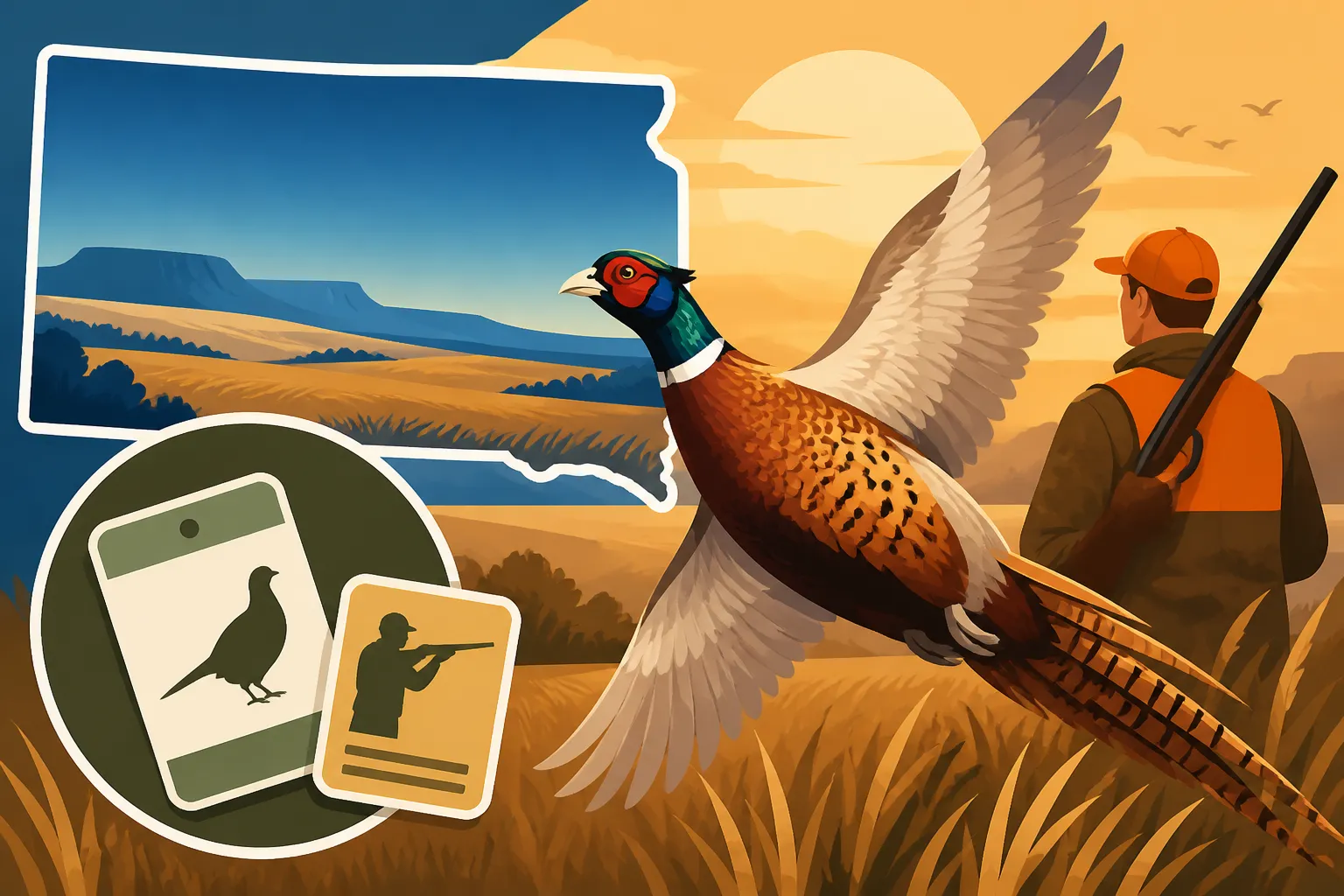
South Dakota isn't just known for pheasants; it is the pheasant capital of the world, and that reputation is well-earned. When you think of wild pheasants bursting from cover, chances are you're picturing a scene right here on the prairie. But what makes this state such a haven for these vibrant birds, and why does it continue to draw hunters from across the globe?
Why South Dakota is the Pheasant Capital
It's not just hype, folks. The rich agricultural landscape of South Dakota, particularly in the eastern and central regions, provides an absolutely ideal habitat for ring-necked pheasants. We're talking about a mosaic of corn and soybean fields, interspersed with crucial winter cover like cattail sloughs and dense shelterbelts. This diverse environment offers everything a pheasant needs: abundant food sources, safe nesting grounds, and protection from predators and harsh winter weather. The climate, with its cold, snowy winters and warm, often wet springs, plays a role too, shaping a hardy bird population. While other states have pheasants, the sheer density and robust wild bird populations here are unparalleled, making it a bucket-list destination for many upland hunters. When you're out there, you quickly understand Why South Dakota Is the Pheasant Capital – it's truly a special place.
The Allure of Wild Birds in the Rushmore State
There's a distinct thrill that comes from hunting truly wild birds, and South Dakota offers that in spades. Unlike many other states where pheasant hunting relies heavily on pen-raised birds, South Dakota's program emphasizes natural reproduction and habitat management. When a rooster explodes from a CRP field or a thick plum patch, it’s a genuine challenge, a test of your dog's nose and your shooting skills. These aren't birds released just hours before; these are savvy, sharp-witted pheasants that have survived the elements and outsmarted predators. The satisfaction of a successful hunt in South Dakota comes from knowing you've earned that bird in an authentic wild setting. It's a connection to the land and the animal that simply can't be replicated on a preserve.
Navigating South Dakota Pheasant Season Dates
Getting the season dates right is paramount to a successful hunt. South Dakota's pheasant season is carefully structured to balance hunter opportunity with wildlife management, ensuring the long-term health of the pheasant population. You'll find specific dates for the general season, but also special periods carved out for residents and youth hunters.
The General Season Opener and End Dates
The main event, the general pheasant season, typically kicks off on the third Saturday of October. This opener is legendary, drawing thousands of hunters to the prairie, creating a vibrant atmosphere that's almost as exciting as the hunt itself. The exact date can shift slightly year to year based on the calendar, but it’s always that third Saturday. From that thrilling start, the season usually runs through the first Sunday in January. That gives you a long window of opportunity, from the crisp, often mild days of October and November, right into the colder, snowier conditions of December and early January. Understanding When South Dakota Points Switch to Bonus for big game draws won't help you here, but knowing the pheasant opener is crucial for planning.
Special Resident-Only and Youth Pheasant Seasons
South Dakota also offers special early seasons that cater to specific groups, fostering local participation and introducing new hunters to the sport. There's a "Resident-Only" pheasant season that opens a week prior to the general opener, also on a Saturday. This provides residents with an exclusive opportunity to hit the fields before the rush of nonresident hunters arrives. It's a nod to the folks who call South Dakota home and are vital stewards of its wildlife.
Additionally, a "Youth Pheasant Season" typically runs for a few days immediately preceding the resident-only season. This is a fantastic initiative, offering young hunters (usually ages 10-17) a chance to experience pheasant hunting in a less crowded environment, often with mentors. It's a critical program for passing on hunting traditions and teaching safe, ethical practices to the next generation. These special seasons are a great way to spread out hunting pressure and provide unique experiences for different hunter demographics.
Deciphering Daily Shooting Hours
One unique aspect of South Dakota pheasant hunting that often surprises first-time visitors is the daily shooting hours. For the entire pheasant season, hunting doesn't begin until 10:00 a.m. Central Time. This isn't an arbitrary rule; it's a carefully considered management strategy. The primary reason Why Pheasant Hunting Starts at Ten is to allow pheasants to leave their roosts naturally, feed, and move into cover before hunters arrive. This reduces pressure on roosting areas and disperses birds, making for a more natural hunt and preventing birds from being constantly harassed right at daybreak. It also allows time for the morning dew to burn off, making walking easier and giving dogs a better scenting advantage. Hunters quickly adjust to this rhythm, often using the mornings for a hearty breakfast, dog stretching, or scouting new areas. The season closes at sunset each day, ensuring birds have undisturbed access to their evening roosts.
Essential South Dakota Pheasant Licenses for Residents
If you're lucky enough to call South Dakota home, getting your pheasant license is a straightforward process. However, it's not just one piece of paper; there are a couple of components you'll need to make sure you're legally ready to hit the fields.
The Basic Resident Small Game License
For residents, the foundation of your pheasant hunting privileges is the Resident Small Game License. This license covers all small game species, including pheasants, grouse, partridge, and rabbits, allowing you to pursue a variety of upland birds and small game animals throughout their respective seasons. It's an annual license, typically valid from January 1st to December 31st. Getting this license is generally inexpensive and can be purchased online through the South Dakota Game, Fish and Parks (GFP) website, at GFP offices, or from authorized license vendors across the state, such as sporting goods stores or hardware shops. Be sure to carry a physical or digital copy of your license whenever you are hunting in the field to avoid any issues with game wardens.
Additional Stamps and Tags Required
Beyond the basic small game license, residents will also need to acquire a Habitat Stamp. This stamp is mandatory for nearly all hunting and fishing activities in South Dakota, including pheasant hunting, and the funds generated from its sale go directly into habitat improvement projects across the state. These projects are crucial for maintaining the quality and quantity of habitat that pheasants and other wildlife rely on, directly contributing to the fantastic hunting opportunities we enjoy. The Habitat Stamp is usually an inexpensive addition to your license purchase.
While pheasants themselves don't require individual tags like big game animals, if you plan to hunt migratory birds like ducks or geese during your pheasant trip, you'll also need a Federal Duck Stamp and to complete the Harvest Information Program (HIP) registration. Even if you're primarily focused on pheasants, many hunters will pursue waterfowl in the mornings before pheasant shooting hours begin, so it's good to be aware of these extra requirements. Ensuring you have all your stamps and registrations in order is a simple step to guarantee a worry-free hunt.
Essential South Dakota Pheasant Licenses for Nonresidents
Nonresident hunters flock to South Dakota for its unparalleled pheasant hunting, but the licensing structure can be a bit more complex than for residents. It's crucial to understand these rules well in advance of your trip to avoid any last-minute surprises or, worse, being unable to hunt.
The Nonresident Small Game License and Its Quirks
For nonresidents, the primary license you'll need is the Nonresident Small Game License. This license is specifically designed for out-of-state hunters targeting species like pheasants. Unlike some states that offer a single annual nonresident small game license, South Dakota typically structures this license around specific hunting periods. This is where many newcomers can get tripped up. The license is not just a straightforward purchase; it often comes with options for a certain number of days or within specific time frames. You'll want to check the current year's regulations carefully, but generally, nonresidents purchase a license that is valid for two separate five-day hunting periods. This structure allows hunters to plan multiple trips or space out their hunting within a longer vacation. It’s important to note the specific dates you choose for these periods, as they are often fixed once selected. You can find detailed information, including South Dakota Nonresident Licence Costs, on the GFP website, and it's always a good idea to consult it before applying. Many hunters use tools like GoHunt to keep track of these complex regulations and application deadlines for various states, ensuring they don't miss any critical steps.
Understanding the Five-Day Hunting Period System
The nonresident five-day hunting period system is a defining feature of South Dakota's pheasant licensing. When you purchase your Nonresident Small Game License, you'll typically select two separate five-day periods during the general pheasant season when you intend to hunt. These periods do not have to be consecutive, which offers tremendous flexibility. For example, you could select a five-day block in late October and another in early December. This system is designed to manage hunting pressure and spread out nonresident participation across the season. Once your chosen periods are selected, they are usually locked in, so choose wisely! If your plans change, you may be able to alter your dates through the GFP system, but there might be a fee or restrictions, so it's always best to be certain of your dates before finalizing the purchase. Understanding this system is key to maximizing your time and enjoyment on the prairie, and tools like GoHunt can help you visualize season overlaps and plan your trip efficiently.
Habitat Stamp and Federal Duck Stamp Requirements
Just like residents, nonresident hunters are required to purchase a South Dakota Habitat Stamp. This stamp is vital for funding habitat restoration and conservation efforts across the state, benefiting pheasants and all wildlife. It's a small additional cost that makes a big difference to the land you'll be hunting. This is typically purchased at the same time as your small game license.
Furthermore, if your South Dakota hunting adventure might include any migratory game birds, such as ducks, geese, doves, or snipe, you will need to buy a Federal Migratory Bird Hunting and Conservation Stamp, commonly known as a Federal Duck Stamp. This is a separate federal requirement, and the funds from these stamps go towards acquiring and restoring wetlands across the country. In addition to the Federal Duck Stamp, you'll also need to complete the free Harvest Information Program (HIP) registration, which helps wildlife agencies gather data on migratory bird harvests. Even if you're primarily a pheasant hunter, it's not uncommon to encounter waterfowl opportunities in South Dakota, so it's worth being aware of these requirements if you plan on expanding your pursuit. Checking the current South Dakota Habitat Stamp Requirements and migratory bird rules is always recommended before your hunt.
Bag Limits, Possession Limits, and Tagging Rules
Understanding the legal limits and proper handling of your birds isn't just about avoiding trouble; it's about ethical hunting and ensuring the sustainable future of South Dakota's pheasant population. These rules are in place to manage the harvest effectively.
Daily Bag Limits on Roosters
The daily bag limit for pheasants in South Dakota is typically three roosters. This means that, in any single day of hunting, an individual hunter cannot harvest more than three male pheasants. It's important to identify your bird before you shoot, as hens (female pheasants) are generally protected and not legal to harvest in South Dakota. This male-only harvest strategy is a cornerstone of pheasant management, as a single rooster can breed with multiple hens, meaning you can remove a significant portion of the male population without negatively impacting breeding success. Three roosters might not sound like a lot if you're used to preserve hunts, but on a tough day with wild birds, earning those three can feel like a monumental achievement. Always count your birds carefully, especially if hunting with a group, to ensure you don't exceed your personal daily limit.
The Possession Limit and How It Works
Beyond the daily bag limit, South Dakota also has a possession limit, which dictates the maximum number of legally harvested birds you can have in your possession at any given time. For pheasants, this limit is usually 15 roosters, which is five times the daily bag limit. This possession limit applies to birds in your vehicle, at your lodging, or in your freezer, essentially anywhere that the birds are under your control. The possession limit is designed to prevent hunters from stockpiling birds far beyond what they could reasonably harvest in a single trip, while still allowing for multiple days of hunting success.
For example, if you hunt for three days and bag three roosters each day, you'll have nine pheasants. You're still well within your 15-bird possession limit. If you continue hunting and reach 15 birds, you cannot legally harvest any more until some of those birds have been consumed, gifted, or transported out of state by you. This rule becomes particularly important for nonresident hunters who might be staying for several days or a week and accumulating birds for the journey home. Keeping track of your possession limit is crucial for a legal hunt, especially if you're hunting with a large group or spending an extended period in the state.
Legal Tagging and Transportation of Birds
When it comes to transporting your hard-earned pheasants, South Dakota has specific regulations to ensure legality and prevent illegal activities. All legally taken pheasants must retain a "head or a fully feathered wing" during transportation from the field, back to your vehicle, to your temporary lodging, or even during processing at a local facility. This allows game wardens to identify the species and sex of the bird, confirming it is a legal rooster. Once the birds are at your home or a commercial processing facility, they can be fully plucked or breasted out.
For nonresident hunters, special attention must be paid to transporting birds across state lines. While cleaned, breasted-out birds are common, it's often advisable to leave a leg or a wing attached to at least one bird per cooler or bag, or as required by federal law for migratory birds, to aid identification if you encounter a conservation officer in another state. When preparing birds for the journey home, ensure they are properly chilled or frozen to maintain meat quality. Many hunters choose to have their birds cleaned and packaged by local processors, who are well-versed in the regulations. Make sure to consult the South Dakota GFP regulations specifically on Cleaning Pheasants in the Field and transport for the most up-to-date information, as these rules can occasionally be nuanced.
Planning Your Hunt Around Season Structure
Understanding the season structure isn't just about knowing when to show up; it's about strategizing your hunt for the best experience. Different parts of the season offer distinct advantages and challenges.
Strategies for the Opening Weekend Rush
The opening weekend of pheasant season in South Dakota is an institution. It's a high-energy, high-excitement event, but it also comes with its challenges. Expect crowds, especially on public lands and in popular pheasant counties like Spink, Hand, and McPherson. Finding open fields and undisturbed birds can be tougher. Many hunters opt to book with lodges or outfitters for opener, ensuring access to private land. If you're going the DIY route, consider targeting less popular Walk-In Areas (WIAs) or Game Production Areas (GPAs) that are further off the beaten path, or arrive a few days early to scout. Access points that are easily visible from the road will see the most pressure. Remember that Pheasant Hunting Etiquette on Public Ground is especially important during this time; be courteous, share the space, and always be aware of other hunters. Consider taking a different approach to South Dakota Pheasant Hunting Tactics for the Opener than simply walking straight lines if you're trying to avoid the crowds.
For those hitting public ground, early scouting (either online with tools like GoHunt or on the ground if you arrive early) is paramount. Look for areas with diverse cover—cattail sloughs, thick grass, plum thickets, and corn edges. Birds will often get pushed from lighter cover into denser escape routes. Don't be afraid to walk a little further than others; sometimes a half-mile trek from the road is all it takes to find unpressured birds.
Mid-Season and Late-Season Considerations
As the season progresses into November and December, things begin to change. The crowds thin out, especially on weekdays, offering a more tranquil hunting experience. Farmers harvest more crops, concentrating birds into remaining cover, making them sometimes easier to locate but also more challenging to flush. This is when those dense thermal covers like cattail sloughs, heavy shelterbelts, and deep draws really shine. Birds become much wilder and more prone to running, so dog work becomes even more critical. Late-Season South Dakota Pheasants in Heavy Cover often require different tactics, such as working thick cover with multiple blockers or employing careful flushing strategies.
Late season also brings colder weather, snow, and ice, which can impact bird behavior. Snow can make tracking easier but also makes birds more visible. Dress in layers, invest in quality gear, and be prepared for rapidly changing weather conditions. Water sources, often frozen over, can become a focus for birds. While the weather can be more challenging, late-season hunting often provides some of the most rewarding experiences, with mature, hard-earned roosters.
Utilizing Special Seasons for Unique Experiences
Don't overlook the special resident-only and youth seasons if they apply to you. The resident-only week before the general opener can offer fantastic hunting opportunities with significantly reduced pressure. It's a chance to enjoy the solitude of the prairie and hunt birds that haven't yet seen a parade of orange vests. Similarly, the youth season is an incredible opportunity to introduce young hunters to the sport. The atmosphere is less competitive, and the focus is entirely on the experience of the new hunter. These seasons provide unique windows to hunt South Dakota pheasants under different conditions and can be incredibly rewarding. They are designed to spread out hunting opportunities and enhance the overall experience for specific groups, contributing to a more balanced and accessible hunting culture in the state.
Common Questions and Potential Pitfalls
Even with all the regulations laid out, certain questions pop up repeatedly, and some potential pitfalls can easily derail an otherwise perfect hunting trip. Being aware of these common issues can save you a lot of headache.
Road Hunting and Safety Regulations
South Dakota has specific laws regarding road hunting. Generally, it is illegal to shoot from or across a public highway, road, or railroad right-of-way. It is also illegal to hunt within 660 feet of an occupied dwelling, church, or schoolhouse without permission. While you can sometimes walk and hunt ditch banks adjacent to public roads, you absolutely cannot shoot from the road itself. More importantly, safety should always be your top priority. With the sheer number of hunters on the landscape, especially during the opener, identifying your target and ensuring a safe shooting lane is critical. Always know what's beyond your bird, and be mindful of other hunting parties. Adhering to Blaze Orange Rules on a Bird Hunt is not just a legal requirement but a vital safety measure. The South Dakota Game, Fish and Parks provides detailed maps of public hunting areas, and resources like GoHunt can help you understand property boundaries and public access points, minimizing the risk of accidental trespass or unsafe shooting scenarios.
Accessing Public Versus Private Land
One of the biggest questions hunters face in South Dakota is how to access land. The state offers a phenomenal Walk-In Area (WIA) program, which leases private land for public hunting access. These areas are clearly marked with distinctive yellow signs and are a tremendous resource, especially for nonresident hunters who don't have private land connections. Utilizing the South Dakota GFP Public Hunting Atlas (available online and via mobile apps) is essential for finding these areas. Knowing Hunting South Dakota Walk-In Areas is critical for any DIY hunter.
However, private land makes up the vast majority of South Dakota. Gaining permission from landowners is the traditional route for accessing these areas. This often involves knocking on doors, making phone calls, or sending letters well in advance of the season. Building a relationship with a landowner can open up incredible hunting opportunities for years to come. Never assume access; always ask, and always respect the landowner's wishes. Trespassing, even accidentally, can lead to fines and negative perceptions of hunters. For nonresident hunters, understanding the lay of the land, whether it's Best South Dakota Counties for Pheasants or units with high WIA acreage, can make all the difference.
Staying Informed with GFP Resources
The South Dakota Game, Fish and Parks (GFP) website is your absolute best friend for staying current on all regulations, season dates, license requirements, and public land information. They publish annual hunting handbooks, which are a must-read for any hunter planning a trip. These handbooks provide the most up-to-date and authoritative information. Additionally, the GFP often issues press releases or updates via their social media channels concerning changing conditions, rule clarifications, or disease outbreaks (like CWD in deer, which doesn't directly impact pheasants but highlights the importance of staying informed). Don't rely solely on word-of-mouth or outdated information. Regularly checking the official GFP website will ensure you have the correct information. Tools like GoHunt also integrate much of this GFP data, offering a streamlined way to view regulations, public land maps, and draw odds across various states, acting as a valuable supplement to the official sources.
Tips for a Successful and Legal Hunt
Beyond understanding the rules and seasons, a few practical tips can greatly enhance your pheasant hunting experience in South Dakota, ensuring both legality and enjoyment.
Proper Gear for South Dakota Pheasant Hunting
South Dakota weather can be notoriously unpredictable, especially during the fall and early winter. You might start a day in mild, sunny conditions, only to have a blizzard roll in by afternoon. Layering is key! Invest in good quality, moisture-wicking base layers, insulating mid-layers, and a waterproof/windproof outer shell. Durable, comfortable, waterproof boots are non-negotiable, as you'll be walking through dew-soaked grass, mud, and potentially snow. Many hunters find a good pair of chaps or briar pants invaluable for protection against thorns and heavy cover. Don't forget shooting glasses, hearing protection, and plenty of water for both yourself and your dog. A good quality bird vest with ample storage for shells, water bottles, and harvested birds is also essential. Lastly, a reliable shotgun and appropriate loads for pheasants (often 12 or 20 gauge, with shot sizes like 4, 5, or 6) are fundamental. Knowing Keeping a Dog Cool on an Early Opener and how to handle burrs on the prairie are also critical aspects of proper gear and care.
Respecting Landowners and Fellow Hunters
The culture of hunting in South Dakota is built on respect. When hunting private land, treat the land and its owner with the utmost respect. Ask for permission well in advance, follow any specific instructions they give you (e.g., specific fields to avoid, gates to close), and always leave the property better than you found it. A small thank-you gift after the hunt, like a gift card or a bottle of wine, can go a long way in maintaining a good relationship. For public land, share the space. Avoid crowding other hunters, maintain safe shooting distances, and communicate if you're approaching another party. Remember that everyone is out there to enjoy the outdoors. Proper Pheasant Hunting Etiquette on Public Ground helps ensure positive experiences for all. Always keep your dog under control, especially around other hunters or livestock. These simple courtesies ensure the hunting tradition thrives and maintains positive relationships within the hunting community and with landowners, which is vital for continued access.
Disclaimer
The information provided in this guide is for general informational purposes only and is subject to change. South Dakota Game, Fish and Parks (GFP) regulations can be updated annually or even seasonally. It is the responsibility of every hunter to consult the official South Dakota GFP website and current year's hunting handbook to verify all season dates, license requirements, bag limits, and other regulations before hunting. Failure to do so could result in fines or other penalties.