West River Hunting Country in South Dakota
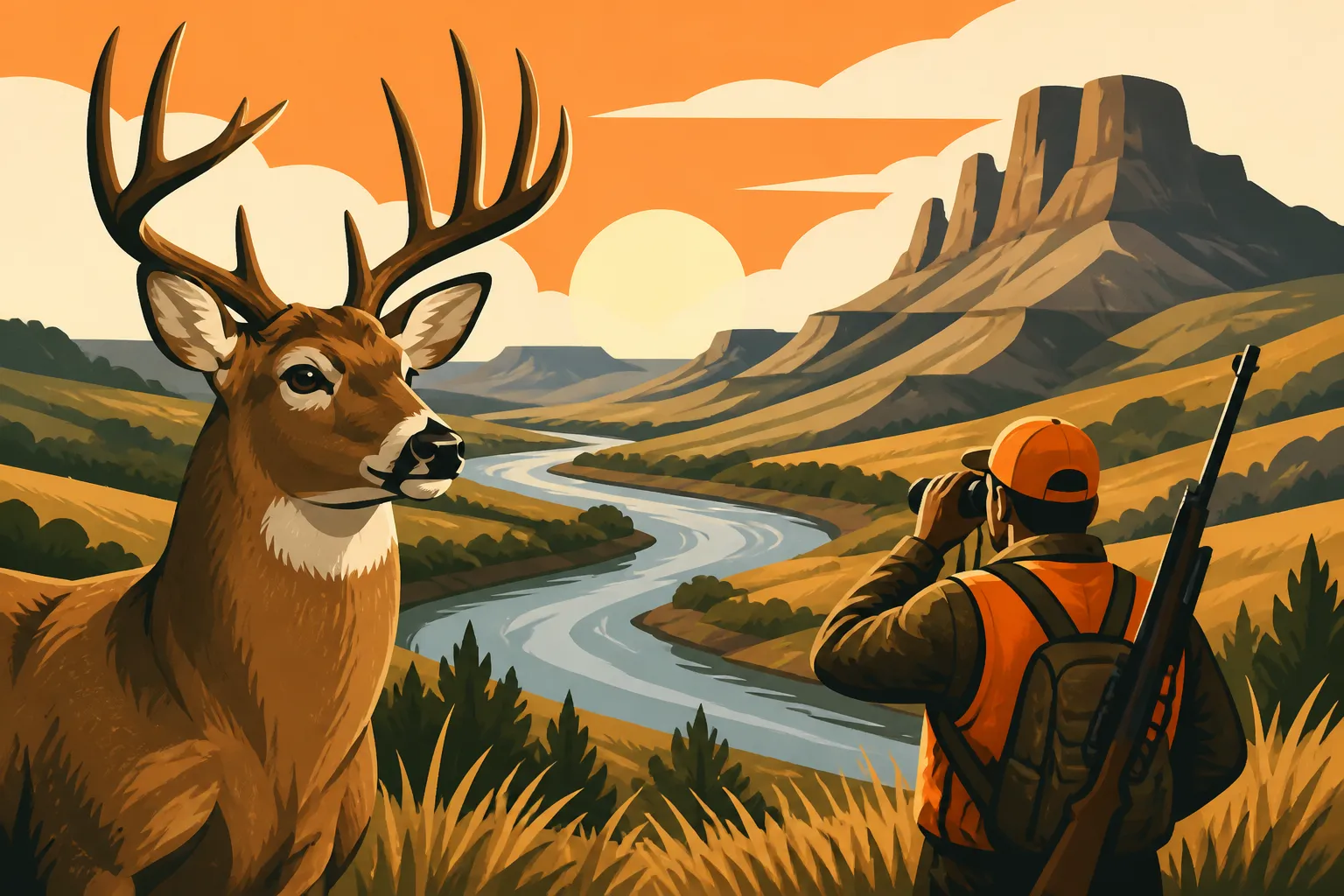
For many hunters, the image of South Dakota conjures up fields of pheasants in the East River region, but the vast expanse west of the Missouri River offers an entirely different, and equally rewarding, hunting experience. This rugged, often remote landscape presents unique challenges and unparalleled opportunities for big game, prairie grouse, and even some upland birds, but it demands a specific approach and a deep understanding of its diverse terrain and wildlife. This comprehensive guide will walk you through everything you need to know to plan a successful hunt in South Dakota's West River country.
Understanding West River Country: A Unique Landscape
Crossing the Missouri River from east to west is like entering another world. The fertile, tilled plains give way to rolling grasslands, deep coulees, rugged badlands, and the soaring Black Hills. This isn't just a geographical divide; it's a profound ecological and hunting distinction that shapes every aspect of the chase.
Geographic Features and Ecoregions
West River South Dakota encompasses a vast array of ecological zones. From the mixed-grass prairie and sagebrush flats of the central and western regions to the dramatic badlands carved by millennia of erosion, and finally to the dense pine forests and granite peaks of the Black Hills in the far west, the terrain is incredibly varied. This diversity means a mule deer hunt near the Cheyenne River will feel entirely different from an elk hunt in the Black Hills, or a pronghorn chase on the Buffalo Gap National Grassland. Each ecoregion has its own characteristic vegetation, water sources, and topography, all of which directly influence where and how game animals live and move. Understanding these distinctions is the first step in unlocking the secrets of West River hunting.
The rolling prairies are often interspersed with deep, winding draws and canyons, offering crucial cover and travel corridors for deer and antelope. These features, often hidden until you're right on top of them, can be both a hunter's best friend for a stalk and a formidable obstacle when trying to retrieve game. The Black Hills, on the other hand, rise sharply from the plains, presenting an entirely different challenge with their steep slopes, thick timber, and rocky outcrops. Here, elevation changes and dense cover dictate tactics.
Climate Patterns and Their Impact on Wildlife
West River South Dakota experiences a continental climate characterized by hot summers, bitterly cold winters, and often extreme temperature swings. Precipitation can be sporadic, with dry conditions sometimes prevailing for extended periods. This climate has a direct and significant impact on wildlife. During dry years, water sources become critical focal points for all game, making waterhole hunting a viable strategy for species like pronghorn and deer. Harsh winters, especially those with deep snow and prolonged cold, can stress deer and antelope populations, affecting fawn survival and overall herd health. Winter Severity and South Dakota Pheasant Survival is a good example of how weather impacts wildlife.
Wind is an almost constant companion on the West River prairie. It can be a hunter's advantage, masking sounds and carrying scent away, or a formidable foe, making long shots tricky and chilling you to the bone. Understanding prevailing wind patterns and how they affect an animal's senses is paramount for a successful stalk. Early fall hunts often bring warm, dry conditions, requiring hunters to prioritize hydration and quick field dressing to preserve meat quality. Later in the season, hunters must be prepared for everything from mild days to sudden blizzards, making adaptable layering and emergency preparedness absolutely vital.
Key Rivers and Water Sources
While much of West River is semiarid, several key rivers and numerous ephemeral water sources dictate game distribution. The mighty Missouri River forms the eastern boundary, offering prime whitetail habitat in its timbered bottoms and excellent waterfowl hunting. Further west, the Cheyenne River and White River carve significant drainages, creating ribbons of trees, brush, and breaks that serve as critical refuges for deer, especially whitetails, and sometimes mule deer. These river systems provide not just water but also diverse food sources and cover, making them magnets for wildlife in an otherwise open landscape.
Beyond the major rivers, countless stock dams, prairie potholes, and natural springs dot the landscape. These smaller water sources are incredibly important, particularly in dry years, attracting everything from antelope to upland birds. When scouting, identifying these water points using mapping tools like onX Hunt can give you a significant advantage, as game trails will often converge on them. Knowing where to find water can sometimes be the difference between finding game and walking miles of empty prairie. Always remember, access to water is key for all wildlife, and understanding its distribution will greatly enhance your hunting strategy.
Prime Big Game Opportunities West River
The West River region is truly a big game hunter's paradise, offering diverse opportunities for some of the continent's most iconic species. Each animal presents its own challenge, demanding specific tactics and a keen understanding of its habits.
Mule Deer: The Prairie Ghost
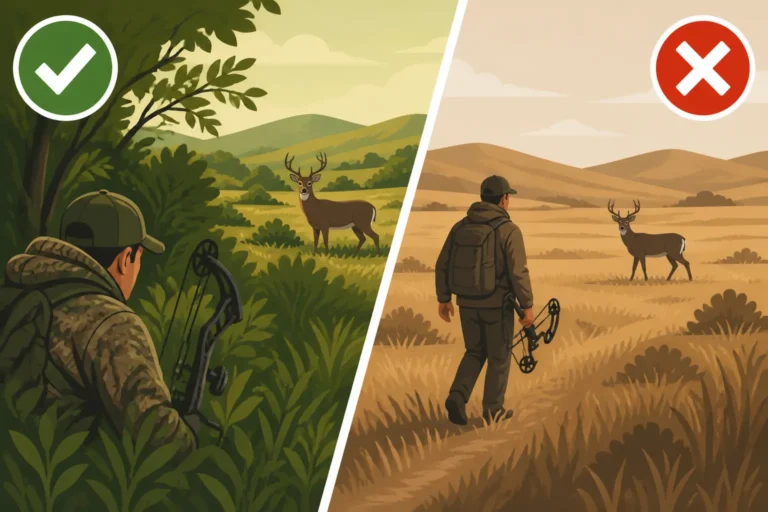
Mule deer are quintessential West River big game, often found in the more rugged, broken country, preferring draws, badlands, and the steep slopes leading to river bottoms. Their large ears, characteristic bounding gait, and impressive antlers make them a coveted trophy. Unlike their whitetail cousins who often stick to dense cover, mule deer are more comfortable in open country, relying on their keen eyesight and the undulating terrain for concealment. Spot-and-stalk is the name of the game here. Hunters spend countless hours glassing distant hillsides and coulees at first light, searching for the tell-tale flicker of an ear or a patch of hide that betrays a bedded buck. West River Mule Deer Hunting in South Dakota goes into much more detail on specific tactics.
Finding a good buck often means covering a lot of ground with your optics. Once spotted, the real challenge begins: using the terrain to close the distance without being seen. This requires patience, a good understanding of wind direction, and often a willingness to crawl through cactus and sagebrush. Mule deer numbers can fluctuate, often impacted by severe winters, so scouting ahead of time or checking the latest South Dakota Game, Fish and Parks reports on South Dakota Mule Deer Population is always a wise move. The satisfaction of putting a stalk on a wary West River mule deer is an experience unlike any other.
Pronghorn Antelope: Speedsters of the Plains
Pronghorn antelope, often mistakenly called "antelopes," are truly unique to North America, known for their incredible speed and exceptional eyesight. They are the quintessential inhabitants of the open South Dakota prairie, preferring vast, unobstructed views where they can spot danger from miles away. Hunting pronghorn is an exercise in extreme patience and cunning. Their eyesight is legendary, often compared to that of a human with 8x binoculars, making direct approaches in open country nearly impossible. This is where creative use of terrain, decoys, or ambush tactics around water sources comes into play. Spot-and-Stalk Antelope Hunting in South Dakota details these thrilling chases.
Many hunters choose to spot-and-stalk, using every available fold in the land, dry wash, or fence line for concealment. This often means very long crawls or carefully planned detours that add miles to your day. Decoying can be an exhilarating method, especially during the rut, as a buck will often charge a silhouette of a rival. Blind hunting over waterholes, particularly in dry conditions, is another effective strategy, though it requires patience and a good understanding of pronghorn movement patterns. Remember, these animals can cover vast distances in short order, so a good rangefinder and a rifle capable of accurate long-range shooting are crucial tools for a successful pronghorn hunt.
Whitetail Deer: River Bottom Dwellers
While mule deer dominate the open breaks, white-tailed deer are strongly associated with the timbered river bottoms and creek drainages of West River country, particularly along the Missouri, Cheyenne, and White Rivers. These riparian corridors provide dense cover, consistent water, and abundant food sources, making them ideal whitetail habitat. Hunting West River whitetails often involves navigating thickets, dense willows, and mature timber, a stark contrast to the open prairie. Stand hunting, either from a treestand or a ground blind, is a common and effective tactic, especially during the rut when bucks are actively cruising for does. South Dakota Whitetail Hunting in River Bottoms offers specific guidance for these riverine habitats.
While less numerous than East River, the whitetails here can be exceptional, benefiting from good genetics and often less hunting pressure in their secluded haunts. Scouting for rubs, scrapes, and travel corridors is critical, as is understanding how deer use the wind within these confined areas. These hunts can be intense and intimate, often involving close-quarters encounters. Be prepared for thick brush and the challenges of blood trailing in dense cover, but also for the thrill of a big buck slipping silently through the timber.
Black Hills Elk: Mountain Monarchs
Deep in the western reaches of West River, the Black Hills National Forest offers a truly unique South Dakota hunting experience: elk. These majestic animals roam the pine-covered mountains, presenting a challenging and highly sought-after hunting opportunity. Elk tags are primarily obtained through a lottery draw, making them a "once-in-a-lifetime" experience for many. Hunting Black Hills elk is physically demanding, requiring hunters to navigate steep terrain, dense timber, and unpredictable mountain weather. Tactics often involve extensive scouting, calling during the rut, or still-hunting through thick timber in search of elusive herds. Black Hills Elk Hunting Tactics provides an excellent overview of how to approach these hunts.
Successful elk hunting in the Black Hills often means focusing on their feeding areas, bedding sites, and travel routes between them. Knowing how to read sign – fresh tracks, rubs on trees, and wallows – is paramount. During the early fall archery seasons, calling can be incredibly effective, especially if you can locate a responsive bull. Rifle seasons often demand more methodical still-hunting and careful glassing of openings and clear-cuts. The rewards of harvesting a Black Hills elk are immense, not just in the freezer, but in the unforgettable experience of pursuing such an iconic animal in a truly wild setting.
Small Game and Upland Bird Hunting West River
While big game often steals the spotlight, West River South Dakota also offers fantastic opportunities for small game and upland birds, often with less pressure than the highly sought-after East River pheasant meccas.
Pheasants: Finding Roosters Beyond the Corn
It's true that the highest densities of pheasants are typically found in the agricultural mosaic of East River, but don't count out West River entirely. Pockets of pheasants can be found in surprising numbers, particularly along creek bottoms, around farmsteads, and in areas with CRP (Conservation Reserve Program) ground that offers good nesting and winter cover. These West River pheasants often live in more remote, rugged habitats, making them perhaps even wilder and tougher to flush than their East River cousins. Hunting them often involves working shelterbelts, walking grass draws, or targeting brushy cover along riparian zones.
A West River pheasant hunt might not yield the same high numbers as an East River experience, but it often offers a more solitary, DIY feel. Hunters might walk miles of diverse cover, jumping prairie grouse and deer in addition to pheasants. A good bird dog is still invaluable here, helping to root out those tightly holding roosters in sometimes sparse but effective cover. Always be on the lookout for abandoned farmsteads or old buildings with adjacent cover; these can be forgotten pheasant havens.
Prairie Grouse and Partridge: The Native Birds
For many, the true draw of West River bird hunting is the opportunity to pursue native prairie grouse species: sharp-tailed grouse and greater prairie chickens. These birds are endemic to the grasslands and offer a distinct challenge. Sharp-tailed grouse are more widespread, inhabiting much of the mixed-grass prairie, especially areas with good native grass, sagebrush, and rolling hills. Greater prairie chickens have a more restricted range, favoring taller, denser native prairie. Both species are beautiful birds, and flushing a covey from a grassy hillside is a truly exhilarating experience.
Hungarian partridge, or "Huns," are also found in West River, often in the same areas as pheasants and sharptails, preferring agricultural edges and areas with weedy cover. Hunting these birds often involves walking vast expanses of grass, utilizing a wide-ranging bird dog to cover ground. Their explosive flushes and unpredictable flight paths make for exciting shooting. Unlike pheasants, prairie grouse and Huns don't hold as tightly, so a fast-acting hunter and a quick-pointing dog are key. Be prepared to cover serious mileage on foot to find these elusive prairie jewels.
Waterfowl: Potholes, Rivers, and Reservoirs
West River South Dakota, while not as renowned as the East River's Glacial Lakes region for waterfowl, still offers incredible hunting opportunities, especially along the Missouri River and its massive reservoirs, as well as on countless stock dams and prairie potholes. The Missouri River corridor serves as a major migration route on the Central Flyway, attracting a wide variety of ducks and geese. The large reservoirs like Lake Oahe and Lake Sharpe can hold massive rafts of divers and puddle ducks during migration, offering challenging open-water hunting.
Further west, beyond the Missouri, smaller stock dams and ephemeral potholes can be absolute magnets for ducks and geese, especially early in the season or during migration stopovers. These smaller waters often offer more intimate hunting experiences, either jump shooting or setting a small decoy spread. Scouting is vital to locate these productive spots, as water levels can fluctuate dramatically based on recent rainfall. Hunters need to be flexible, adaptable, and willing to explore to find those hidden gems. Waterfowl Hunting the South Dakota Prairie has more details on specific strategies.
Navigating Public Lands and Access Challenges
One of the most appealing aspects of West River hunting, especially for non-residents, is the abundance of public land. However, successfully navigating these areas requires preparation and an understanding of the various land designations and access rules.
National Grasslands: Vast Opportunities and Regulations
The National Grasslands – specifically Buffalo Gap, Fort Pierre, and Grand River – are jewels of West River public hunting. These vast tracts of federal land offer incredible opportunities for mule deer, pronghorn, prairie grouse, and coyotes across hundreds of thousands of acres. They represent a significant portion of publicly accessible hunting ground and are generally open to hunting, trapping, and fishing. The sheer size of these areas can be intimidating, but it also means hunters can find solitude and unpressured game if they're willing to venture away from main roads. National Grasslands Hunting in South Dakota offers a deeper dive into these areas.
Understanding the specific regulations for each grassland unit is crucial, as some areas may have special rules regarding vehicle use, camping, or target shooting. Motor Vehicle Use Maps (MVUMs) are indispensable tools for identifying legal roads and open areas. Many hunters use mapping apps like onX Hunt to layer public land boundaries and MVUM information, allowing them to confidently navigate these sprawling landscapes. The open nature of the grasslands often means long hikes, so good boots and plenty of water are essential. Expect to encounter other users, from cattle grazing operations to hikers, so always be mindful of your surroundings.
Walk-In Areas: Crucial Private Land Access
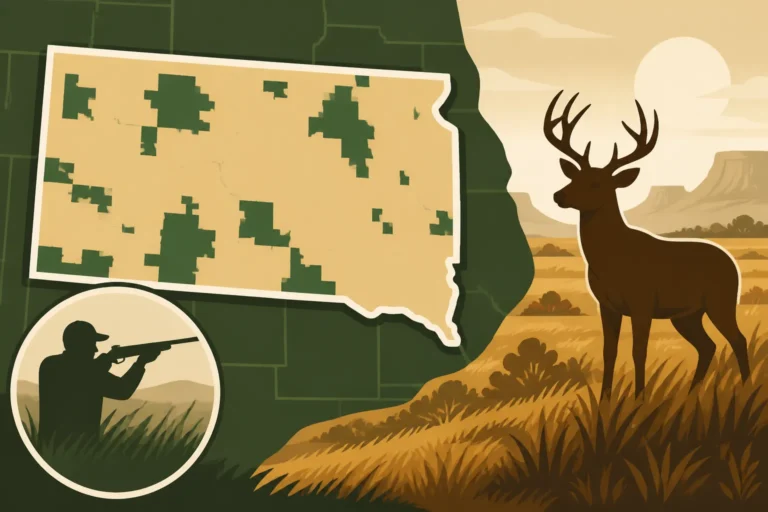
South Dakota's Walk-In Area (WIA) program is a game-changer for public access, especially in a state dominated by private land. WIAs are tracts of private land leased by the state and opened to public hunting, typically for foot traffic only. These areas are vital for expanding hunting opportunities, often providing excellent habitat for pheasants, prairie grouse, and deer, especially in regions with limited federal public land. They are clearly marked with distinctive yellow signs. Hunting South Dakota Walk-In Areas provides a comprehensive guide to utilizing this fantastic program.
When planning a West River hunt, always check the current South Dakota Public Hunting Atlas, which is updated annually, to locate WIAs. The atlas is invaluable, showing specific boundaries and rules for each parcel. While these areas are a blessing, remember to respect the landowner agreements: no motorized vehicles (unless explicitly allowed), no littering, and always adhere to the rules posted. WIAs can offer some incredible hunting, often providing access to prime, otherwise inaccessible, habitat. Being a good steward of these lands helps ensure the program continues for future generations of hunters.
Black Hills National Forest: Timbered Hunts
The Black Hills National Forest, located in the westernmost part of West River, offers a stark contrast to the open prairie. This vast forest provides a unique ecosystem for species like elk, whitetail deer, mule deer, and even Merriam's turkeys. Hunting in the Black Hills means navigating dense ponderosa pine forests, steep canyons, and rocky ridges. Access is generally good via a network of forest roads and trails, though some areas are quite remote. Black Hills Elk Hunting Tactics and Hunting Elk on Steep Black Hills Ridges offer more specific guidance for these hunts.
Hunters in the Black Hills must be prepared for mountainous terrain and potentially challenging weather conditions, even during early seasons. Good physical conditioning is important, as still-hunting and retrieving game can involve significant elevation changes. GPS and detailed maps (like those available through GoHunt's mapping tools or onX Hunt) are crucial here, as it's easy to get disoriented in the timber. Always be aware of private land inholdings within the National Forest and respect all boundaries. This is a truly wild place that offers a different kind of South Dakota hunting adventure.
Corps of Engineers Lands Along the Missouri
Along the mighty Missouri River, particularly around the large reservoirs like Lake Oahe, Lake Sharpe, and Lake Francis Case, the U.S. Army Corps of Engineers manages significant tracts of public land. These lands, often consisting of timbered river breaks, shoreline areas, and grasslands, provide excellent hunting opportunities, especially for whitetail deer and waterfowl. The Missouri River corridor is a critical migration route and offers diverse habitat. Missouri River Hunting Access in South Dakota explains how to find and utilize these areas.
Access to Corps lands can vary, with some areas being easily reachable by vehicle and others requiring boat access or a significant walk. Hunters should consult Corps of Engineers maps or use mapping apps to identify specific areas open to public hunting. These areas can experience higher hunting pressure, especially near towns and easy access points, so venturing further afield often yields better results. Waterfowl hunters will find many opportunities to set up blinds along the shorelines or in flooded timber, while deer hunters can work the dense cover of the river breaks.
Essential Gear and Preparations for West River Hunting
Hunting West River South Dakota is an adventure, and like any good adventure, it requires careful preparation and the right gear. The diverse terrain and often unpredictable weather demand a thoughtful approach to what you carry into the field.
Optics and Rangefinding for Open Country
In the vast, open landscapes of West River, good optics are not just helpful; they are absolutely essential. High-quality binoculars (10×42 or 12×50 are popular choices) are your primary scouting tool, allowing you to systematically glass distant hillsides, coulees, and flats for game. A spotting scope (20-60x) can be invaluable, especially for identifying and judging mule deer and pronghorn from extreme distances, saving you countless miles of walking only to find a smaller buck. Learning to "grid" a hillside, slowly and meticulously searching for signs of an animal, is a skill that pays huge dividends here. Glassing South Dakota Breaks at First Light is a great resource for this technique.
Equally important is a reliable rangefinder. In flat or gently rolling terrain, distances can be incredibly deceptive, and misjudging a shot by even 50 yards can mean a clean miss or, worse, a wounded animal. A rangefinder with angle compensation is a wise investment, particularly if you'll be hunting in the Black Hills or the steep breaks of the prairie. Practice using your rangefinder in varied conditions before your hunt, so it becomes second nature when that trophy animal steps out.
Footwear and Clothing for Varied Terrain
Your feet will be your most important asset when hunting West River. You'll cover miles, often over uneven terrain, through sagebrush, cactus, and sometimes mud. Invest in comfortable, waterproof, and supportive hiking boots that are well broken-in. A second pair of boots or even sturdy athletic shoes for camp can be a real luxury. Good quality wool or synthetic socks that wick moisture away are also critical to prevent blisters and keep your feet warm or cool, depending on the season.
Layering is the key to West River clothing. Early season hunts can start cool and become very warm by midday, while late-season hunts can swing from mild to bitterly cold with sudden snow. Start with a moisture-wicking base layer, add insulating layers like fleece or down, and top it off with a waterproof and windproof outer shell. Blaze orange requirements vary by season and game, so always check current regulations. A wide-brimmed hat or baseball cap for sun protection, and warm headwear and gloves for cold weather, should always be in your pack. The wind alone can cut right through inadequate clothing. Layering for South Dakota Wind is a crucial topic to consider.
Navigation Tools and Mapping Apps
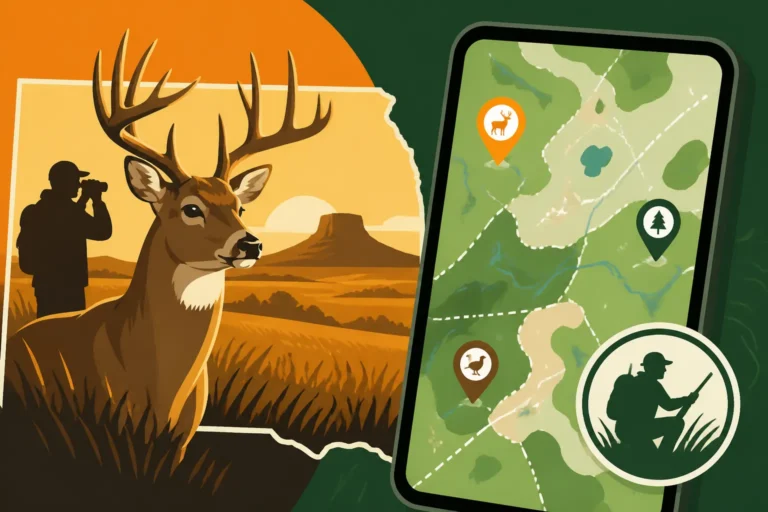
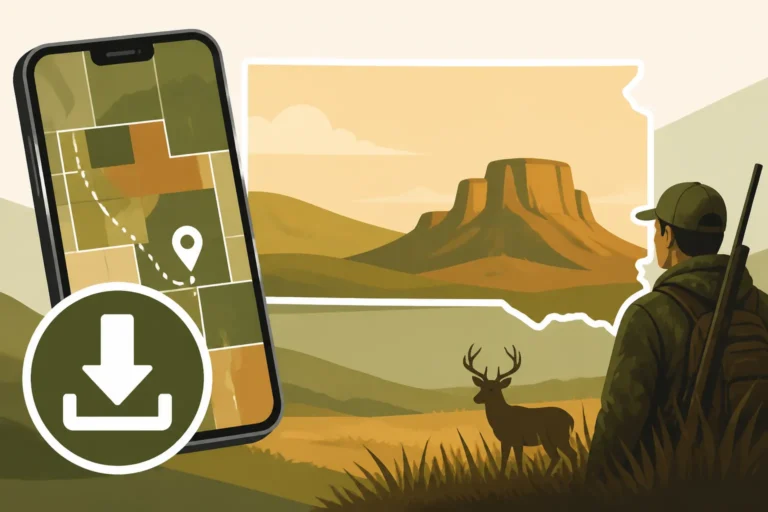
Getting lost in the vastness of West River is a serious concern, especially in areas with limited cell service. A reliable GPS unit or a smartphone with a robust mapping app is non-negotiable. Apps like onX Hunt and GoHunt are incredibly popular and useful for identifying public and private land boundaries, pinpointing your location, marking waypoints, and pre-downloading maps for offline use. These tools can literally save your hunt, or even your life, by ensuring you know exactly where you are and where you're going. Using the South Dakota Public Hunting Atlas is also essential.
Always carry a physical map and compass as a backup, and know how to use them. Technology can fail, batteries die, and signals drop. Knowing how to read a topographic map and orient yourself with a compass is a fundamental skill for any hunter heading into remote country. Before you leave home, plan your routes, identify key landmarks, and share your hunting plan with someone responsible. Mark your vehicle's location and any critical access points, especially if you're venturing deep into large public areas like the National Grasslands.
| Item | Importance | Notes for West River |
|---|---|---|
| High-Quality Binoculars | Essential | 10x or 12x for glassing vast distances. |
| Spotting Scope | High | Critical for judging game at long range, especially mule deer and pronghorn. |
| Laser Rangefinder | Essential | Distances are deceptive; angle compensation is a plus. |
| GPS Device / Mapping App | Essential | onX Hunt, GoHunt, or similar for land ownership, navigation, offline maps. |
| Physical Map & Compass | Backup | Always carry and know how to use them; technology fails. |
| Broken-in Hiking Boots | Essential | Waterproof, supportive, and comfortable for miles of walking. |
| Layered Clothing System | Essential | Adapt to extreme temperature swings and constant wind. |
| Waterproof Outerwear | Essential | For rain, snow, and wind protection. |
| Blaze Orange Gear | Required | Check specific regulations for your hunt type. |
| Plenty of Water/Hydration | Essential | Dehydration is a real risk in dry conditions. |
| First Aid Kit | Essential | For minor injuries, cuts, blisters; include snake bite kit for warmer months. |
| Field Dressing Kit | High | Sharp knife, gloves, game bags; especially critical in warm weather. |
| Emergency Supplies | High | Fire starter, headlamp, extra batteries, basic survival items. |
| Rifle/Bow & Ammo | Essential | Appropriate caliber/setup for anticipated game and range. |
Strategies for Success in West River Landscapes
Successfully hunting West River demands a different skill set than many other regions. The open, vast nature of the land, coupled with the unique behaviors of its game, requires specific strategies to find and harvest animals.
Spot-and-Stalk Tactics for Open Terrain
Spot-and-stalk hunting is arguably the most iconic and effective method for pursuing big game in West River's open country, particularly for mule deer and pronghorn. This strategy involves covering ground with your eyes, not necessarily your feet, until you spot an animal, and then planning an approach to get within shooting range undetected. It's a game of chess against an animal with superior senses and an intimate knowledge of its home turf. Spot-and-Stalk Antelope on Open Prairie and Stalking a Bedded Mule Deer Buck are excellent resources.
The process typically begins with patient glassing from a high vantage point, often at first light or last light when animals are most active. Once an animal is spotted, the real work begins. You must meticulously plan your approach, using every fold, rise, and draw in the landscape for concealment. This often means long detours, crawling through prickly pear cactus, or waiting for hours for the animal to move into a more favorable position. Wind direction is paramount; you must always keep your scent from reaching the animal. Practice estimating distances and shooting from various field positions, as opportunities can be fleeting and at extended ranges.
Reading Sign and Understanding Animal Behavior
In West River, where animals can seem to materialize out of thin air, reading sign is an invaluable skill. Tracks, droppings, rubs, and scrapes tell a story about animal presence, movement, and activity levels. For deer, fresh tracks and droppings indicate recent activity, while rubs (where bucks scrape their antlers on trees or brush) and scrapes (areas where bucks paw the ground and deposit scent) are indicators of buck presence, especially during the rut. Learning How Buck Movement Changes Through the Rut is critical.
Understanding the behavior of each species is also key. Mule deer often bed on hillsides with a good view, facing into the wind to detect danger. Pronghorn will typically be in wide-open areas, relying on their eyesight. Paying attention to what animals are eating (grasses, forbs, sagebrush) can help you pinpoint feeding areas. In areas with limited water, game trails converging on a stock dam or spring are clear indicators of animal presence. Using mapping apps to mark where you see fresh sign can help you develop patterns and focus your efforts.
Dealing with Wind and Weather Extremes
West River South Dakota is synonymous with wind. It can blow relentlessly, day after day, and understanding how to hunt effectively in windy conditions is essential. Wind can be your friend, masking your approach and carrying your scent away from game. It can also be your enemy, making long shots difficult and chilling you to the bone. Always position yourself so the wind is in your favor, carrying your scent away from where you expect game to be. This often dictates your approach direction during a stalk. Wind Calls on Long Prairie Shots discusses shooting in these conditions.
Beyond wind, West River weather can be extreme and unpredictable. Early season hunts can see temperatures climb into the 80s or 90s, making quick field dressing and proper meat care paramount to prevent spoilage. Field Dressing in Warm October Weather is very relevant here. Later in the fall, a beautiful crisp morning can quickly turn into a full-blown blizzard. Be prepared for anything: pack emergency gear, carry extra layers, and always have water and snacks. Never underestimate the prairie's ability to turn on a dime. Having a plan for what to do if the weather deteriorates or if you get stuck on a remote two-track road is not just smart; it's vital.
Respecting the Land and Its Inhabitants
Hunting in West River South Dakota is a privilege, and with that privilege comes a responsibility to respect the land, the wildlife, and the other people who share these wild spaces. Ethical conduct and a strong conservation mindset are paramount.
Ethical Hunting Practices and Fair Chase
Ethical hunting is about more than just following the law; it's about upholding the spirit of fair chase and demonstrating respect for the animals we pursue. In West River, this means making every effort to ensure a clean, humane kill. Practice shooting from field positions, not just a bench, and know your effective range. If you make a marginal shot, commit to a thorough and diligent recovery effort, even if it means searching for hours or returning the next morning. Following Up a Marginal Shot in Grass is an important read.
Fair chase also means not taking unfair advantage of an animal. This includes not harassing game with vehicles, respecting legal shooting hours, and understanding rules about baiting (which is generally prohibited on public lands). When hunting public land, be considerate of other hunters. Give them space, avoid "sky-busting" (shooting at birds out of range that might fly towards another hunter), and communicate if you encounter another party. These simple courtesies ensure a positive experience for everyone.
Leave No Trace Principles on the Prairie
The vastness of West River can make it seem like individual actions have little impact, but leaving no trace is crucial for preserving the wild character of these lands. Pack out everything you pack in – and then some. This includes all trash, spent shell casings, and any remnants of your camp or hunt. If you field dress an animal, scatter offal away from roads, trails, and water sources.
Minimizing your impact also extends to your vehicle. Stick to designated roads and two-tracks, especially on National Grasslands, to prevent habitat damage and erosion. Avoid driving off-road in wet conditions, which can create deep ruts that persist for years. When camping, use established campsites where available, or practice dispersed camping responsibly by selecting durable surfaces and minimizing your footprint. These actions ensure that the next hunter, hiker, or wildlife enthusiast finds the landscape as pristine as you did.
Understanding Landowner Relations and Trespass Law
Despite the significant amount of public land, much of West River is still privately owned. Understanding and respecting private property rights is absolutely critical, and in South Dakota, it's a legal and ethical imperative. Always know exactly where you are and whose land you are on. Mapping apps like onX Hunt are invaluable for this, showing property lines and landowner names. South Dakota Trespass Law and Posted Land details the rules.
If you plan to hunt private land, always obtain explicit permission from the landowner before you step foot on their property. This often means knocking on doors, introducing yourself, and respectfully asking for access. A positive attitude, a willingness to help, and even offering to share game or help with chores can go a long way. Never assume that unposted land is open to hunting; in South Dakota, private land is considered closed unless permission is granted. Building good relationships with landowners is key to future hunting opportunities and maintaining a positive image for hunters as a whole.
Disclaimer
This article is for general informational purposes only and does not constitute professional advice. Laws, prices and regulations vary by location and change over time. Consult a qualified professional for guidance on your specific situation.