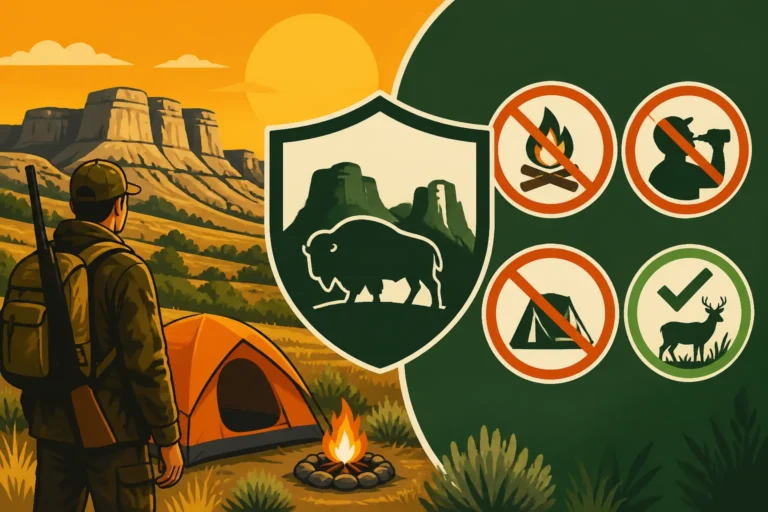
How CREP Differs From Walk-In Areas
It's incredibly common for hunters planning a trip to South Dakota, especially nonresidents, to get a little tangled up trying to understand the nuances of the state's public access programs. Between federal land, state game production areas, and these sometimes confusing acronyms like CREP and WIA, it can feel like you need a law degree just to figure out where you can legally chase a rooster or a whitetail. This guide is here to untangle that knot, specifically breaking down how the Conservation Reserve Enhancement Program (CREP) differs from the beloved Walk-In Area (WIA) program, and what that means for your boots on the ground.
Understanding South Dakota's Walk-In Area Program
When most hunters think of accessible private land in South Dakota, their minds immediately jump to Walk-In Areas, and for good reason. This program is a cornerstone of public hunting access in the state and has been an absolute game-changer for resident and nonresident hunters alike.
What are Walk-In Areas WIAs?
South Dakota's Walk-In Area (WIA) program is a voluntary initiative managed by the South Dakota Game, Fish and Parks (SDGFP). Essentially, it's a partnership where private landowners agree to open up their land to public hunting access for a specific period, usually the fall hunting season. In return, the SDGFP provides an incentive payment to the landowner. This is not a purchase of public land; rather, it's an access easement. The primary intent is to provide recreational opportunities, directly focusing on hunting.
When you see a WIA sign, you're looking at private property that has been explicitly enrolled in this program to allow public hunting. These lands often include prime pheasant habitat like dense cattail sloughs, grassy CRP fields, shelterbelts, and crop edges. How South Dakota Walk-In Areas Work explains how this symbiotic relationship benefits both landowners and hunters. It's a system designed to keep land in private hands while opening it up for public enjoyment, especially for pursuing pheasants, deer, and other small game. The landowners benefit from the income, and hunters benefit from vast tracts of otherwise inaccessible private ground.
Hunter Access and Rules on WIAs
The rules for hunting on a WIA are generally straightforward and are clearly posted at access points. The most critical rule is that these areas are designated for Foot Traffic Only Rules on South Dakota Walk-In Areas. This means no vehicles beyond designated parking areas, no ATVs, and typically, no horses. The idea is to reduce disturbance and preserve the quality of the hunting experience. Most WIAs are open for specific hunting seasons, primarily from September 1st through May 31st, covering deer, pheasant, waterfowl, and predator seasons.
While specific rules can vary slightly by WIA, you're generally permitted to hunt any game species that is in season and for which you hold the appropriate license. Setting up permanent blinds or treestands is usually not allowed, but portable blinds are often fine, provided they are removed daily. It's vital to always respect the posted boundaries and any specific regulations noted on the WIA sign. These signs are your primary source of information in the field. Remember, while you're hunting on private land, the landowner has graciously granted this access, and showing respect for their property is paramount for the program's continued success.
Benefits and Drawbacks of WIAs
The benefits of the WIA program are immense. It opens up hundreds of thousands of acres of critical habitat to public hunters, often in areas where private land dominates. For nonresidents, it's a lifeline, providing abundant opportunities without the need to knock on doors or book an expensive outfitter. South Dakota Walk-In Areas Explained details just how impactful this program is for increasing hunting access. This widespread availability allows hunters to explore diverse landscapes, from rolling grasslands to river bottoms, increasing their chances of a successful hunt. The SDGFP works continuously to add new parcels and maintain the quality of habitat on enrolled lands.
However, there can be drawbacks. Given their popularity, especially during peak seasons like the pheasant opener, some WIAs can experience Hunting Pressure on South Dakota Public Ground. You might find yourself sharing a field with other groups, which requires good communication and safety practices. Also, the quality and type of cover can vary wildly from one WIA to another. Some might be freshly mowed hayfields, while others are prime, dense cover. Hunters rely heavily on the annual SDGFP Public Hunting Atlas and digital mapping tools like onX Hunt to scout these areas virtually and assess their potential before heading out. Sometimes the best WIAs are those that require a bit of a walk, as these tend to see less pressure.
Exploring the Conservation Reserve Enhancement Program (CREP)
Now, let's talk about CREP. While it also involves private land and offers conservation benefits, its primary purpose and the way it grants public access differ significantly from the WIA program.
What is CREP?
The Conservation Reserve Enhancement Program (CREP) is a federal program, but it's important to remember that it's enhanced by state participation. It's part of the larger Conservation Reserve Program (CRP), which pays landowners to remove environmentally sensitive land from agricultural production and plant species that will improve environmental health and quality. CREP focuses on specific geographical areas and environmental concerns, such as water quality, soil erosion, and wildlife habitat creation. In South Dakota, CREP often targets areas along rivers and streams to reduce nutrient runoff into waterways like the James River and the Missouri River tributaries.
Landowners voluntarily enroll parcels of their land into CREP for long-term contracts, typically 10 to 15 years. They receive annual rental payments, cost-share assistance for establishing conservation practices (like planting native grasses or trees), and incentive payments. The primary drivers behind CREP are environmental — cleaner water, healthier soil, and robust habitat for a variety of wildlife, not just game species. While hunting access is a fantastic side benefit, it's not the explicit primary purpose of the program itself at the federal level.
How CREP Land Provides Hunting Access
This is where the distinction becomes crucial for hunters. Unlike WIAs, which are explicitly enrolled for hunting access, CREP lands don't automatically come with public hunting access. This is a common misconception, and it's a big one. A landowner enrolled in CREP might still keep their land entirely private for hunting purposes.
However, some CREP acres do become publicly accessible when the landowner also enrolls those specific CREP acres into South Dakota's Walk-In Area program or another state-managed access program. In these cases, the CREP land serves as the underlying conservation practice, and the WIA program (or similar state program) layer on top of it to provide public hunting access. So, you might be hunting on a WIA that is CREP land, but you wouldn't typically hunt on a piece of CREP land that isn't also a WIA or enrolled in another public access program. This is why the question Is Every CREP Acre Open to Hunting? gets a resounding "no" unless that CREP land has been additionally enrolled in a specific access program.
The Role of Voluntary Access Programs in CREP
So, for a hunter, the key is to understand that CREP is a habitat type or program, not an access designation. Many landowners participate in CREP for the conservation payments and benefits without opening their land to public hunting. The hunting access component often comes through the layering of state-level programs. For example, a landowner with high-quality CREP grass might decide to enroll that particular field into the WIA program, thereby opening it to public pheasant hunting.
This layering creates a powerful combination: federal and state funds promoting excellent wildlife habitat, which then becomes accessible through state-specific public access initiatives. It's a win-win for habitat and hunters, but it requires the landowner to take that extra step to enroll in an access program. This voluntary participation is critical, as it relies on landowners seeing the value in both conservation and offering public hunting opportunities. Hunters can play a part in encouraging this by always being respectful and demonstrating excellent hunter etiquette on any land they access.
Key Differences Between CREP and Walk-In Areas for Hunters
Understanding the core distinctions between these two programs is vital for any hunter trying to navigate South Dakota's diverse landscape and make informed decisions about where to hunt. It's not just semantics; it directly impacts where you can legally put boots on the ground.
Program Focus and Funding
The fundamental difference lies in the primary objective and funding sources. The Walk-In Area program, as established by the SDGFP, has the explicit and direct goal of providing public hunting access. It is funded primarily by state hunting license fees and federal excise taxes on hunting equipment through the Wildlife Restoration Act (Pittman-Robertson Act). Its focus is on access for hunting.
CREP, on the other hand, is a federal conservation program administered by the USDA Farm Service Agency (FSA), with additional state funding. Its core objective is environmental conservation—improving water quality, preventing soil erosion, and creating habitat for a broad range of wildlife, not just game species. Public hunting access is a potential secondary benefit if the landowner chooses to layer on a state-level access program. So, while both contribute to habitat, their primary missions are distinct. This often results in different types of habitat being enrolled, though there is significant overlap, particularly with grasslands that benefit both.
How Access is Granted
This is perhaps the most critical distinction for hunters. Access on Walk-In Areas is direct. When you see a WIA sign, it explicitly means "public hunting allowed." The landowner has signed an agreement with the state specifically granting this access. It's a clear, overt invitation to hunt.
Access to CREP land, however, is indirect for hunting purposes. CREP enrollment alone does not grant public hunting access. For CREP land to be huntable by the public, the landowner must also enroll that specific tract into a program like the WIA program. So, if you're looking at a map and see a piece of land designated as CREP, you still need to verify if it has an overlay of public hunting access, typically indicated by WIA signs or listings in the SDGFP Public Hunting Atlas. Without that explicit access designation, it's private land and subject to South Dakota Posted Land Signage Rules, meaning you need to Asking a South Dakota Landowner for Permission before stepping foot on it.
Signage and Identification
In the field, the easiest way to tell the difference is the signage. Walk-In Areas are clearly marked with distinctive yellow and black signs, often stating "Walk-In Area" and outlining the general rules. These signs are placed at all legal access points and along boundaries. These are your clear indicators of public hunting opportunity.
CREP land, without an overlaid public access program, will not have WIA signs. It might have signs indicating its enrollment in CRP or other federal conservation programs, but these signs do not grant hunting access. You might even see a "No Trespassing" sign on CREP land, which unequivocally means no public hunting. To navigate this, tools like onX Layers for South Dakota Land Status are invaluable. These mapping applications can show not only public land but also WIA boundaries, often allowing you to see the underlying land designations and ownership, helping you avoid accidental trespass.
Hunter Experience and Expectations
Because WIAs are specifically chosen for hunting access and habitat quality for game species, hunters often go into these areas with clear expectations of finding birds or deer. The popularity of these areas can lead to varying Hunting Pressure on South Dakota Public Ground, particularly on easier-to-access tracts. You might expect to encounter other hunters, especially on opening weekends or prime midday pushes.
On the other hand, while CREP land often holds fantastic habitat, if it's not enrolled in a public access program, you won't be hunting it without permission. If it is enrolled, you'd be hunting it as a WIA, and your experience would align with WIA expectations. The key is to manage your expectations: just because land looks "gamey" or "like CRP" doesn't mean it's open for hunting unless you see those unmistakable WIA signs or verified public land markings.
| Feature | Walk-In Area (WIA) | Conservation Reserve Enhancement Program (CREP) |
|---|---|---|
| Primary Goal | Public Hunting Access | Environmental Conservation (Water, Soil, Habitat) |
| Administered By | SD Game, Fish and Parks | USDA Farm Service Agency (FSA) with State Enhancement |
| Hunting Access | Direct & Explicit (Posted at entry points) | Indirect (Only if also enrolled in a state access program like WIA) |
| Funding | State license fees, Pittman-Robertson | Federal funds, State match/enhancements |
| Signage | Yellow & Black "Walk-In Area" signs | May have CRP signs; No WIA signs unless enrolled in WIA |
| Legal Status | Private land with public hunting easement | Private land (unless enrolled in public access program) |
| Hunter Action | Look for WIA signs/atlas designation, follow rules | Verify public access separately from CREP status |
Maximizing Your Hunting Success on These Lands
Regardless of whether you're targeting a WIA or a piece of public ground that happens to be CREP-enrolled, a smart hunter knows that preparation is key to a successful and ethical hunt.
Pre-Season Scouting and Planning
Before you ever leave home, immerse yourself in the resources available. The South Dakota Game, Fish and Parks department publishes an annual Using the South Dakota Public Hunting Atlas, both online and in print, which is an indispensable tool. This atlas clearly marks all public hunting lands, including WIAs, Game Production Areas, National Grasslands, and other accessible tracts. It's often updated with new parcels right before the season, so always check for the latest version.
Beyond the atlas, digital mapping apps like onX Hunt and GoHunt are crucial. They allow you to overlay property lines, public land boundaries, and WIA locations onto satellite imagery. This lets you identify potential access points, estimate walking distances, and get a feel for the habitat types—dense cattails, thickets, grasslands, or crop stubble—before you're standing there in your boots. You can mark potential spots, plan your approach, and even identify Finding Property Lines in South Dakota to avoid accidental trespassing. Look for those corners and draws that might hold overlooked game.
On-the-Ground Tactics for WIAs and CREP
When you finally hit the field, remember that these areas, especially WIAs, can see significant pressure. To find success, you often need to think a little differently.
- Walk the Unwalked: Many hunters stick to the easy access points and the fringes. Don't be afraid to put in the miles and walk further than others. Some of the best pheasants or deer are pushed deep into cover by early-morning hunters and will hold tight in the middle of a large WIA.
- Time Your Hunt: Midday hunts can be incredibly productive, especially for pheasants that have been bumped from roosting cover and are looking for a place to hide. Where Roosters Sit at Midday can often be deep in the thickest cover, giving you an advantage if you're willing to work for it. For deer, hitting WIAs during quiet weekday mornings can sometimes yield better results than crowded weekends.
- Use the Wind: Always, always hunt with the wind in your favor, especially for pheasants where scenting conditions for your dog are paramount, and for deer that rely heavily on their nose.
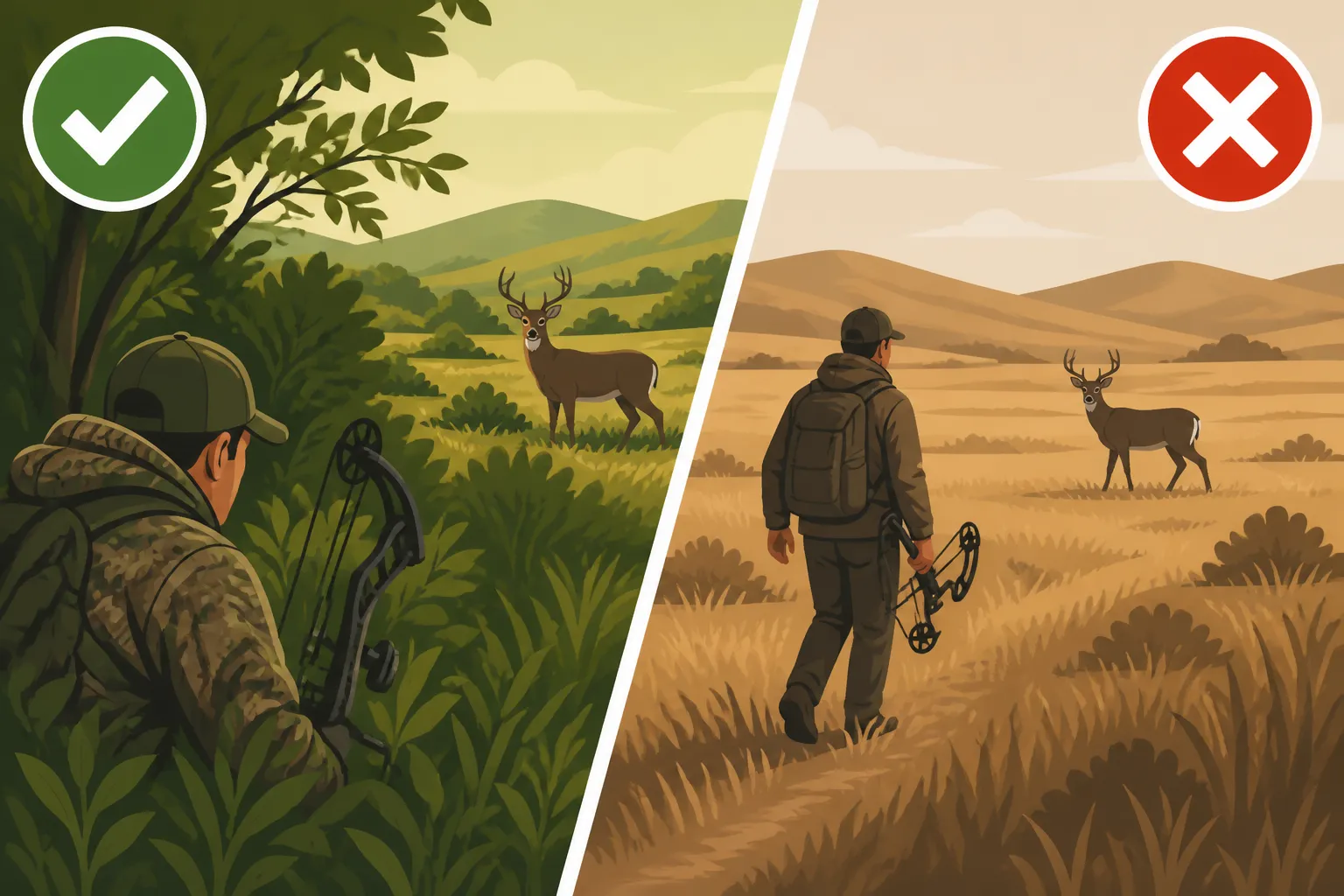
- Blend In: On public lands, especially during busy seasons, your concealment can make a difference. Utilize available cover, wear appropriate camo, and try to be as quiet as possible.
Respecting Boundaries and Regulations
Finally, and perhaps most importantly, always adhere to the rules and show respect for the land and landowners. The continued success of programs like WIA relies heavily on hunters being responsible stewards.
- Check Regulations: Always carry a current copy of the South Dakota Hunting Handbook and know the specific rules for the unit and species you are hunting.
- Leave No Trace: Pack out everything you pack in. Leaving trash or spent shells jeopardizes the program for everyone.
- Respect Private Property: If a WIA sign is not present, assume the land is private and obtain permission. This includes retrieving downed game that may have flown or run onto adjoining private land. Know South Dakota Trespass Law and Posted Land and abide by it.
- Be a Good Neighbor: If you encounter other hunters, be courteous, communicate, and ensure safety. A friendly wave goes a long way.
By understanding how CREP differs from Walk-In Areas and applying these thoughtful tactics, you'll be much better equipped to navigate the diverse hunting opportunities South Dakota has to offer and make the most of your time in the field.
Disclaimer
This article is for general informational purposes only and does not constitute professional advice. Laws, prices and regulations vary by location and change over time. Consult a qualified professional for guidance on your specific situation.