Winter Severity and South Dakota Pheasant Survival
Every South Dakota pheasant hunter knows that anxious feeling in late winter. You're watching the snow pile up, the temperatures drop, and you can't help but wonder: what's this doing to our beloved pheasants? It's a valid concern, as the harsh prairie winters can indeed take a toll on bird populations, impacting the hunting seasons that follow. This guide will walk you through exactly how winter severity affects South Dakota pheasant survival, what factors contribute to those losses, and what it means for the future of our pheasant hunting tradition.
Understanding the Threat: Why Winters Matter to Pheasants
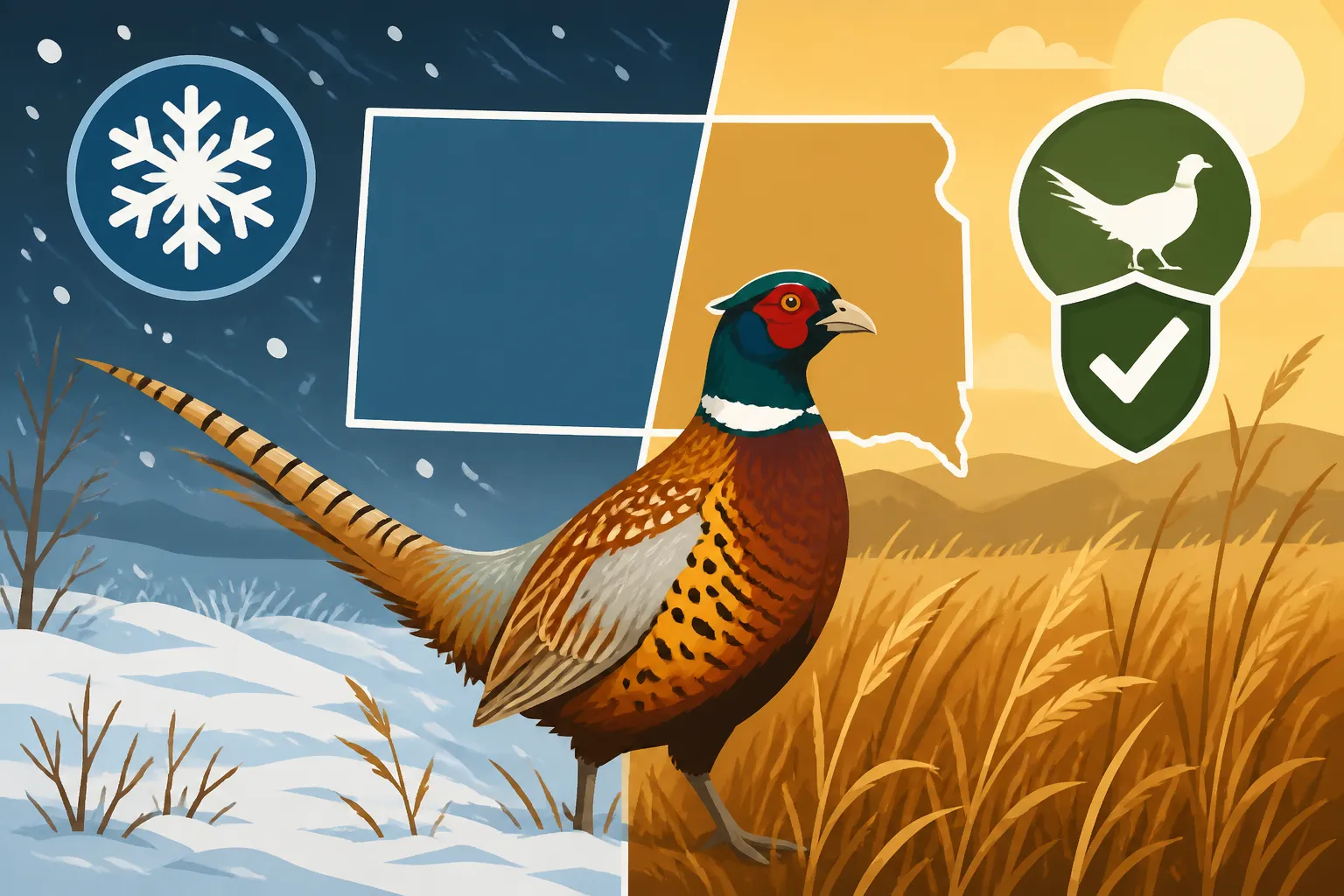
It’s easy to romanticize a South Dakota winter with its pristine snowscapes and quiet beauty, but for a pheasant, it's a brutal fight for survival. These hardy birds are tough, but they're not invincible, and prolonged periods of extreme cold and deep snow can push them to their absolute limits. Hunters often talk about "winter kill," and it’s a very real phenomenon that shapes the dynamics of our pheasant populations year after year.
The Peril of Extreme Cold
When the mercury plummets to single digits or even below zero for days on end, pheasants face an immense challenge. Their metabolism works overtime just to keep their tiny bodies warm, burning through precious energy reserves at an alarming rate. If they can't find adequate shelter from the biting winds and a consistent food source, they simply can't generate enough heat to counteract the cold. This isn't just about freezing to death outright, though that can happen; it's often a slower, more insidious process of hypothermia and starvation as their bodies simply give out. A pheasant needs to maintain its core temperature, and when external conditions are relentlessly frigid, it becomes an uphill battle.
The risk is compounded by other factors. A bird that's wet from a freezing rain event or exhausted from trying to escape a predator is far more susceptible to the cold. The wind chill factor on the open prairie is particularly unforgiving, stripping away body heat at an accelerated rate. You can have a relatively mild air temperature, but a strong north wind can make it feel lethal for wildlife. This is why pheasants instinctively seek out dense, protective cover, not just from snow but from the wind's relentless assault.
Deep Snow's Deadly Grip
While cold is a major player, deep snow can be an even more direct threat to pheasant survival, especially when it persists for extended periods. Imagine trying to find food when everything is buried under a foot or more of powder, or worse, a crust of ice. Pheasants are ground feeders, relying on waste grain, weed seeds, and insects found on or just below the surface. When these sources are inaccessible, their caloric intake drops drastically, leading to starvation.
Beyond food access, deep snow also impacts mobility and vulnerability. A pheasant struggling through heavy snow becomes an easy target for predators like coyotes and raptors. Their ability to fly short distances to escape danger is hampered, and their usual escape routes through dense cover might be completely blocked. Furthermore, dense, heavy snow can actually bury birds alive, especially if they try to hunker down in a small depression during a blizzard and get completely covered. Even if they survive the initial burial, breaking free can be an insurmountable task, leading to exhaustion and eventual death.
Key Factors of Winter Severity: What Really Kills Birds
Winter kill isn't usually just one thing; it's a combination of factors that compound each other, creating a perfect storm for pheasants. It's like a chain reaction where one adverse condition makes the birds more vulnerable to the next. Understanding these interconnected elements gives us a clearer picture of what the birds are up against when the South Dakota winter truly bares its teeth.
Lack of Thermal Cover
This is arguably the single most critical factor for pheasant survival in winter. Thermal cover isn't just "cover"; it's vegetation dense enough and tall enough to break the wind and insulate birds from the cold. Think about a dense cattail slough or a thick shelterbelt. These spots provide refuge where pheasants can escape the wind, which is often a far greater threat than air temperature alone. Without adequate thermal cover, pheasants are exposed to the full brunt of the elements.
Picture a blizzard roaring across the open prairie. If a pheasant is caught in a sparse grass field, the wind will rip through its feathers, chilling it to the bone in minutes. But if it can hunker down in a robust Cattail Sloughs as Winter Cover or a mature, multi-row Shelterbelt Ends That Hold Late Birds, the wind's force is dramatically reduced, and the insulating properties of the vegetation help trap what little body heat the bird can generate. When we lose these critical habitat features due to land use changes or lack of conservation efforts, we directly undermine the pheasants' ability to survive harsh winters.
Food Scarcity and Energy Drain
As discussed, food is the fuel that keeps a pheasant's internal furnace burning. In winter, every calorie counts. Pheasants primarily rely on waste grain from harvested fields, weed seeds, and remaining berries or plant matter. When deep snow covers these food sources, or when ice storms encase them in an impenetrable shell, birds can't access the nutrition they desperately need. This leads to a severe energy drain.
A pheasant with insufficient food reserves will begin to burn through its fat stores. Once those are depleted, it starts to metabolize muscle tissue, leading to weakness, reduced flight ability, and a compromised immune system. This makes them more susceptible to disease and predation, even if they manage to avoid freezing or starving directly. The length of time food is unavailable is key here; a few days might be manageable, but weeks of inaccessible food can be devastating. This is why fields left with standing corn or food plots planted for wildlife can be absolute lifesavers in severe winter conditions, offering accessible, high-energy sustenance.
Ice Storms and Crusted Snow
While deep, fluffy snow is challenging, crusted snow and ice storms present a unique and often more lethal threat. An ice storm, where freezing rain coats everything in a layer of ice, is particularly devastating. This makes every twig, seed head, and stalk of grass a slick, inedible obstacle. Birds can't access food, and the ice can even weigh down and break critical cover.
Following an ice storm, or during a thaw-and-freeze cycle, deep snow can develop a hard crust. This crust, often strong enough to support a coyote, means pheasants can't scratch through it to reach buried food. It also restricts their movement further, making escape from predators incredibly difficult. Imagine trying to run or fly through a layer of razor-sharp, crusty snow; it's physically demanding and can cause injuries. A hard crust on top of deep snow essentially locks pheasants out of their feeding grounds and traps them, creating a double whammy of starvation and increased vulnerability.
| Winter Condition | Primary Impact on Pheasants | Survival Strategy |
|---|---|---|
| Extreme Cold | Hypothermia, high energy burn | Dense thermal cover |
| Deep Snow | Food inaccessibility, reduced mobility | High-stem crop residue, food plots, tall grass |
| Biting Wind | Accelerated heat loss | Brush piles, shelterbelts, cattails, tall grass |
| Ice Storms | Encased food, broken cover, slippery | Access to un-iced food, robust woody cover |
| Crusted Snow | Buried food, restricted movement | Ability to break through crust (difficult), accessible food sources |
| Prolonged Duration | Cumulative energy drain, starvation | Accessible, high-calorie food, continuous shelter |
Habitat: The Ultimate Winter Lifeline
It's been said time and again, but it bears repeating: habitat is king, especially when it comes to overwinter survival for pheasants. You can have all the mild winters in the world, but if the birds don't have a place to live, eat, and hide, their numbers will suffer. Conversely, excellent habitat can help birds weather surprisingly brutal conditions. This is why conservation efforts focused on quality winter cover are so crucial to the health of our pheasant populations.
The Role of Cattail Sloughs and Tree Belts
When you look across the South Dakota landscape in January, what stands out as a beacon of hope for a pheasant? Often, it's a sprawling Cattail Sloughs as Winter Cover. These natural wetlands, with their incredibly dense and persistent vegetation, are phenomenal at breaking the wind and trapping snow, creating insulated pockets below the snowline where pheasants can find shelter. The sheer volume and thickness of cattails provide unparalleled protection from blizzards and extreme cold. They literally create microclimates that are degrees warmer and significantly less windy than the surrounding open fields.
Similarly, well-established tree belts and shelterbelts are invaluable. A good shelterbelt isn't just a single row of trees; it's typically multiple rows of different species, including evergreens and dense shrubs, creating a layered effect. This design effectively blocks the wind, provides escape cover, and offers some thermal benefits. For pheasants caught out in open country, making it to a robust tree belt can be the difference between life and death during a bitter cold snap. You often see pheasants piled into these features during severe weather, a testament to their life-saving importance.
CRP and Winter Forage
The Conservation Reserve Program (CRP) has long been a cornerstone of pheasant habitat in South Dakota, and its role in winter survival is immense. CRP fields, comprised of diverse grasses and forbs, provide excellent nesting and brood-rearing cover, but they also serve a vital function in winter. Taller, denser stands of CRP grass can trap snow, creating pockets of less severe wind and offering some thermal insulation.
However, the benefit of CRP for winter isn't just about cover; it's also about the associated forage. Many CRP fields contain a variety of broadleaf plants that produce seeds, or they are adjacent to crop fields where pheasants can find waste grain. A healthy CRP field offers both shelter and proximity to food, reducing the energy expenditure birds need to survive. The health of our pheasant populations is directly tied to the acreage and quality of programs like CRP, and understanding this connection is crucial for anyone interested in the future of South Dakota Ring-Necked Pheasants. Any reduction in these habitat acres, as we've seen at times, can leave birds far more exposed to the elements.
Assessing Winter Impacts: How Biologists Keep Tabs
After a particularly tough winter, everyone wants to know: "How did the pheasants fare?" It's a question that echoes through every cafe, sporting goods store, and online hunting forum across South Dakota. While we can never get a precise head count of every bird, wildlife biologists employ a variety of methods to estimate winter mortality and predict population trends for the upcoming season. These assessments help guide management decisions and give hunters a realistic expectation of what to expect come opening day.
Post-Winter Brood Counts and Surveys
One of the primary ways the South Dakota Game, Fish and Parks (SDGFP) assesses the pheasant population is through roadside brood counts, which occur in late summer. While these surveys happen well after winter, they provide crucial insights into how successfully the hens that did survive winter were able to nest and raise chicks. A low number of broods, or small average brood sizes, can signal that a tough winter reduced the number of breeding hens, even if the spring weather was otherwise favorable.
These counts are a critical indicator because they measure reproduction, which is the engine of population growth. If winter knocks down the hen population significantly, even perfect spring and summer weather can't entirely compensate for the reduced breeding stock. So, while not a direct "winter kill" count, the success of the subsequent breeding season is deeply influenced by the number of hens that made it through the cold months. Understanding these trends helps inform decisions about South Dakota Pheasant Season and Licences.
Listening to Local Observations
While scientific surveys provide broad data, local observations from farmers, rural residents, and avid hunters can offer invaluable anecdotal evidence about winter survival. People living directly in pheasant country see firsthand how birds are faring. They might notice birds congregated in certain cover types during blizzards, or conversely, a noticeable absence of birds in areas that normally hold them after a severe cold snap.
This isn't scientific data, of course, but it helps paint a more granular picture. A farmer who regularly checks their fields might report seeing fewer pheasants scratching for grain than usual, or a mail carrier might notice more dead birds along the roadsides. When these local observations align with broader biological trends, they can reinforce the narrative of how a particular winter impacted the pheasant population. Resources like GoHunt, which aggregate user reports and local insights, can also help hunters gauge conditions from the ground up, providing a more immediate sense of what's happening.
Long-Term Trend Analysis
Beyond individual winter impacts, biologists look at population trends over many years. They analyze factors like South Dakota Pheasant Population History, annual harvest data, and habitat changes to understand the bigger picture. A single severe winter might cause a dip, but if the long-term trend is upward or stable, it indicates a resilient population and good underlying habitat. However, if successive tough winters hit a population that's already struggling due to habitat loss, the decline can be more dramatic and concerning.
This long-term perspective helps differentiate between normal annual fluctuations and more serious, sustained population declines. It also helps highlight the importance of consistent, high-quality habitat throughout the year, not just for short-term survival but for the long-term health and stability of the pheasant population. By analyzing these complex datasets, wildlife managers can identify critical turning points and adapt conservation strategies to best support the birds.
The Recovery Factor: Can Pheasants Bounce Back?
Even after a brutal South Dakota winter, there's often a surprising amount of optimism among pheasant hunters. Why? Because pheasants are incredibly resilient, and given the right conditions, they can bounce back remarkably quickly. It's not uncommon to hear tales of excellent hunting seasons just a year or two after a winter that seemed to wipe out everything. This recovery potential is a testament to their reproductive capacity and the right confluence of spring and summer weather.
Reproductive Capacity and Nesting Success
One of the pheasant's greatest assets is its impressive reproductive potential. A single hen can lay a clutch of 10-12 eggs, and if that nest fails (due to predation, agricultural activity, or weather), she's capable of re-nesting, sometimes two or three times, albeit with smaller clutches. This means that even if a significant percentage of hens perish during a severe winter, the surviving hens can, under ideal conditions, produce a substantial number of chicks in a single breeding season.
The key, of course, is "ideal conditions." This means a spring with moderate temperatures, adequate Spring Rain and Pheasant Nesting Success, and minimal disturbance to nesting cover. If the surviving hens have good habitat and favorable weather, they can quickly rebuild numbers. This rapid reproductive rate is what makes pheasant populations so dynamic and why a severe winter isn't necessarily a death knell for the following season. You can still have a decent Hunting South Dakota Walk-In Areas, even after a tough year, if the spring was kind.
Mild Spring and Summer Conditions
Following a harsh winter, a mild and favorable spring and summer are absolutely critical for a rapid pheasant recovery. What does this look like?
- Early, Warm Spring: Allows hens to come into breeding condition sooner, commence nesting, and produce chicks earlier in the season.
- Moderate Rainfall: Enough moisture for lush vegetation growth (providing cover and insect food for chicks), but not so much that nests are flooded or chicks get hypothermia from prolonged wetness.
- Absence of Severe Storms: Hailstorms, tornadoes, or late-season blizzards can devastate broods. A calm, stable summer allows chicks to grow and develop without major setbacks.
- Abundant Insects: Young pheasants rely heavily on insects for protein in their first few weeks of life. A healthy insect population, often fueled by good rainfall and vegetation, contributes directly to chick survival.
When these conditions align, even a reduced number of breeding hens can lead to a surprisingly strong fall flight. This is the nature of a short-lived species like the pheasant; their populations are designed for quick turnover and rapid increases when conditions are right. This is where understanding the cyclical nature of populations becomes really important.
Habitat Improvement Efforts
While weather and reproductive biology play huge roles, human-driven habitat improvement efforts are also vital for fostering pheasant recovery. Programs that incentivize landowners to plant food plots, establish dense winter cover, or enroll land in conservation programs like CRP directly enhance the environment for pheasants, making them more resilient to winter stress and more productive in spring.
For instance, planting shelterbelts, creating diverse native grass mixtures, or managing existing cattail sloughs can dramatically increase the number of pheasants that survive even a brutal winter. These proactive measures don't just help in a single season; they build long-term resilience into the landscape. Supporting conservation groups like Pheasants Forever or local wildlife habitat organizations means more resources go directly into these boots-on-the-ground efforts. Understanding how to create optimal habitat can also inform decisions on how to optimize food plots and corn edges for pheasants.
What Hunters Can Do: Supporting Pheasant Survival
As hunters, we're not just consumers of wildlife; we're also its most passionate advocates and conservationists. When it comes to supporting South Dakota pheasant survival, especially through tough winters, there's actually quite a bit we can do. It goes beyond just buying a license; it's about actively participating in and supporting the programs and practices that ensure healthy pheasant populations for generations to come.
Supporting Conservation Programs
One of the most direct ways hunters can help is by supporting the conservation programs and organizations that directly benefit pheasant habitat. This includes:
- Buying Licenses and Stamps: Your South Dakota hunting license and habitat stamp fees directly fund habitat improvement, wildlife research, and management efforts by the SDGFP. These dollars are the backbone of wildlife conservation in the state.
- Joining Conservation Groups: Organizations like Pheasants Forever, Ducks Unlimited, and the National Wild Turkey Federation do incredible work on the ground, often partnering with landowners to implement habitat projects. Your membership fees and donations directly translate into more cover, food, and nesting areas for pheasants. These groups often work on projects to establish or improve South Dakota Game Production Areas, which provide vital public access and habitat.
- Advocating for Farm Bill Programs: Federal programs like the Conservation Reserve Program (CRP) are hugely beneficial for pheasants. Writing to your elected officials, sharing information about the importance of these programs, and advocating for their continued funding helps ensure that private landowners have incentives to implement pheasant-friendly practices.
Every dollar and every voice contributes to a stronger foundation for pheasant populations, making them more resilient to the challenges of winter.
Advocating for Habitat Protection
Beyond direct financial support, hunters can be powerful advocates for habitat protection and enhancement at local and state levels. This means:
- Educating Others: Share knowledge about the importance of diverse, robust habitat for pheasants. Help others understand why native grasslands, cattail sloughs, and shelterbelts are not just pretty features but critical survival tools for wildlife.
- Engaging in Public Comment: State wildlife agencies regularly propose changes to habitat initiatives or land use policies. Pay attention to these opportunities to provide public comment and voice your support for pheasant-friendly policies.
- Promoting Landowner Relations: Fostering good relationships with private landowners is paramount. Often, the best pheasant habitat is on private ground. Offering to help with fence mending, pest control, or other tasks can build goodwill and encourage landowners to maintain or improve habitat. You might even discover opportunities to ask for permission to hunt, and responsible behavior can open doors for others.
The more people understand and value high-quality habitat, the more likely it is to be preserved and expanded, which directly correlates to stronger pheasant populations, especially after challenging winters. Before heading out, checking resources like GoHunt or the South Dakota Game, Fish and Parks website for the latest conditions and reports can offer valuable insights and help you appreciate the efforts being made.
Responsible Hunting Practices
While hunting doesn't directly affect winter survival in the same way habitat or weather does, responsible hunting practices contribute to the overall health and sustainability of the pheasant population.
- Respecting Bag Limits and Regulations: These limits are set by biologists to ensure that the harvest is sustainable and leaves enough birds for the breeding population. Abiding by them is fundamental to ethical hunting.
- Minimizing Disturbance in Winter: While the regular pheasant season usually ends before the deepest winter, late-season hunts can occur when birds are already stressed. Being mindful of not over-pressuring birds in their critical winter cover helps conserve their energy reserves.
- Focusing on Roosters: South Dakota's "rooster-only" rule is a perfect example of sustainable harvest. Since a single rooster can breed with multiple hens, harvesting males has a minimal impact on the overall reproductive capacity of the population. This allows the hen population, which is crucial for spring nesting, to remain robust.
By understanding the intricate dance between winter severity, habitat, and pheasant survival, hunters can move beyond simply worrying and become active participants in ensuring a vibrant future for South Dakota's most iconic game bird. Supporting organizations that work with private landowners, and even looking into mapping tools like GoHunt that highlight public access, can make a real difference in these efforts.
Disclaimer
Please remember that hunting regulations, seasons, and habitat conditions can change. Always consult the official South Dakota Game, Fish and Parks (SDGFP) regulations and website for the most current and accurate information before planning any hunting activity. This guide is for informational purposes only and should not be considered a substitute for official legal guidance or biological data.