Signing Up for a CHAP Hunt
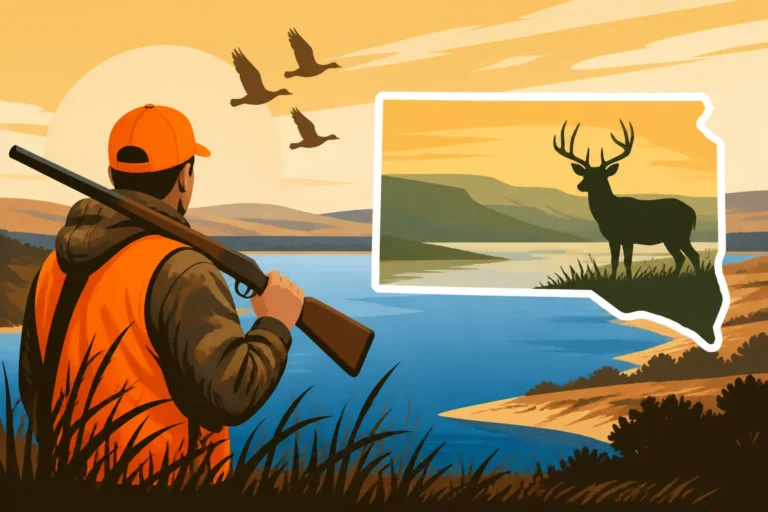
It's no secret that finding reliable, accessible hunting ground in South Dakota can feel like searching for a needle in a haystack, especially for those without existing private land connections. You might spend countless hours poring over maps, only to find public access is crowded or simply non-existent where you want to hunt. This guide is dedicated to helping you navigate the Controlled Hunting Access Program (CHAP), offering a unique pathway to private land opportunities that can significantly expand your hunting horizons in the state.
What is a CHAP Hunt?
The South Dakota Controlled Hunting Access Program, or CHAP, is a fantastic initiative designed to bridge the gap between landowners and hunters. Many hunters feel the squeeze of diminishing access, and landowners, while often willing to host, don't always know how to manage the requests or might be hesitant about opening their gates to strangers. CHAP steps in to facilitate these connections, offering a structured, permission-based hunting experience on private lands that might otherwise remain inaccessible. It's not a commercial outfitter situation with guides and lodges; it's a dedicated program focused solely on providing limited, responsible access to private property for specific hunting opportunities.
The Program's Purpose and Benefits
At its heart, the CHAP program serves a dual purpose. For hunters, it opens up new avenues to pursue game, often in areas with less pressure and potentially higher success rates than some public lands. Imagine having access to prime deer habitat or a hidden turkey roost that you'd never find on a map as public ground. For landowners, CHAP offers a structured way to manage hunting on their property, ensuring that access is controlled and that hunters are aware of specific rules and expectations. In many cases, it also serves as a valuable wildlife management tool, helping to meet population objectives for certain species while also fostering goodwill between the hunting community and private landholders. It’s a win-win, allowing ethical hunters to experience new ground while giving landowners peace of mind.
How CHAP Differs from Walk-In Areas
You might be thinking, "Isn't this just like a Walk-In Area (WIA)?" While both CHAP and Hunting South Dakota Walk-In Areas programs provide public access to private land, they operate quite differently. Walk-In Areas are generally open to anyone with the appropriate license during the specified season, typically without needing prior permission or a reservation. They are marked with prominent yellow signs and are managed for general public use on a first-come, first-served basis. The beauty of WIAs is their simplicity and widespread availability, making them a cornerstone of South Dakota's public hunting opportunities.
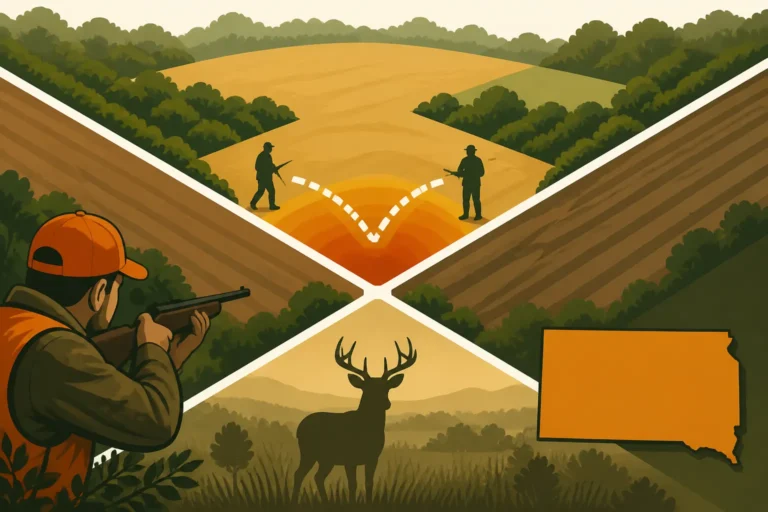
CHAP, on the other hand, is much more selective and controlled. Think of it as a private lottery for specific hunting periods on designated parcels. You apply for a chance to hunt a particular property during a set timeframe, and if drawn, you receive specific instructions and permission. This reservation system limits the number of hunters on a property at any given time, providing a more exclusive and often less crowded experience. It means you can plan your hunt knowing you won't be competing with a dozen other vehicles for a parking spot at dawn. It's a key distinction that appeals to hunters looking for a more personalized private land experience without the expense of an outfitter.
Eligibility and Application Process
Getting into a CHAP hunt requires understanding the specific steps involved, from ensuring you're eligible to navigating the online application system. It's not a complicated process once you get the hang of it, but missing a deadline or overlooking a requirement can easily derail your plans.
Hunter Eligibility and Licence Requirements
First things first: you need to be a properly licensed hunter in South Dakota. This means having your basic hunting license, and any specific tags or permits for the species you intend to pursue on the CHAP property. For instance, if you're applying for a deer hunt, you’ll need a valid deer tag for that unit and weapon type. The program is generally open to both resident and nonresident hunters, but the availability of certain hunt types or properties might favor one group over the other, depending on the specific program goals for that year. Always double-check the current hunting handbook for any specific requirements or restrictions. You'll also need to be in good standing, meaning no prior hunting violations that would disqualify you from participating in state programs. It's essential to complete any required hunter education courses as well, if applicable to your age or residency status. South Dakota Hunter Education and Licensing is a good resource if you need to brush up on those requirements.
The Online Application System
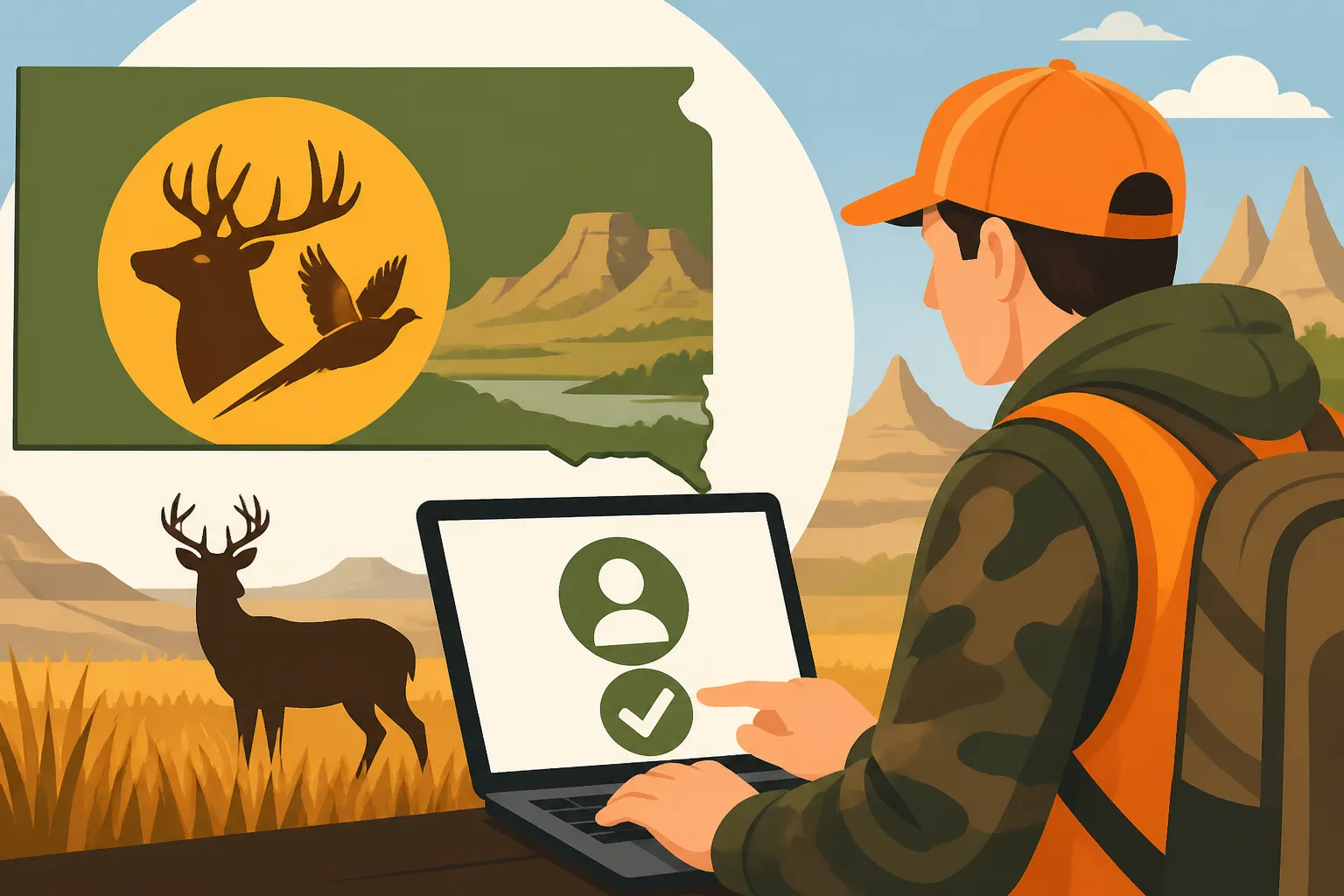
The entire CHAP application process is handled through an online portal managed by the South Dakota Game, Fish and Parks (GFP). It's a pretty user-friendly system, but it does require some navigation. When the application period opens, you'll typically find a dedicated section for CHAP hunts on the GFP website. Here’s a general rundown of how it works:
- Browse Available Hunts: The system will display a list of available CHAP properties, often categorized by species (e.g., deer, turkey, upland birds), weapon type (archery, firearms, muzzleloader), and the specific hunt dates. Each listing will usually include important details about the property, such as its size, a general location, and any specific rules or restrictions set by the landowner.
- Review Property Details: Pay close attention to the details for each hunt. Some properties might only allow archery, others might be specific to youth hunters, or have limits on the number of hunters per group. This is where tools like onX Hunt or GoHunt become incredibly valuable. You can often get a general location, then cross-reference with these mapping apps to visualize the terrain, cover, and potential access points, which can really help you decide if a particular CHAP property suits your hunting style.
- Apply to Hunts: You'll select the hunt(s) you're interested in and submit your application. Often, you can apply as an individual or as a group. For group applications, each member usually needs to be eligible and have the correct licenses. It's crucial to confirm all group members are committed before applying together, as changes can be difficult or impossible once submitted.
- The Lottery System: Because CHAP hunts are limited and demand often outstrips supply, successful applicants are typically chosen through a random lottery draw. This means simply applying doesn't guarantee you a spot, but it does give everyone a fair shot.
- Notification: If you're successful in the draw, you'll be notified by email or through your online GFP account. This notification will contain crucial information, including directions to the property, the exact dates you're allowed to hunt, and any specific contact information for the landowner if direct communication is required. It will also reiterate any rules for the property.
It's a straightforward process, but staying organized with your choices and deadlines is key.
Key Application Deadlines and Dates
CHAP hunt application periods and the actual hunt dates can vary significantly depending on the species and specific program offerings. Unlike some big game draws with fixed annual deadlines like South Dakota Deer Application Deadline or South Dakota Antelope Application Deadline, CHAP opportunities might be announced closer to the relevant hunting season.
Generally, you can expect upland bird CHAP applications to open in late summer or early fall, leading into the pheasant and grouse seasons. Deer and turkey CHAP hunts often have application periods in late summer for fall seasons, or earlier in the spring for turkey. It's always best practice to regularly check the South Dakota GFP website's "Hunting" or "Public Access" sections, or subscribe to their email newsletters. This ensures you're among the first to know when new opportunities are announced and when application windows open and close. Missing these windows means missing out on a chance at some incredible private land hunting.
Understanding CHAP Hunt Opportunities
Once you've navigated the application process, it's vital to understand what kind of hunting experiences CHAP can offer and what expectations you should set for yourself. These aren't always manicured properties, but rather real working landscapes that provide genuine hunting challenges and rewards.
Available Game Species and Hunt Types
CHAP hunts are incredibly diverse and can cater to a wide range of hunters and preferences. You'll primarily find opportunities for:
- Deer: Both white-tailed deer and mule deer, depending on the region of the state. These hunts might be archery-only, firearms, or even muzzleloader. South Dakota Deer Licence Types by Region will help you understand the broader landscape for deer tags, which you'll need in addition to your CHAP access.
- Wild Turkey: Spring and fall turkey hunts are often available, sometimes for Merriam's in the Black Hills, or Eastern and hybrid birds elsewhere. South Dakota Turkey Season Dates are important to cross-reference with any CHAP offering.
- Upland Birds: Pheasants, sharp-tailed grouse, and Hungarian partridge are popular targets, particularly in the prime habitat found on many private ranches and farms. These can be incredible opportunities to hunt less pressured birds.
The specific "hunt types" often refer to weapon restrictions, duration of the hunt (e.g., one day, a weekend), and the number of hunters allowed. Always check these details carefully to ensure they align with your hunting style and available equipment.
Property Details and Hunt Rules
When you apply for a CHAP hunt, the program provides as much information as possible about the specific property. This usually includes:
- Acreage: Knowing the size of the parcel gives you an idea of the ground you'll have to cover.
- Boundaries: While not always super detailed on the application page, you'll get enough info to use mapping apps to get a good sense of the area. This is where applications like onX Hunt or even GoHunt become indispensable. You can overlay property boundaries, terrain features, and satellite imagery to conduct your E-Scouting Walk-In Areas Before the Season equivalent for a private parcel. Knowing where the property lines are is absolutely critical to prevent accidental trespassing, so make sure your digital maps are loaded and ready. Finding Property Lines in South Dakota is a great skill to hone.
- Specific Rules: This is paramount. Landowners often have very particular rules, which might include:
- No driving off existing trails.
- Specific parking areas.
- No permanent blinds or stands (or specific rules for their use).
- Restrictions on certain hunting methods.
- Contact protocols with the landowner.
- Requirements for reporting harvest or even just reporting your presence.
These rules are there for a reason – to protect the landowner's property, livestock, and relationship with the hunting program. Adhering to them meticulously is non-negotiable.
What to Expect on a CHAP Hunt
A CHAP hunt is very much a do-it-yourself (DIY) experience. You won't have a guide waiting for you or meals provided. You're simply given permission to hunt a designated piece of private land during a specific window. This means you're responsible for:
- Scouting: Even with maps, you'll want to arrive early to get a feel for the property. Walk the edges, identify key cover, food sources, and travel corridors.
- Navigation: While you might get a general address, having your maps loaded on your phone or GPS is critical. You are responsible for staying within the designated boundaries.
- Logistics: Bring all your own gear, food, water, and be prepared for potential challenges like getting a deer out of a tricky coulee.
- Respect: This cannot be stressed enough. You are a guest on private property. Leave no trace, close all gates, avoid disturbing livestock, and follow all rules to the letter. A positive experience for the landowner directly contributes to the continuation and expansion of the CHAP program. Think about how you'd want someone to treat your own land. This respect is key to ensuring that South Dakota Landowner Permission Basics continue to yield opportunities for hunters.
Maximizing Your Chances and Success
While getting drawn for a CHAP hunt is a matter of luck, there are definitely strategies you can employ to increase your chances of being selected and to make the most of the opportunity if you are.
Strategy for Applying to CHAP Hunts
Don't just apply for the most popular deer hunt that everyone else is eyeing. Think strategically:
- Consider "Less Popular" Hunts: Some hunts might be less appealing to the general public, perhaps due to location, time of year, or specific restrictions. For example, a mid-week hunt might have fewer applicants than a weekend one. A muzzleloader deer hunt might have fewer applicants than a rifle hunt.
- Group Applications: Applying as a group often means that if one member of your group is drawn, everyone in the group gets access. This can be a double-edged sword: it increases the number of people who get access if drawn, but if the group is too large, it might reduce your overall odds of being drawn against smaller groups or individuals for properties with limited capacity. Review the specific group size limits for each hunt.
- Apply for Multiple Hunts: If allowed, apply for several different CHAP opportunities across various species and dates. The more applications you have in the lottery, the better your mathematical odds of being drawn for at least one.
- Understand the Demand: Some properties or species will always be highly coveted. While it's worth a shot, manage your expectations.
Pre-Hunt Preparation and Scouting
The real work begins before you even set foot on the property. Assuming you've been drawn, dedicate time to thorough pre-hunt preparation:
- Digital Scouting: This is your secret weapon. As mentioned earlier, use mapping tools like onX Hunt or GoHunt extensively. These platforms allow you to:
- Study Topography: Identify draws, ridges, and pinch points.
- Analyze Cover: Locate dense areas of cattails, shelterbelts, or timber where game might bed or travel. Reading Aerial Imagery for Cattail Cover is a vital skill here.
- Find Water Sources: Especially critical for antelope or in dry areas.
- Identify Access Routes: Determine the best, most respectful ways to enter and exit the property, avoiding undue disturbance to the landowner or their operations.
- Mark Key Locations: Drop pins for potential stand sites, glassing نقاط (points), or areas of high game sign.
- Weather Research: Understand the typical weather patterns for your hunt dates. South Dakota weather can be notoriously fickle, swinging from warm and sunny to blizzards in a single day.
- Gear Check: Ensure all your gear is in working order. Your rifle is sighted in, your archery equipment is tuned, your boots are comfortable for walking, and you have appropriate layers for any conditions.
- Practice: If it's a spot-and-stalk opportunity, practice shooting from various positions. If it's a stand hunt, make sure you're comfortable with your setup.
Ethical Hunting on Private Land
Your conduct on a CHAP hunt is a direct reflection not just on you, but on the entire hunting community. Upholding the highest ethical standards is paramount:
- Leave No Trace: Pack out everything you pack in, and then some. Leave the property cleaner than you found it. This includes spent shell casings, food wrappers, and any trash.
- Respect Boundaries: Stick strictly to the boundaries of the property you've been granted access to. A good map tool like onX Hunt will show you precisely where you can and cannot go. Respect any adjacent South Dakota Posted Land Signage Rules.
- Follow All Rules: Adhere to every single rule set by the landowner and the CHAP program, no matter how minor they seem. If a rule says "no driving off trail," then you don't. Period.
- Communicate Respectfully: If you have any reason to contact the landowner, be polite, clear, and concise. Thank them for the opportunity.
- Report Your Success (or Lack Thereof): Many CHAP hunts require you to report your harvest or even just report that you completed your hunt, regardless of success. This data helps the GFP manage the program and understand game populations.
By being a responsible and respectful guest, you not only ensure your own positive experience but also contribute to the long-term viability of the CHAP program, opening doors for future hunters and fostering good relationships between landowners and hunters across South Dakota.
Disclaimer
This article is for general informational purposes only and does not constitute professional advice. Laws, prices and regulations vary by location and change over time. Consult a qualified professional for guidance on your specific situation.