Species South Dakota Hunters Take Most
Many hunters dream of a South Dakota adventure, but when you first start looking into it, the sheer variety of hunting opportunities can be a bit overwhelming. You might find yourself asking, "What do people actually hunt the most here? Where should I even begin?" This guide will break down the most commonly pursued game species across the state, giving you a clear picture of what draws hunters to our fields, forests, and prairies year after year, and helping you understand where you might fit in.
The King of the Prairie: Ring-Necked Pheasants
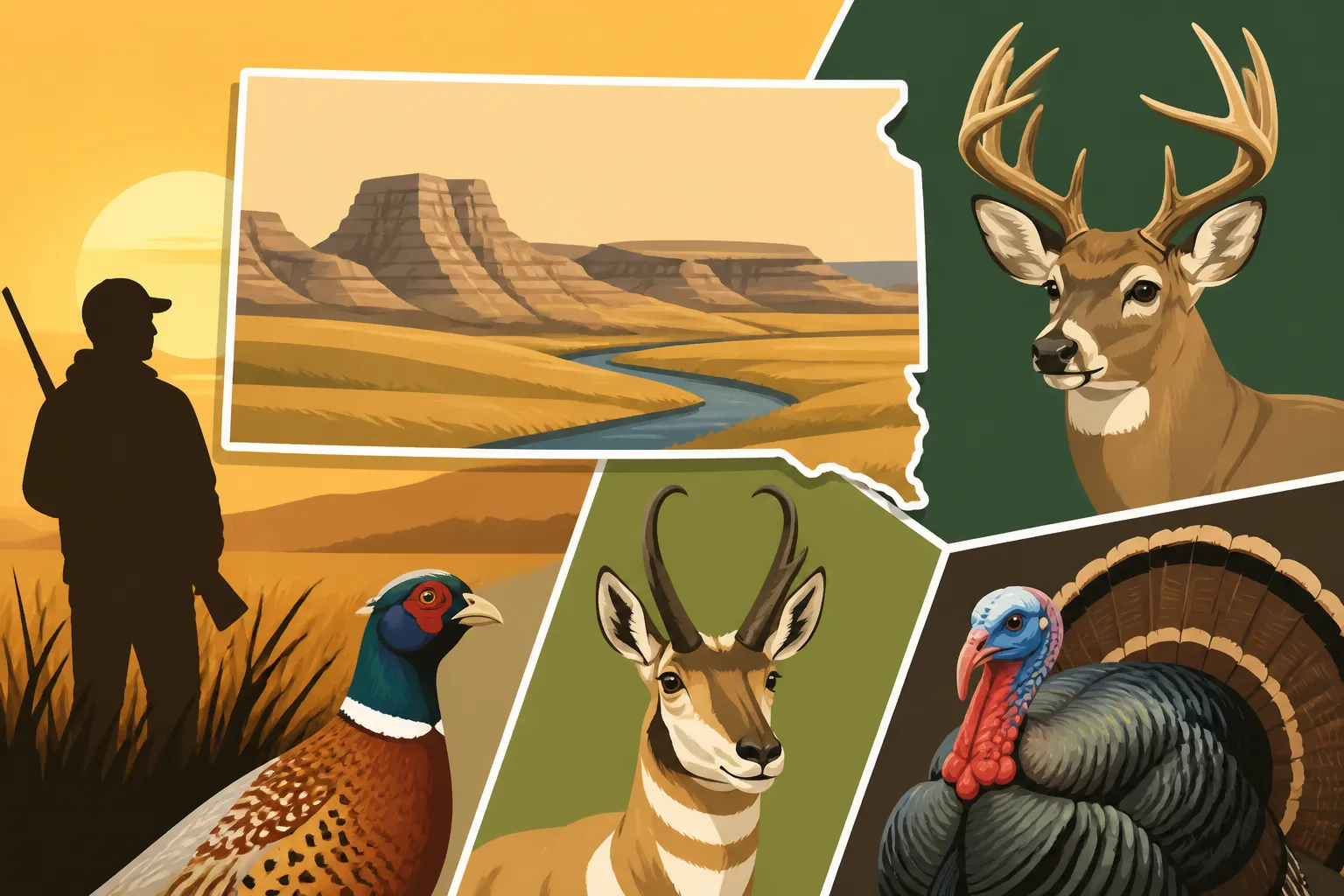
There's simply no escaping it: when you talk South Dakota hunting, you're talking pheasants. They are, without a doubt, the most popular and iconic game bird in the state, drawing hundreds of thousands of hunters from across the country every single fall. The ring-necked pheasant is more than just a bird here; it's a cultural phenomenon, an economic driver, and the source of countless memories made with friends, family, and good dogs.
Unmatched Popularity and Abundance
South Dakota’s unique blend of habitat—expansive grasslands, productive agricultural fields, and critical winter cover like cattail sloughs—creates an ideal environment for pheasants to thrive. This isn't just a marketing slogan; it's a verifiable fact that these birds are everywhere you look in the right areas. The state consistently leads the nation in pheasant harvest numbers, often by a significant margin. This abundance means hunters, whether seasoned veterans or first-timers, have a realistic expectation of getting into birds. It's the kind of place where even on a "slow" day, you'll likely still hear some cackling and see birds flying.
The ease of access through programs like the Walk-In Area (WIA) program, which opens up hundreds of thousands of acres of private land to public hunting, only adds to the allure. While the season technically starts with the South Dakota Pheasant Opener Date, serious hunting can run well into late December, often peaking in November. The experience of walking behind a good dog, anticipating the explosive flush of a rooster, is something truly special. For more about why these birds thrive, check out South Dakota Ring-Necked Pheasants.
Typical Hunting Experience and Success Rates
A typical South Dakota pheasant hunt involves walking fields of corn stubble, sorghum, CRP (Conservation Reserve Program) grass, or dense cattail sloughs, often with a team of hunters and a string of well-trained bird dogs. The dogs are the real stars, scenting out birds that would otherwise be invisible, flushing them within shooting range, and retrieving downed birds from the thickest cover imaginable. You might be pushing a long shelterbelt or working the edges of a food plot. The adrenaline rush when a rooster bursts from cover, cackling loudly, is something that never gets old.
Success rates are generally high, especially for those willing to put in the legwork. While daily bag limits are generous, it’s not always about limiting out; it’s about the camaraderie, the dogs, and the incredible landscapes. Many hunters, especially non-residents, secure a South Dakota Nonresident Small Game Licence Price and choose to hunt for a few What Two Five-Day Periods Mean, really making a trip out of it. Finding prime habitat is key, and resources like the South Dakota Public Hunting Atlas or even premium mapping applications such as GoHunt's mapping tools can be invaluable for identifying potential pheasant hotspots, especially when looking for those critical winter cover areas.
Deer Hunting: The Heartland's Big Game Draw
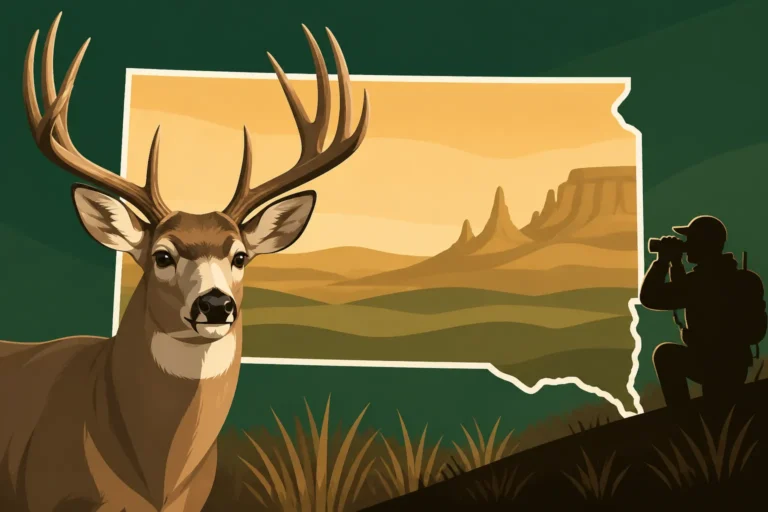
While pheasants reign supreme, deer hunting is incredibly popular and holds a significant place in the hearts of many South Dakota hunters, both resident and nonresident. The state offers diverse opportunities for both white-tailed deer and mule deer, each presenting its own unique challenges and rewards. Many hunters spend years building preference points hoping to draw a coveted tag.
Whitetails: River Bottoms and Agricultural Edges
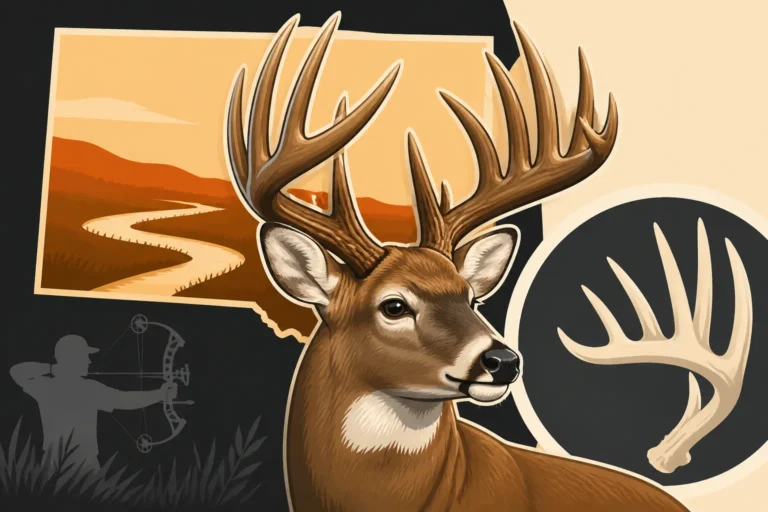
White-tailed deer are found throughout South Dakota, but they truly thrive in the river bottoms, timbered draws, and agricultural fringes of the East River region, and along the major river corridors like the Missouri River. These areas provide the perfect blend of food, water, and cover that whitetails crave. Hunting here often involves treestands or ground blinds set up along pinch points, food plot edges, or travel corridors, especially during the rut when bucks are actively searching for does. Whitetails in Missouri River Timber can offer some incredible hunting.
For many resident hunters, pursuing whitetails is an annual tradition, a chance to fill the freezer and maybe even tag a respectable buck. Nonresidents can also draw whitetail tags, particularly archery tags or through the general East River draws, though it can take some points. The thrill of a mature whitetail buck slipping through the timber or cautiously approaching a food plot is a classic hunting experience that drives many hunters back to the field year after year. Understanding How Buck Movement Changes Through the Rut is critical for success.
Mule Deer: West River Challenges and Rewards
West of the Missouri River, the landscape transitions to the iconic "West River breaks"—rolling hills, deep draws, and vast expanses of prairie and sagebrush. This is mule deer country. These majestic deer, with their large ears and distinctive bounding gait, offer a completely different hunting experience than their whitetail cousins. Mule deer hunting often involves extensive glassing from elevated positions, followed by challenging spot-and-stalk tactics across open terrain. Patience and good optics are your best friends out here.
Drawing a West River mule deer tag can be tougher, especially for nonresidents, often requiring several years of building preference points. However, the reward of harvesting a wild mule deer buck in such an expansive and rugged landscape is incredibly satisfying. Tools like GoHunt can be particularly useful for e-scouting the vast public lands in this region, identifying key topographical features like coulees and ridge lines where mule deer might be bedding or feeding. For more on finding these animals, check out Mule Deer on the West River Breaks. The physical demands are often higher, requiring hunters to cover significant ground and be prepared for long shots, often needing a Rifle Choice for West River Mule Deer.
Pronghorn Antelope: The Speedsters of the Plains
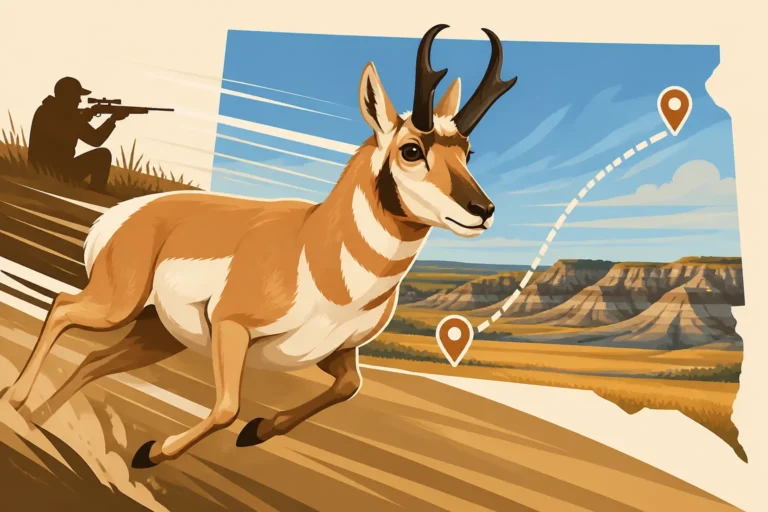
Another uniquely South Dakotan big game experience is hunting pronghorn antelope. These incredibly fast animals are synonymous with the open, rolling prairies of the West River country and are a bucket-list species for many. While not as numerous as pheasants or deer, they offer an exciting and often high-success hunt for those lucky enough to draw a tag.
Unique Hunt, High Success
Antelope hunting in South Dakota is primarily a spot-and-stalk affair, though decoy hunting can also be incredibly effective, especially during the early archery season. Their exceptional eyesight means hunters need to be incredibly stealthy and skilled at using terrain to their advantage. A good pair of binoculars or a spotting scope is essential for locating bucks at long distances, and then the real challenge begins: closing the distance without being seen. How Close You Can Stalk a Pronghorn often dictates your success.
Many hunters find the antelope draw to be more accessible than some of the premier deer or elk tags, offering a fantastic big game opportunity without accumulating decades of points. The general success rates are high for those who put in the effort, making it a very rewarding hunt. For detailed information on the draw process, refer to South Dakota Antelope Season and Draw.
Where to Find the Fastest Land Mammals
Pronghorn are concentrated in the vast, open rangelands of western and central South Dakota. Areas like the Buffalo Gap National Grassland and Fort Pierre National Grassland hold significant populations. They thrive in wide-open spaces where their incredible speed and eyesight give them an advantage against predators. You’ll typically find them grazing on grasses and forbs, often in small herds. They are always on the move, covering vast distances in a day. Understanding their natural behavior and preferred habitat, like specific draws and water sources, is key to locating them. Pronghorn Antelope on the South Dakota Prairie gives a great overview of this fascinating animal.
| Species | Primary Habitat | General Popularity | Typical Hunting Method | Key Challenge |
|---|---|---|---|---|
| Ring-Necked Pheasant | Grasslands, Crop Edges, Sloughs | Extremely High (Iconic) | Walking with dogs, blocking | Locating birds in cover |
| White-Tailed Deer | River Bottoms, Timber, Ag Fields | High | Treestand, Ground Blind | Rut timing, patience |
| Mule Deer | West River Breaks, Sagebrush | Moderate (Draw Dependent) | Spot-and-Stalk, Glassing | Stealth, shot distance |
| Pronghorn Antelope | Open Prairie, Rangeland | Moderate (Draw Dependent) | Spot-and-Stalk, Decoying | Extreme eyesight |
| Waterfowl (Ducks/Geese) | Prairie Potholes, Rivers | High | Decoying, Blind Hunting, Jump Shooting | Weather, migration patterns |
Waterfowl: The Central Flyway's Bounty
South Dakota sits squarely in the heart of the Central Flyway, making it a critical stopover and breeding ground for millions of ducks and geese. For waterfowl enthusiasts, the opportunities are truly world-class, offering a diverse array of species and hunting scenarios.
Ducks and Geese Galore
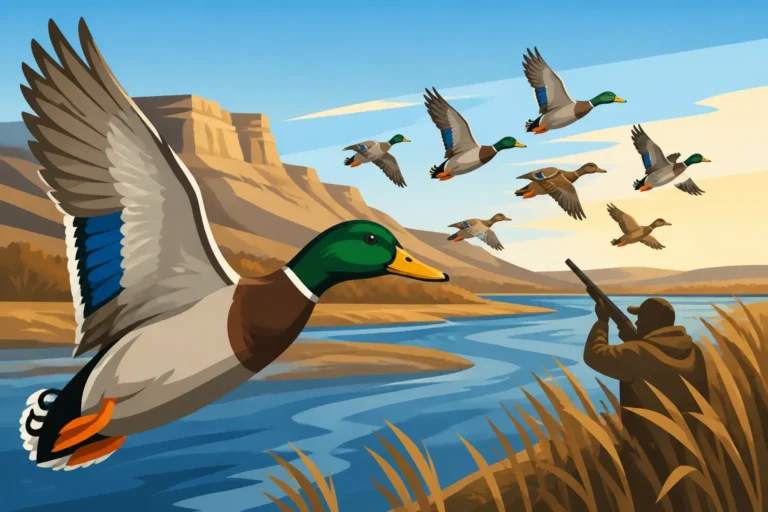
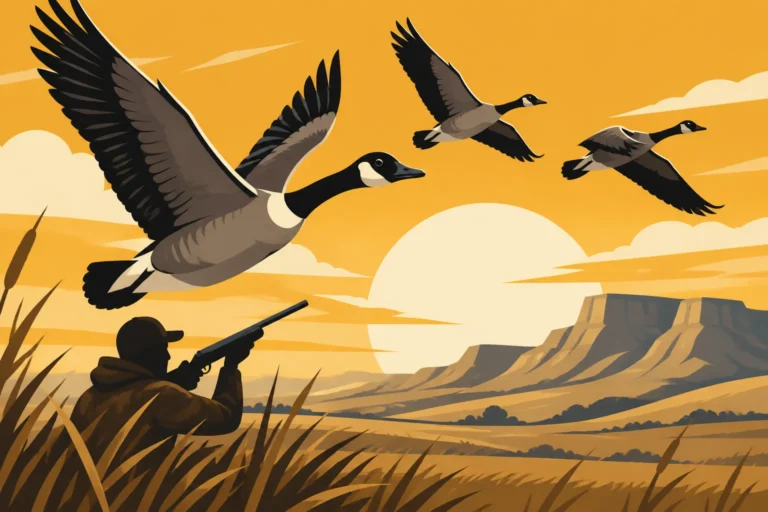
From mallards and pintails to canvasbacks and teal, and various species of geese including Canada geese and snow geese, the skies over South Dakota can be thick with birds during migration. The state offers exceptional hunting for both dabbling and diving ducks on its countless prairie potholes, stock dams, and the vast reservoirs of the Missouri River. Early season hunts can be incredibly productive for local birds, while later in the season, hunters target new waves of migratory birds pushing down from the north. South Dakota Waterfowl on the Central Flyway explains why this region is such a magnet for birds.
Goose hunting is equally popular, with opportunities for large Canada geese in cut agricultural fields and during the special early goose season. The sheer volume of birds, especially during the spring snow goose conservation order, is something truly spectacular and offers a unique hunting experience. Layout blinds in stubble fields are a common sight, as hunters meticulously set up large decoy spreads.
Prairie Potholes and Missouri River Basins
The eastern half of South Dakota, often referred to as the "Prairie Pothole Region," is dotted with thousands of small wetlands, creating prime breeding and staging habitat for ducks. Hunting these smaller water bodies often involves portable blinds, waders, and a modest decoy spread. It's an intimate experience, often highly productive.
Further west, the mighty Missouri River and its four large reservoirs (Lake Oahe, Lake Sharpe, Lake Francis Case, and Lewis and Clark Lake) offer a different kind of waterfowl hunting—big water hunting for divers and large concentrations of Canada geese. These vast bodies of water can hold incredible numbers of birds, but require specialized gear, including boats and large decoy spreads, to effectively hunt. Whether you prefer the quiet solitude of a prairie pothole or the expansive challenge of a major river system, South Dakota offers exceptional waterfowl hunting. Many hunters rely on detailed maps, perhaps even utilizing platforms like GoHunt that integrate various land ownership layers, to scout out accessible public water or secure private permissions for field hunting geese. For more focused tactics, consider Waterfowl Hunting the South Dakota Prairie.
Wild Turkeys: Gobblers in the Hills and on the Prairie
While not as universally pursued as pheasants or deer, wild turkeys have a strong and growing following in South Dakota. The state boasts healthy populations of both Merriam's turkeys in the Black Hills and Eastern/hybrid subspecies in the timbered river corridors and shelterbelts of the prairie.
Black Hills and Prairie Opportunities
The Black Hills offer classic Merriam's turkey hunting, set amidst the pine forests and mountainous terrain. Spring turkey season here is a truly memorable experience, calling gobblers through the scenic ponderosa pines. It's a challenging hunt that requires stealth, keen listening skills, and often a lot of hiking up and down hills. The rewards of hearing a booming gobble echo through the timber are immense.
On the prairie, turkeys are found along the major river systems like the Missouri, James, and Big Sioux, as well as in the numerous tree belts and farmsteads. These prairie birds often behave differently, sometimes requiring more aggressive calling or patterning their movements in agricultural landscapes. Both spring and fall seasons offer opportunities, with fall seasons often allowing for either-sex birds. Hunters will often secure their South Dakota Turkey Season Dates and plan their hunt accordingly.
Accessibility and Unique Challenges
Turkey hunting in South Dakota is accessible to both residents and nonresidents through draw systems for specific units, or general over-the-counter tags for some seasons, particularly archery. The challenge lies in outsmarting these incredibly wary birds. Their keen eyesight and hearing, combined with their tendency to "hang up" just out of range, make calling in a mature gobbler a true test of skill and patience. Whether you prefer the rugged beauty of the Black Hills or the expansive views of the prairie, a South Dakota turkey hunt provides a thrilling experience. Knowing Where South Dakota Turkeys Roost can be a major advantage.
Disclaimer
This article is for general informational purposes only and does not constitute professional advice. Laws, prices and regulations vary by location and change over time. Consult a qualified professional for guidance on your specific situation.