What Two Five-Day Periods Mean
If you're looking to plan a hunting trip to South Dakota, especially for our legendary pheasants, you've likely stumbled upon something that can be a real head-scratcher: the "two five-day periods." It's a unique system, and it often leaves nonresident hunters scratching their heads, wondering exactly what it means for their trip planning and how to make the most of their precious time in the field. This guide is here to unravel that mystery, explain why this system exists, and help you navigate your choices so you can enjoy your South Dakota hunt without any unexpected surprises.
Understanding South Dakota's Unique Five-Day Hunting Periods
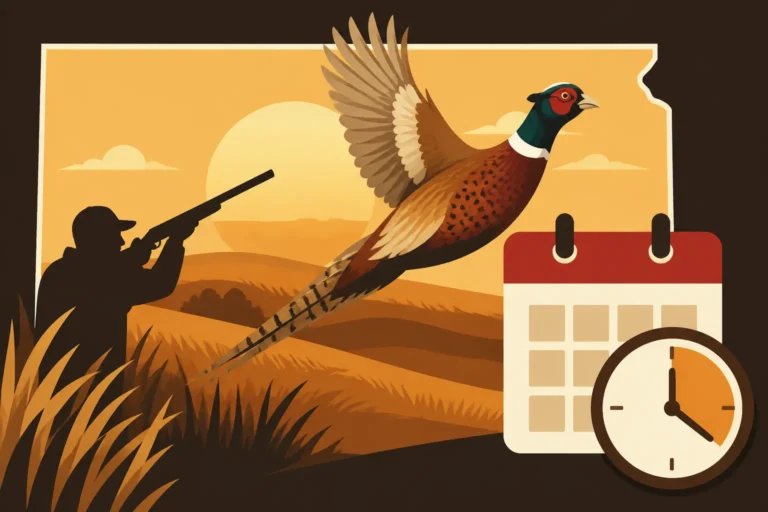
South Dakota, famously known as the "Pheasant Capital of the World," attracts thousands of nonresident hunters each year. To manage hunting pressure, spread out opportunities, and ensure a quality experience for everyone, the South Dakota Game, Fish and Parks (GFP) implemented a specific system for nonresident pheasant licenses. Instead of allowing nonresidents to hunt the entire season continuously, most nonresident pheasant licenses are structured around two distinct five-day hunting periods.
This means that when you purchase your nonresident small game license that includes pheasant hunting, you're not buying a license for a full season. You are specifically purchasing the right to hunt for two separate five-day blocks of time. These blocks don't have to be consecutive, which offers some flexibility, but they are rigid once chosen. It's a critical detail that can make or break your hunting trip planning, especially if you're coordinating with a group.
How Nonresident Pheasant Hunting Periods Work
Let's break down the mechanics. When a nonresident applies for a pheasant license, they are required to designate their chosen five-day hunting periods. This is typically done during the application process, often online via the GFP website. You'll essentially pick two distinct sets of five calendar days. For example, you might select October 21-25 as your first period and November 8-12 as your second. During your chosen five-day period, you can hunt pheasants every day. Outside of those specific ten days (spread across two periods), your nonresident pheasant license is not valid for pheasant hunting.
It's paramount to understand that these periods are fixed once selected. Changing them later can be difficult, if not impossible, depending on the GFP rules for that year. This makes the initial decision quite important for trip logistics, especially regarding travel and lodging. Imagine booking flights and a cabin only to realize your hunting dates don't align with your license! It's an avoidable headache if you plan carefully. Understanding the costs associated with these licenses is also crucial, and you can find more details on South Dakota Nonresident Licence Costs to budget appropriately.
The Rationale Behind Staggered Seasons
The system of staggered five-day periods isn't arbitrary; it serves a crucial purpose in wildlife management and hunter experience. Firstly, it helps to distribute hunting pressure throughout the season, particularly during the peak pheasant opener. Without this system, there would be an even more massive influx of nonresident hunters during the first week or two, potentially leading to overcrowded public lands and highly pressured birds. By spreading out hunting effort, it allows fields to "rest" between hunting groups, which can result in more consistent bird numbers and a better experience for subsequent hunters.
Secondly, it aims to balance access for both nonresident and resident hunters. While nonresidents are limited to these specific periods, residents generally have a continuous pheasant season (with some initial resident-only days). This staggered approach helps maintain the quality of the hunting experience that South Dakota is famous for, ensuring that even later in the season, there are still ample opportunities for flushing roosters. For those interested in the full scope of regulations, reading up on South Dakota Pheasant Season and Licences provides comprehensive detail.
Navigating the Selection Process for Your Periods
Choosing your two five-day hunting periods is arguably one of the most critical decisions you'll make when planning your South Dakota pheasant hunt as a nonresident. It's not something to do on a whim, as these dates will dictate your entire trip. The process typically occurs when you apply for your license online. You'll be presented with a calendar or a list of available periods and will need to carefully select your preferred dates.
Unlike some other states where you might buy a "season-long" license, South Dakota's system requires this foresight. And once those dates are locked in, they’re pretty much set in stone. While there might be rare exceptions or processes for emergency changes (like a severe illness), you should operate under the assumption that your chosen dates are final. This rigidity makes careful consideration of various factors absolutely essential.
Timing Your Hunt for Optimal Success
When should you schedule your two five-day periods? That's the million-dollar question, and it depends on what kind of hunt you're after. Many hunters flock to the opener, which typically falls on the third Saturday of October. The energy is electric, birds are often less wary, and cover isn't as thick. However, the opener also brings the heaviest hunting pressure, especially on public lands. If you enjoy the camaraderie and don't mind sharing the field, this can be an exciting time. If you prefer fewer crowds, you might want to select periods a week or two later.
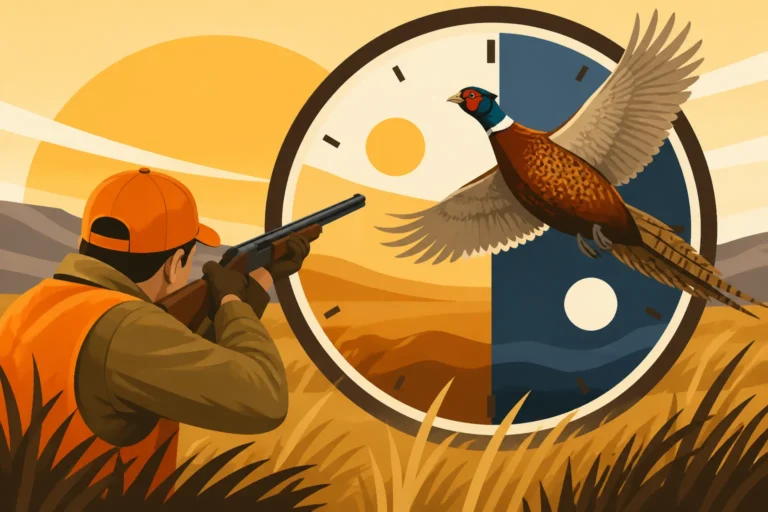
Mid-season hunts (November) can offer excellent opportunities as crops are often harvested, concentrating birds in remaining cover. The weather can be colder, but this often means more active dogs and birds holding tighter. Late-season hunts (December) are for the truly dedicated. Birds are extremely educated and wary, and heavy snow often requires specialized tactics, but the rewards of a hard-earned rooster in a stark winter landscape are immense. Many hunters use tools like GoHunt to scout potential public and private land options, helping them strategically choose periods that align with their preferred hunting style and expected bird behavior. It's worth noting that even on the opener, shooting hours don't start until 10 a.m. for pheasants, a rule designed to let birds feed and disperse naturally before the hunting begins. Learn more about this by checking out Ten a.m. Start Times and Bird Behaviour. For those who love the challenge, a Late-Season South Dakota Pheasants in Heavy Cover hunt can be incredibly rewarding.
Group Coordination and Planning
If you're hunting with a group, coordinating your five-day periods is non-negotiable. Every nonresident hunter in your party must select the exact same five-day periods for their licenses. If even one person has different dates, they won't be legally able to hunt pheasants with the rest of the group outside their specified periods. This can lead to frustrating situations, where someone sits out, or the group's plans are severely disrupted.
Therefore, before anyone applies for a license, have a clear discussion and decision on the precise dates. This applies not just to hunting days but also to travel and lodging arrangements. Finding accommodations in popular pheasant towns like Aberdeen, Huron, or Chamberlain can be tough, especially during peak periods. Booking your lodge or hotel rooms well in advance, coinciding with your chosen hunting periods, is essential. For comprehensive advice on securing your trip, consider reading up on Booking a South Dakota Pheasant Hunt. It's much easier to confirm dates with your group first, then book your travel, and then apply for licenses.
Maximizing Your Hunting Experience Within the Periods
Once you've locked in your two five-day periods, your next mission is to make the absolute most of those precious ten days in the field. South Dakota offers diverse habitats, from expansive grasslands and cattail sloughs to cornfields and shelterbelts. Adapting your tactics to the weather, cover, and bird behavior within your chosen periods is key to success.
Don't just stick to one type of cover; try to explore a variety of terrain. One day might be perfect for working a dense slough, while another might call for a strategic push through a picked cornfield. The beauty of South Dakota hunting is this variety, and being flexible in your approach can greatly increase your odds of success. For a deep dive into effective hunting methods, be sure to read our guide on South Dakota Pheasant Hunting Tactics for the Opener.
Adapting to Weather and Bird Movement
South Dakota weather can be famously unpredictable, and your two five-day periods might experience a wide range of conditions. One period could be warm and sunny, making dogs work harder and birds potentially run more. The next could be cold and blustery, causing birds to hold tight in heavy cover. Knowing how to adapt to these changes is a hallmark of a successful hunter.
On warm days, remember to keep your dog hydrated and avoid overworking them. Early season heat can be brutal on hunting dogs, so understanding Keeping a Dog Cool on an Early Opener is vital for their safety and effectiveness. Conversely, cold, windy days are often fantastic for pheasants, as they'll hunker down, making them more accessible to good dog work. Pay attention to wind direction, as birds will often flush into the wind. Your ability to adjust your strategy based on the daily conditions within your two five-day windows will significantly impact your hunting success.
Utilizing Public and Private Land Effectively
South Dakota boasts an impressive amount of public hunting land, especially through its Walk-In Area (WIA) program and Game Production Areas (GPAs). These are invaluable resources for nonresident hunters. However, knowing that these areas often see significant pressure, especially during the opener and popular periods, is important. Planning to visit less accessible or larger WIAs, or even walking a little further than others, can pay dividends.
Many hunters use mapping apps like those from GoHunt to identify Walk-In Areas, understand property boundaries, and scout potential cover remotely. This foresight allows you to hit the ground running during your chosen five-day periods. If you're fortunate enough to secure private land access, the pressure dynamics change, but still, utilize your mapping tools to understand the lay of the land. For a comprehensive overview of public land, definitely check out South Dakota Walk-In Areas Explained. For those seeking a more exclusive experience, our article on Finding Private Land Access in South Dakota offers excellent advice.
Common Misconceptions and FAQs
The two five-day period system often generates a lot of questions. Let's clear up some of the most common misconceptions.
What Happens If You Hunt Outside Your Chosen Periods
Hunting outside of your declared five-day periods with a nonresident pheasant license is illegal. It's considered hunting without a valid license, and the penalties can be severe, including significant fines, confiscation of game, and potentially losing your hunting privileges in South Dakota for an extended period. The South Dakota Game, Fish and Parks wardens are diligent, and they have ways of checking license validity. Always double-check your license and trip dates before heading into the field. This isn't just a technicality; it's a fundamental part of the state's hunting regulations designed to ensure fair chase and resource management.
Resident Versus Nonresident Period Rules
It’s important to reiterate that these strict two five-day periods primarily apply to nonresident pheasant hunters. South Dakota residents, on the other hand, typically have a much longer, continuous pheasant season. There are usually "resident-only" days at the very beginning of the season, which allows local hunters to enjoy less pressured fields before the nonresident season officially opens. After those resident-only days, the season opens for all licensed hunters, with nonresidents limited to their chosen 5-day blocks. So, if you're a resident, you don't need to worry about picking specific 5-day periods, but you should be aware of when South Dakota Resident-Only Pheasant Dates are in effect. This distinction highlights the state's effort to manage its beloved pheasant resource for all who wish to enjoy it.
Here’s a quick summary table to help clarify the key aspects of these hunting periods:
| Feature | Description | Who it Affects | Key Considerations |
|---|---|---|---|
| Hunting Limit | Nonresident hunters are limited to two separate five-day periods for pheasant hunting. | Nonresident pheasant hunters | Total of 10 hunting days. Once chosen, dates are typically fixed. |
| Selection Process | Periods are selected during the online license application. | Nonresident pheasant hunters | Coordinate with your hunting party before applying to ensure everyone selects identical dates. |
| Purpose | Manages hunting pressure, distributes hunters, balances opportunities for residents and nonresidents. | All hunters and pheasant populations | Influences bird behavior and density on public lands. Can impact the quality of hunting. |
| Flexibility | Periods do not have to be consecutive but are generally unchangeable once selected. | Nonresident pheasant hunters | Allows hunters to spread out their trip or come back for a second hunt. Requires careful planning for travel and lodging. |
| Legal Compliance | Hunting outside your chosen periods is illegal and can result in fines and loss of privileges. | All hunters | Always confirm your license dates. South Dakota GFP actively enforces these regulations. |
Understanding and respecting South Dakota's two five-day hunting periods is fundamental to a successful and legal nonresident pheasant hunt. It's a system designed to preserve the quality of hunting that makes South Dakota famous. Plan meticulously, coordinate with your group, and embrace the unique challenge and reward of hunting pheasants in the Cornhusker State within your chosen windows.
Disclaimer
Please note that hunting regulations, license requirements, and season dates are subject to change. Always consult the official South Dakota Game, Fish and Parks (GFP) website or their current hunting handbook for the most accurate and up-to-date information before planning any hunting trip. This guide is for informational purposes only and should not be considered a substitute for official state regulations.