Predator Impact on South Dakota Fawns
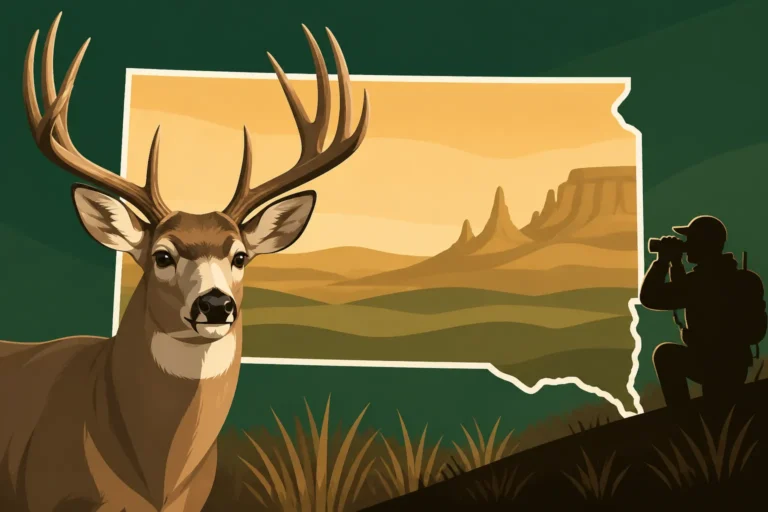
It's a conversation that can get heated around campfires and coffee shop counters across South Dakota: just how much do predators impact our deer and antelope fawn populations? Hunters see fewer fawns trailing does, hear more coyotes at night, and naturally, they start to connect the dots. The frustration is real when you feel like the game numbers aren't what they should be, and you're left wondering if predators are simply taking too many of the young ones before they even have a fighting chance. This guide will dive deep into the complex reality of predator impact on South Dakota fawns, separating fact from anecdote and exploring what wildlife managers and hunters alike are up against.
Understanding the Vulnerability of South Dakota Fawns
There's no sugarcoating it: the first few weeks of a fawn's life are incredibly perilous. These tiny creatures, whether it's a whitetail fawn or a newborn mule deer, enter the world essentially defenseless, relying almost entirely on concealment and their mother's protection. It's a critical period where the balance between survival and becoming a meal for a hungry predator hangs precariously.
The Critical First Weeks of Life
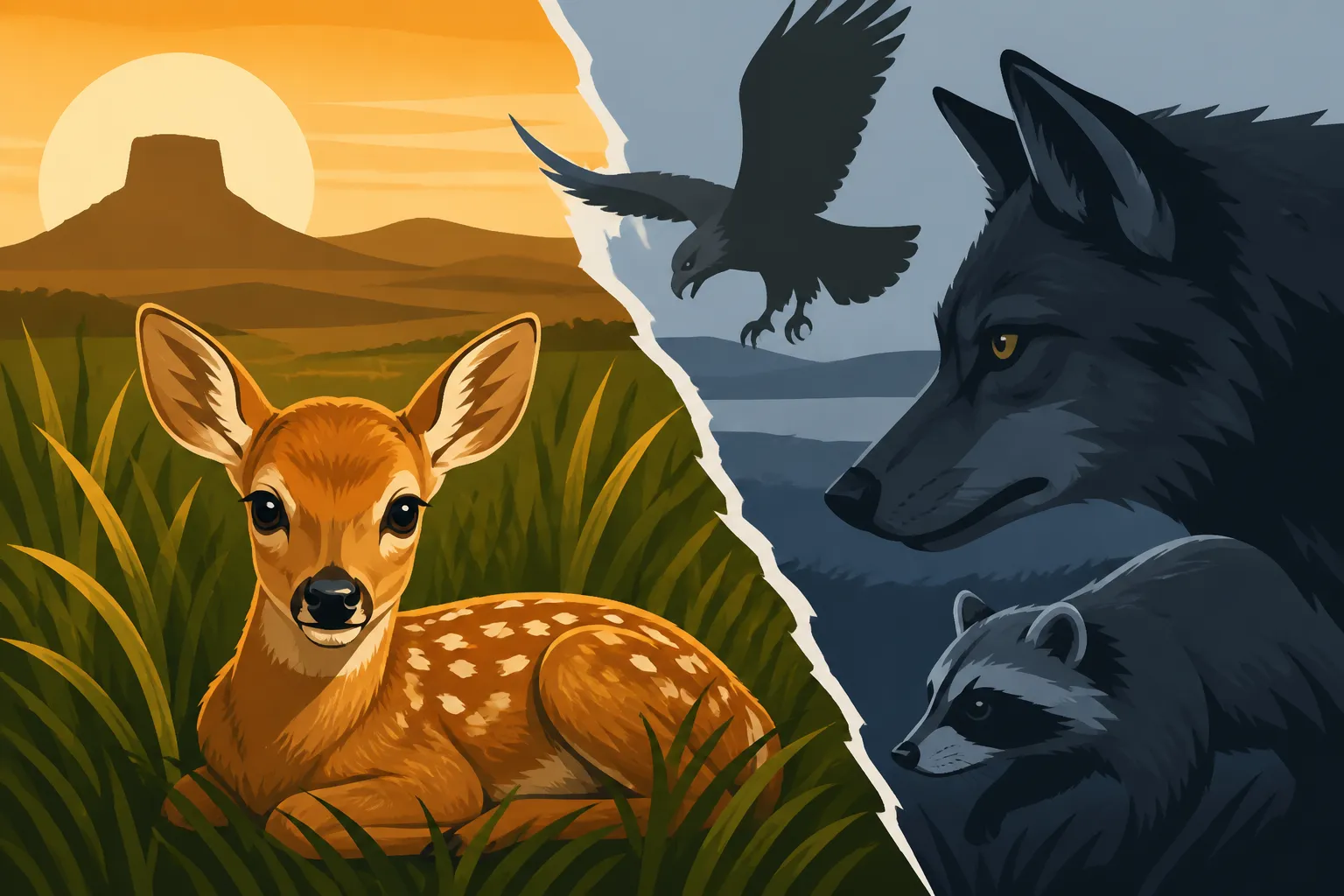
When a fawn is born, often in late spring or early summer, it's a marvel of nature but also incredibly vulnerable. For the first few days, sometimes up to a couple of weeks, fawns spend most of their time bedded down, hidden by their mothers in tall grass, dense cover, or brush. They possess very little scent, which is their primary defense mechanism against detection. Their spotted coats offer fantastic camouflage, blending seamlessly with dappled sunlight and shadows on the forest floor or prairie. They are also masters of immobility, freezing at the first sign of danger, a behavior that often saves them. However, this strategy is only effective if they remain undetected, and unfortunately, predators are remarkably adept at sniffing out a hidden meal. During this fragile time, any disturbance can be fatal, whether it's a coyote stumbling upon them or human activity causing the doe to abandon them temporarily.
Habitat's Role in Fawn Survival
The quality and availability of habitat play an enormous role in a fawn's survival. Think about it: a doe needs a safe, secluded place to drop her fawns, somewhere with dense overhead cover to hide them and nearby forage to keep herself nourished so she can produce enough milk. In South Dakota, this might mean a thick cattail slough, a dense shelterbelt, a brushy coulee, or the tall CRP grass that can swallow a newborn whole. When these critical habitats are fragmented, diminished, or disturbed, fawns are exposed to higher risks. For instance, open, cultivated fields offer very little in the way of hiding spots, pushing fawns into smaller, more concentrated pockets of cover where predators can more easily key in on them. A healthy landscape with a mosaic of dense cover, water, and food sources provides countless hiding spots, effectively diluting predator efficiency and increasing the odds that more fawns will reach maturity. Using mapping tools like GoHunt can help you visualize these habitat types and understand why certain areas might produce more fawns.
Key Predators of Fawns in South Dakota
South Dakota is home to a diverse array of predators, many of whom opportunistically, or even primarily, target young and vulnerable prey. While the coyote often takes center stage in these discussions, it's important to remember that they are not the only players in the ecosystem.
Coyote Predation on Fawns
Coyotes are, without a doubt, a significant predator of fawns in South Dakota. Their populations are widespread, adaptable, and their hunting tactics are incredibly effective. A single coyote, or a pair, can cover vast amounts of ground, systematically searching for prey. They often key in on areas where fawns are likely to be bedded, like the edges of fields, dense grass, or brushy draws. Studies, both locally and in other states, have shown that coyotes can account for a substantial percentage of fawn mortality, especially in the first few weeks after birth. South Dakota Coyote Population numbers can fluctuate, but they are consistently present in deer country. The challenge for a fawn is that even when a doe is nearby, she often cannot defend her fawn against a determined coyote. Her instinct is to draw the predator away, but sometimes, it's too late. The sheer number of coyotes and their efficiency make them a primary concern for fawn recruitment.
Other Mammalian Predators
While coyotes grab most of the headlines, they are far from the only mammalian predators posing a threat to fawns. Red foxes, though smaller, are cunning hunters and can certainly take a newborn fawn, especially if the fawn is particularly small or the fox is exceptionally bold. Red Fox and Swift Fox in South Dakota are common across much of the state, and their opportunistic nature means a helpless fawn is a prize. Bobcats, while less common than coyotes, are also highly effective predators and will readily kill fawns. In the western part of the state, particularly near the Black Hills, mountain lions are present, and a fawn is an easy meal for them. While Mountain Lion Sightings East River are rare, they do occur, and any big cat would not pass up a vulnerable fawn. Even domestic dogs, if allowed to roam freely, can become significant predators, either directly killing fawns or stressing does to the point where fawns are compromised.
Avian Predators and Fawn Health
It might seem less intuitive, but avian predators can also contribute to fawn mortality, though typically not as the primary cause. Large raptors like golden eagles and even some larger hawks are known to prey on very young or weak fawns. While they usually target smaller animals, an especially vulnerable or sickly fawn can become a target. More often, birds like crows, magpies, and even vultures might contribute to the demise of a fawn that has already been injured, abandoned, or is suffering from disease or malnutrition, essentially cleaning up what other factors have initiated. They are part of the broader scavenger and opportunistic predator ecosystem that can further reduce fawn survival rates.
The Complexities of Predator-Prey Dynamics
Understanding predator impact isn't as simple as counting coyotes and fawns. It's a dynamic interplay influenced by a myriad of factors, where sometimes predation is merely a symptom of other underlying issues. This complex web is what wildlife managers grapple with daily.
Factors Influencing Predation Rates
Predation rates on fawns are not constant; they fluctuate based on several interconnected factors. First, the overall health and density of the deer population itself play a huge role. If doe health is poor due to drought, harsh winters, or lack of nutrition, they may give birth to smaller, weaker fawns, or even fewer fawns, making those that are born more susceptible. Mule Deer Fawn Recruitment in Dry Years is a real challenge, as dry conditions impact forage quality and quantity. Conversely, an overpopulated deer herd can stress the habitat, leading to a domino effect of poorer fawn survival, even with moderate predator numbers.
Second, the availability of alternative prey for predators is critical. If rabbit, rodent, or bird populations are booming, coyotes might focus less on fawns. If these alternative food sources are scarce, predators will intensify their search for deer and antelope fawns. Weather conditions also impact predation; a late spring blizzard or a prolonged cold snap can weaken fawns, making them easier targets. Furthermore, human activities, such as habitat alteration, road construction, or even intense recreational use in birthing areas, can inadvertently increase fawn vulnerability by displacing does or exposing hiding spots. This makes comprehensive e-scouting with platforms like GoHunt invaluable for understanding potential conflicts.
Compensatory vs. Additive Mortality
This is a concept that often gets lost in passionate discussions about predator control. Wildlife biologists distinguish between "compensatory" and "additive" mortality. Compensatory mortality means that predators are primarily taking fawns that would have died anyway from other causes, such as disease, starvation, birth defects, or abandonment. In this scenario, reducing predator numbers might not lead to a significant increase in the adult deer population because those fawns would likely have succumbed to something else. The predators are essentially culling the weakest, leaving the stronger ones to survive and pass on their genes. EHD and South Dakota Deer Die-Offs are a classic example of non-predator mortality that can be compensatory or additive.
Additive mortality, on the other hand, occurs when predators are killing fawns that would have otherwise survived to adulthood. In this case, predator pressure directly reduces the overall deer population, and reducing predator numbers could lead to an increase in deer numbers. The challenge for wildlife managers is determining whether predation is primarily compensatory or additive in a given area and year. This requires extensive research, including fawn survival studies where fawns are collared and monitored from birth. It's a nuanced discussion, and the answer isn't always black and white, making broad statements about predator impact difficult to apply universally.
Management Strategies and Hunter Involvement
Given the complexities, managing predator impact on South Dakota fawns is not a simple task. It requires a multi-faceted approach, and hunters play a crucial role, not just as harvesters, but as informed participants in conservation.
Wildlife Management Approaches
Wildlife agencies, like South Dakota Game, Fish and Parks, employ various strategies to manage fawn survival. Habitat management is often paramount. This includes maintaining and enhancing dense nesting cover, protecting riparian areas, and promoting diverse native vegetation. Creating good habitat can reduce predation by providing more hiding spots and supporting healthier deer. When you're Scouting South Dakota Public Ground Before the Season, pay attention to these habitat features, as they're vital for fawn survival.
Predator control is another tool, but it's used strategically and often controversial. It typically involves targeted removal of predators, usually coyotes, in specific areas or during critical fawn birthing periods, rather than widespread eradication. The effectiveness of predator control can vary greatly and is often temporary, as new predators quickly move into vacated territories. Research is continually conducted to determine where and when such interventions are most effective and biologically justified. The goal is rarely to eliminate predators, but to balance populations to achieve specific deer management objectives.
Hunter's Role in the Ecosystem
Hunters have a significant part to play in understanding and contributing to fawn survival. First, by being educated and advocating for sound wildlife management based on science, not just emotion. Understanding concepts like compensatory versus additive mortality helps in having more productive conversations. Second, hunters are often the first to notice changes on the landscape or in game populations, providing valuable anecdotal observations to wildlife managers.
Beyond observation, hunters can directly impact predator populations where allowed. South Dakota Predator Hunting Licence Rules outline when and how predators can be hunted. Engaging in ethical and legal predator hunting, especially for coyotes, can be a way to contribute to local fawn recruitment efforts, particularly if done strategically. Learning tactics like Calling Coyotes on South Dakota Grassland or Predator Calling After Fresh Snow can be effective. However, it's essential to remember that predator hunting alone may not solve all fawn mortality issues if underlying habitat or deer health problems exist. Ultimately, a healthy ecosystem with diverse habitats, healthy deer populations, and balanced predator numbers is the long-term goal for robust fawn recruitment.
Predator impact on South Dakota fawns is a topic that resonates deeply with hunters, and for good reason. Seeing fewer fawns can be disheartening, raising concerns about the future of our deer herds. However, the reality is far more intricate than simply pointing a finger at the coyote. It's a complex equation involving habitat quality, doe health, weather patterns, and the interconnected dynamics of all species in the ecosystem. By understanding these nuances and supporting science-based management, hunters can play a vital role in ensuring that South Dakota's fawns not only survive their vulnerable early weeks but thrive for generations to come.
| Predator Type | Primary Prey Preference | Impact on Fawns (General) | Habitat Preference (Fawn Hunting) | Management Considerations |
|---|---|---|---|---|
| Coyote | Small mammals, deer, birds | Significant, especially during fawn drop | Dense cover, field edges, brushy draws | Population control, habitat enhancement, alternative prey |
| Red Fox | Small mammals, birds | Opportunistic, can take very young/weak fawns | Mixed farmlands, grasslands, forest edges | Habitat connectivity, den disturbance |
| Bobcat | Rabbits, rodents, birds | Opportunistic, capable of taking fawns | Rocky areas, dense brush, river breaks | Habitat protection, maintaining prey base |
| Mountain Lion | Deer, elk, bighorn sheep | Highly effective, can take fawns and adult deer | Black Hills, rugged terrain | Population monitoring, public education |
| Golden Eagle | Rabbits, marmots, birds | Rare but can take very small/sick fawns | Open country, canyons, nesting cliffs | Protecting nesting sites, healthy prey populations |
Disclaimer
This article is for general informational purposes only and does not constitute professional advice. Laws, prices and regulations vary by location and change over time. Consult a qualified professional for guidance on your specific situation.