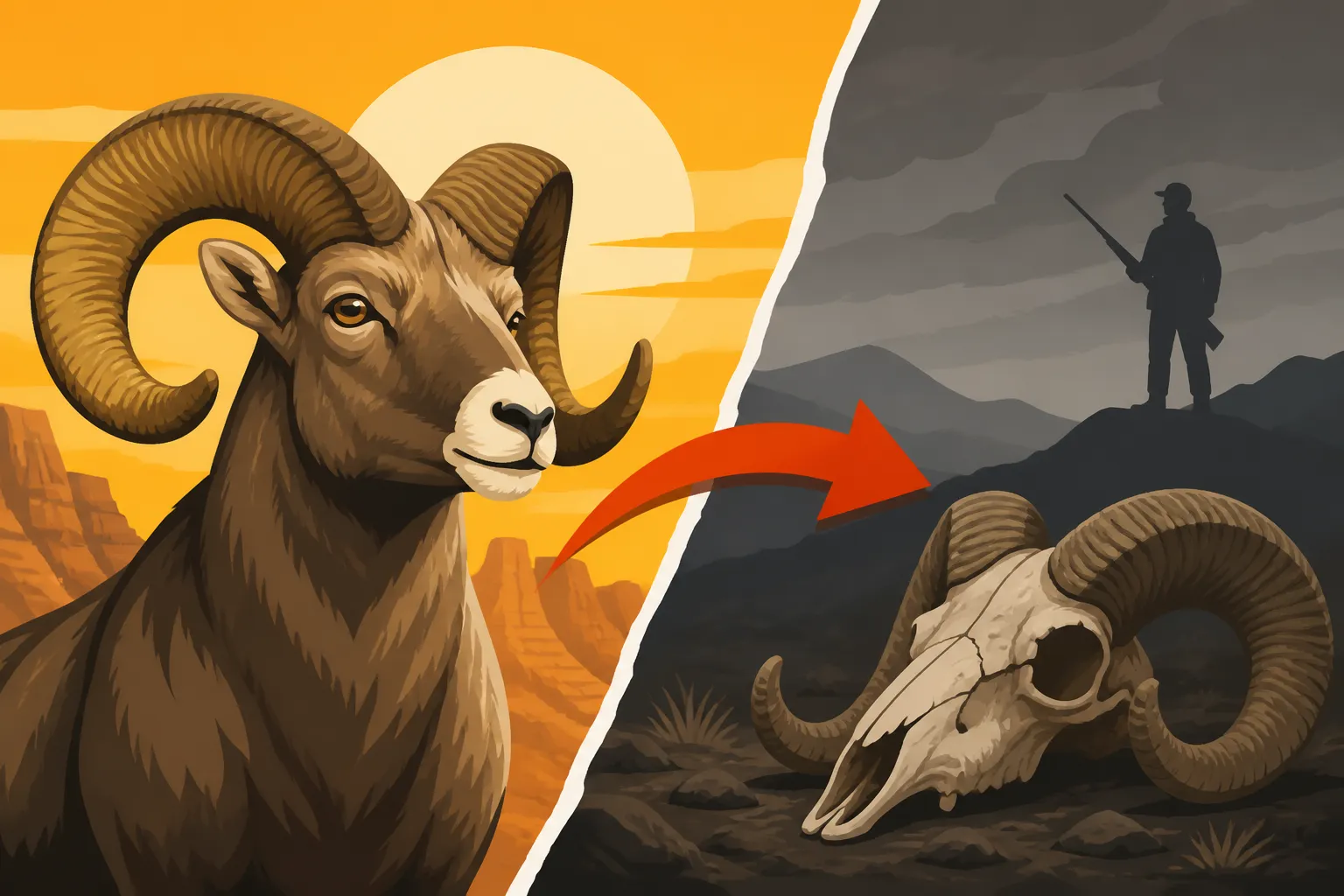
Why the Original Bighorn Herd Died Out
It’s a truly somber part of our state's rich outdoor heritage to consider that South Dakota once had thriving populations of majestic bighorn sheep, only for them to vanish completely from our landscapes for a time. For those of us who cherish our wild spaces and the incredible animals that call them home, understanding why these iconic creatures disappeared isn't just a historical footnote; it’s a profound lesson in the delicate balance of nature and the lasting impact of human activity. This deep dive will explore the unfortunate, complex reasons behind the demise of South Dakota’s original bighorn herds, and the hard-won wisdom that guides our conservation efforts today.
The Historical Presence and Early Decline of South Dakota's Bighorns
When we think of bighorn sheep today, many of us picture rugged, remote mountain ranges far from the prairie. But once upon a time, these incredible animals were part of South Dakota’s natural tapestry, particularly in the Black Hills, where the terrain offered the kind of escape and forage they needed. Their story here is a testament to both their adaptability and their vulnerability.
Tracing Their Ancient Hoofprints in the Black Hills
Long before European settlers arrived, bighorn sheep roamed the craggy peaks and steep draws of the Black Hills. These weren't just passing visitors; they were an established part of the ecosystem, sharing the landscape with elk, deer, and bison. Archaeological evidence, historical accounts from early explorers, and the observations of indigenous tribes paint a picture of bighorns navigating the challenging terrain with ease, their keen eyesight and incredible agility allowing them to thrive in places other animals couldn't reach. They were truly creatures of the high country, relying on precipitous cliffs and rocky outcrops for safety from predators and for bedding sites.
The Black Hills, with its unique geology and diverse vegetation, provided a perfect mosaic of habitat – open grasslands for grazing, timbered slopes for cover, and those crucial escape routes in the rocky areas. It's easy to imagine a time when a hunter might have spotted a ram silhouetted against a setting sun on a granite spire, a sight that must have been as awe-inspiring then as it is now. These were truly wild, resilient animals, but even their incredible adaptations couldn't prepare them for the changes that were coming.
The Initial Pressures of Western Expansion
As the mid-19th century gave way to the late 1800s, the tranquility of the Black Hills was shattered by a wave of human expansion. The discovery of gold in 1874 sparked a frenzied rush, bringing thousands of prospectors, settlers, and associated industries into the heart of bighorn country. Towns sprang up, roads were carved through valleys, and the landscape began to be irrevocably altered.
This influx of people brought with it immediate and immense pressure on wildlife. Unregulated hunting, both for subsistence and to feed the booming mining camps, took a heavy toll on all big game species, and bighorns were no exception. Their tendency to flee to high, open ground made them visible targets, and their meat was a valuable commodity. There were no seasons, no limits, and certainly no thought given to sustainable harvest. Beyond the direct hunting pressure, the very presence of so many people, with their livestock, their camps, and their ceaseless activity, pushed bighorns out of prime habitats, fragmenting their range and making their existence increasingly precarious. It was a perfect storm of environmental upheaval that left little room for a specialized animal like the bighorn to survive.
The Devastating Impact of Disease on Bighorn Populations
While direct hunting and habitat loss certainly weakened South Dakota's bighorn populations, it was the introduction of a particularly insidious threat – disease – that ultimately delivered the fatal blow to the original herds. This wasn't just a local problem; it was a tragedy that played out across much of the American West.
The Scourge of Domestic Livestock Diseases
The most devastating factor leading to the complete wipeout of South Dakota’s original bighorn sheep populations was undoubtedly disease, specifically those transmitted from domestic sheep. When settlers moved into the Black Hills and surrounding areas, they brought with them herds of livestock, including domestic sheep, to graze the grasslands. What seemed like a simple economic necessity at the time turned into an ecological catastrophe for the wild bighorns.
Domestic sheep, through generations of exposure, had developed immunities to a host of pathogens, particularly various strains of bacteria like Pasteurella multocida and Mannheimia haemolytica, which cause pneumonia. These bacteria, while often benign in domestic sheep, are absolutely lethal to bighorns. When wild bighorns came into contact with domestic sheep – even through indirect means like sharing watering holes or grazing in areas previously used by domestic sheep – they were exposed to these pathogens. Lacking any natural immunity, the bighorns would contract pneumonia, and the disease would rip through their herds with horrifying speed and efficiency. This phenomenon, known as "bighorn pneumonia," is a heartbreaking chapter in wildlife history, and it's recognized as a primary reason for widespread bighorn declines across North America. Why Domestic Sheep Threaten Bighorns is a stark reminder of this ecological reality.
The Unseen Killer: Bighorn Susceptibility
The reason these diseases were so devastating to bighorns compared to other wild ungulates lies in their unique biology and social structure. Bighorns are highly susceptible to these bacterial strains; a simple exposure can lead to severe respiratory illness that quickly escalates to pneumonia, even for a robust animal. Their immune systems simply aren't equipped to fight off these foreign invaders.
Furthermore, bighorns tend to live in herds, especially ewes and lambs, and while this offers safety from predators, it also means that once a disease enters a herd, it spreads like wildfire. There's no escaping it, especially in close-knit groups. The disease would cause high mortality, particularly among lambs, which meant that even if a few adults survived, the reproductive future of the herd was crippled. Over several seasons, with repeated exposures and devastating lamb mortality, the populations simply couldn't rebound. The disease acted as an unseen killer, silently decimating herds that were already stressed by habitat loss and hunting pressure. It was a cruel irony that an animal so perfectly adapted to its rugged environment would be brought low by something as seemingly innocuous as a sniffle from a farm animal. The vulnerability of these majestic animals to common domestic ailments highlights a critical lesson in wildlife management: the interface between wild and domestic populations can be incredibly perilous.
Habitat Fragmentation and Competition for Resources
Beyond disease, the original bighorn herds also faced immense pressure from the physical changes happening to their home ranges. The relentless march of settlement didn't just introduce new threats; it chipped away at the very foundations of their existence.
Losing Crucial Mountain Strongholds
As the Black Hills became a hub of human activity, the traditional bighorn strongholds began to shrink and fragment. Logging operations cleared forests, not just for timber but for fuel for mines and homes. Mining activities themselves disturbed vast areas, creating noise, pollution, and physical barriers. Roads, trails, and railway lines crisscrossed the landscape, breaking up contiguous habitat and making it harder for bighorns to move between different areas for seasonal forage or escape cover.
Bighorns need expansive, undisturbed landscapes that offer both food and, crucially, escape terrain. They are wary animals, and constant human presence, even if not directly threatening, stresses them and pushes them into less optimal areas. The loss of these crucial, interconnected mountain strongholds meant that herds became isolated, unable to interbreed with other groups, leading to reduced genetic diversity and making them even more vulnerable to disease and environmental fluctuations. Imagine living in a home that's constantly being shrunk, cut up, and intruded upon – eventually, it becomes uninhabitable. That's what happened to the bighorns' ancestral lands.
Increased Competition with Introduced Species
As if disease and habitat loss weren't enough, the bighorns also faced stiff competition for the very resources they needed to survive. The same domestic livestock that brought disease also competed directly for forage and water. Cattle, horses, and particularly domestic sheep grazed extensively throughout the Black Hills and the surrounding prairie, consuming grasses and forbs that bighorns relied upon.
This competition was especially critical in drier years or in areas with limited resources. Bighorns are adapted to utilize sparse, high-quality forage, but when large numbers of domestic animals were present, their food sources dwindled. Water sources, often scarce in arid environments, were also shared, increasing the chances of disease transmission and further stressing the wild sheep. While many modern hunters use tools like GoHunt to understand herd movements and population densities for species they pursue, the bighorns of yesteryear didn't have the luxury of abundant, uncontested resources. This intense competition put immense pressure on an already struggling population, making it nearly impossible for the herds to sustain themselves, let alone grow. It simply became too crowded and too dangerous for them to find enough to eat and drink without encountering deadly pathogens.
Lessons Learned and the Path to Reintroduction
The complete disappearance of bighorn sheep from South Dakota was a wake-up call, a stark reminder of the consequences of unchecked exploitation and environmental disregard. But from this low point emerged a renewed commitment to conservation and a tireless effort to bring these magnificent animals back to their rightful place.
Understanding the Ecological Gaps
The loss of the original bighorn herds forced wildlife biologists and conservationists to deeply examine the ecological gaps left behind. It became clear that simply putting animals back on the landscape wouldn't work without first addressing why they disappeared. This meant rigorous studies into bighorn biology, their specific habitat requirements, their susceptibility to disease, and the long-term impacts of human development. We had to understand not just what they ate, but where they felt safe, how they moved, and what truly threatened them.
This scientific approach has blossomed into modern wildlife management. Today, researchers utilize a vast array of techniques, from radio-collaring animals to analyzing forage composition, to ensure a comprehensive understanding of a species’ needs. While tools like GoHunt are invaluable for individual hunters to research tag applications and draw odds for other big game, the foundational work for bighorn reintroduction has involved decades of meticulous ecological research. How GFP Counts Big Game is a process far more intricate than just looking at numbers; it’s about understanding the health of the entire ecosystem. This deep ecological understanding is what makes reintroduction efforts today so much more hopeful than the conditions that led to the original decline.
The Long Road to Bring Them Back
The story of bighorn sheep in South Dakota didn't end with their original demise; it marked the beginning of a remarkable journey of reintroduction. Starting in the mid-20th century, with significant efforts in the 1960s, South Dakota embarked on a challenging mission to restore bighorns to the Black Hills. These weren't easy efforts, often fraught with setbacks and disappointments.
The first bighorns brought to Custer State Park were a monumental undertaking, involving careful selection of source populations and delicate translocations. The First Bighorns Brought to Custer State Park details these initial steps, but it’s crucial to remember that these early attempts faced many of the same challenges that wiped out the original herds. Disease outbreaks, particularly pneumonia, continued to be a significant hurdle for these newly established herds, as discussed in Bighorn Pneumonia and South Dakota Herd Setbacks and Pneumonia in South Dakota Bighorn Herds. It took decades of persistent effort, learning from mistakes, and adapting strategies to see the bighorns truly take hold.
Modern reintroduction efforts, known as Bighorn Translocations Since the 1960s, are much more sophisticated. They involve intensive pre-release health screenings, careful habitat assessment, and ongoing monitoring. Today, thanks to these tireless efforts, limited bighorn sheep populations once again roam parts of the Black Hills. While a bighorn tag is a once-in-a-lifetime draw for most hunters, and incredibly difficult to obtain, the very fact that we can even discuss South Dakota Bighorn Sheep Numbers is a testament to the resilience of the species and the unwavering dedication of conservationists. It's a powerful reminder that even after great loss, with enough effort and understanding, we can help restore the wild heart of our landscapes.
Current Conservation Strategies and Future Outlook
Understanding the tragic loss of our original bighorn sheep herds has profoundly shaped how wildlife management is approached in South Dakota today. We’ve learned invaluable lessons about species vulnerability, habitat connectivity, and the critical importance of disease prevention. These lessons are at the heart of current conservation strategies aimed at not just maintaining, but carefully growing, our reintroduced bighorn populations.
Modern Management for a Fragile Population
Today, the South Dakota Game, Fish and Parks (GFP) manages bighorn sheep with an abundance of caution, recognizing that these herds are still relatively small and susceptible to the same threats that wiped out their predecessors. A primary focus is on habitat management, ensuring that the Black Hills continues to provide the rugged, secure terrain and quality forage that bighorns need. This involves careful planning around timber harvesting, recreational use, and maintaining corridors for movement.
Disease monitoring is another cornerstone of current management. Wildlife biologists keep a vigilant watch for any signs of illness within the herds, and there are strict protocols in place to manage contact between wild bighorns and domestic sheep. This is why when you apply for a hunting license for other big game species, perhaps using information found on GoHunt to select your unit, you're tapping into a system of management that prioritizes herd health above all else. South Dakota Wildlife Disease Monitoring is a continuous, year-round effort, and hunters are often encouraged to Reporting a Sick Animal in South Dakota if they observe anything unusual in the field, contributing directly to these conservation efforts. Every bighorn lamb and adult is precious, and every effort is made to give them the best chance at survival and growth.
The Hope for Expanding Bighorn Ranges
While the current bighorn populations in South Dakota are limited and primarily confined to the Black Hills, there is ongoing hope and discussion about expanding their range where suitable habitat exists. This isn't a simple task; it requires extensive research into potential release sites, an assessment of local threats, and careful genetic management to ensure the long-term health and viability of new herds. The goal is to build robust, self-sustaining populations that are less vulnerable to a single disease outbreak or localized habitat disturbance.
The challenges are still immense, from maintaining genetic diversity within such isolated populations to mitigating environmental stressors like drought and ongoing human encroachment. The experiences detailed in South Dakota Bighorn Sheep Numbers often reflect the slow and incremental nature of population growth for these animals. However, the commitment to these magnificent animals remains strong. The presence of bighorns once again scaling the rocky outcrops of the Black Hills stands as a powerful symbol of successful conservation, demonstrating what can be achieved when we learn from history and commit to protecting our natural heritage. It's a reminder that while some battles for wildlife are lost, with perseverance and scientific understanding, many can be won, ensuring that future generations can witness the awe-inspiring sight of a bighorn ram in its natural South Dakota home.
Comparison of Bighorn Challenges: Past vs. Present
To truly grasp the progress made and the challenges that remain, it's helpful to compare the factors that led to the original bighorn decline with the issues faced by modern, reintroduced herds.
| Factor | Original Decline (Pre-1920s) | Modern Challenges (Post-Reintroduction) |
|---|---|---|
| Primary Disease Threat | Domestic Sheep Diseases (Pasteurellosis, pneumonia), widespread transmission | Recurrent Pneumonia (especially Pasteurellosis), limited genetic diversity in small herds |
| Habitat Impact | Unregulated settlement, overgrazing, logging, mining, severe fragmentation | Continued habitat encroachment, recreational pressure, climate change impacts (drought) |
| Hunting Pressure | Unregulated market hunting, subsistence hunting, no management | Highly regulated draw hunts, very limited tags, managed for herd health |
| Competition | Domestic livestock (sheep, cattle) for forage and water, widespread | Mule deer, cattle (to a lesser extent), feral horses (locally, where present) |
| Human Tolerance/Impact | Minimal understanding of ecological needs, exploitation, indifference | Strong conservation ethic, dedicated funding, careful management, public support |
| Genetic Diversity | Natural genetic diversity, but rapidly eroded by population bottlenecks | Limited founder populations, potential for inbreeding, managed through translocations |
Disclaimer
This article is for general informational purposes only and does not constitute professional advice. Laws, prices and regulations vary by location and change over time. Consult a qualified professional for guidance on your specific situation.