The Six Goats That Escaped the Park Zoo
The majestic mountain goats that scale the sheer granite cliffs of the Black Hills are a sight to behold, embodying the rugged spirit of South Dakota's wild places. Yet, many folks might not know that the entire population of these iconic animals didn't arrive through a grand, planned reintroduction, but rather from a very unexpected and rather adventurous escape. This guide will take you back to the early days and tell the fascinating story of how a handful of curious goats from a park zoo founded a wild legacy that still thrives today.
The Unexpected Origin Story: An Escape from Custer State Park
It’s truly a remarkable tale, one that speaks to the resilience of nature and the unpredictable ways wildlife populations can establish themselves. The story of mountain goats in the Black Hills doesn't begin with a scientifically orchestrated relocation, but with a few daring individuals making a break for freedom.
The Original Six and Their Great Escape
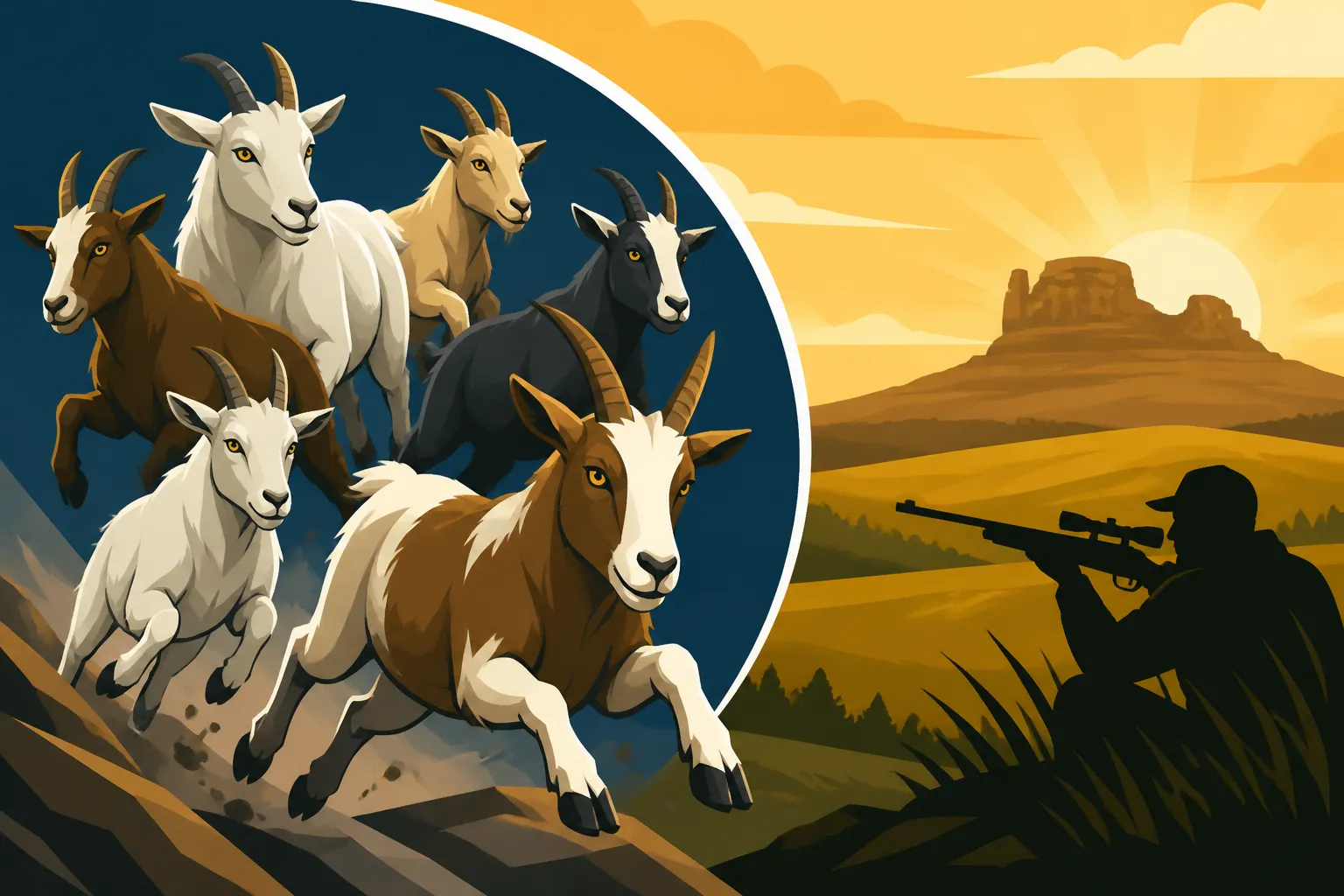
Imagine a quaint zoo enclosure, nestled within the beautiful, but contained, landscape of Custer State Park. Sometime in the early 1920s, this was home to a small group of Rocky Mountain Goats, brought in for public display. These weren't animals intended for the wild, but nature, as it often does, had other plans. Through what was likely a combination of natural curiosity, an inherent drive to explore, and perhaps a less-than-perfect enclosure design, six of these nimble-footed creatures managed to find their way out. They simply vanished into the vastness of the surrounding Black Hills, leaving behind their comfortable, if confined, lives.
At the time, it must have been quite a surprise, if not a bit of a headache, for the park officials. Six animals, accustomed to being fed and protected, suddenly on the loose in a rugged, unfamiliar landscape. The initial concern was likely for their survival, or perhaps even for their safe return. However, these were mountain goats, inherently equipped for survival in challenging terrain. Their escape wasn't just a brief jaunt; it was a permanent change of address that would echo through generations.
From Enclosure to Wilderness: Initial Adaptation
Once those six goats made their daring escape, they found themselves in an environment that, while new to them, was surprisingly well-suited to their natural instincts. The Black Hills, with its dramatic granite spires, steep canyons, and high-elevation plateaus, offered a striking resemblance to the native mountain habitats from which their species originated. These goats are built for vertical living – their specialized hooves provide incredible grip on rocky surfaces, and their sturdy bodies are perfectly adapted to navigate treacherous ledges. It was a daunting world, no doubt, but one they were inherently designed to conquer.
Initially, their survival would have depended on finding suitable forage, water, and shelter from predators. The Black Hills provided abundant vegetation, from grasses and forbs in the meadows to various shrubs and lichens found on rocky outcrops. While coyotes and mountain lions were present, the goats' preference for steep, inaccessible terrain offered a significant advantage against most predators. Their ability to find safety on narrow ledges and high cliffs was their best defense. This adaptation from a managed zoo setting to a wild, untamed wilderness truly highlights the incredible resilience of these animals and the remarkable ecological fit they found in the Black Hills.
Establishing a Foothold: The Growth of the Black Hills Herd
The story of the original six isn't just about their escape; it's about what happened next. Against all odds, these few individuals didn't just survive; they thrived, laying the foundation for a wild population that continues to captivate residents and visitors alike.
Reproduction and Population Expansion
Once those six adventurous goats found their niche in the Black Hills, nature took its course. Mountain goats are not known for their explosive reproductive rates, typically giving birth to a single kid, or rarely twins, each spring. However, in an environment with ample food, suitable habitat, and relatively low predation pressure (especially in their preferred high-altitude, rugged terrain), even a slow reproductive cycle can lead to steady population growth over time. The lack of significant competition from other species for their specific niche also played a crucial role.
These six goats, therefore, became the genetic founders of the entire Black Hills mountain goat population. Every nannie, billy, and kid clinging to the side of a granite spire today can trace its lineage back to those original escapees. This kind of "founder effect" is fascinating in population genetics and makes the Black Hills herd truly unique. It’s a testament to how a small, healthy breeding group, when given the right conditions, can establish a robust, self-sustaining population. Over decades, those initial six kids became dozens, then hundreds, spreading across suitable habitats within the Black Hills National Forest.
Natural Range Expansion and Habitat Utilization
As the mountain goat population began to grow, so too did their range. Being inherently nomadic and driven to find new forage and territories, these animals gradually expanded their presence beyond the immediate vicinity of Custer State Park. They are masters of vertical movement, using their incredible agility to traverse seemingly impassable cliffs and ridgelines. This natural expansion led them to inhabit more and more of the Black Hills' most rugged and inaccessible areas.
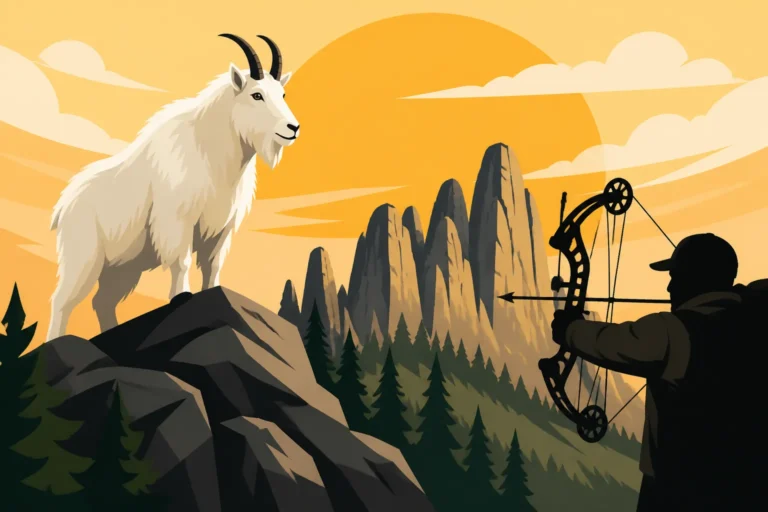
They quickly gravitated towards the exposed granite formations, the highest peaks, and the steep, timbered slopes of the Black Hills. Areas like Harney Peak (now Black Elk Peak), the Needles, and other dramatic geological features became prime habitat. This expansion showcased their preference for environments that offered both safety from ground predators and access to unique, high-elevation forage. Their presence introduced a new dimension to the Black Hills ecosystem, filling an ecological niche that was largely vacant. To learn more about how they found their way to this unique environment, you can read How Mountain Goats Reached the Black Hills.
The Black Hills Mountain Goat Today: A Unique Legacy
The story of those six escapees is far from over. Today, their descendants represent a unique and cherished part of South Dakota's wildlife, managed with care and offering a truly once-in-a-lifetime opportunity for a fortunate few.
Current Population and Management Challenges
Today, the wild mountain goat herd in the Black Hills is a testament to the success of those original six escapees. While their numbers are relatively small compared to other big game species in the state, they represent a stable and healthy population, a true jewel of the Black Hills. The South Dakota Game, Fish and Parks (GFP) closely monitors this population, recognizing its unique origin and the value it holds. You can often find current population estimates and trends by exploring resources like How Many Mountain Goats Live in the Black Hills.
Managing a non-native species that has become successfully established presents its own set of considerations. While the Black Hills provide excellent habitat, managers must balance population health with potential ecological impacts, though generally, mountain goats occupy a distinct niche that minimizes direct competition with native species. Disease, habitat fragmentation, and ensuring sustainable numbers are always ongoing challenges. The GFP employs strategies, including very limited hunting, to help manage the population and maintain its health and vigor.
Hunting Opportunities and the Once-in-a-Lifetime Tag
For the avid hunter, drawing a South Dakota mountain goat tag is truly the holy grail—a "once-in-a-lifetime" opportunity that few ever realize. These tags are exceptionally rare, reflecting the state's careful management of this unique, wild population. It's not a hunt you just decide to do next season; it requires years, often decades, of dedicated application and a significant dose of luck in the draw. For more on these rare opportunities, check out Once-in-a-Lifetime Tags in South Dakota.
The application process for a South Dakota mountain goat tag is part of the state's broader big game draw system. Hunters must apply annually, typically accumulating preference or bonus points to increase their odds over time. This is where serious hunters turn to dedicated research tools. Platforms like GoHunt are invaluable for analyzing historical draw odds, understanding unit-specific data, and refining application strategies year after year. Hunters spend countless hours on GoHunt, poring over past results to try and gain any edge they can in this highly competitive draw. The pursuit of a mountain goat tag is often a lifelong endeavor, and using resources like GoHunt can significantly help in navigating the complex application landscape. The Black Hills terrain for these hunts is incredibly challenging, often requiring superb physical conditioning and a deep understanding of Black Hills National Forest Hunting tactics. Hunters who finally draw one of these coveted tags understand they're not just pursuing an animal; they're connecting with a wild legacy born from a daring escape. When you're dreaming of a hunt as unique as a Black Hills mountain goat, doing your homework is key. Many successful applicants spend hours on platforms like GoHunt, pouring over past draw results and unit descriptions to refine their strategy, often going back years to look at trends in South Dakota Big Game Draws and How to Apply. Even when scouting from home, tools on GoHunt or similar platforms can help you virtually explore potential areas, which can be a good start to Scouting a South Dakota Unit From Home.
The Broader Context: Mountain Goats in South Dakota's Wildlife Portfolio
The Black Hills mountain goats are a fascinating anomaly, and understanding their story is made even richer when we place them within the broader context of South Dakota's diverse wildlife, particularly their more well-known high-country cousins.
Distinguishing Mountain Goats from Bighorn Sheep
It’s easy for some to confuse mountain goats with bighorn sheep, especially since both are charismatic, cloven-hoofed animals found in rugged, mountainous terrain. However, they are distinct species with different origins and characteristics in South Dakota. While mountain goats in the Black Hills trace their lineage to those six escapees, bighorn sheep were thoughtfully reintroduced to the state through specific conservation efforts. You can learn more about these fascinating differences in Bighorn Sheep and Mountain Goats in South Dakota.
Physically, mountain goats are easily identified by their striking white coats, short, pointy black horns, and distinct beard. They prefer the most extreme, steep, and rocky environments, seemingly defying gravity as they navigate sheer cliffs. Bighorn sheep, on the other hand, have brown coats and large, curling horns in rams. They favor rocky slopes, open grasslands adjacent to cliffs, and are powerful jumpers but not quite the vertical specialists that goats are. The reintroduction efforts for bighorns, detailed in Bighorn Sheep Reintroduction in South Dakota, highlight a very different conservation story compared to the accidental establishment of the mountain goats.
Lessons from an Accidental Success Story
The remarkable journey of the six escaped mountain goats is a profound lesson in wildlife adaptation and the surprising ways nature can carve out new paths. It tells us that sometimes, the most successful conservation stories are entirely unplanned. These animals, against initial expectations, found an ecological niche and thrived, creating a unique wild population that adds immense value to South Dakota's natural heritage. It serves as a powerful reminder of the resilience of species when given the chance, even if that chance begins with a jailbreak from a zoo enclosure.
Their story also underscores the ongoing importance of careful wildlife management. While these goats are now a beloved part of the Black Hills, their status as a non-native species means that their population dynamics are closely watched to ensure they continue to flourish without negatively impacting the native flora and fauna. It's a testament to the careful balance between nature's own designs and human stewardship, ensuring that this living legacy continues for generations to come.
| Aspect | Black Hills Mountain Goats (Post-Escape) | Native Bighorn Sheep (Reintroduced) |
|---|---|---|
| Origin in Black Hills | Accidental escape (6 individuals) | Dedicated reintroduction efforts |
| Initial Population | 6 individuals (early 1920s) | Larger, translocated groups |
| Current Status | Established, self-sustaining wild herd | Established, but managed herds |
| Preferred Habitat | Steep, rocky spires and cliffs | Rocky slopes, open grasslands |
| Conservation Status | Stable, managed via limited hunting | Managed, ongoing conservation |
Disclaimer
This article is for general informational purposes only and does not constitute professional advice. Laws, prices and regulations vary by location and change over time. Consult a qualified professional for guidance on your specific situation.