South Dakota Bighorn Sheep Numbers
For many hunters, the idea of pursuing a bighorn sheep in South Dakota feels like an impossible dream, akin to winning the lottery. You spend years, maybe even a lifetime, just hoping for a chance to draw one of these incredibly rare tags. This guide isn't here to promise you a tag next season, but it is here to pull back the curtain on the elusive bighorn sheep herds of South Dakota, providing a clear-eyed look at their numbers, the challenges they face, and what it truly means to pursue one of these magnificent animals.
The Allure and Elusiveness of South Dakota's Bighorn Sheep
There's something uniquely captivating about bighorn sheep. Maybe it's their impressive, curling horns that speak of strength and resilience, or perhaps it's the rugged, unforgiving terrain they call home. Whatever the reason, these animals hold a special place in the hearts of hunters and wildlife enthusiasts alike, representing the pinnacle of a challenging and rewarding pursuit.
Why Bighorn Sheep Capture Our Imagination
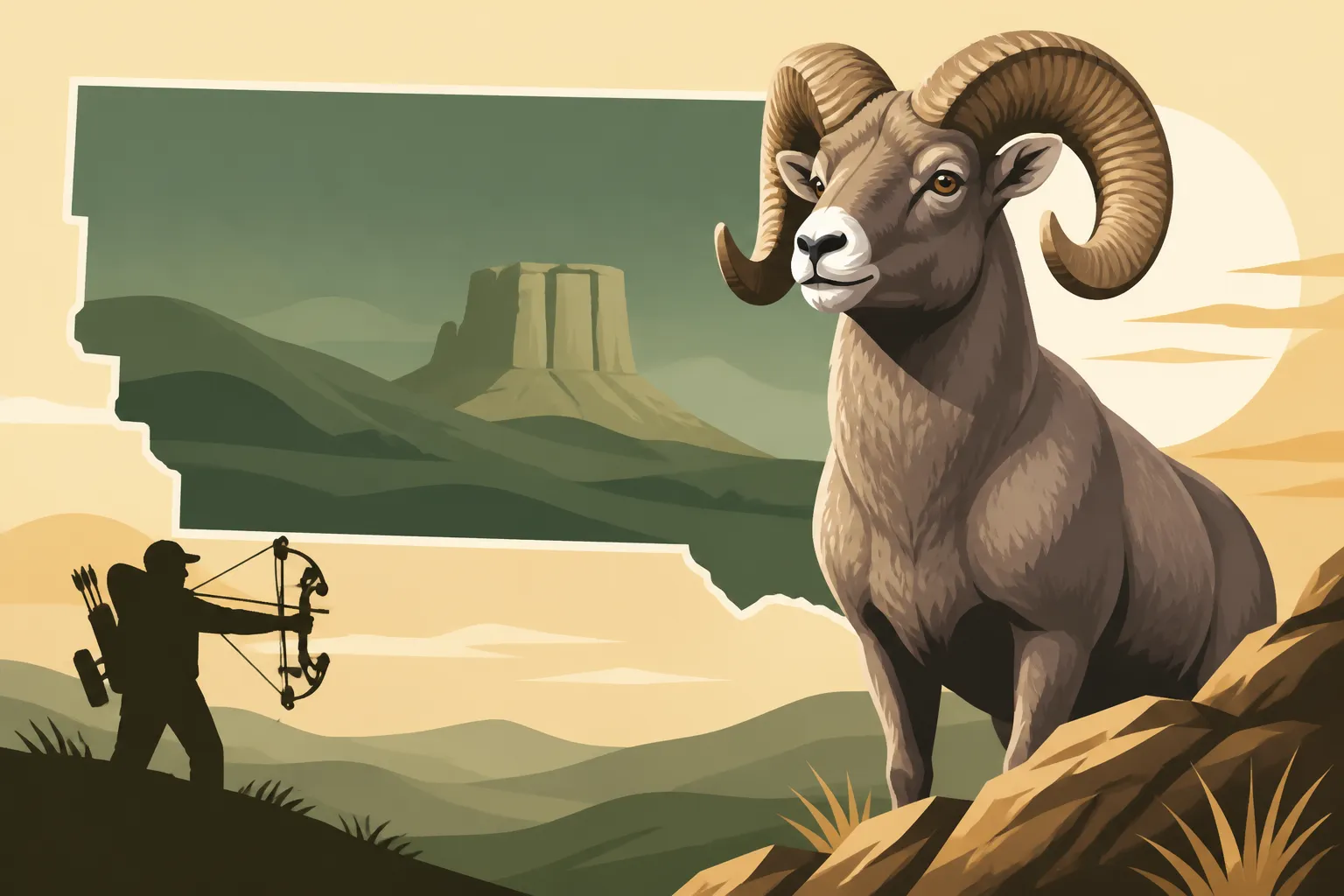
Imagine spotting a full-curl ram silhouetted against a craggy peak in the Black Hills or navigating the dramatic badlands where these creatures roam. It’s an image that sticks with you, a testament to wilderness and the raw beauty of nature. The sheer difficulty in even obtaining a tag for a bighorn sheep hunt in South Dakota only adds to their mystique. It’s not just a hunt; it’s an experience born from years of dedication, patience, and often, a hefty dose of luck in the draw. For many, just the hope of one day drawing that tag is enough to keep them applying year after year, dreaming of a truly once-in-a-lifetime opportunity. It's frustrating to know such incredible animals exist, yet access to hunting them is so incredibly limited.
A History of Absence and Return
It's hard to believe, but bighorn sheep weren't always a part of South Dakota's modern wildlife landscape. These majestic animals were once native to regions of the state but eventually disappeared due to overhunting, disease, and habitat loss during the settlement era. For a significant period, the rugged canyons and peaks of South Dakota were devoid of the distinctive clatter of bighorn horns.
Thankfully, dedicated conservation efforts began to turn the tide. Starting with reintroductions in the Black Hills, and later expanding into parts of the Badlands, wildlife agencies embarked on a challenging journey to bring bighorns back. These efforts involved carefully sourcing animals from healthy herds in other states and meticulously selecting release sites with suitable habitat. The initial years were fraught with challenges, but the persistence paid off, establishing the small, precious herds we have today. You can learn more about this incredible story in Bighorn Sheep Reintroduction in South Dakota.
Understanding South Dakota's Bighorn Sheep Population Numbers
When we talk about South Dakota's bighorn sheep, we're not talking about vast, sprawling herds like you might find with whitetail deer or pheasants. These are relatively small, discrete populations that require careful management and monitoring. Knowing where they exist and what impacts their numbers is key to appreciating their conservation status.
Current Herd Estimates and Locations
South Dakota's bighorn sheep populations are primarily concentrated in two distinct geographical areas: the rugged slopes of the Black Hills and the dramatic, eroded landscapes of the Badlands. In the Black Hills, these sheep typically inhabit the steepest, most remote areas, favoring rocky outcrops, timbered draws, and canyons that provide both forage and escape terrain from predators. They can be found in a few specific units, generally requiring extensive hiking to access.
In the Badlands, the sheep occupy a very different, yet equally challenging environment, utilizing the steep, broken terrain of the buttes and washes. These prairie bighorns are a unique sight, adapted to a landscape far different from the typical mountain habitat. Wildlife agencies monitor these herds through a combination of aerial surveys, ground observations, and remote camera setups. While specific numbers fluctuate annually based on lamb survival, winter severity, and other factors, the overall population remains quite limited. You can expect herd sizes to be in the low hundreds across the state, not thousands. This scarcity is precisely why drawing a tag is such an extraordinary feat.
Factors Influencing Bighorn Numbers
The health and size of bighorn sheep herds are incredibly sensitive to a variety of factors, making their management a constant balancing act. One of the most devastating threats is disease, particularly respiratory ailments like pneumonia, which can sweep through a herd and cause significant die-offs, especially among lambs. Even a small disease outbreak can set back years of conservation work. We've seen firsthand how quickly these diseases can impact the fragile populations, as detailed in Bighorn Pneumonia and South Dakota Herd Setbacks.
Beyond disease, habitat quality plays a crucial role. While bighorns are tough animals, they need specific forage, water sources, and escape terrain. Habitat fragmentation, encroachment from human development, or even changes in vegetation due to natural succession can limit their ability to thrive. Severe winters, with deep snow and prolonged cold, can also take a heavy toll, particularly on lambs and older ewes. Predators like mountain lions and coyotes are also part of the ecosystem, and while healthy bighorn herds can typically withstand some predation, a struggling herd can be significantly impacted, especially if lamb recruitment is already low.
The South Dakota Bighorn Sheep Draw and Hunter Success
For many aspiring bighorn hunters, the focus isn't just on the animals themselves, but on the seemingly insurmountable hurdle of drawing a tag. It's a system that tests patience, often for decades, and requires a deep understanding of the application process.
Navigating the Application Process
Let's be blunt: drawing a bighorn sheep tag in South Dakota is exceptionally difficult. It's one of the most coveted big game tags in North America, and for good reason. The number of tags available each year is incredibly small, often just one or two statewide, and sometimes none are offered to non-residents. This extreme scarcity means that the odds are stacked against you, and applications pour in from across the country. Understanding the various draw periods, application deadlines, and licensing requirements is paramount, and even a small mistake can cost you a chance at a tag. For comprehensive details on applying, you’ll want to review South Dakota Bighorn Sheep Applications and South Dakota Big Game Draws and How to Apply.
Many serious applicants use analytical tools to understand the historical context of the draw. Platforms like GoHunt, for instance, provide subscribers with detailed draw odds, application strategies, and unit breakdowns that can help inform your decisions, though they can't change the fundamental rarity of the tag. Analyzing past draw success rates and preference point accumulation can give you a realistic picture of just how long the road to a bighorn tag can be.
Tag Allocation and Hunter Success Rates
When a hunter is lucky enough to draw a South Dakota bighorn sheep tag, their success rate is generally very high. This isn't because the hunt itself is easy; far from it. It's because the individuals who draw these tags have often spent years, if not decades, preparing for this moment. Many will invest in extensive scouting, hiring experienced guides, and ensuring they are physically and mentally ready for the grueling demands of a bighorn hunt. The low number of tags means that there's little room for error once you're in the field.
The table below illustrates some typical challenges and common strategies for hunters fortunate enough to draw one of these rare South Dakota bighorn tags. It's a demanding hunt, both physically and mentally, even with excellent preparation. For more on the specifics of the draw, you might find South Dakota Bighorn Draw Odds to be a helpful resource. Remember, while success rates for tag holders are high, the real challenge, as many hunters will attest, lies in simply getting that precious piece of paper. You'll also want to look into Can Nonresidents Draw South Dakota Sheep? for specific details.
| Challenge Faced by Bighorn Hunters | Common Strategy Employed |
|---|---|
| Extreme Physical Demands | Extensive pre-hunt training, focus on cardio and strength |
| Remote, Rugged Terrain | Thorough e-scouting, hiring local guides, multiple days of glassing |
| Elusive Nature of Bighorns | Patience, advanced optics, understanding sheep behavior |
| Limited Tag Opportunity | Decades of consistent application, utilizing draw data analysis (e.g., from GoHunt) |
| Weather Volatility | Packing for all conditions, flexible schedule for weather delays |
| Unique Shot Opportunities | Practice shooting at steep angles and long distances, use of shooting sticks |
Conservation Efforts and Future Outlook for Bighorns
The continued presence of bighorn sheep in South Dakota is not a given; it's a direct result of ongoing, intensive conservation efforts. These efforts are crucial for maintaining and, hopefully, slowly expanding these precious herds.
Ongoing Management and Research
The South Dakota Game, Fish and Parks (GFP) works tirelessly to manage and monitor the state's bighorn sheep populations. This isn't a one-and-done project; it's a continuous commitment. Their work involves regular health checks on the animals, often trapping individuals to fit them with GPS collars to track their movements, understand their habitat use, and identify potential issues. They conduct detailed surveys, as mentioned earlier, to get accurate population estimates and assess lamb recruitment, which is vital for herd growth.
Habitat improvement projects are also a key component, focusing on enhancing forage quality, ensuring access to water, and maintaining critical escape cover. These efforts often involve collaborating with private landowners and other conservation organizations. The goal is always to create the most favorable conditions for bighorn survival and reproduction, safeguarding the future of this iconic species. Keeping up with South Dakota GFP Commission Season Proposals can give you insight into the agency's ongoing plans.
The Role of Hunter Contributions
It’s easy to feel disheartened by the difficulty of drawing a bighorn tag, but every application, every license purchased, and every conservation stamp plays a vital role in keeping these animals on the landscape. The fees generated from these applications and from the sale of hunting licenses directly fund the research, management, and conservation programs that benefit bighorn sheep and all other wildlife in South Dakota.
Hunters are, in many ways, some of the most dedicated conservationists. Their financial contributions provide the backbone for these programs, ensuring that species like the bighorn sheep have a future. Beyond the financial aspect, hunters are also vital eyes and ears in the field, often reporting observations of sick animals, habitat concerns, or even poaching, which can be critical for protecting these vulnerable populations. So, even if you don't draw that coveted tag this year, know that your continued participation in the licensing process is directly supporting the very animals you dream of pursuing. It's a contribution that truly matters.
Disclaimer
This article is for general informational purposes only and does not constitute professional advice. Laws, prices and regulations vary by location and change over time. Consult a qualified professional for guidance on your specific situation.