Bighorn Translocations Since the 1960s
The rugged peaks and deep canyons of the Black Hills are a natural sanctuary, but for a long time, one of its most iconic residents was missing. The sight of a majestic bighorn sheep ram silhouetted against the South Dakota sky is something truly special, a testament to decades of dedicated conservation. However, achieving this vision has been an arduous journey, fraught with challenges and requiring continuous effort. This guide will take a deep dive into the critical bighorn translocations that have reshaped their presence in our beloved state since the 1960s, exploring the methods used, the successes celebrated, and the persistent hurdles wildlife managers continue to face in establishing robust, self-sustaining herds.
The Historical Context of Bighorn Decline and Reintroduction Efforts
It's easy to imagine bighorn sheep naturally roaming the Black Hills, but their story in South Dakota is one of loss and then an ambitious effort to reclaim what was gone. The original populations of Rocky Mountain bighorn sheep that once thrived in the area faced immense pressures, leading to their complete disappearance. Understanding why they vanished is key to appreciating the complex work involved in bringing them back.
The Vanishing Act: Why South Dakota Lost Its Original Bighorns
The historical record tells a somber tale of how bighorns disappeared from South Dakota. Primarily, unregulated hunting in the 19th century decimated herds, as there were no bag limits or conservation laws to protect these magnificent animals. Hunters, settlers, and market hunters took sheep without restraint, and their numbers plummeted rapidly. Beyond direct harvest, another insidious threat emerged with the expansion of European settlements: domestic livestock. As sheep and cattle grazing became prevalent in and around bighorn habitat, diseases common to domestic sheep, particularly various forms of pneumonia, spread to the wild bighorns. These diseases, often relatively benign in their domestic carriers, proved devastating to wild sheep, which lacked natural immunity.
Imagine a small, isolated herd of bighorns encountering domestic sheep being grazed nearby. What might seem like an innocuous interaction could quickly turn into a death sentence for the wild population. The disease would rip through the bighorns, killing adults and critically impacting lamb survival. By the early 1900s, perhaps even sooner, the native bighorn sheep populations in South Dakota were considered extirpated – gone from the landscape entirely. It was a stark reminder of human impact and the fragility of even seemingly robust wildlife populations.
Early Attempts: Bringing Bighorns Back Before the 1960s
The idea of reintroducing bighorns wasn't new, even before the pivotal translocations of the 1960s. There were earlier, valiant attempts to bring these animals back, though they often met with limited success. The first documented effort to reintroduce bighorn sheep to the Black Hills, for example, occurred in 1922 when ten bighorns were released into Custer State Park. These animals came from Banff National Park in Alberta, Canada. While the initial release generated excitement and hope, the population struggled to establish itself. Factors like small founding numbers, inadequate habitat understanding at the time, and perhaps lingering disease issues or lack of genetic diversity hampered their ability to thrive. You can learn more about The First Bighorns Brought to Custer State Park to understand the early challenges.
These initial attempts served as critical learning experiences for wildlife managers. They highlighted the importance of not just releasing animals, but meticulously planning for suitable habitat, managing potential disease vectors, and understanding the social dynamics of bighorn sheep. The lessons learned from these early setbacks, including the reasons Why the Original Bighorn Herd Died Out, were invaluable and laid the groundwork for the more structured and successful translocation programs that would follow in the latter half of the 20th century. These early efforts, while not always yielding long-term success, demonstrated a persistent commitment to restoring the species.
Strategic Translocations: Moving Bighorns for a Brighter Future
The efforts to bring bighorns back to South Dakota really gained momentum and strategic direction from the 1960s onwards. This wasn't just about releasing sheep; it was a sophisticated process involving careful planning, extensive field work, and collaboration with other states. Wildlife agencies learned from past mistakes and adopted more scientific approaches to reintroduction.
Sourcing the Stock: Where South Dakota's New Bighorns Came From
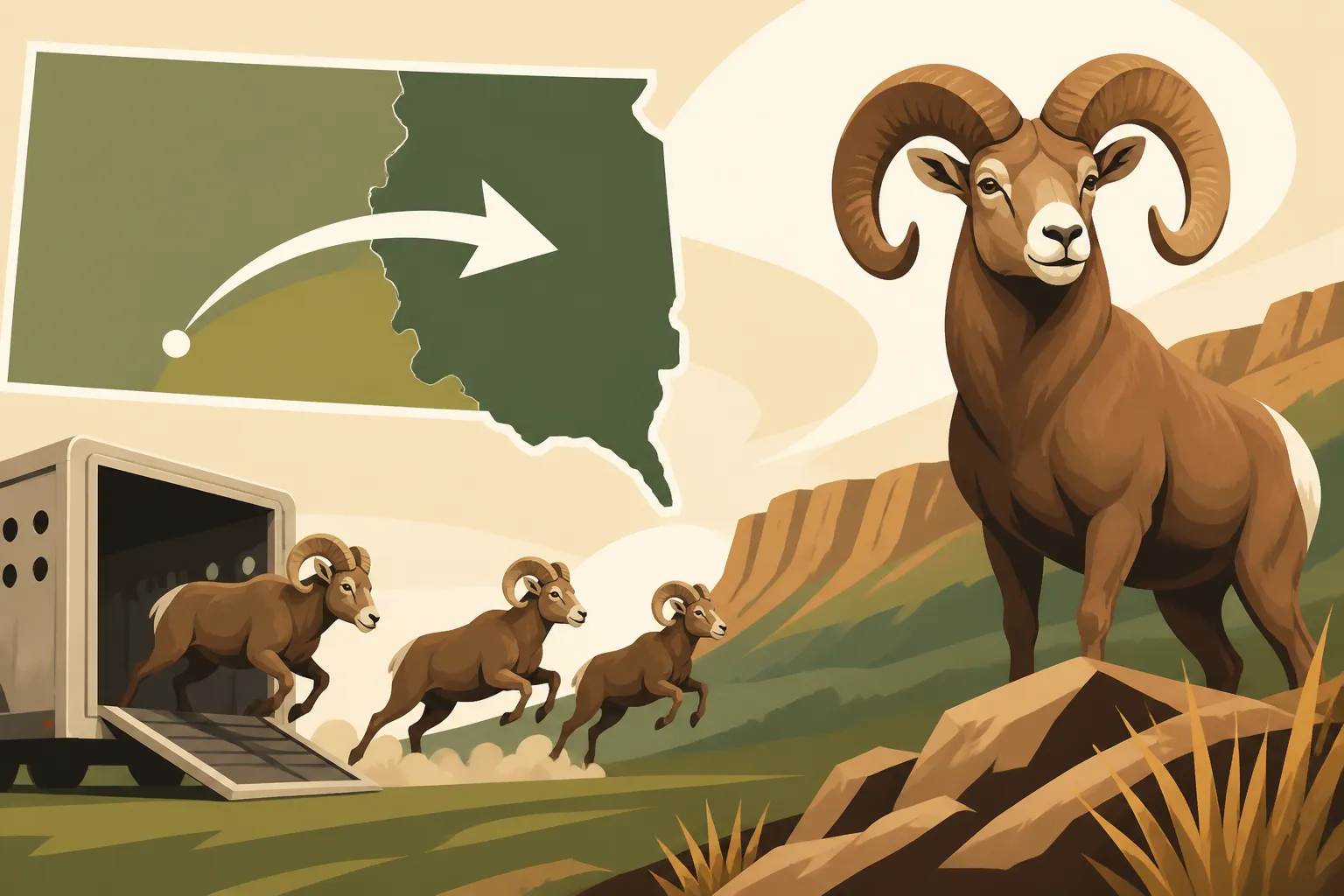
To re-establish a healthy bighorn population, South Dakota couldn't simply wish them into existence. Live, healthy bighorn sheep had to be acquired from robust populations in other western states. These states, such as Montana, Wyoming, Colorado, and even British Columbia, had thriving herds that could sustain the removal of a small number of animals for translocation efforts. The process of capturing wild bighorns is no small feat. It involves highly skilled wildlife capture teams, often utilizing helicopters to locate and net individual sheep from rugged, inaccessible terrain. Once netted, the sheep are quickly subdued, blindfolded to reduce stress, and carefully transported to a staging area.
At the staging area, each bighorn undergoes a thorough veterinary check. This is crucial for ensuring the health of the translocated animals and preventing the introduction of diseases to the new release site. Vets collect blood samples for disease screening, assess overall condition, and administer any necessary treatments. Each animal is also fitted with identification tags, and often, radio collars or GPS units. These tracking devices are vital for post-release monitoring, allowing biologists to follow their movements, assess survival rates, and locate potential lambing areas. The logistics are incredibly complex, requiring coordination between multiple agencies and experts to minimize stress on the animals and maximize their chances of survival in their new home.
The Art and Science of Release: Selecting New Homes
Once acquired and thoroughly vetted, the bighorns are ready for their new home. However, simply dropping them off anywhere isn't an option. The selection of release sites is a critical "art and science" that significantly impacts the success of a translocation. Biologists meticulously scout potential areas, looking for specific criteria that mimic ideal bighorn habitat. This primarily includes rugged, rocky terrain with steep escape cover, which offers protection from predators like mountain lions and coyotes. They also need access to diverse forage, including grasses, forbs, and shrubs, throughout the seasons. Water sources, especially during dry periods, are another non-negotiable requirement.
A paramount consideration in site selection is minimizing contact with domestic sheep. As discussed, diseases carried by domestic sheep pose an existential threat to wild bighorns. Therefore, release sites are chosen far from active domestic sheep grazing allotments. Biologists then consider the social dynamics of bighorns. They aim to release a sufficient number of animals, often a mix of rams, ewes, and lambs, to form a viable social unit, which is crucial for breeding and herd cohesion. Once at the release site, the sheep are typically given a "soft release," allowing them to calmly exit transport trailers into their new environment, where they can begin to explore and acclimate to their surroundings. This careful attention to detail dramatically improves the odds that these reintroduced populations will not just survive, but thrive.
The Rollercoaster of Recovery: Successes, Setbacks, and Ongoing Management
The story of bighorn reintroduction in South Dakota isn't a straight line to success; it's more like a rollercoaster with thrilling highs and heartbreaking lows. Despite the best intentions and scientific approaches, nature always has its own agenda, and wildlife managers are in a constant dance with environmental factors and unforeseen challenges.
Celebrating the Wins: Growing Herds and New Sightings
Amidst the challenges, there have been significant triumphs that underscore the value of these translocation efforts. Following sustained reintroductions since the 1960s, South Dakota has seen its bighorn sheep populations grow and establish self-sustaining herds in the Black Hills. Areas like the Needles and other rugged parts of Custer State Park and the surrounding Black Hills National Forest now boast stable populations. The excitement of seeing a band of ewes and their lambs navigating seemingly impossible rock faces, or a magnificent ram surveying its domain from a high perch, is a profound reward for the tireless work of conservationists.
For hunters and wildlife enthusiasts alike, the occasional sightings of these incredible animals are a highlight of any trip to the Black Hills. As populations have solidified, their range has slowly expanded within suitable habitat, offering more opportunities for glimpses of these shy creatures. The growth in numbers has allowed the South Dakota Game, Fish and Parks (GFP) to carefully manage the herds, ensuring their long-term viability. This success isn't just about numbers; it's about restoring a piece of the state's natural heritage and providing a testament to what dedicated conservation can achieve. Hunters using tools like GoHunt, for instance, might track data that reflects these hard-won population trends, even for species that are rarely hunted, simply to understand the broader ecological landscape.
The Shadow of Disease: Pneumonia and Other Hurdles
Perhaps the most significant and heartbreaking setback for bighorn reintroduction efforts across the West, including South Dakota, has been the recurring specter of disease. Respiratory diseases, particularly those caused by bacteria like Mycoplasma ovipneumoniae (often referred to as M.ovi), have proven devastating. These pathogens are frequently carried by domestic sheep, which may show no symptoms, but when transmitted to wild bighorns, they can cause severe pneumonia, often leading to large-scale die-offs. Bighorn Pneumonia and South Dakota Herd Setbacks is a critical topic that highlights this ongoing struggle.
Imagine the frustration and sorrow after years of careful planning, expensive translocations, and successful reproduction, only to have a large percentage of a herd wiped out by a disease that originated from a neighboring domestic flock. M.ovi outbreaks can decimate adult bighorns and, even more critically, can lead to chronic pneumonia in lambs, drastically reducing lamb survival for years after an initial outbreak. This constant threat necessitates stringent management protocols, including buffer zones between wild and domestic sheep, disease surveillance, and sometimes, even the controversial decision to cull infected animals to protect the rest of the herd. This ongoing battle with disease means the work of ensuring bighorn survival is never truly finished.
Monitoring and Modern Management Techniques
The challenges faced by bighorn populations demand continuous vigilance and adaptation in management strategies. South Dakota GFP biologists employ a variety of modern techniques to monitor the health and movements of their bighorn herds. This includes regular aerial surveys, which are particularly effective for counting sheep in rugged, hard-to-access terrain, giving a snapshot of population numbers and distribution. Ground observations complement these surveys, allowing biologists to gather detailed information on herd composition (ram-to-ewe ratios, lamb survival), body condition, and behavior. How GFP Counts Big Game often involves these labor-intensive methods.
The radio and GPS collars fitted on translocated animals, and often on captured wild-born sheep, provide invaluable data. These collars allow biologists to track individual movements, identify home ranges, and pinpoint crucial lambing and wintering areas. When an animal dies, the collar can lead biologists to the carcass, allowing for necropsies to determine the cause of death, which is vital for understanding disease dynamics or predation pressures. This constant flow of data informs management decisions, from potential future translocation sites to assessing disease risk zones. Furthermore, technologies and mapping applications, similar to those offered by GoHunt, are becoming increasingly vital for wildlife managers and even knowledgeable hunters to visualize herd distributions, habitat use, and historical trends, helping to inform conservation efforts. This scientific approach is the backbone of ongoing bighorn recovery. South Dakota Wildlife Disease Monitoring is also a crucial aspect, helping to quickly identify and address health issues within the herds.
Here's a look at some of the key bighorn reintroduction events and the challenges they faced:
| Period | Source Population | Release Site | Initial Outcome | Primary Challenges | Long-Term Impact |
|---|---|---|---|---|---|
| Early 1920s | Banff, Canada | Custer State Park | Failed | Small numbers, disease, poor habitat knowledge | Highlighted need for scientific planning |
| Early 1960s | Wyoming | Custer State Park | Established | Disease risk, predator interactions | Foundation of current Custer State Park herd |
| Mid-1980s | Montana | Northwestern Black Hills | Initial growth | Limited habitat, occasional domestic sheep contact | Contributed to broader Black Hills distribution |
| 1990s-2000s | Colorado, Alberta | Various Black Hills | Fluctuating | M.ovi outbreaks, small herd isolation | Emphasized disease mitigation and genetic diversity needs |
| 2010s-Present | Wyoming, Montana | Northern Black Hills | Promising | Ongoing M.ovi monitoring, habitat fragmentation | Reinforcement of existing herds, genetic improvements |
The Future of Bighorns in South Dakota: A Continuous Commitment
The successful return of bighorn sheep to South Dakota is a celebrated achievement, but it's not a mission accomplished. It's an ongoing commitment that requires continuous effort, careful management, and a willingness to adapt to new challenges. The future of these majestic animals depends on a delicate balance between human activities and wildlife needs.
Conservation and Coexistence: Balancing Wildlife and Land Use
Looking ahead, a significant part of bighorn conservation in South Dakota will continue to be focused on fostering coexistence between wildlife and human land use. The Black Hills is a multi-use landscape, home to ranchers, recreationists, and communities, alongside its wild residents. This means ongoing efforts to maintain or expand suitable bighorn habitat, which can involve strategic land acquisitions, habitat improvement projects, and working with private landowners to manage their properties in a way that benefits bighorns. A core challenge remains the separation of wild bighorn sheep from domestic sheep to prevent disease transmission. This requires proactive measures, such as voluntary agreements with ranchers, fencing, and spatial planning, to create sufficient buffer zones.
Public awareness and education are also paramount. By informing residents and visitors about the unique needs of bighorn sheep and the threats they face, the GFP aims to build a stronger conservation ethic. This ensures that everyone understands their role in protecting these animals, from hikers reporting sick animals to land users considering the impact of their activities on critical bighorn habitat. For anyone who spends time in the Black Hills, understanding which areas hold wildlife, and how they relate to the broader ecosystem, is always beneficial.
Hunting and Herd Health: The Role of Regulated Harvest
While bighorn sheep are relatively rare and closely managed, regulated hunting plays a unique and important role in their conservation. South Dakota issues an extremely limited number of bighorn sheep tags each year, often only one or two, and these are among the most coveted Once-in-a-Lifetime Tags in South Dakota. These tags are typically for mature rams, and the harvest is carefully controlled by GFP biologists. This isn't about population control in the traditional sense, given the small numbers, but rather a management tool to:
- Generate Revenue for Conservation: The high cost of these tags generates significant funds that are directly reinvested into bighorn research, habitat improvement, disease monitoring, and future translocations.
- Manage Herd Structure: Harvesting a few older rams can, in some circumstances, promote vigor in the herd by allowing younger, genetically diverse rams to breed.
- Provide an Incentive for Public Support: The dream of drawing a bighorn tag inspires many hunters to contribute to conservation efforts, apply for draws (even if odds are low), and stay engaged with wildlife management.
The drawing for a bighorn tag is incredibly competitive, often requiring years of applying for South Dakota Big Game Draws and How to Apply through systems like GoHunt's robust research tools. Each tag is a testament to the success of reintroduction and a commitment to sustained conservation. The carefully regulated harvest is a small, but significant, piece of the complex puzzle that ensures a healthy future for South Dakota's bighorn sheep.
Disclaimer
This article is for general informational purposes only and does not constitute professional advice. Laws, prices and regulations vary by location and change over time. Consult a qualified professional for guidance on your specific situation.