Hungarian Partridge in South Dakota
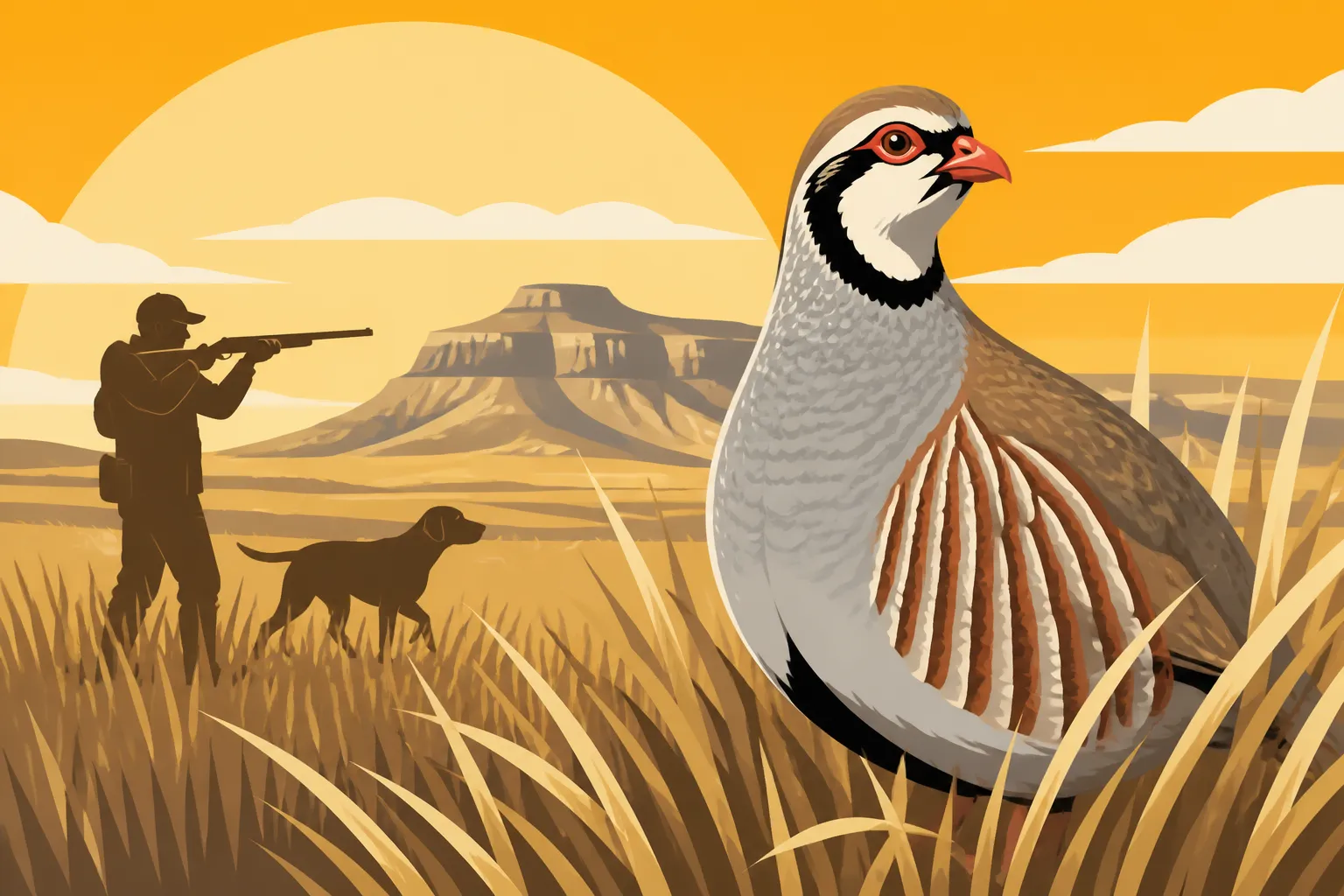
Many hunters flock to South Dakota with one bird in mind: the magnificent ring-necked pheasant. But if you're solely focused on those long-tailed roosters, you might be missing out on one of the prairie's most thrilling and challenging upland game birds – the Hungarian partridge. These small, speedy covey birds offer an entirely different kind of pursuit, often leaving hunters scratching their heads trying to figure out their elusive ways. This guide is dedicated to unlocking the secrets of the Hungarian partridge in South Dakota, helping you understand their habits, find their haunts, and develop the tactics needed to put these fantastic birds in your vest.
The Allure of the Hungarian Partridge in South Dakota
There's something uniquely captivating about the Hungarian partridge, often affectionately called a "Hun" by those who pursue them. They're not as big or as showy as a pheasant, but what they lack in size, they make up for in speed, cunning, and the sheer challenge they present.
A Unique Challenge on the Prairie
Hunting Hungarian partridge in South Dakota is a distinct experience, a refreshing counterpoint to the more common pheasant hunts. While pheasants often hold tight in dense cover, offering a powerful, explosive flush, Huns are known for their tight-knit coveys that can explode from seemingly nowhere with blistering speed. One moment the field seems empty, the next, a dozen small, gray rockets are streaking across the horizon, leaving you barely enough time to shoulder your shotgun. This requires lightning-fast reflexes and a keen eye, often leaving even seasoned shooters humbled.
The satisfaction of harvesting a Hun is immense, precisely because of this challenge. Unlike pheasants, which you might find in every cattail slough or cornfield, locating a covey of Huns feels like finding a hidden gem. Their evasiveness, their tendency to run before flushing, and their knack for disappearing into sparse cover make every successful encounter a memorable triumph. It truly demands a different mindset and a more expansive approach to walking the prairie.
A Brief History and Biology of South Dakota Huns
Hungarian partridge are not native to North America but were successfully introduced to South Dakota in the early 20th century. They quickly adapted to the agricultural landscapes and grassy plains, finding a niche alongside pheasants. These hardy birds are incredibly resilient, able to withstand harsh prairie winters as long as adequate cover and food are available. Their small size and cryptic coloration make them surprisingly difficult to spot against the dry grasses and stubble.
Huns typically live in coveys ranging from a handful of birds to several dozen, especially in the fall and winter. They feed primarily on seeds, grains, and insects, often foraging in open fields or along field edges. When startled, the entire covey will often flush simultaneously, flying low and fast for a considerable distance before re-grouping. This strong covey bond is a critical aspect of their biology and is something every hunter needs to understand when trying to locate them after an initial flush. Their populations can fluctuate year to year based on nesting success, winter severity, and habitat availability, much like pheasants, but sometimes with even greater volatility due to their smaller stature.
Identifying Prime Hungarian Partridge Habitat in South Dakota
Finding Hungarian partridge isn't just about walking fields; it's about understanding the specific types of cover and terrain they prefer. They're often found in different places than where you'd typically focus your pheasant hunting efforts.
Key Landscape Features and Cover Types
Unlike pheasants that love the thick, impenetrable cover of cattail sloughs or dense CRP, Hungarian partridge prefer more open, yet still protective, habitats. Think about landscapes where you can see farther, but where there's still enough low-lying vegetation to provide concealment. They are particularly fond of small grain stubble fields—wheat, barley, or oat fields—especially after harvest. These fields offer easy foraging and the stubble provides enough cover to hide from aerial predators.
Road ditches and grassy field edges are also prime real estate for Huns, often overlooked by hunters focused on larger cover. These linear strips of grass and weeds provide travel corridors, dust bathing areas, and quick escape cover. You’ll also find them in hayfields, alfalfa patches, and even thinly grassed pastures, particularly if there’s a nearby food source like corn stubble. Even light shelterbelts, offering a bit more protection than open fields, can hold coveys, especially if the understory is relatively open. This preference for lighter cover means that while you might be Hunting South Dakota Walk-In Areas for pheasants, keeping an eye on the edges and lighter cover for Huns can be highly productive.
Geographic Hotbeds and Less-Traveled Areas
While Hungarian partridge can be found across much of South Dakota, particularly in the eastern two-thirds of the state, certain regions tend to have higher concentrations. The northeastern and northern central plains, characterized by extensive small grain agriculture and ample grass, often boast the most consistent Hun populations. Areas around towns like Watertown, Aberdeen, and Mobridge can be excellent, though specific local conditions vary year to year. They are less common further south or in the Black Hills, though isolated coveys can certainly exist.
The beauty of hunting Huns is that they are often a bonus bird, rather than the primary target, which means you can often find them in areas that don't see the heavy pheasant hunting pressure. Focus on those less-traveled gravel roads, look for fields away from major highways, and utilize mapping tools like GoHunt to pinpoint areas with appropriate habitat and public access. GoHunt offers excellent satellite imagery and public/private land overlays that can help you identify these specific small grain fields, grassy corners, and road ditches that might hold coveys. These less-pressured areas are where you're more likely to find Huns that haven't been pushed around too much and might hold a bit tighter.
Effective Hunting Strategies and Tactics for South Dakota Huns
Chasing Hungarian partridge requires a blend of fast walking, keen observation, and a solid post-flush strategy. They’re not birds you can passively stumble upon and expect consistent success.
Walking the Edges and Working Cover
When hunting Huns, you often need to cover a lot of ground, often at a brisker pace than a pheasant drive. These birds are notorious for running ahead of hunters or dogs, so a steady, quick walk is important to keep them from getting too far ahead. Focus your efforts on the edges of fields—where a cut grain field meets a road ditch, a fence line, or a grassy waterway. These transition zones are where Huns often feed and loaf. Don’t be afraid to walk straight through a stubble field, but also check the thin strips of grass or weeds that might not look like much cover to the untrained eye.
It's a different game than pushing heavy cover. You're not trying to force them out of a dense jungle; you're often trying to surprise them in relatively open ground. Pay close attention to subtle changes in elevation, small rises, or even clumps of weeds that might offer just enough concealment. Using a robust mapping platform like GoHunt can help you pinpoint these subtle changes in terrain and cover types while scouting from home, making your time in the field more efficient. Remember that Access Routes That Do Not Blow Out Birds are important for all upland hunting, but especially when dealing with skittish birds like Huns.
The Importance of Dogs and Scouting
A good bird dog is an invaluable asset when hunting Hungarian partridge, perhaps even more so than for pheasants, due to the Huns' running habits and small size. A well-trained pointing dog can be exceptional, locking up on a running covey and allowing you to close the distance for a flush. They can scent birds that you would walk right past and pin them down. Flushers can also be effective, but they need to be under tight control to prevent them from pushing the covey out of range before you're ready. Regardless of breed, a dog that can quickly retrieve these small birds from light cover is essential, as they can be surprisingly difficult to find once down, especially if they hit a running stride before falling. Consider how Pointing Dogs Versus Flushers on Wild Birds might apply differently to Huns.
Scouting is another critical component of successful Hun hunting. Unlike pheasants, which you might expect in any given patch of good cover, Huns are often localized. Drive gravel roads slowly at dawn or dusk, looking for coveys feeding along field edges or dusting themselves in the road. Watch for them flushing from ditches as you drive by. Note where you see them and return to those areas during hunting hours. This pre-hunt reconnaissance, even if it's just a leisurely drive, dramatically increases your odds. Remember to be mindful of traffic and other hunters, and always hunt legally, respecting road hunting laws.
Post-Flush Strategy and Relocating Coveys
This is perhaps the most crucial tactic for Hun hunting. When a covey flushes, they don't typically fly 50 yards and drop into the nearest clump of grass like some pheasants might. Huns often fly a considerable distance—sometimes a half-mile or even a full mile—before setting down. The key is to observe their flight path and the general direction they're heading. Mentally mark a distant landmark or feature where you saw them disappear.
Once the initial volleys are over and the remaining birds are out of sight, take a moment. Don't immediately charge after them. Note exactly where they went and then plan your approach. Once Huns have been flushed once, they tend to hold much tighter on the ground, often hunkering down in sparse cover. This is your second, and often best, chance to get shots. Walk carefully and methodically toward where you marked them, paying extra attention to any small depressions, grassy clumps, or stubble rows. Your dog will be invaluable here, as they'll pick up the scent of the re-grouped covey, which will be holding very tightly. This patience and methodical relocation effort can turn a single flush into multiple opportunities.
Navigating South Dakota Regulations and Licensing for Partridge
Understanding the regulations for Hungarian partridge hunting in South Dakota is straightforward, as they fall under the general small game umbrella. However, always double-check the current year's game regulations, as dates and limits can change.
General Small Game License Requirements
For residents and nonresidents alike, hunting Hungarian partridge requires a general small game license. For nonresidents, this typically means purchasing the nonresident small game license, which grants access to a variety of upland birds and small game animals across the state. In addition to the license, a South Dakota Habitat Stamp is also usually required for all hunters pursuing small game.
It's important to understand the nuances of the nonresident small game license, particularly the five-day hunting periods. Nonresidents often choose two five-day periods for their hunting trip, which might not always align perfectly with when you spot partridge. Ensure your chosen periods cover the days you intend to hunt for Huns. This license covers not just partridge, but also pheasants, grouse, and other small game. For a comprehensive overview, refer to information on What the Nonresident Small Game Licence Covers. Always carry your license and stamp with you when afield.
Season Dates, Bag Limits, and Shooting Hours
Hungarian partridge seasons generally open in early fall, often coinciding with the pheasant opener, and extend through much of the winter. This long season offers ample opportunity to pursue them, especially as a bonus bird during your pheasant hunts. Daily bag limits are usually quite generous, typically allowing for several birds per day, with a possession limit that is a multiple of the daily limit. However, these figures are subject to change annually, so always consult the South Dakota Game, Fish and Parks (GFP) official hunting handbook for the most up-to-date information.
Shooting hours for Hungarian partridge, like most small game, typically begin at sunrise and extend until sunset. This differs from the often later 10:00 AM start time for pheasants during the main season. This can be an advantage for early risers who want to capitalize on birds feeding first thing in the morning. Be aware of any special youth seasons or resident-only hunting days that might exist for pheasants, as those regulations generally don't impact Hungarian partridge hunting but it's good to be fully informed about South Dakota Pheasant Season and Licences if you're combining your hunts.
Understanding Public and Private Land Access
Like all hunting in South Dakota, understanding land ownership and access is paramount. The vast majority of Hungarian partridge hunting opportunities will be found on private land, which requires explicit permission from the landowner. Always ask for permission before stepping foot on private ground, even if it looks like open prairie. A friendly approach and a willingness to respect property can go a long way.
However, South Dakota offers an impressive amount of public access through programs like the Walk-In Areas (WIAs) and Game Production Areas (GPAs). Many WIAs, particularly those in small grain country, can hold excellent numbers of Hungarian partridge. These areas are leased by the state from private landowners and are clearly marked with distinctive yellow signs. Game Production Areas are state-owned lands specifically managed for wildlife habitat and public recreation. Utilizing the South Dakota Public Hunting Atlas, available online and often through mobile apps, is crucial for identifying these public access points. Tools like GoHunt also integrate land ownership maps, making it easier than ever to differentiate public from private ground and navigate effectively.
Essential Gear and Considerations for Hungarian Partridge Hunting
Having the right gear won't guarantee success, but it will certainly make your pursuit of Hungarian partridge more comfortable and effective on the vast South Dakota prairie.
Shotgun and Ammunition Choices
For Hungarian partridge, speed and quick handling are more important than heavy hitting power. Many hunters opt for lighter gauges like a 20-gauge or even a 28-gauge shotgun, as these allow for quicker swings on fast-flushing birds. A 12-gauge is certainly effective, but you might want to choose a lighter, more agile model. Because Huns are smaller birds, you don't need heavy loads. Lighter loads with smaller shot sizes, such as 6s or 7.5s, are perfect. These provide a dense pattern, which is beneficial for smaller targets, and reduce recoil, allowing for quicker follow-up shots.
Open chokes are generally preferred for Huns, given their close-range, explosive flushes. A Skeet, Improved Cylinder, or even a Light Modified choke will give you a good spread to connect with these speedy targets. Unlike longer-range shots sometimes needed for pheasants, Huns often flush within 20-30 yards, where a wide pattern is advantageous.
Apparel and Footwear for Prairie Chasing
You'll be doing a lot of walking when hunting Huns, so comfort and durability in your clothing are key. Layering is essential for South Dakota's often unpredictable weather. Mornings can be chilly, but by midday, you might be shedding layers as you cover miles. A good base layer, a warm but breathable mid-layer, and a windproof and water-resistant outer shell are ideal. Orange is often required for small game hunting, so ensure you have enough blaze orange for visibility and safety. Refer to Layering for South Dakota Wind for more detailed advice on dressing for the elements.
Footwear is arguably the most critical piece of gear. You'll be covering miles over varied terrain—stubble fields, uneven grass, and ditches. Invest in comfortable, waterproof, and supportive hunting boots that are well broken in. Ankle support is crucial, and a good tread will help navigate slick or uneven ground. While Boots for Walking Cattails All Day focuses on heavier cover, the principles of comfortable, durable, and waterproof footwear apply universally to upland hunting. Don't forget good quality hunting socks to prevent blisters.
Field Care and Culinary Delights
Once you've successfully harvested a Hungarian partridge, proper field care is important to ensure the best table fare. These birds are renowned for their delicate, mild flavor and are considered a gourmet item by many upland hunters. Because they are smaller, they cool down quickly. However, it's still best to field dress them as soon as possible, especially on warmer days. Removing the entrails helps the meat cool down faster and prevents any off-flavors from developing.
After field dressing, keep the birds cool in a game vest or cooler with ice if conditions are warm. Many hunters breast out partridge, discarding the carcass, but the legs can also provide delicious meat. They are fantastic roasted whole, pan-fried, or used in stews and pâtés. The process is similar to Cleaning Pheasants in the Field, just on a smaller scale. Treat them with care, and you'll be rewarded with some of the finest wild game meat available.
The Conservation and Future of Huns in South Dakota
Understanding the current status and future outlook for Hungarian partridge in South Dakota is important for any hunter who values these fantastic birds. Conservation efforts and habitat quality play a huge role in their sustained presence on the landscape.
Population Trends and Factors Affecting Numbers
Hungarian partridge populations, much like pheasants and other prairie birds, are cyclical and heavily influenced by environmental factors. Severe winters with prolonged deep snow can lead to significant mortality, especially if food sources become inaccessible. Conversely, mild winters and good nesting conditions in the spring can lead to strong population rebounds. Habitat availability is a perennial concern. While Huns thrive in agricultural areas, they need diverse habitats—patches of grass, stubble fields, and light woody cover—to successfully nest, raise broods, and find refuge from predators and severe weather. The loss of CRP acres or increased mono-cropping can reduce crucial nesting and brood-rearing cover, leading to declines.
Compared to pheasants, Huns can sometimes be a bit more resilient in certain localized areas, but their small size and reliance on specific types of relatively light cover make them susceptible to changes in land use. Hunters often consider Huns as a barometer for overall habitat health; if Hun numbers are good, it often indicates a diverse and healthy upland ecosystem.
Habitat Initiatives and Hunter Involvement
The future of Hungarian partridge hunting in South Dakota largely depends on continued habitat conservation and wise land management. Programs like the Conservation Reserve Program (CRP), which pays landowners to convert cropland to perennial grasses, are incredibly beneficial for Huns, providing crucial nesting and escape cover. State programs, like the Walk-In Area program, not only provide access for hunters but also often incentivize landowners to maintain or improve habitat.
Hunters play a vital role in this conservation effort. The purchase of hunting licenses, habitat stamps, and excise taxes on firearms and ammunition (through the Pittman-Robertson Act) directly fund wildlife management and habitat restoration projects across the state. By engaging with organizations dedicated to upland bird conservation, hunters can further contribute to ensuring healthy populations of Huns for generations to come. Your passion for pursuing these elusive birds directly translates into support for the habitats they need to survive and thrive on the South Dakota prairie.
Comparison of Hunting Hungarian Partridge vs. Pheasants
| Feature | Hungarian Partridge (Huns) | Ring-Necked Pheasant |
|---|---|---|
| Typical Habitat | Small grain stubble, short grass, field edges, road ditches, sparse cover | Heavy cover, cattail sloughs, dense CRP, corn fields, shelterbelts |
| Flight Speed | Extremely fast, often low and direct; tight covey flush | Fast, strong flush, often rises high; may flush individually or in small groups |
| Covey Behavior | Strong covey bond, flush as a group, re-covey quickly and tightly | Often flush individually or in small groups, may run extensively before flushing |
| Dog Preference | Pointing dogs excellent, fast flushers can be good if well-controlled, good nose crucial | Flushers ideal for pushing heavy cover, strong retrievers essential for dense cover |
| Hunting Style | Fast walking, covering ground, often in more open areas, precise marking of flush | Slower, methodical drives through heavy cover, blocking strategy common |
| Shot Placement | Challenging due to size and speed, often quick, instinctual swings | Larger target, but fast and often at greater distance; strong pattern needed |
| Meat Flavor | Mild, delicate, highly prized table fare; often described as gourmet | Richer, more gamey, versatile in cooking; classic upland flavor |
| Primary Goal | Often a bonus bird during pheasant hunts, challenging pursuit for dedicated hunters | Primary target species for many, often high volume hunting for many groups |
| Noise Level | Relatively quiet flush, though distinct wingbeats | Distinctive cackle and loud wingbeats on flush |
Disclaimer
This article is for general informational purposes only and does not constitute professional advice. Laws, prices and regulations vary by location and change over time. Consult a qualified professional for guidance on your specific situation.