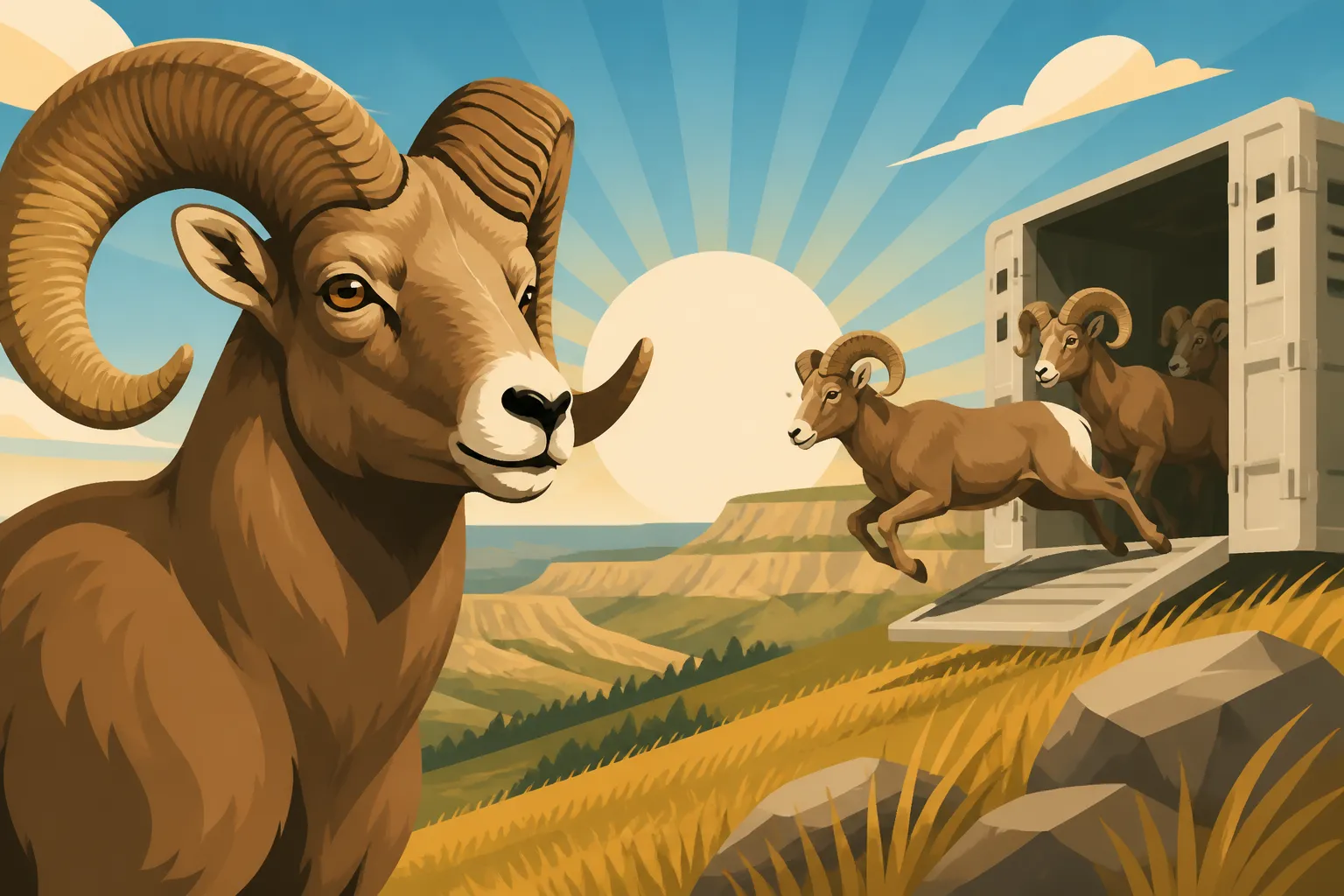
Bighorn Sheep Reintroduction in South Dakota
It’s easy to feel a sense of awe when you catch a glimpse of a bighorn sheep, those magnificent, powerfully built animals with their iconic curled horns, perfectly at home on the steepest, most rugged terrain. But the truth is, seeing one of these incredible creatures in South Dakota today is a testament to decades of dedicated conservation work, as there was a time when they were entirely absent from our landscape. This guide will take you through the fascinating and often challenging journey of bringing bighorn sheep back to South Dakota, exploring the history, the efforts, and the hurdles faced along the way.
The Original South Dakota Bighorns: History and Disappearance
Before European settlement dramatically altered the landscape, bighorn sheep were indeed native to parts of South Dakota. They were not as widespread as deer or antelope, typically sticking to the rugged, broken badlands and rocky outcrops of the western part of the state, particularly within what we now know as the Black Hills. These original herds, likely the Audubon's bighorn, were perfectly adapted to these niche habitats, using their incredible climbing abilities to escape predators and find forage in places other ungulates couldn't reach.
Early Native Presence
Historical accounts and archaeological evidence suggest that bighorn sheep were an integral part of the ecosystem here for thousands of years. Native American tribes, like the Lakota, had deep respect for these animals, utilizing them for sustenance and cultural practices. They recognized the sheep’s hardiness and their mastery of the vertical world. These early populations thrived in relative isolation, their numbers fluctuating with natural cycles, but generally maintaining a healthy presence in their preferred steep and rocky environments. Their sheer resilience in such harsh conditions made them a symbol of strength and survival in the wild.
The Vanishing Act
Unfortunately, the arrival of settlers in the 19th century brought a swift and devastating change. A combination of factors conspired against the native bighorn populations, leading to their complete extirpation from South Dakota by the early 1900s. Unregulated market hunting played a significant role, as did widespread domestic sheep grazing. Domestic sheep, while seemingly innocuous, carried diseases that were lethal to bighorns, such as pneumonia, to which the wild sheep had no natural immunity. As the prairie was settled and fences went up, habitat fragmentation further isolated remnant herds, making them more vulnerable to disease and poaching. It was a tragic loss, silencing the clatter of their hooves on the rocky slopes for generations.
The Vision of Reintroduction: Why Bring Them Back?
The idea of bringing bighorn sheep back wasn't just a romantic notion; it was rooted in sound ecological principles and a strong desire to restore a missing piece of South Dakota's natural heritage. Conservationists and wildlife managers understood the ecological void left by their absence and recognized the potential for these iconic animals to thrive once more in suitable habitats. The passion for their return was palpable among hunters and nature enthusiasts alike.
Ecological Rationale
From an ecological standpoint, bighorn sheep play a vital role in high-elevation and rugged ecosystems. They are specialized grazers and browsers that can access forage unavailable to other ungulates, helping to shape plant communities in unique ways. Their presence adds a layer of biodiversity that enriches the overall health and resilience of the environment. Restoring a native species is always a win for ecosystem integrity, and the bighorn was a key piece of the puzzle that was missing. Their ability to utilize steep, rocky terrain also meant they wouldn't directly compete with other species like deer or antelope for the same forage resources on flatter ground, ensuring a more balanced ecosystem.
Hunter Opportunity and Conservation Funding
Beyond the ecological benefits, the reintroduction efforts also held the promise of establishing a limited, but highly coveted, hunting opportunity. While bighorn sheep tags are exceptionally rare and difficult to draw, they provide significant funding for conservation. The sale of these tags, often through auctions by organizations like the Wild Sheep Foundation, generates hundreds of thousands of dollars annually, directly funding ongoing research, habitat improvements, and future reintroduction efforts. This creates a powerful incentive for conservation, as hunters are often the most dedicated advocates and financial supporters of wildlife. It's a prime example of how sustainable hunting can directly benefit species recovery, and is a major reason why groups and individuals passionately support programs like South Dakota's bighorn reintroduction. For those who dream of a bighorn tag, researching draw odds on platforms like GoHunt can become a serious undertaking, highlighting the immense value placed on these limited opportunities.
Key Reintroduction Efforts and Milestones
The path to bringing bighorns back to South Dakota has been a long, deliberate, and expensive one, marked by strategic planning and hard-won successes. It wasn't a one-and-done project but a series of carefully executed translocations, often spanning decades, aiming to establish viable, self-sustaining populations.
Initial Translocations
The first significant reintroduction attempt in modern times began in 1964 when 20 Rocky Mountain bighorn sheep were captured from herds in Alberta, Canada, and released into Custer State Park. This was a monumental effort, requiring coordination across international borders and careful handling of these wild animals. The choice of Rocky Mountain bighorns was strategic, as the Audubon's subspecies was long extinct, and the Rocky Mountain bighorn was known for its adaptability and hardiness. Over the ensuing decades, additional translocations were made, including sheep from Montana and Colorado, to bolster the nascent herd within the park and later to establish new populations outside its boundaries. The goal was to build genetic diversity and spread the risk across multiple locations, preventing a single disaster from wiping out all progress.
Monitoring and Habitat Work
Establishing a new herd is only the first step. Ongoing monitoring and habitat management are absolutely critical for their long-term survival. Wildlife biologists with the South Dakota Game, Fish and Parks (GFP) continuously track the bighorn herds, often using telemetry collars to monitor movements, lamb survival rates, and overall herd health. This data is invaluable for understanding how the sheep are adapting to their new environment, what challenges they face, and where further habitat improvements might be needed. Habitat work often involves prescribed burns to improve forage quality, reducing woody encroachment, or constructing artificial water sources in dry areas. These intensive efforts are vital for ensuring the sheep have the best possible chance to thrive. It’s a constant, vigilant effort that requires significant resources and dedication, but it’s how agencies like GFP ensure the species' future. Understanding how agencies gather this data, such as through methods like How GFP Counts Big Game, provides insight into the science behind these conservation successes.
Challenges and Setbacks in Bighorn Recovery
Despite the dedicated efforts, the journey to re-establish bighorn sheep has been far from smooth sailing. These majestic animals face unique vulnerabilities, and their populations are often subject to dramatic fluctuations due to factors largely beyond human control.
Disease Threats, Especially Pneumonia
Without a doubt, respiratory disease, particularly bacterial pneumonia (often caused by Mycoplasma ovipneumoniae), remains the single greatest threat to bighorn sheep populations. This isn't just a minor cold for them; it can sweep through an entire herd with devastating lethality, especially among lambs. The cruel irony is that domestic sheep and even some goats carry the bacteria asymptomatically, but when transmitted to bighorns, it can trigger widespread outbreaks, leading to massive die-offs. The fear of disease transmission dictates strict management protocols, including discouraging contact between wild and domestic sheep, which can be a difficult task in areas with mixed land use. The history of Bighorn Pneumonia and South Dakota Herd Setbacks is a somber reminder of this persistent challenge. These outbreaks can set back recovery efforts by years, sometimes even decades, as herds struggle to rebound from significant losses.
Habitat Fragmentation and Human Encroachment
While the Black Hills offer rugged terrain, even these areas are not entirely untouched by human activity. Roads, subdivisions, and increased recreational use can fragment critical bighorn habitat, making it harder for sheep to move between different ranges for forage, water, or breeding. This isolation can lead to smaller, less genetically diverse herds that are more susceptible to disease and less resilient to environmental changes. As more people seek to enjoy the beauty of areas like the Black Hills, ensuring that bighorn sheep have undisturbed pockets of their essential habitat becomes an ongoing conservation challenge. Balancing human development and recreation with the specific needs of a sensitive species like the bighorn requires careful planning and public cooperation.
Current Status and Management of South Dakota Herds
Today, South Dakota is home to several distinct bighorn sheep herds, primarily located in the Black Hills. While their numbers are relatively small compared to other big game species, their presence is a huge conservation success. Managing these herds is an intricate dance, balancing growth, health, and the limited opportunities for hunters.
Herd Locations and Health
The main bighorn sheep populations are found within Custer State Park, the Norbeck Wildlife Preserve, and the Badlands National Park, with some smaller, wilder herds existing on surrounding national forest and private lands. The Black Hills provides the steep, rocky slopes and diverse forage these animals need. While herds inside protected areas generally benefit from reduced human pressure, they are not immune to disease or other natural challenges. The health of these herds is continuously monitored, with biologists assessing lamb recruitment, ewe survival, and overall population trends. When exploring options for big game draws, understanding specific herd health and location is crucial. Resources such as GoHunt's data can often provide valuable insights into where a specific unit's potential for bighorn sheep might lie, even though South Dakota's bighorn units are highly restricted.
| Herd Location | Estimated Population (Approximate) | Notes on Health & Status |
|---|---|---|
| Custer State Park | 150-200 animals | Established, well-monitored, core population for translocations. |
| Norbeck Wildlife Preserve | 50-75 animals | Smaller, wilder herd, still vulnerable to disease. |
| Badlands National Park | 200-250 animals | Thriving herd, though limited public hunting access. |
| Black Hills National Forest | Variable, small scattered groups | Less dense, more challenging to monitor, subject to habitat changes. |
Note: Population numbers are approximate and can fluctuate significantly due to lambing success, disease events, and environmental factors.
Managing Limited Tags
Due to the relatively small and fragile nature of the bighorn herds, the South Dakota Game, Fish and Parks issues very few hunting tags each year. Typically, only a handful of tags are available for public draw, and often one additional tag is auctioned off by the Wild Sheep Foundation. This makes a South Dakota bighorn tag one of the most sought-after and difficult to draw in the entire country. The draw process for these "once-in-a-lifetime" tags is highly competitive, reflecting the conservation-first approach. Applicants can research past draw odds through resources like South Dakota Bighorn Draw Odds to understand the extreme unlikelihood but persistent dream of securing such a tag. This stringent management ensures that hunting pressure remains minimal, allowing the herds the best possible chance to grow and thrive.
The Future of Bighorns in South Dakota: Conservation and Hunting
The story of bighorn sheep in South Dakota is one of perseverance and ongoing commitment. While significant strides have been made, the future of these magnificent animals continues to rely on proactive conservation and thoughtful management. The delicate balance between allowing hunting and ensuring population growth remains a central focus.
Ongoing Conservation Needs
The work is far from over. Ongoing conservation efforts include continued monitoring for disease, particularly pneumonia, and implementing strategies to minimize contact between wild and domestic sheep. Habitat management, such as prescribed burns and water development, will remain crucial to ensuring the bighorns have access to optimal forage and cover. Additionally, public education plays a vital role in fostering an understanding and appreciation for these unique animals, which can translate into support for conservation initiatives. Organizations like the Wild Sheep Foundation continue to partner with state agencies, providing critical funding and expertise for these long-term projects. Every effort, from specific habitat improvement projects to broader awareness campaigns, contributes to the longevity of these remarkable creatures on South Dakota's landscape. For hunters interested in contributing, understanding the overall big game draws and how to apply for various South Dakota tags helps support wildlife management funds.
The Role of Hunting in Management
While drawing a bighorn tag in South Dakota is an extreme long shot, the limited hunting opportunities that do exist are intricately tied to the species' overall management and conservation. The revenue generated from these tags, particularly the auctioned tag, provides substantial funding that directly supports bighorn research, habitat projects, and additional reintroduction efforts. Furthermore, hunting, when managed responsibly, can be a tool to ensure herd health by targeting older rams past their breeding prime, potentially reducing competition for resources among younger animals. It’s a carefully managed, highly restricted form of hunting that serves as a vital component of a broader conservation strategy, ensuring that these incredible animals continue to grace the rugged landscapes of South Dakota for generations to come. Applying for one of these rare opportunities is detailed in guides like South Dakota Bighorn Sheep Applications.
Disclaimer
The information provided in this article is for general guidance and informational purposes only. Hunting regulations, season dates, and license requirements in South Dakota can change frequently. Always consult the official South Dakota Game, Fish and Parks (GFP) website or their current hunting handbook for the most accurate and up-to-date information before planning any hunting activity. It is the hunter's responsibility to know and follow all applicable laws and regulations.