Sharp-Tailed Grouse and Prairie Chickens in South Dakota
Hunting the expansive prairies of South Dakota for upland birds like sharp-tailed grouse and prairie chickens presents a unique challenge, one that can leave even seasoned hunters scratching their heads about where to start or how to tell these magnificent birds apart. This comprehensive guide will walk you through everything you need to know, from identifying these distinct prairie inhabitants to understanding their habitat and the most effective strategies for a successful hunt across the rolling grasslands.
Understanding South Dakota's Prairie Royalty: Sharptails and Prairie Chickens
When you're out on the vast South Dakota prairie, the sound of wings flushing can send a jolt through you. But identifying whether you've just flushed a sharp-tailed grouse or a greater prairie chicken can be tricky, especially in the heat of the moment. While both are iconic grassland birds, they have distinct characteristics, behaviors, and preferred habitats that are crucial for hunters to understand.
Identifying Sharp-Tailed Grouse
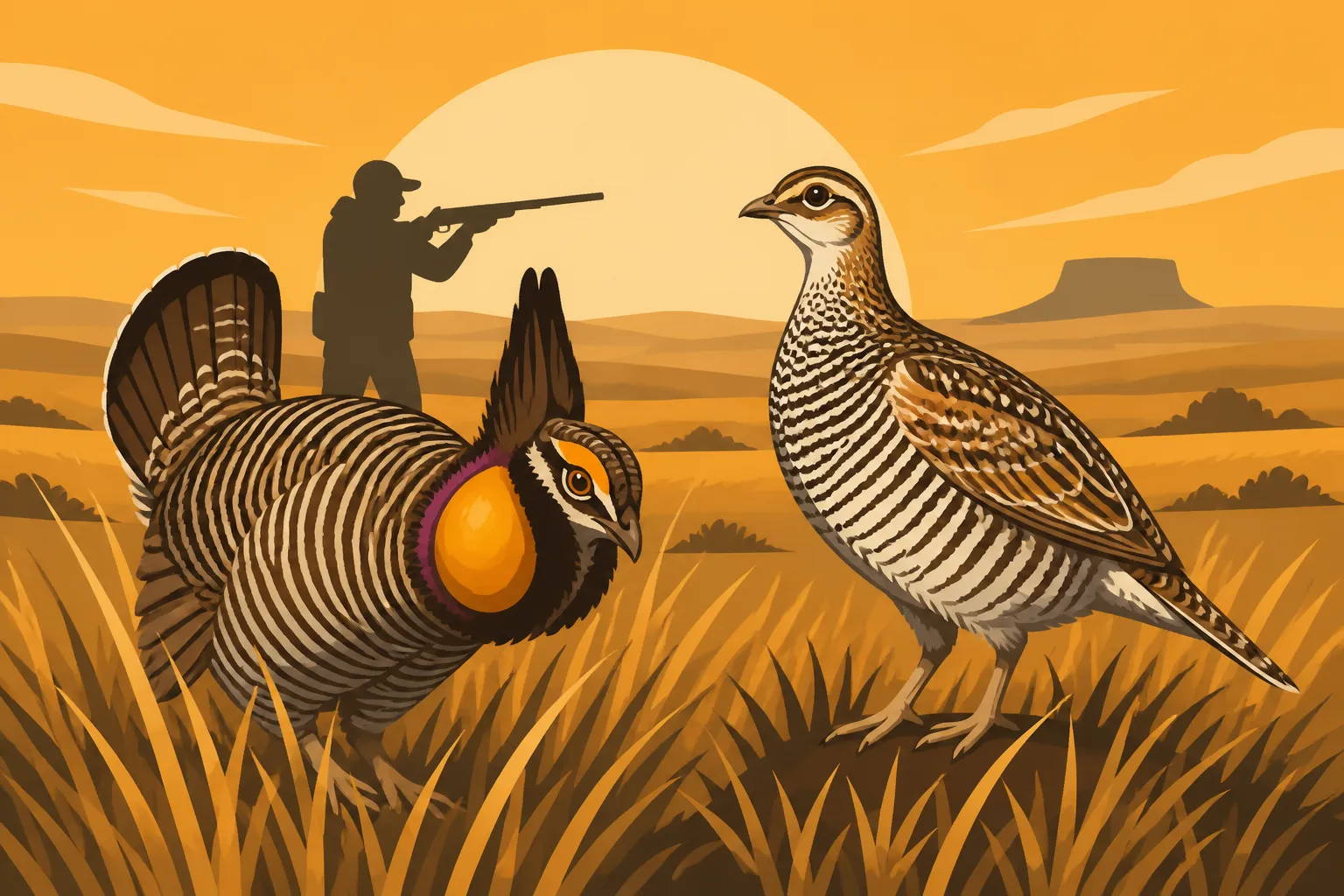
Sharp-tailed grouse, often affectionately called "sharptails," are true birds of the open plains. Their name comes from their distinct, pointed tail feathers, which are often visible even when they're in flight. They have a barred brown and white plumage that offers excellent camouflage against dry grasses and sagebrush. When they flush, you'll often notice a white belly and underwings, which contrast sharply with their darker backs. Their flight is strong and direct, sometimes gliding on stiff wings.
These birds are particularly well-adapted to upland prairies, frequently found in areas with a mix of native grasses, forbs, and scattered shrubs. They tend to be a bit more widespread across the western half of South Dakota, where the terrain is more rolling and the vegetation sparser than the eastern part of the state. Understanding their preferred range is key to successful Sharp-Tailed Grouse Range in South Dakota. They're also known for their peculiar "dancing" rituals during the spring, which, while not a hunting activity, provides fascinating insight into their behavior.
Distinguishing Greater Prairie Chickens
Greater prairie chickens, on the other hand, are a bird with a slightly different swagger. They are generally larger and have a more robust appearance than sharptails. Their plumage is also barred, but with a more pronounced horizontal pattern, and they lack the pointed tail of the sharptail, having a shorter, rounded, dark tail. The most striking difference, especially on males, is the presence of bright orange air sacs on the sides of their necks, which inflate during their elaborate courtship displays on booming grounds.
Prairie chickens are typically found in taller, denser native tallgrass prairie habitats. Historically, their range extended further east in South Dakota, favoring the deep-soiled grasslands that now largely comprise agricultural land. This makes their current range more restricted to protected grassland parcels, often interspersed with agricultural fields. They are less prone to flushing wild and often hold tighter for a dog, making for exciting flushes. For an even deeper dive into these unique behaviors, you might research Grouse Lek Behaviour in Spring.
Key Differences at a Glance
To help you quickly differentiate between these two magnificent birds in the field, here's a quick comparison:
| Feature | Sharp-Tailed Grouse | Greater Prairie Chicken |
|---|---|---|
| Tail | Pointed, often erect in flight | Short, rounded, dark |
| Size | Medium-sized grouse | Slightly larger, more robust |
| Coloration | Barred brown/white, white belly/underwings | Denser barring, darker overall |
| Males | No distinct neck sacs (small purplish) | Prominent orange neck sacs (booming) |
| Habitat | Mixed-grass prairie, sagebrush | Tallgrass prairie, denser cover |
| Flight | Direct, often glides on stiff wings | Strong, sometimes more fluttering initial |
| Vocalization | Cooing, clucking | Deep "booming" sound (males in spring) |
Understanding these distinctions is essential, not just for identification but also for targeting the right habitat and employing appropriate hunting strategies. This knowledge will set you up for success when heading into South Dakota's famed upland hunting opportunities.
Where South Dakota's Grouse Call Home: Habitat and Range
South Dakota is blessed with incredible expanses of native prairie, offering critical habitat for both sharp-tailed grouse and greater prairie chickens. However, their specific habitat preferences mean you won't find them in the exact same spots, even within the same general region. Knowing where to focus your efforts is paramount, particularly if you're targeting one species over the other, or hoping for a mixed bag.
Sharp-Tailed Grouse Range and Habitat
Sharptails thrive in the mixed-grass prairie ecosystems, which dominate much of West River South Dakota. Think rolling hills, vast stretches of native grasses, and often interspersed with low-growing shrubs like silver sagebrush. These areas provide excellent cover from predators, ample foraging opportunities, and protection from the elements. They gravitate towards areas with good vertical cover in the form of taller grasses but also appreciate open patches for feeding and dusting.
You'll often find sharptails along draws, creek bottoms, and the edges of larger grassland tracts that border agricultural fields. They utilize these areas for roosting, especially during colder weather, finding shelter and thermal cover. When Glassing South Dakota Breaks at First Light, you might spot them dusting in dry soil patches or foraging on seeds and insects. Public lands such as National Grasslands and large blocks of Walk-In Areas are prime locations.
Greater Prairie Chicken Range and Habitat
Greater prairie chickens are more particular about their home. They are true inhabitants of the tallgrass prairie, preferring dense, unbroken tracts of tall native grasses that can reach several feet high. This habitat provides excellent concealment for nesting, brood-rearing, and escaping predators. Because much of South Dakota's historical tallgrass prairie has been converted to agriculture, prairie chickens are more restricted to large conservation easements and dedicated grassland programs, particularly in the south-central and eastern parts of the state.
Finding prairie chickens often means looking for areas with Conservation Reserve Program (CRP) lands, large Game Production Areas (GPAs), or other similar habitat initiatives that protect extensive blocks of tall, undisturbed grass. They are less likely to be found in highly fragmented landscapes. When considering Hunting South Dakota Walk-In Areas, pay close attention to the habitat description on the South Dakota Game, Fish and Parks public access atlas – look for substantial blocks of tall native grasses.
Overlap and Distinct Zones
While their core habitats differ, there are areas where the ranges of sharp-tailed grouse and greater prairie chickens can overlap, creating exciting opportunities for hunters. These transition zones, often found where mixed-grass prairies give way to more robust tallgrass systems, can offer a chance at both species in a single hunt. However, even in these areas, you'll likely notice the birds concentrating in their preferred micro-habitats.
For instance, a vast Walk-In Area with mixed-grass uplands transitioning into a low-lying, dense slough of taller grasses might hold both. Leveraging modern mapping tools, like those offered by GoHunt, can be incredibly valuable here. You can layer satellite imagery with public land boundaries to identify these distinct habitat types and plan your approach, giving you a serious edge in predicting where to find each bird species.
Tactics for Hunting South Dakota's Prairie Grouse
Hunting sharp-tailed grouse and prairie chickens is a uniquely rewarding experience that truly tests a hunter's skill, stamina, and patience. Unlike pheasants that often hold tight in dense cover, these prairie birds can be notoriously wary and often flush at considerable distances. Adapting your strategy to the open landscape and the birds' behavior is key to success.
Working the Open Country
The vastness of the prairie is both its charm and its challenge. Unlike hunting in thickets or woodlines, there's little to hide behind. Hunters often employ a wide-ranging approach, covering significant ground. This might involve walking large circles or grid patterns through prime habitat, always being mindful of the wind direction. A good rule of thumb is to walk into the wind, as it helps carry scent to your dog and masks your approach from the sharp-eyed birds.
Given the open terrain, long-range shots are often the norm. Having a shotgun patterned effectively for these conditions, perhaps with a modified or improved-modified choke and heavier loads, can make a difference. Birds will often fly considerable distances once flushed, sometimes sailing over a distant ridge. Being able to mark where they land, or at least the general direction, is crucial for a potential follow-up. This is where a good Rifle Setup for South Dakota Open Country can provide some mental preparation for what shots might present themselves, even if you're carrying a shotgun.
The Role of a Good Bird Dog
A well-trained bird dog is an invaluable asset when hunting prairie grouse, perhaps even more so than with pheasants. Pointers are particularly effective, covering vast amounts of ground and locking up on scent, allowing hunters to close the distance. Flushers, while also useful, need to be controlled carefully to prevent them from pushing birds too far ahead in the open.
However, hunting dogs on the prairie comes with its own set of considerations. The dry, often burr-laden grasses can be tough on paws, and the intense sun can quickly lead to dehydration. Always carry plenty of water for your dog and check their pads regularly. Thinking about Dog Water and Burrs on the Prairie is a fundamental part of planning your hunt. A good dog will extend your effective hunting range and help recover birds that might otherwise be lost in the vastness.
Ethical Considerations and Conservation
Hunting prairie grouse is a privilege, and ethical considerations are paramount. Always respect private property, even if adjacent to public lands, and ensure you have permission if you intend to cross. On public lands, be courteous to other hunters you encounter. Given the often challenging nature of the shot, always strive for clean kills and diligently search for any downed birds.
Conservation efforts are vital for the continued health of sharp-tailed grouse and prairie chicken populations. Support habitat programs and consider responsible hunting practices that help sustain these species. The prairie ecosystem is fragile, and hunters play a critical role in its stewardship. Organizations like GoHunt often advocate for responsible hunting practices and provide resources on conservation, which aligns well with the long-term health of these bird populations.
South Dakota's Grouse Seasons and Regulations
Understanding the specific hunting seasons and regulations for sharp-tailed grouse and prairie chickens in South Dakota is absolutely critical. These rules ensure sustainable populations and a fair chase for all hunters. The state's Game, Fish and Parks (GFP) department publishes a comprehensive hunting handbook each year, and it's your primary source for the most current information.
Licensing Requirements
Before you even step foot on the prairie, you'll need the proper licensing. For nonresident hunters, this typically involves purchasing a South Dakota Nonresident Small Game Licence. This license generally covers pheasants, grouse, partridge, and other small game species. Additionally, a Habitat Stamp is usually required. Residents have their own specific license structures, often including a combination license that covers both fishing and small game.
It's important to remember that regulations can change, so always double-check the current year's hunting handbook or the GFP website. You don't want to get all the way out there only to find you've missed a critical step in the licensing process. Many hunters plan their trips months in advance, and making sure all documentation is in order is part of that preparation. You can also explore options like the South Dakota Combination Licence Options to see what fits your hunting plans best.
Season Dates and Bag Limits
South Dakota's grouse season generally opens in September, typically earlier than pheasant season, and runs through much of the fall and into early winter. Both sharp-tailed grouse and greater prairie chickens are usually included under the same "prairie grouse" season. However, there may be specific nuances to units or possession limits that vary.
Bag limits specify how many birds you can harvest per day and how many you can possess in total. These limits are designed to manage harvest pressure and ensure healthy populations. For example, you might have a daily bag limit of three prairie grouse, with a possession limit of twelve. Always verify these numbers with the current regulations. Knowing the South Dakota Prairie Grouse Season dates is the first step in planning your trip.
Shooting Hours and Other Rules
Similar to other upland species, there are specific legal shooting hours for prairie grouse. Often, these birds can only be hunted from a certain time in the morning (e.g., sunrise) until sunset. Respecting these hours is non-negotiable and helps manage wildlife and ensure safety.
Beyond shooting hours, there are other rules to be aware of. This includes regulations on transporting game, tagging requirements, and restrictions on hunting near residences or roadways. For example, understanding South Dakota Road Hunting Laws is critical, as roadside ditches are sometimes attractive habitat, but strict rules apply to hunting from or across public roadways. Always carry your license and any required stamps with you while hunting, and be prepared to present them to a conservation officer if requested. Ignorance of the law is never an excuse.
Conservation Challenges and Population Trends
The majestic sharp-tailed grouse and greater prairie chicken are more than just game birds; they are vital indicators of the health of South Dakota's prairies. Their populations face unique challenges, primarily related to habitat loss and fragmentation, making conservation a continuous and critical effort. Understanding these trends helps hunters appreciate the importance of their role in supporting these species.
Habitat Loss and Fragmentation
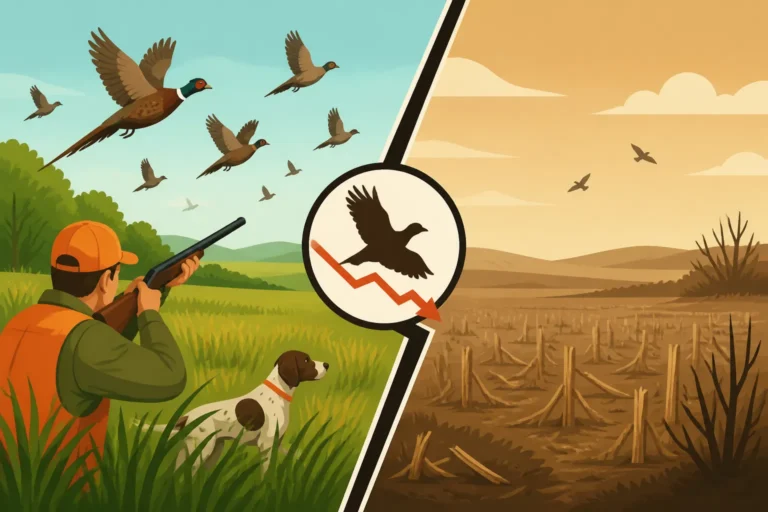
Historically, vast swaths of South Dakota were covered in native prairie, providing an ideal, unbroken landscape for these grassland birds. However, agricultural expansion, urban development, and other land-use changes have significantly reduced and fragmented this critical habitat. Prairie chickens, in particular, are highly sensitive to habitat fragmentation, requiring large, continuous blocks of tallgrass prairie to thrive. When their habitat is broken up by roads, fields, or buildings, it exposes them to increased predation and limits their ability to move and breed successfully.
Even sharp-tailed grouse, which can tolerate slightly more varied habitats, suffer when extensive prairie is lost. Areas enrolled in conservation programs, such as CRP, offer vital nesting and brooding cover, but the long-term stability of these programs can be a concern. Hunters often encounter CRP Loss and South Dakota Bird Numbers discussions, highlighting the direct link between policy and bird populations.
Population Monitoring and Trends
South Dakota GFP, along with other conservation organizations, closely monitors prairie grouse populations through various surveys. While the state discontinued its formal pheasant brood survey, it continues to gather data on grouse. This monitoring helps biologists understand population dynamics, assess the impact of environmental factors like winter severity or spring rains, and make informed management decisions regarding season lengths and bag limits.
For example, a severe winter can impact overwinter survival, or a wet, cold spring can reduce nesting success. These factors directly influence bird numbers in the fall. You can learn more about how the state gathers such information by researching topics like South Dakota's Peak Pheasant Population or How GFP Counts Big Game, which often employs similar methodologies. Hunters contribute to this effort through harvest surveys, providing valuable data on annual take and overall population health.
The Hunter's Role in Conservation
Hunters are often the most ardent conservationists, and their financial contributions through license sales and excise taxes on firearms and ammunition directly fund habitat acquisition and management. Participating in habitat improvement projects, supporting conservation organizations, and advocating for policies that protect and restore native prairie are all ways hunters can ensure the future of prairie grouse hunting.
Beyond financial contributions, hunters are also vital observers in the field. Reporting unusual bird sightings, signs of disease, or significant habitat changes to local GFP offices can provide critical real-time information. By being informed and engaged, hunters ensure that future generations will also have the opportunity to chase these iconic birds across the beautiful South Dakota prairie.
Disclaimer
This article is for general informational purposes only and does not constitute professional advice. Laws, prices and regulations vary by location and change over time. Consult a qualified professional for guidance on your specific situation.