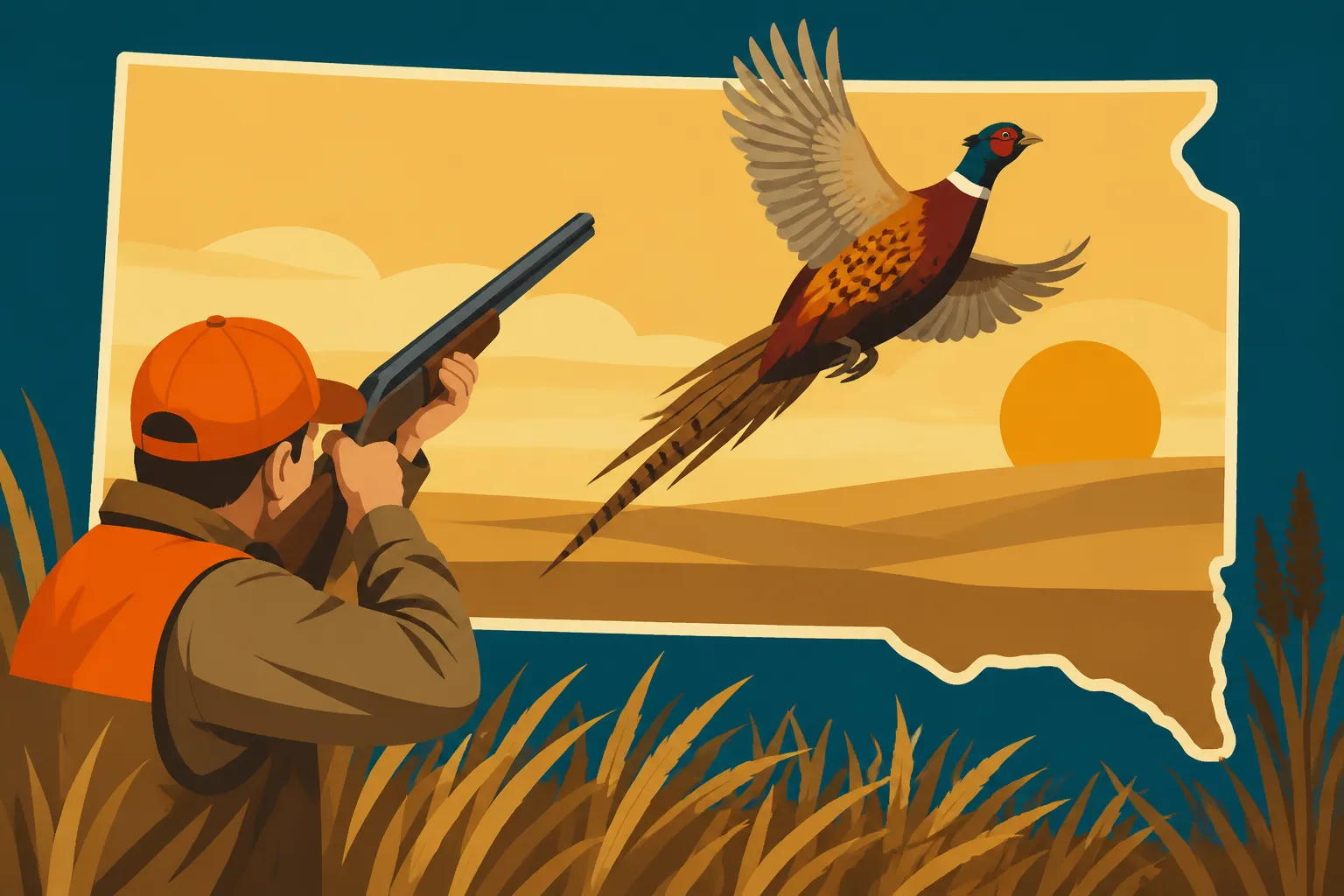
South Dakota Resident-Only Pheasant Dates
Many pheasant hunters, especially those traveling from out of state, often scratch their heads or feel a pang of frustration when they hear about "resident-only pheasant dates" in South Dakota. It can feel like a secret club or an unfair head start, making it tricky to plan your dream hunt to the Pheasant Capital. This guide will peel back the layers on South Dakota's resident-only pheasant season, explaining what these dates truly mean, why they're in place, and how they impact every hunter looking to chase roosters in the Mount Rushmore State.
Understanding South Dakota's Resident-Only Pheasant Season
For anyone planning a pheasant hunt in South Dakota, understanding the concept of "resident-only" dates is absolutely critical. It’s not just a small detail; it’s a specific period with clear rules that govern who can and cannot pursue pheasants in the state. Getting it wrong can lead to serious consequences, so let's break down what this means for you.
What Exactly Are These Dates?
At its core, the resident-only pheasant season refers to a specific window of time, typically a weekend or a few days, immediately preceding the statewide general pheasant opener. During this period, only individuals who legally qualify as residents of South Dakota are permitted to hunt ring-necked pheasants. This means if you are a nonresident, even if you’ve already secured your hunting license for the main season, you are explicitly prohibited from engaging in any pheasant hunting activity during these specific dates.
This isn't a suggestion or a guideline; it's a strict regulation enforced by the South Dakota Game, Fish and Parks (GFP). For locals, these dates often create a unique, more relaxed atmosphere. It's a cherished time for families and friends to get out into the field, often on familiar private lands or less-pressured public areas, before the larger influx of hunters descends upon the state. It allows them to enjoy a calmer, more traditional opening experience, focusing on the hunt itself rather than navigating dense crowds.
The Philosophy Behind Resident Priority
Many nonresidents might understandably ask, "Why the special treatment?" The philosophy behind these resident-only dates is deeply rooted in prioritizing the citizens who live in and contribute to South Dakota year-round. It’s a way for the state to acknowledge and reward its tax-paying residents whose ongoing contributions, through various means like license fees, conservation stamp purchases, and property taxes, directly fund the wildlife management and habitat programs that support South Dakota's robust pheasant populations.
Think of it as a "thank you" to the local community. Pheasant hunting is more than just a sport in South Dakota; it's a significant part of the state's cultural fabric and a key economic driver for many rural areas. By granting residents an exclusive early season, the state helps preserve this cultural heritage for its own people. Furthermore, these early dates serve to distribute hunting pressure. By giving residents a head start, it can sometimes alleviate the immense pressure that builds up on opening weekend when thousands of hunters, both resident and nonresident, flood the fields. This can provide local hunters with a more intimate experience, often closer to home, on birds that haven't yet been pushed hard by large hunting parties.
Who Qualifies as a South Dakota Resident Hunter?
This is a critically important question, and the answer isn't always as straightforward as some might assume. To qualify as a South Dakota resident for hunting purposes, you must meet specific legal criteria outlined by the South Dakota Game, Fish and Parks. Generally, this involves establishing a continuous physical presence in the state for a certain period, typically 90 consecutive days, immediately preceding your application for a license. Crucially, you must intend to make South Dakota your primary home and must not claim residency in any other state for hunting, voting, or other legal purposes.
It’s a common misconception that simply owning property, like a hunting lodge or a farm, in South Dakota automatically makes you a resident for licensing. This is generally not the case if your primary domicile or legal residency is still established elsewhere. The GFP scrutinizes these definitions to ensure fairness and prevent misuse of resident privileges. Always, always check the official GFP website or the latest hunting handbook for the precise, up-to-date definition, as these rules can occasionally be tweaked by legislative action. Understanding these requirements is just as important as knowing your South Dakota Hunter Safety Requirements, ensuring you're compliant before you ever step foot in the field.
Navigating the Resident-Only Periods
Once you understand what the resident-only pheasant dates are and why they exist, the next step is to know how to navigate them effectively, whether you're a local planning an early hunt or a nonresident making sure you don't accidentally run afoul of the regulations. These dates are a distinct feature of the South Dakota hunting calendar, shaping the experience for everyone.
Specific Dates and Key Regulations
The specific dates for the resident-only pheasant season are set annually by the South Dakota Game, Fish and Parks Commission. While they can shift slightly year to year, historically, this period typically falls on the first full weekend, or sometimes just the Saturday, immediately preceding the general statewide pheasant opener. For instance, if the main opener is scheduled for the third Saturday in October, the resident-only period might occur on the second Saturday and Sunday of that month. It’s essential to consult the official South Dakota GFP hunting handbook each year for the exact, confirmed dates. This information is a key part of the broader South Dakota Pheasant Season and Licences details.
During this resident-only window, all other standard pheasant hunting regulations remain in effect. This includes the usual shooting hours, which typically begin at 10:00 AM Central Time and extend until sunset. The daily bag limit, usually three roosters, also applies, as do the possession limits, which typically allow for 15 roosters after the fifth day of the general season. These rules are consistent across both the resident-only period and the general season, ensuring that conservation efforts are maintained while hunters enjoy their pursuit.
Impact on Nonresident Hunters
For nonresident hunters, the impact of these resident-only dates is straightforward and absolute: you simply cannot legally hunt pheasants during this period. This prohibition extends across all types of land – whether it's public Game Production Areas, designated Walk-In Areas, or private land where you might have obtained permission. The intent is to grant residents exclusive access for those specific days, meaning that even if you're accompanying a South Dakota resident, you cannot carry a firearm for pheasant hunting or actively participate in flushing or taking birds.
This regulation means that nonresidents planning a pheasant hunting trip to South Dakota must carefully consider their travel dates. Arriving before the general statewide opener, but during the resident-only window, would mean you'd be in the state but legally unable to hunt pheasants. This could lead to wasted travel time or potential legal issues if rules are misunderstood. Instead, most nonresidents plan their arrival to coincide with or come after the official general opener, ensuring they can immediately begin their hunt. While frustrating for some, it's a clear boundary designed to protect the resident hunting experience.
Benefits for Local Hunters
The resident-only period offers a number of distinct advantages for local South Dakota hunters. First and foremost is the significantly reduced hunting pressure. Residents get a crucial head start, allowing them to pursue pheasants without the immense crowds that often characterize the main opening weekend. This is particularly noticeable on public lands, such as the expansive Hunting South Dakota Walk-In Areas and Game Production Areas, which can become quite busy once the general season begins. This early access means a better chance at unpressured birds and a more tranquil hunting experience.
Furthermore, it provides a unique and valuable opportunity for families, especially those introducing youth hunters or new bird dogs, to experience the sport in a less competitive and more relaxed environment. Imagine teaching a young hunter the ropes or working with a new pointer without the constant presence of other hunting parties. It fosters a sense of community and tradition. For local farmers and landowners, it’s a chance to enjoy their own ground, or hunt with friends and family, before the influx of out-of-state hunters arrives. This intimate window truly reinforces the idea of "our state's birds for our state's people" for a short, cherished period, deepening their connection to the land and the sport.
Planning Your Hunt Around Resident-Only Days
Successfully planning a South Dakota pheasant hunt, whether you're a resident eager to get out early or a nonresident navigating travel restrictions, requires thoughtful consideration of these resident-only dates. Knowing how to maximize your time and resources, regardless of your residency status, can make all the difference in the quality of your hunting experience.
Strategies for Resident Hunters
If you're a South Dakota resident, these exclusive days are your golden ticket – don't let them go to waste! This is your opportunity to gain a significant advantage and enjoy a quality hunt before the peak pressure of the general season. One smart strategy is to target areas that you know will become heavily pressured later on. Think about those prime Walk-In Areas or less-accessed corners of Game Production Areas that will be swarming with hunters just a week later. Utilize digital mapping tools like GoHunt to scout these locations virtually, identify property boundaries, and pinpoint ideal cover beforehand.
This early season is also an excellent time for a more relaxed, educational hunt. It’s perfect for introducing younger hunters to the sport or working with a new bird dog, allowing them to gain valuable experience without the usual chaos of larger groups or competition for birds. You can take your time, focus on dog work, and really immerse yourselves in the field. Don't forget to account for traditional pheasant behavior, even with fewer hunters around. Understanding Ten a.m. Start Times and Bird Behaviour will still be key to finding active roosters after they've left their roosts.
What Nonresidents Can Do Instead
For nonresident hunters, finding yourself in South Dakota during the resident-only pheasant dates doesn't mean your trip is a complete write-off. While pheasant hunting is off-limits, there are still productive ways to utilize your time and prepare for the general opener. This period is prime time for scouting. Drive around the areas you plan to hunt, locate potential access points, identify public land boundaries, and glass for birds (without carrying a firearm, of course). This invaluable reconnaissance work can give you a significant advantage once the general season officially opens. Many hunters use advanced apps like GoHunt to study satellite imagery, identify potential cattail sloughs and food plots, and understand land ownership, which is crucial for Reading Aerial Imagery for Cattail Cover effectively.
You might also consider exploring other hunting opportunities if you have the appropriate licenses for them, such as waterfowl hunting, which operates under different season dates and regulations. Or, if you're so inclined, you could pursue predator hunting across South Dakota, where seasons are often open year-round with different licensing requirements. And let's not forget, South Dakota is a beautiful state with incredible sights. This could be a perfect chance for some tourism, visiting iconic spots like Mount Rushmore, exploring the rugged beauty of the Badlands National Park, or enjoying the scenic drives of the Black Hills.
Essential Resources for All Hunters
Regardless of whether you're a resident or nonresident, planning your hunt effectively relies on accessing accurate and up-to-date information. The South Dakota Game, Fish and Parks (GFP) website should be your first and most frequent stop. It's the official source for all hunting handbooks, season dates, regulations, and licensing information. Bookmark it and check it regularly!
The South Dakota Public Hunting Atlas is another indispensable tool for all hunters. This interactive map allows you to identify all public hunting opportunities, including Game Production Areas and the expansive Walk-In Areas. Knowing where you can legally access hunting ground is paramount to a successful trip. Additionally, be sure to review all licensing specifics, such as South Dakota Nonresident Licence Costs if you're coming from out of state, to ensure you're fully compliant well before your hunting period begins. And don't forget the foundational requirement of South Dakota Hunter Education and Licensing for all new hunters. A deep understanding of resources like South Dakota's Walk-In Areas Explained can help every hunter, resident and nonresident alike, maximize their time in the field and understand the nuances of accessing private lands enrolled in public programs.
Here's a quick overview of how the resident-only period stacks up against the general season:
| Feature | South Dakota Resident Hunters (Resident-Only Period) | South Dakota Nonresident Hunters (Resident-Only Period) | General Season (All Hunters) |
|---|---|---|---|
| Pheasant Hunting | YES, exclusive access | NO, strictly prohibited (legal implications) | YES (with appropriate license) |
| Season Dates | Typically 1-2 days before general opener | No pheasant hunting allowed | Usually third Saturday of October through early January |
| Shooting Hours | 10:00 AM CT to Sunset | N/A | 10:00 AM CT to Sunset |
| Daily Bag Limit | 3 Roosters | N/A | 3 Roosters |
| Possession Limit | 15 Roosters (after 5th day of general season) | N/A | 15 Roosters (after 5th day of general season) |
| Primary Benefit | Reduced pressure, early access, community feel | Scouting, other permitted hunting, tourism, relaxation | Full access to extensive hunting opportunities (with crowds) |
| Required License | Resident Small Game License + Habitat Stamp | Cannot be used for pheasant hunting during this time | Nonresident Small Game License + Habitat Stamp |
Disclaimer
The information provided in this guide is for general informational purposes only and is not intended as legal advice. Hunting regulations, season dates, and license requirements in South Dakota are subject to change. Always consult the most current official South Dakota Game, Fish and Parks (GFP) regulations and publications before planning or engaging in any hunting activities. Failure to comply with all applicable laws and regulations can result in penalties and fines.