Steep Ridge Access in the Black Hills
The rugged, breathtaking beauty of the Black Hills offers some incredible big game hunting opportunities, but let's be honest, those steep ridges can feel utterly impenetrable. Trying to navigate steep slopes, loose rock, and dense timber while carrying hunting gear can quickly turn an exciting stalk into an exhausting, even dangerous, ordeal. This guide is all about breaking down those challenges, offering practical advice, and equipping you with the knowledge to safely and effectively access the prime hunting grounds that lie tucked away in the Black Hills' demanding terrain.
Understanding the Black Hills Terrain and Its Challenges
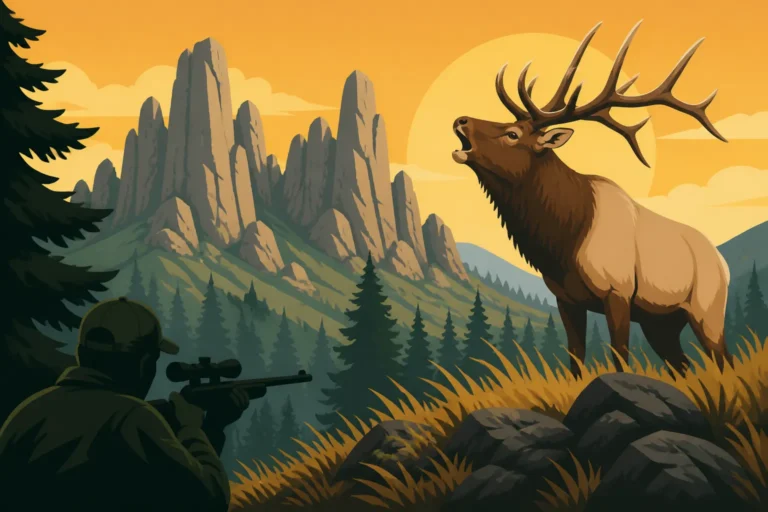
The Black Hills of South Dakota are truly unique, a distinct mountain range rising abruptly from the surrounding prairie. While not towering like the Rockies, their geology creates a challenging hunting environment that demands respect and careful preparation. Many hunters come to the Black Hills for a chance at a Black Hills elk, but the deer hunting is also fantastic, if you can get to them.
The Unique Topography of the Black Hills
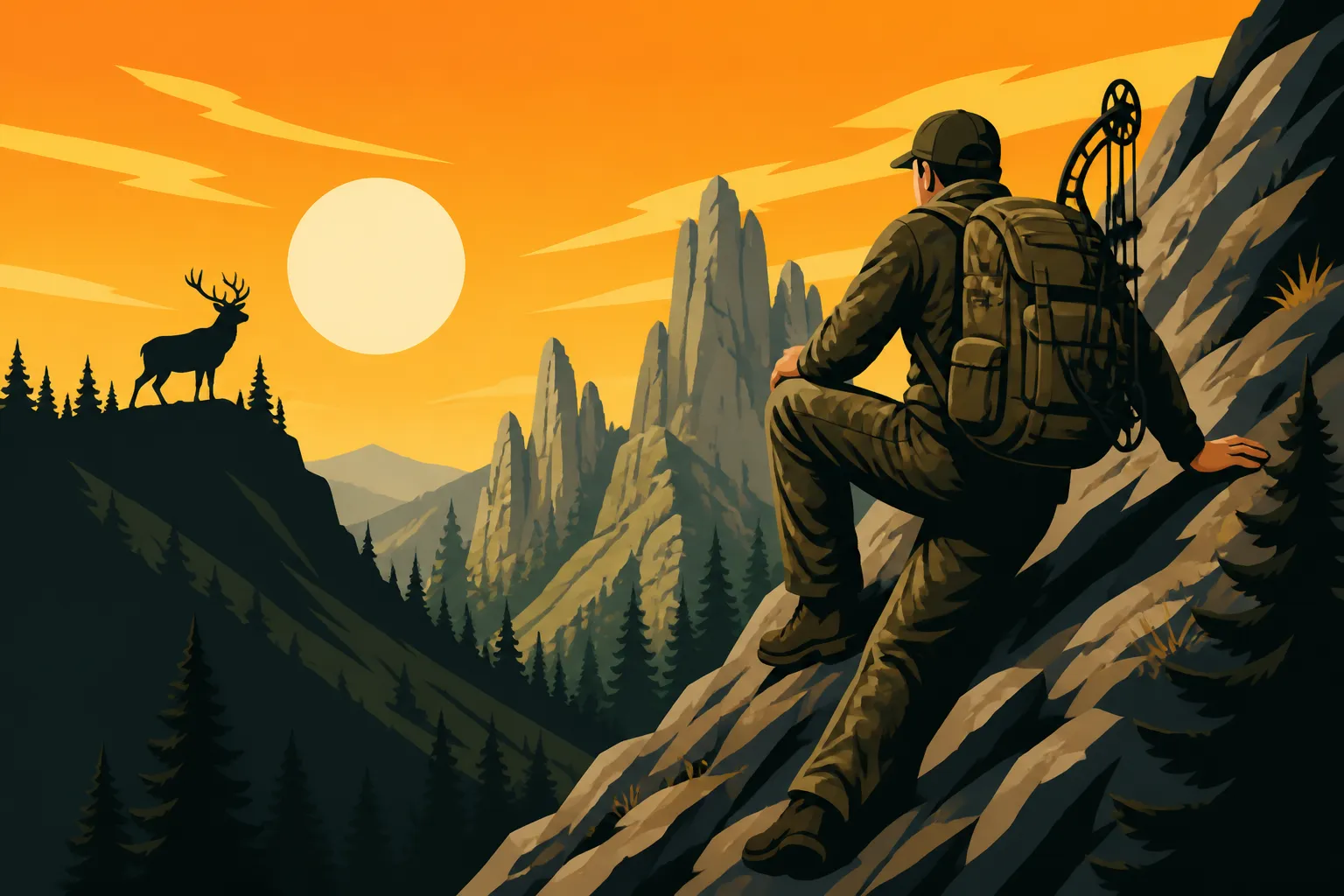
Unlike the rolling plains most associate with South Dakota, the Black Hills are characterized by a mix of steep, timbered slopes, deep canyons, granite outcroppings, and heavy ponderosa pine forests. Elevations range significantly, from around 3,000 feet in the foothills to over 7,200 feet at Black Elk Peak. This varied elevation means constant up and down, often through thick brush that obscures footing. You might encounter areas of decomposed granite that are incredibly slippery, or find yourself picking through talus slopes where every step needs to be deliberate. The drainages, often dry, can be choked with fallen timber, making them natural funnels for game but extremely difficult for human travel. It’s a completely different world from the flat-land South Dakota Pheasant Hunting Tactics for the Opener or Spot-and-Stalk Antelope Hunting in South Dakota you might be used to.
Common Obstacles and Physical Demands
Beyond the sheer steepness, hunters in the Black Hills face a litany of physical and mental hurdles. Dense stands of ponderosa pine, interspersed with oak brush and serviceberry, can reduce visibility to mere yards, forcing you to push through tangles. This kind of cover, while excellent for holding game, is notorious for snagging gear, ripping clothing, and obscuring potential hazards like loose rocks or hidden holes. Muddy sections after a rain can be treacherous, turning a simple descent into a slippery slide. And let's not forget the physical toll. You'll be climbing continuously, sometimes for hours, often with a pack. The thin air at higher elevations, combined with the constant exertion, will test your cardiovascular fitness. Even if you're in great shape, the sustained effort of navigating this terrain with a rifle, optics, and a day pack is far more demanding than a casual hike. It requires stamina, balance, and an unwavering focus on every single step.
Strategic Planning for Ridge Access
You wouldn't head out on the prairie without a plan, and the Black Hills demand even more meticulous preparation. Smart planning before you even set foot on the mountain can make all the difference between a successful hunt and a frustrating, even dangerous, experience. This is where modern tools really shine.
E-Scouting and Map Reconnaissance
Before you load up the truck, spend significant time at home with your maps. Tools like GoHunt's mapping system or other robust digital mapping platforms are invaluable for identifying potential access points, understanding terrain features, and even predicting game movement. Start by looking for contours—tightly packed contour lines mean steep terrain, while more spread-out lines indicate gentler slopes. Identify finger ridges and saddles, as these are natural travel corridors for elk and deer. Look for old logging roads, ATV trails, or game trails that might offer a less strenuous approach into an area. Pay attention to north-facing slopes, which often hold thicker timber and more moisture, making them ideal bedding areas, especially during warmer parts of the season. South-facing slopes, conversely, warm up faster and can be good for early morning feeding or late-season sunning.
Layer satellite imagery with topographical maps. This allows you to see the actual tree cover, open parks, and rock formations that might not be obvious from contour lines alone. Mark potential glassing points, water sources, and areas of dense cover where an animal might bed. It’s also wise to identify multiple entry and exit points. What looks like a great ridge to climb might lead to an impassable cliff on the other side. Having contingencies is crucial. If you're serious about your Black Hills elk, this kind of detailed homework is a non-negotiable step. For more on this, check out Scouting a South Dakota Unit From Home.
Choosing Your Access and Exit Routes
Selecting the right route is paramount for safety and efficiency. Often, the path of least resistance isn't always the best for hunting, but sometimes it's the safest for access. Aim for routes that follow natural contours, like gradual ridge lines or the edges of drainages, rather than trying to climb straight up or down the steepest face. Zigzagging up a slope is far less strenuous and safer than a direct assault. When planning your route, consider the wind direction – you want to approach your target area with the wind in your favor. If you're Hunting Elk on Steep Black Hills Ridges, you'll be constantly mindful of how your scent is drifting.
Always have an exit strategy that doesn't rely on retracing your exact steps, especially if you plan to pack out an animal. What might be a manageable descent empty-handed can become incredibly difficult with hundreds of pounds of meat on your back. Consider routes that lead to forest roads or other accessible points. Mark these on your GPS or mapping app, and share your plan with someone reliable before you head out. Understanding the network of Black Hills Forest Roads and Access is key to efficient planning.
Gear and Safety Essentials for Steep Terrain
Hunting in the Black Hills isn't just about grit; it's about smart gear choices and a commitment to safety. The wrong boots or a dead phone can quickly turn a minor inconvenience into a serious emergency.
Footwear and Traction Systems
Your boots are your most critical piece of equipment in steep country. Forget flimsy hiking shoes; you need sturdy, supportive, and aggressive-treaded boots. Look for boots with stiff soles that can handle sharp rocks and provide stability on uneven ground. Ankle support is non-negotiable to prevent twists and sprains. Brands like Schnee's, Kenetrek, or Crispi are popular for a reason—they build boots specifically for this kind of rigorous mountain hunting. Waterproofing is also crucial, as you'll encounter dew-soaked grass, stream crossings, and potentially mud.
Beyond boots, consider supplemental traction. Trekking poles are an absolute game-changer. They act as two extra points of contact, significantly improving balance on slippery slopes, distributing weight, and reducing strain on your knees during descents. They can also be used to test unstable ground or push aside brush. For icy conditions, microspikes or even full crampons might be necessary, though less common for typical hunting seasons. Always assess the conditions and choose your gear accordingly.
Navigation and Communication Tools
Reliance solely on a cell phone for navigation in the Black Hills is a recipe for disaster. Cell service is notoriously spotty, especially deep in the drainages or on isolated ridges. A dedicated GPS unit or a reliable mapping app like GoHunt downloaded with offline maps is essential. Mark your truck, your planned route, and any significant landmarks. Learn how to use a compass and a paper map as a backup – batteries die, and electronics fail.
Communication is equally vital. While a cell phone can work in some areas, consider a satellite messenger device like a Garmin inReach or Zoleo. These allow you to send texts and SOS signals even without cell service, providing a critical lifeline in an emergency. They also let you check in with loved ones, which is a huge peace of mind for everyone. Even a simple whistle can be a life-saver for signaling if you become disoriented or injured. Don't underestimate the importance of these tools; your life, or the life of a hunting partner, could depend on them. And remember, having a good First Aid Kit for a Prairie Hunt is just as important in the mountains.
Emergency Preparedness
Beyond navigation and communication, a comprehensive emergency kit is non-negotiable. This includes:
- Shelter: A lightweight emergency bivy sack or tarp can provide crucial protection from unexpected weather.
- Fire Starter: Waterproof matches, a lighter, or a ferro rod.
- Water Purification: A filter or purification tablets.
- Food: Extra high-energy snacks.
- Headlamp: With spare batteries, as darkness can fall quickly in the timber.
- Medical Kit: Tailored for trauma (cuts, sprains, severe bleeding) and basic first aid.
- Signaling Device: Whistle, signal mirror.
Always tell someone exactly where you're going and when you expect to return. Be realistic about your physical capabilities and the time it takes to navigate difficult terrain. If you're hunting alone, be even more cautious. The Black Hills are home to Mountain Lions in the Black Hills, so always be aware of your surroundings. Understanding Layering for South Dakota Wind is also crucial, as mountain weather can change dramatically in an instant.
| Gear Category | Essential Items | Key Considerations for Steep Terrain |
|---|---|---|
| Footwear | Sturdy Hunting Boots | Aggressive sole, ankle support, stiff shank, waterproof. |
| Trekking Poles | Lightweight, adjustable, robust. | |
| Microspikes/Crampons | For icy conditions (situational). | |
| Navigation | GPS Device (offline maps) | Durable, long battery life, pre-loaded maps. |
| Paper Map & Compass | Laminated, knowledge of how to use. | |
| GoHunt App (offline) | Download maps for no service areas. | |
| Communi. | Satellite Messenger | SOS function, two-way text. |
| Whistle | Simple, effective signaling. | |
| Safety | First Aid Kit | Comprehensive, accessible. |
| Emergency Bivy/Tarp | Lightweight, compact shelter. | |
| Fire Starter | Reliable in wet conditions. | |
| Headlamp (spare batt.) | Bright, multiple settings. | |
| Extra Food/Water | High-calorie snacks, water filter. |
On-the-Ground Tactics for Uphill and Downhill Travel
Once you're out there, knowing how to move efficiently and safely on steep ground is just as important as your planning and gear. It's about conserving energy and minimizing risk.
Conserving Energy on Ascents
Climbing those long, relentless Black Hills ridges can be brutal. The key is pacing. Don't try to power hike straight up a mountain. Instead, adopt a slow, steady "rest step" or "pressure breathing" technique. The rest step involves locking your knee on each step uphill, briefly resting your leg muscles before initiating the next step. Pressure breathing helps regulate oxygen intake. Take smaller steps, placing your whole foot on the ground for maximum traction and stability. If using trekking poles, use them to propel yourself upwards, taking some of the strain off your legs.
Look for game trails or natural breaks in the terrain. Animals, especially elk, are masters at finding the path of least resistance. Following their trails can often lead you along more gradual contours, saving you valuable energy. When you hit a steep section, don't be afraid to take frequent, short breaks. Five minutes to catch your breath and hydrate can be far more effective than pushing until you're completely spent. Remember, you might still have a long way to go, especially if you're trying to reach those remote bedding areas where you'll find Black Hills Elk Hunting Tactics most effective.
Safe Descents and Avoiding Slips
Descending steep terrain is often where most accidents occur. It can be harder on your knees and less forgiving if you lose your footing. Just like ascending, take your time. Don't try to run or bound down a slope. Keep your knees bent and flexible, allowing them to absorb the impact of each step. Use your trekking poles to provide balance and brake your speed, especially on loose rock or steep dirt.
If the ground is particularly slippery, consider "butt sliding" short sections if it's safe to do so. On very steep, exposed terrain, turning sideways and descending with a controlled crab-walk can offer better foot placement. Always maintain three points of contact if you're using your hands to navigate rocks or fallen timber. Avoid placing your weight on anything that looks unstable or loose. When you're trying to get a deer out of a coulee, understanding these safe descent techniques becomes even more critical for you and your hunting partners.
Utilizing Natural Cover and Contours
The Black Hills offer abundant natural cover, which is a blessing and a curse. It hides game, but it also hides you. When moving on ridges, try to stay just below the crest on the lee side, away from the wind. This keeps your scent from blowing over the top and alerting animals, and it also puts you in a position to peek over the top without silhouetting yourself. Use natural folds in the terrain, rock formations, and thick timber to break up your outline as you move. This is particularly important when you're working through areas where you expect to encounter elk, perhaps after Calling Elk in Black Hills Timber.
When traversing a slope, instead of walking straight across, try to follow game trails or benches that contour around the mountain. These are often easier walking and can lead you to prime feeding or bedding areas. Always be mindful of your surroundings, moving slowly and deliberately, pausing frequently to glass and listen. The Black Hills are not a place for fast, careless movement; patience and stealth are your best allies when trying to get close to game in this rugged landscape.
Disclaimer
Please note that hunting involves inherent risks, and conditions in the Black Hills can change rapidly. This guide offers general advice for steep ridge access and is not a substitute for professional training, experience, or good judgment. Always prioritize safety, adhere to all local regulations, and be prepared for emergencies.