Fox and Bobcat Sets in South Dakota
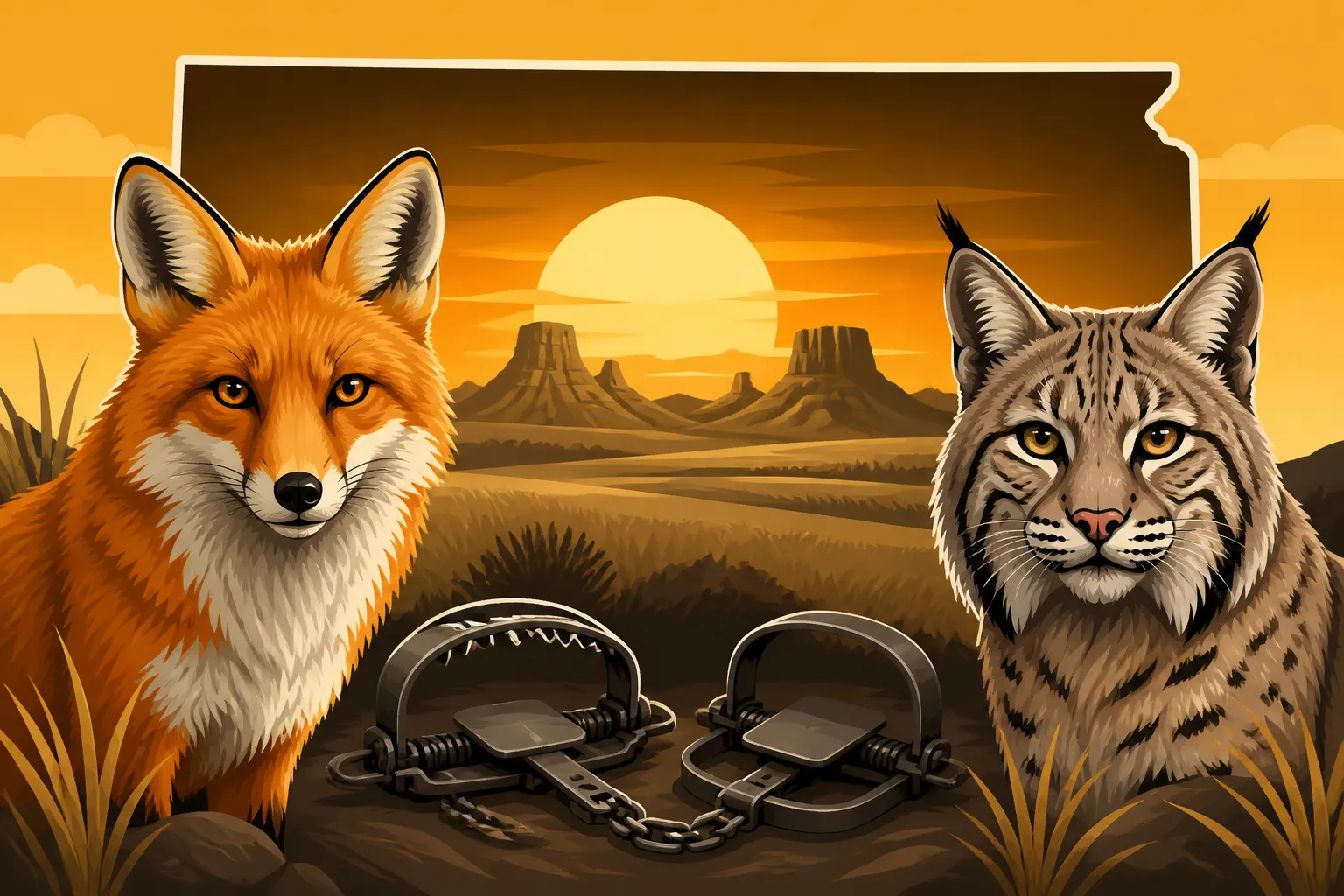
The allure of pursuing wary predators like foxes and bobcats across the diverse landscapes of South Dakota is a unique challenge, often frustrating for those just starting out. It's not like simply walking a corn row for pheasants; these animals are masters of stealth and evasion, making traditional hunting methods often difficult. If you're looking to consistently connect with these cunning furbearers, understanding their habits and deploying effective trap sets is absolutely crucial. This comprehensive guide will walk you through the nuances of fox and bobcat trapping, from understanding their behavior to mastering various set types and navigating the important legal landscape of South Dakota.
Understanding South Dakota's Fox and Bobcat Behavior
Before you even think about putting a trap in the ground, you need to become a student of the furbearer. Knowing what they do, where they do it, and when they do it is the foundation of successful trapping. South Dakota offers diverse habitats, and both foxes and bobcats adapt to them, but with distinct preferences.
Habitat Preferences and Territories
Foxes in South Dakota are primarily Red Foxes, though Gray Foxes can be found in timbered river bottoms. Red Foxes are incredibly adaptable and thrive in a mosaic of agricultural fields, grasslands, and light timber. You'll often find them working field edges, along fence lines, in overgrown shelterbelts, and within the dense cover of CRP (Conservation Reserve Program) acres. These areas provide both cover for stalking small prey and secure spots for den sites. Think about those long, winding draws cutting through open country; these are natural travel corridors and often hold a higher concentration of prey, making them prime fox territory.
Bobcats, on the other hand, are generally more secretive and prefer heavier cover. In South Dakota, this often means rocky outcrops, dense riparian areas along rivers and creeks, and the thicker timber found in the Black Hills or along the Missouri River breaks. They need secure hiding spots for their dens and ambush points for their hunting. While you might find a fox out in the open, a bobcat is almost always associated with some form of dense escape cover or structure. Overlap often occurs in areas where these cover types meet, creating interesting "edge" opportunities for trappers.
Diet and Hunting Patterns
Both foxes and bobcats are carnivores, but their primary prey and hunting styles differ. Red Foxes are opportunistic generalists. Their diet largely consists of small rodents like voles and mice, rabbits, hares, and ground-nesting birds, including pheasants. They are constantly on the move, covering significant ground, often using their keen sense of hearing to pinpoint prey under snow or in thick grass. This constant movement makes them susceptible to well-placed "blind" sets or dirt hole sets that mimic a cached food source along their regular routes.
Bobcats, being larger and more powerful, typically target slightly larger prey. Rabbits and hares are staples, but they'll also readily take pheasants, grouse, and even deer fawns, especially in the spring. Unlike the wide-ranging fox, a bobcat is a more stealthy, stalk-and-pounce predator. They will often lie in wait near game trails or dense cover, relying on camouflage and surprise. Their preference for heavier cover and their more cautious nature means your sets need to be subtle and ideally placed along established travel routes where they feel secure. Both species tend to be most active during crepuscular hours (dawn and dusk) and throughout the night, though they will move during the day, especially in colder weather or during mating season.
Seasonal Activity Shifts
Understanding the seasonal rhythm of foxes and bobcats is critical for successful trapping. As autumn transitions into winter, the activity of both species tends to increase. Food sources can become scarcer, driving them to cover more ground in search of a meal. More importantly for trappers, winter is when their pelts are in prime condition, thick and luxurious, commanding higher prices. Snow is a trapper's best friend in some ways, as it reveals tracks and travel patterns, helping you identify prime locations for your sets. However, snow can also make trap tending more challenging, as it can freeze up traps or bury them entirely.
The pre-breeding and breeding season, typically from late winter into early spring, also sees an increase in movement, particularly for male foxes and bobcats as they search for mates. This heightened activity can sometimes make them less cautious and more susceptible to territorial-based lures. For those interested in pursuing predators more broadly, understanding these seasonal shifts can also aid in Predator Hunting Across South Dakota with calls, not just traps. Always check the current furbearer season dates and regulations published by South Dakota Game, Fish and Parks (GFP) to ensure your trapping efforts are legal and ethical for prime pelt collection.
Essential Fox and Bobcat Set Types for South Dakota
Once you understand who you're trying to catch, the next step is mastering how to catch them. There are tried-and-true set types that work exceptionally well for South Dakota's foxes and bobcats, each with its own nuances and ideal applications.
Dirt Hole Sets for Foxes
The dirt hole set is arguably the most common and effective set for foxes, mimicking a rodent or other small animal that has cached food. It's a universal language for a fox: "Hey, there's food buried here, and maybe a critter."
To create a dirt hole set:
- Choose your spot: Look for natural travel lanes, distinct terrain features like a small knoll, a clump of weeds, or along a fence line where a fox might naturally investigate. E-Scouting Walk-In Areas Before the Season with mapping tools like GoHunt can help you identify these pinch points and terrain features from your couch.
- Dig the hole: Dig a hole about 6-8 inches deep and angled at 45 degrees, just large enough for a fox to stick its nose into. Place the excavated dirt onto a sifting cloth or piece of canvas.
- Place bait and lure: At the back of the hole, place a small amount of strong-smelling bait (pheasant scraps, deer trimmings, or even commercial predator bait). A high-quality fox lure or urine can be dabbed on the lip of the hole or on a nearby grass clump.
- Bed the trap: Dig a shallow bed for your trap (usually a foothold trap, like a #1.5 or #1.75 coilspring) roughly 6-8 inches in front of the hole, slightly offset. Ensure the trap is completely stable, with no wobble. This is critical; a wobbly trap will alert a wary fox.
- Camouflage: Sift fine dirt over the trap and surrounding area, making sure the trap is completely covered and blended with the natural surroundings. A pan cover (like wax paper or polyfill) helps prevent dirt from getting under the pan and fouling the trap.
- Anchor securely: Use a heavy-duty stake or drag to anchor your trap. A fox can exert surprising force.
Variations include the double dirt hole, which features two holes to increase curiosity, or a trench set which is essentially an elongated dirt hole. The key to all dirt hole sets is blending in with the environment, maintaining strict odor control, and ensuring a stable, hair-trigger trap.
Flat Sets and Rub Sets for Bobcats
Bobcats are often described as "big housecats," and their behavior around traps reflects this. They are more visually oriented and less likely to investigate a simple dirt hole, preferring sets that play on their curiosity, territoriality, or natural hunting instincts.
- Flat Sets: These are more subtle than dirt holes. Instead of a dug hole, you use a natural backing such as a large rock, a log, a clump of thick grass, or the base of a tree. The bait (usually a larger piece of meat like rabbit or pheasant) is placed behind the backing, and a bobcat-specific lure (often glandular or curiosity-based) is applied to the backing itself. The trap is bedded subtly in front of the backing, usually 4-6 inches away. The idea is that the bobcat will approach the backing to investigate the smell, potentially pawing at it or circling it, and step on the trap. These sets work great along game trails that hug natural features or near dense cover edges.
- Rub Sets: Bobcats are territorial and often rub scent on vertical objects like trees or posts. A rub set leverages this. Find a suitable vertical object a bobcat might investigate, apply a strong bobcat lure or urine high on the object (about nose height for a standing bobcat), and bed your trap at the base. You can also incorporate a visual attractor like a feather or a tuft of fur hanging near the lure. Again, discretion and excellent camouflage are key.
For bobcats, use a larger, heavier trap like a #2 or #3 coilspring or longspring. They are powerful animals, and a robust trap with a strong anchor is essential. Remember to check regulations for trap sizes.
Cubby Sets and Snaring Where Legal
Beyond foothold traps, other methods can be effective for both species, depending on the situation and legal framework.
- Cubby Sets: A cubby set is a small, enclosed structure designed to protect bait and direct the animal's entry over a trap. This can be a natural hollow log, a rock overhang, or an artificial wooden box or wire cage covered with brush. The bait is placed deep inside, and the trap is bedded just inside the entrance. Cubbies are excellent in colder weather as they offer some protection from snow and wind, keeping lures and baits more active. They are particularly effective for bobcats that might appreciate the feeling of entering a secure, den-like space.
- Snaring: Snaring can be highly effective for both foxes and bobcats, especially when placed strategically on well-used trails, through narrow openings in fences, or in thick brush where animals are funneled. However, South Dakota has specific regulations regarding snaring. For example, snares must be equipped with breakaway devices designed to prevent non-target captures (like deer), and there are specific requirements for cable size, length, and how far they must be set from public roads. Always review the current South Dakota Predator Hunting Licence Rules and the furbearer regulations guide from GFP to ensure you are compliant. Snaring requires careful placement to ensure a quick, humane capture and requires daily checking, which is a legal requirement for all trapping methods. For those interested in Winter Predator Hunting on Snow, snares can be particularly useful as snow can help guide animals into the loops, and tracks can confirm activity.
Strategies for Effective Set Placement and Success
Trapping isn't just about digging a hole; it's about making smart decisions that maximize your chances of success. It's an art form that blends field craft, patience, and a deep understanding of animal behavior.
Reading the Landscape for Sign and Travel Routes
The most effective trappers are expert scouts. Before you even think about placing a trap, you should spend time walking the ground. Look for:
- Tracks: Fresh tracks in mud, dust, or snow are gold. They tell you what animals are present, how fresh the activity is, and the direction of travel. Reading Snow for Deer and Predator Sign can significantly improve your scouting abilities in winter.
- Scat: Droppings can indicate diet and territory.
- Kill sites: Partially eaten carcasses can signal a predator's recent presence.
- Game trails: Well-worn paths, especially those leading between different habitat types (e.g., from a dense cattail slough to a cornfield edge), are prime locations.
- Natural funnels and pinch points: These are areas where the landscape naturally restricts animal movement to a narrow corridor. Think about a narrow bridge crossing a creek, a small opening in a dense shelterbelt, or a draw that narrows down before opening into a larger field. These are high-traffic zones.
Using modern mapping tools like the GoHunt app can be invaluable. Its aerial imagery and topographic layers allow you to identify potential travel corridors, terrain features, and habitat transitions without even stepping foot in the field. This "e-scouting" is a powerful way to narrow down productive areas on public lands like South Dakota Game Production Areas or Hunting South Dakota Walk-In Areas before you commit valuable time on the ground.
Lure, Bait, and Scent Discipline
Lures and baits are your attractants, but using them correctly, along with strict scent control, makes all the difference.
- Lures: These are potent scents designed to attract an animal.
- Glandular Lures: Made from the glands of the target animal, these play on territorial instincts. A fox might be drawn to another fox's scent, thinking it's an intruder.
- Food Lures: Mimic prey odors or other attractive food sources.
- Curiosity Lures: Strong, sometimes unusual scents that simply pique an animal's interest.
- Use specific lures for specific animals. A bobcat lure is different from a fox lure. Change lures if they aren't working, especially in varying weather conditions.
- Baits: These are the actual food items. Small pieces of meat (rabbit, pheasant, venison scraps, even commercial paste baits) are effective. Ensure bait is fresh and appealing. Avoid over-baiting, as too much can distract from the trap.
- Scent Discipline: This is paramount. Predators have an incredible sense of smell.
- Wear clean gloves: Always, from handling traps to setting them.
- Use clean tools: Dedicate a set of tools (trowel, sifter) to trapping and clean them thoroughly.
- Avoid human scent: Don't smoke near your sets, and try not to get human scent on the trap or immediate area. Some trappers even use a dedicated pair of "trapper's boots" that are only worn in the field. The goal is to make the set appear as natural and undisturbed as possible.
Weather Considerations and Trap Line Management
South Dakota weather is famously unpredictable and directly impacts trapping success.
- Snow: While great for scouting, fresh, heavy snow can bury traps, making them inoperable or difficult to find. Light snow can often be sifted over a set, but deep snow requires adjustments like raising sets or using cubbies. Freezing rain or melting snow followed by a hard freeze can lock up trap jaws or pans. Use pan covers made of wax paper or polyfill to help prevent this.
- Rain: Heavy rain can wash away lures and baits, necessitating reapplication. It can also foul traps with mud.
- Temperature: Cold weather can intensify some lures, while extreme heat can make others evaporate too quickly. Animals are generally more active in moderate to cold temperatures as they seek food, making these periods ideal. Layering for South Dakota Wind is essential for your comfort during daily trap checks, especially in the colder months.
Trap Line Management:
- Daily Checks: This is not just ethical; it's a legal requirement in South Dakota. You must check your traps at least once every 24 hours. This ensures humane treatment of captured animals and allows you to quickly reset or adjust unproductive sets.
- Maintain Sets: Clear debris, re-lure if needed, and ensure traps remain functional.
- Move Unproductive Sets: If a set isn't producing after a few days of good weather and no sign, don't be afraid to move it to a more promising location. Learn from your failures and adjust.
Legal and Ethical Considerations for Predator Trapping
Trapping, like all forms of hunting, comes with significant legal and ethical responsibilities. Understanding and adhering to South Dakota's regulations is non-negotiable.
South Dakota Regulations and Licensing
Before you even consider placing your first trap, you must familiarize yourself with the specific laws governing trapping in South Dakota.
- Trapper License: You will need a valid South Dakota Furbearer License. Nonresidents need a nonresident furbearer license. Information on how to obtain this can be found through the South Dakota Hunter Education and Licensing resources.
- Trap Tagging: All traps must be tagged with your name and address or your GFP identification number. This is critical for ownership and identification.
- Set Distance from Roads/Dwellings: There are often regulations regarding how close traps can be placed to public roads, residences, or other specific areas. This varies, so always check the most current regulations.
- Check Times: As mentioned, traps must be checked at least once every 24 hours.
- Furbearer Season Dates: Fox and bobcat have specific open seasons. Trapping outside these dates is illegal. These seasons are set by the South Dakota Game, Fish and Parks Commission annually, and you can usually find them in the annual hunting and trapping handbook. For example, some units in the Black Hills might have slightly different bobcat regulations due to more sensitive populations.
- Snare Specifics: Pay close attention to the detailed rules for snaring, including breakaway devices, maximum loop size, and cable diameter. Ignorance of the law is not an excuse.
Responsible Trapping Practices
Ethical trapping is paramount. It ensures humane treatment of animals and maintains a positive public perception of trapping as a conservation tool.
- Non-Target Animal Release: Even with careful set placement, non-target animals (like domestic dogs or raccoons) can sometimes be caught. You must know how to safely and quickly release them unharmed. This reinforces why daily checks are so important.
- Humane Dispatch: If you catch a target furbearer, you must be prepared to dispatch it quickly and humanely. This often involves a small-caliber firearm or blunt trauma, performed with skill and respect.
- Avoiding Areas with Domestic Pets: Never set traps where you know domestic pets frequent, such as near walking trails, parks, or populated rural areas. It's not only dangerous for the pets but also reflects poorly on all trappers.
- Public Perception: Trapping sometimes faces scrutiny. By practicing ethically and responsibly, trappers contribute to wildlife management and preserve the tradition.
Pelt Handling and Marketing
Your work isn't done once you've made a catch. Proper pelt handling is crucial for maximizing the value of your efforts. A poorly handled pelt can fetch a fraction of the price of a well-prepared one.
- Skinning: Learn the correct techniques for skinning foxes and bobcats. This typically involves skinning "cased" (like pulling off a sweater), leaving the fur intact.
- Fleshing: This is the process of removing all meat, fat, and membrane from the hide. A fleshing beam and a sharp fleshing knife are essential tools. Thorough fleshing prevents spoilage and allows the pelt to dry properly.
- Stretching: Pelts are then stretched onto wire or wooden stretchers to dry. The correct shape and size are critical for presentation and market value.
- Drying: Pelts must be dried in a cool, well-ventilated area, away from direct sunlight or heat, which can damage the fur.
- Marketing: Once dried, pelts can be sold to fur buyers, either directly or through fur auctions. Research current market prices and find reputable buyers. The prime pelts from Winter Predator Hunting on Snow are usually the most sought after.
Trapping fox and bobcat in South Dakota is a rewarding pursuit that connects you deeply with the land and its wildlife. It demands patience, knowledge, and a commitment to ethical practice. By understanding these animals, mastering your sets, and respecting the rules, you'll find immense satisfaction in the challenge and the harvest.
Disclaimer
The information provided in this guide is for general informational purposes only and is not intended as legal advice. Hunting and trapping regulations change frequently. It is the individual hunter's and trapper's responsibility to consult the most current South Dakota Game, Fish and Parks regulations and local ordinances before engaging in any hunting or trapping activities. Always prioritize safety and ethical practices.