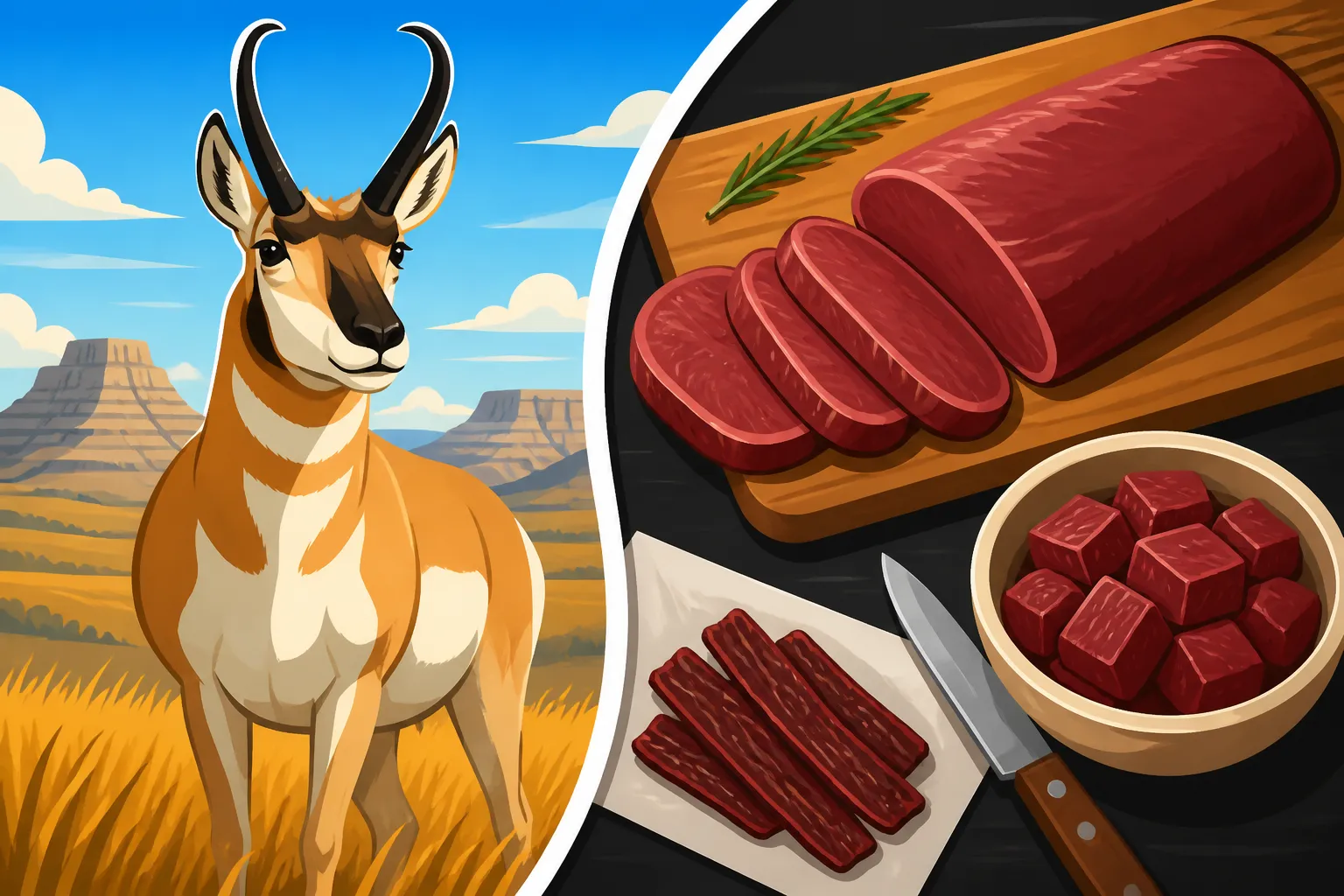
Antelope Meat and How to Treat It
There's a persistent rumor that antelope meat is inherently "gamey" or tough, a challenge many hunters dread when they finally put a tag on a beautiful pronghorn buck. But I'm here to tell you that this common misconception often stems not from the animal itself, but from how the meat is handled in those crucial hours after the shot. This comprehensive guide will walk you through every step, from the moment your antelope hits the prairie to the delicious meals you'll enjoy at your dinner table, ensuring your South Dakota pronghorn provides some of the finest wild game meat you've ever tasted.
The Truth About Antelope Meat's Reputation
It's a frustrating thing to hear, isn't it? You work hard, you scout, you make a great shot, and then someone wrinkles their nose at the mention of antelope, warning you about "that gamey taste." This sentiment has unfortunately become ingrained in some hunting circles, making new hunters wary and sometimes leading to poor post-harvest decisions. Let's break down why this reputation exists and what truly influences the flavor of your hard-earned meat.
Why Antelope Gets a "Bad Rap"
The idea that antelope meat is automatically tough or strong-flavored is largely a myth. Unlike some other big game species, pronghorns are grazers, meaning their diet often consists of sagebrush, forbs, and grasses, which can contribute a unique but not unpleasant flavor profile. The real culprits behind the "bad rap" are almost always related to field care, or lack thereof. Imagine an antelope that's been run hard, shot poorly, and then left to bake in the hot South Dakota sun for hours before being field dressed. The stress hormones, the internal damage from a gut shot, and the rapid bacterial growth in warm temperatures all contribute to a truly unpleasant tasting outcome. It's not the antelope's fault; it's a testament to critical mistakes in handling. We've even got a dedicated article that dives deeper into this topic: Why Antelope Meat Gets a Bad Name.
Another factor often mistakenly blamed is the scent glands. Antelope have distinct glands on their hind legs, but these do not inherently "taint" the meat if handled properly. The issue arises when hunters allow contact between these glands (or hair that has touched them) and the exposed meat during skinning and quartering. This contamination, not the glands themselves, is what can impart an undesirable flavor.
Factors That Truly Affect Flavor
So, if it's not the animal itself, what does genuinely affect the flavor of antelope meat? It boils down to a few key factors, all of which are largely within the hunter's control.
First and foremost is stress. An animal that has been chased hard, wounded, and takes a long time to expire will have elevated stress hormones like adrenaline coursing through its system. These hormones can break down glycogen in the muscle, leading to a more acidic and tougher meat. This is why a quick, clean kill is paramount, not just for ethical reasons, but for meat quality too. Taking the time to ensure a good shot placement, perhaps after carefully stalking into range, makes all the difference. Knowing where to place your shot on a pronghorn is key, and you can learn more about it in Shot Placement on a Quartering Pronghorn.
Second is temperature and cooling speed. Antelope are often hunted in early season when prairie temperatures can still be quite warm. Meat needs to be cooled rapidly to inhibit bacterial growth. Leaving a carcass un-gutted or exposed to warm air for extended periods allows bacteria to proliferate, leading to spoilage and that unmistakable "gamey" taste. The faster you can get the hide off and the internal organs out, the better.
Finally, the age and diet of the animal play a role, though less significant than stress and cooling. A very old buck might have slightly tougher meat than a younger doe, simply due to muscle maturity. Similarly, an antelope that has been feeding extensively on a particular browse might have a slightly different flavor than one grazing primarily on alfalfa. However, these are subtle nuances compared to the overwhelming impact of poor field care.
Field Care: The Most Critical Step for Quality Antelope Meat
This is where the magic happens, or where it all goes wrong. Proper field care isn't just a suggestion; it's a non-negotiable step if you want delicious antelope meat. The goal is simple: get the hide off, the guts out, and the meat cooled as quickly and cleanly as humanly possible.
Immediate Field Dressing for Rapid Cooling
The clock starts ticking the moment your antelope hits the ground. Every second that passes, especially in warm weather, allows bacteria to multiply and internal heat to remain trapped, literally cooking the meat from the inside out. Your first priority, after confirming the animal is deceased and tagging it, is to field dress it.
Start by carefully making an incision from the sternum to the pelvis, circling the anus to free the colon. Be extremely cautious not to puncture the stomach or intestines. You want to keep the gut contents separate from the meat at all costs. Once the cavity is open, reach in and sever the esophagus and trachea, then roll the animal slightly to allow gravity to help you remove all internal organs. Some hunters even remove the windpipe and associated organs right up to the jaw, getting as much out as possible.
After evisceration, if you have access to water, a quick rinse of the cavity can help remove any stray hairs or blood, though some prefer a dry wipe to avoid introducing moisture that can lead to further bacterial growth if not properly dried. The crucial step now is to prop the body cavity open with a stick or two, allowing air to circulate and facilitate rapid cooling. Get that internal heat out! For a detailed guide on this critical initial step, refer to Field Dressing an Antelope Fast. If you're hunting in warmer conditions, which is common during the early South Dakota antelope season, these principles become even more urgent. Understanding how to manage the heat is vital, and our article on Field Dressing in Warm October Weather offers great insights.
Keeping the Carcass Clean and Off the Ground
Once your antelope is field dressed, you need to protect that exposed meat. The ground is often dusty, sandy, or covered in thorny vegetation – none of which you want contaminating your meat. If possible, immediately get the carcass onto a clean tarp or game bags. You can even use some sagebrush or prairie grass to prop it up off the dirt.
The hide acts as an insulator, so the next critical step is to get it off. Skinning the animal in the field significantly aids in cooling and allows you to remove any blood-shot or contaminated areas. Be mindful of those scent glands on the hind legs; ensure your knife and hands don't transfer any residue from them to the meat. Many hunters choose to quarter the animal in the field as they skin it, especially if they are a long way from their vehicle or camp. This makes transport easier and further exposes the meat to cooling air. As you skin and quarter, immediately place the meat into clean, breathable game bags. These bags protect the meat from flies, dirt, and debris while allowing air to circulate, which helps form a protective "crust" on the meat.
Transporting Your Antelope Back to Camp
The journey from where your antelope fell to your cooler or processing station is another make-or-break moment. You want to get the meat cooled down completely, and quickly. If you've quartered the animal in the field, place those game-bagged quarters directly into a quality cooler filled with ice. Don't just toss them on top of the ice; bury them in it. The goal is to bring the meat's internal temperature down to around 35-40°F as fast as possible. If you can't get ice immediately, at least get the bagged quarters into the shade, out of direct sunlight, and into any breeze available.
If you're bringing the entire field-dressed carcass back whole, load it into your vehicle in a way that allows for maximum airflow. Don't just throw it in the back of your pickup and cover it with a tarp – that traps heat. Again, game bags are your best friend here. Consider using tools like GoHunt to scout access routes beforehand. Knowing the terrain helps you plan for quicker retrieval, minimizing the time the animal sits in the field, which directly impacts meat quality. Even if it means an extra trip, prioritize getting that meat into a proper cooling environment. Learn more about how to manage your harvested game meat during the journey home by reading Coolers and the Drive Home.
Processing Your Antelope: From Carcass to Cooler
Once you have your antelope back at camp or your home processing station, the real work of turning it into table fare begins. This stage is all about precision, cleanliness, and understanding the anatomy of the animal to maximize your yield and ensure delicious cuts.
Skinning and Quartering Without Contamination
If you didn't fully skin and quarter in the field, now's the time. Lay your antelope on a clean tarp or a processing table. Begin by cutting around the major joints and carefully separating the quarters, backstraps, and tenderloins. The less you saw through bone, the cleaner your cuts will be, as bone marrow can affect flavor. Use a sharp knife and work deliberately to avoid cutting into the meat more than necessary.
When skinning, try to "fist" the hide away from the meat rather than constantly cutting. This minimizes hair on the meat. Always keep a bucket of clean water or a spray bottle with a vinegar solution handy to wipe down your hands and knife frequently. It sounds obsessive, but preventing cross-contamination from hair, dirt, or anything on the outside of the hide is absolutely critical for the final flavor. If you opted to quarter in the field, the process is largely the same, but now you're focusing on breaking down those quarters into smaller, more manageable cuts. While we often think of quartering for deer, the principles translate directly to antelope, so you might find useful tips in Quartering a Deer in a Coulee that can be adapted.
Breaking Down the Quarters and Loins
This is where you transform large sections of meat into specific cuts. Antelope, being a smaller animal, doesn't yield as much volume as a deer or elk, but the quality can be outstanding.
- Backstraps and Tenderloins: These are your prime cuts. Carefully separate the backstraps (loins) that run along the spine. The tenderloins are the smaller, inner muscles found inside the cavity along the backbone. These should be meticulously cleaned of all silver skin, fascia, and any bloodshot or bruised meat. These parts are best left as whole roasts or cut into thick medallions for quick cooking.
- Roasts: The larger muscles from the hindquarters and shoulders can be turned into roasts. Again, trim all silverskin and any connective tissue. Sometimes, you'll find a roast-sized muscle that's perfect for slow cooking.
- Steaks: Many of the smaller, leaner muscles can be cut into steaks. Be mindful of the grain of the meat and cut across it to maximize tenderness.
- Grind Meat: Any smaller scraps, tougher cuts, or pieces that are too small for steaks or roasts can be used for grind. This is excellent for burgers, chili, sausage, or meatloaf. Make sure to remove all sinew and fat before grinding, as external fat on antelope can sometimes contribute to an off-flavor. Many hunters add a small percentage of beef or pork fat when grinding antelope to improve texture and flavor, particularly for burgers.
Some hunters opt for a brief dry-age period, hanging the carcass or quarters in a controlled, cool, and humid environment for a few days. This can tenderize the meat and deepen its flavor. However, this requires specific conditions and is not always feasible for the average hunter, especially with South Dakota's often fluctuating weather patterns.
Packaging and Freezing for Long-Term Storage
Proper packaging is your last line of defense against freezer burn and flavor degradation. You've done all the hard work; don't let it go to waste now.
- Vacuum Sealing: This is hands-down the best method. A good vacuum sealer removes all air from around the meat, preventing ice crystal formation and freezer burn. This can keep your antelope meat fresh for a year or even longer in the freezer.
- Freezer Paper or Heavy-Duty Freezer Bags: If you don't have a vacuum sealer, use high-quality freezer paper, wrapping each cut tightly to eliminate air pockets, then taping it securely. Alternatively, use heavy-duty freezer bags, squeezing out as much air as possible before sealing. Double-wrapping can add an extra layer of protection.
- Labeling: This might seem minor, but it's crucial. Clearly label each package with the type of cut (e.g., "Antelope Backstrap"), the date it was processed, and the year. You'll thank yourself later when you're looking for a specific cut in a freezer full of wild game.
- Freezer Management: Organize your freezer so that older meat is used first. Avoid overloading your freezer with warm meat, as this can raise the overall temperature and compromise other frozen items. Freeze packages individually on a flat surface before stacking them to ensure even freezing.
Cooking Your Antelope: Unlocking Delicious Potential
You've taken care of your antelope from the field to the freezer, now comes the reward. Antelope meat, when handled correctly, is lean, finely textured, and has a distinct, yet mild, flavor that many compare to a cross between venison and beef, often with a hint of its prairie diet. It's truly a gourmet wild game meat if treated right.
Marinating and Tenderizing Strategies
Because antelope is so lean, it tends to dry out quickly if overcooked. This makes marinating a fantastic strategy, serving a dual purpose of adding moisture and infusing flavor.
- Acidic Marinades: Marinades with an acidic component (like red wine, vinegar, citrus juice, or buttermilk) can help tenderize the meat slightly and break down some of the tougher fibers. However, don't over-marinate, as too much acid can "cook" the meat and make it mushy. A few hours to overnight is usually sufficient.
- Oil-Based Marinades: These are excellent for adding moisture and carrying flavors from herbs and spices. Think olive oil, garlic, rosemary, thyme, and black pepper. They won't tenderize as much as acidic marinades, but they are great for cuts you plan to sear or grill quickly.
- Enzymatic Tenderizers: Some fruits, like papaya or kiwi, contain natural enzymes that break down protein. While effective, they can quickly turn meat mushy if left too long, so use with extreme caution and for very short periods.
- Mechanical Tenderizing: For tougher cuts destined for steaks, using a meat mallet or a blade tenderizer can help break up muscle fibers. This is particularly useful for cuts that might be slightly tougher, like those from an older animal.
Best Cooking Methods for Antelope Cuts
Matching the cut to the cooking method is key to success.
- Quick Cooking for Prime Cuts: Backstraps and tenderloins are best cooked quickly to medium-rare. Think searing in a hot pan, grilling over high heat, or broiling. The lean nature means they will dry out rapidly if cooked past medium. A quick sear, leaving the inside pink, will highlight their delicate flavor and tender texture.
- Slow Cooking for Roasts and Stew Meat: Tougher cuts from the shoulders or hindquarters, or those destined for stew meat, shine in slow-cooking methods. Braising, stewing, or using a slow cooker with plenty of moisture and aromatics will break down connective tissues, resulting in incredibly tender and flavorful meat. This is perfect for antelope chili, pot roasts, or hearty stews.
- Grinding for Versatility: Ground antelope is incredibly versatile. Use it for burgers, mixing with a bit of fattier ground beef or pork if you prefer. It also makes excellent meat sauce for pasta, tacos, or shepherd's pie. Just remember, because it's so lean, it will cook faster and render less fat than ground beef.
Recipes to Make Antelope the Star of Your Meal
Once you have your antelope meat prepared, the possibilities are endless. Here are a few ideas to get you started, focusing on simple preparations that let the natural flavor of the meat shine:
- Pan-Seared Antelope Medallions: Cut backstraps into thick medallions, season simply with salt, pepper, and a touch of garlic powder. Sear quickly in butter or olive oil in a screaming hot cast iron pan, about 2-3 minutes per side for medium-rare. Finish with a pat of butter and a sprinkle of fresh herbs.
- Antelope Chili: Use ground antelope in your favorite chili recipe. The lean meat absorbs flavors beautifully and contributes a rich, wild taste. Brown the ground meat first, then add your beans, tomatoes, chili powder, cumin, and other spices, letting it simmer for hours.
- Braised Antelope Roast: Take a shoulder or hindquarter roast, sear it on all sides, then place it in a Dutch oven with beef broth, red wine, carrots, celery, onions, and herbs like bay leaf and thyme. Braise in a low oven (around 300°F) for 3-4 hours until fork-tender. This is a perfect cold-weather meal.
By following these steps, you'll not only dispel the myth of "gamey" antelope meat but also create a truly memorable culinary experience that celebrates your successful South Dakota hunt.
Disclaimer
This article is for general informational purposes only and does not constitute professional advice. Laws, prices and regulations vary by location and change over time. Consult a qualified professional for guidance on your specific situation.