EHD Outbreaks in South Dakota Deer
It's incredibly frustrating for deer hunters in South Dakota to invest time and effort into scouting and preparing for the season, only to find their local deer population hit hard by Epizootic Hemorrhagic Disease (EHD). This guide is designed to shed light on EHD outbreaks, explaining what causes them, their impact on the state's deer, and what you, as a hunter, can expect and do in affected areas.
Understanding Epizootic Hemorrhagic Disease (EHD)
When we talk about EHD, it’s not just some abstract scientific term; it’s a very real and often devastating illness that sweeps through deer herds, leaving hunters heartbroken and seasons disrupted. It’s a natural, recurring challenge that deer populations face, particularly in warmer climates, and South Dakota is no stranger to its impact.
What is EHD and How Does It Spread?
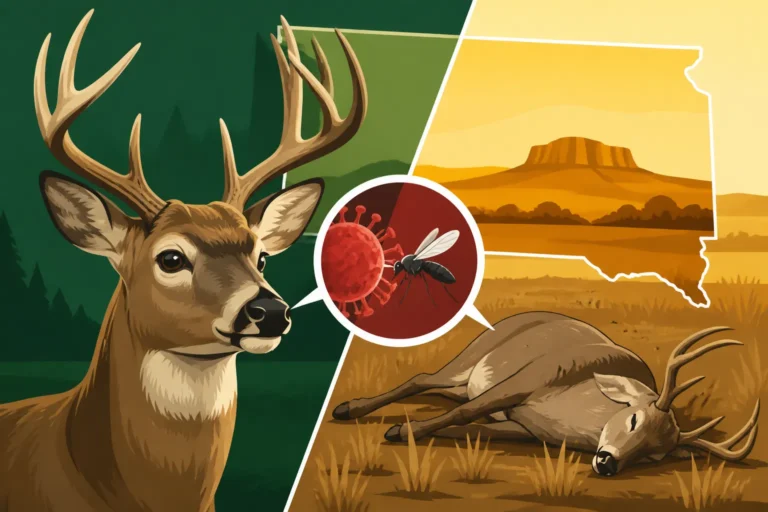
Epizootic Hemorrhagic Disease is caused by a virus transmitted by tiny, biting insects called midges (often referred to as no-see-ums or gnats). These aren't your typical mosquitoes; they're much smaller, but their impact can be enormous. The disease is not contagious from deer to deer directly; rather, it’s all about the midge acting as the vector, carrying the virus from an infected deer to a healthy one when it takes a blood meal.
The frustrating part about EHD is its cyclical and unpredictable nature. The virus thrives in warm, moist conditions, which allow the midge populations to boom. However, when drought conditions persist, water sources become scarce, forcing deer to concentrate around the remaining ponds, puddles, and stream banks. This concentration, unfortunately, also concentrates the midges, creating a perfect storm for rapid disease transmission. It’s a cruel irony that both wet conditions (for midge breeding) and dry conditions (for deer congregation) can contribute to widespread outbreaks. The virus doesn't survive long once temperatures drop and a hard frost kills off the midge population, effectively ending the transmission cycle for the year. But until that first killing frost arrives, the worry lingers for hunters and wildlife managers alike.
Symptoms and Signs of EHD in Deer
The symptoms of EHD can be quite stark and distressing to witness. Deer infected with the EHD virus typically show signs within 7 days, and the disease can progress very quickly. Initially, you might notice a deer appearing lethargic, weak, and disoriented. They might also exhibit a high fever, which often drives them to seek out water sources to cool down. This is why you often find EHD-affected deer near creeks, ponds, and riverbeds.
As the disease advances, other more severe symptoms manifest. Deer can develop swelling of the head, neck, tongue, and eyelids. Their tongues may become blue, and they might have ulcers and lesions on their mouths and stomachs. Internally, the virus causes extensive hemorrhaging, or bleeding, throughout the body, particularly in the heart, lungs, and gut. This internal bleeding, coupled with fever and organ damage, often leads to death within a few days of symptom onset. Seeing a deer in such distress or finding multiple dead deer along a water source is undeniably upsetting. The rapid mortality rate means that many hunters might not even see sick deer, only finding the carcasses after the fact, which further adds to the mystery and sorrow surrounding an outbreak.
The Impact of EHD on South Dakota Deer Populations
EHD has been a recurring guest in South Dakota, leaving its mark on the state's whitetail and sometimes mule deer herds. Understanding past outbreaks helps us predict and prepare for future challenges, although the exact timing and severity are always a toss-up.
Historical Outbreaks and Geographic Patterns
South Dakota has experienced several significant EHD outbreaks over the years, with notable events in 2012, 2019, 2021, and most recently, 2023. Each outbreak varies in intensity and geographic spread, largely dictated by local weather patterns. For example, the 2012 outbreak was particularly severe, impacting a large portion of the state’s whitetail deer population. In 2023, many areas of western and central South Dakota saw localized outbreaks that severely reduced deer numbers in specific river bottoms and drainages.
These outbreaks are not uniform across the state. They tend to concentrate in areas where deer populations are dense, and particularly along river systems and drainage areas where water is available. The Missouri River breaks, the James River valley, and smaller creeks that provide year-round water and dense cover are often hotbeds for EHD activity. This is because these areas naturally concentrate both the deer and the midges responsible for transmitting the virus. Hunters familiar with South Dakota Whitetail Hunting in River Bottoms know these riparian zones are prime deer habitat, making them unfortunately susceptible when EHD hits. While whitetails are generally more impacted due to their preference for these habitats, mule deer can also be affected, especially in areas where their ranges overlap with whitetails or when they are forced to utilize similar water sources during dry spells.
Population Recovery and Long-Term Effects
After an EHD outbreak, a critical question for every hunter is: how long will it take for the deer population to recover? The good news is that deer populations are resilient. Recovery largely depends on the severity and localized nature of the outbreak, as well as the health of the surviving population and subsequent environmental conditions. In many cases, deer populations can rebound within a few years. Does that survive an EHD event develop immunity, and they continue to breed, producing fawns in the following spring.
However, outbreaks can have significant short-term and sometimes longer-lasting effects. One of the most noticeable impacts is a temporary reduction in overall deer numbers, especially antlered bucks. EHD tends to hit older, larger bucks harder, which can lead to a shift in the buck age structure for a few seasons. Fawn recruitment might also see a dip if does were severely affected or if conditions remain unfavorable. Wildlife managers keep a close eye on these trends. Tools like those offered by GoHunt, which analyze harvest data and population trends, can sometimes offer insights into how quickly populations in specific units are recovering, though EHD's immediate impact can be hard to quantify precisely until post-season surveys. While the South Dakota Deer Licence Types by Region are usually set with long-term population health in mind, significant EHD events can occasionally prompt discussions about adjusting tag numbers in severely impacted areas to aid recovery, though this is not a common immediate reaction.
Environmental Factors Driving EHD Outbreaks
EHD isn't just a random occurrence; it's intricately linked to the environment. The dance between temperature, moisture, and deer behavior sets the stage for whether an outbreak will be mild or devastating.
The Role of Drought and Water Sources
It might seem counterintuitive, but drought conditions are often key drivers of widespread EHD outbreaks. While midges need moisture to breed, sustained dry periods create conditions that facilitate rapid transmission. When the prairie dries up, the myriad small potholes and ephemeral puddles disappear, forcing deer to concentrate around the few remaining reliable water sources, like larger creeks, rivers, and permanent stock dams.
This concentration is a double-edged sword. First, it brings more deer into close contact, increasing the chances of midges finding new hosts. Second, and crucially, these concentrated water sources also become prime breeding grounds for midges. As the edges of ponds and creeks recede, they often leave behind muddy flats that are perfect for midge larvae to develop. So, while widespread standing water might be gone, these specific, shrinking waterholes become incubators for the vector, and magnets for thirsty deer. Hunters who spend time in the West River hunting country know how critical these water sources are, and how crowded they can get. It's a cruel cycle: the very places deer go to survive the drought become the places where they are most vulnerable to EHD. The warmer temperatures during these dry spells also accelerate the midge life cycle, leading to more generations of the insects and more opportunities for the virus to spread before a cold snap provides relief.
Climate Change and Future EHD Concerns
The ongoing discussion around climate change adds another layer of complexity to EHD management. While it’s hard to attribute any single EHD outbreak directly to climate change, broader trends suggest that we might see more frequent or severe events in the future. Warmer average temperatures mean a longer active season for midges. If falls stay warmer longer, the period for EHD transmission extends, giving the virus more time to spread before the first killing frost.
Additionally, altered precipitation patterns—with potential for more intense droughts followed by heavier, localized rain events—could create ideal conditions for midge outbreaks and subsequent EHD transmission. We might see an increase in both the frequency and geographic reach of EHD in South Dakota, potentially impacting areas that historically saw fewer outbreaks. This uncertainty creates a challenging scenario for wildlife managers and raises concerns for hunters who cherish the state's deer herds. Staying informed through the South Dakota Wildlife Disease Monitoring program and understanding how these large-scale environmental shifts play out on the local level will be increasingly important for hunters planning their seasons.
What Hunters Can Do and How GFP Responds
When EHD hits, it’s a tough situation, but there are proactive steps hunters can take, and the South Dakota Game, Fish and Parks (GFP) plays a crucial role in monitoring and managing the situation.
Reporting Sick or Dead Deer and Carcass Management
One of the most important things hunters can do is to be the eyes and ears in the field. If you encounter sick or recently deceased deer displaying EHD-like symptoms (swelling, lethargy, found near water), it’s vital to report it to the South Dakota GFP. Your observations provide valuable data that helps wildlife officials track the spread and severity of an outbreak. You can often find contact information for reporting sick animals on the GFP website or through local conservation officers. Prompt reporting, especially in new areas, can help the GFP understand the scope of the problem. When Reporting a Sick Animal in South Dakota, provide as much detail as possible about the location, the animal's condition, and the number of animals observed.
Regarding carcass management, while EHD is not transmissible to humans or domestic animals, it's still generally a good practice to leave carcasses undisturbed if possible. If you must move a carcass, wear gloves and practice good hygiene. Unlike Chronic Wasting Disease (CWD), which has strict Carcass Transport Rules for CWD due to its long-lasting presence in the environment, EHD virus quickly dies outside a host once the midge dies or temperatures drop. Therefore, while reporting is crucial, the same level of intensive carcass removal or specific transport restrictions typically doesn’t apply for EHD, unless local conditions or specific studies warrant it. Hunters should always follow any specific instructions provided by GFP in the event of a significant outbreak in their hunting unit.
Scouting and Adaptations for Hunting Post-EHD
Hunting after a significant EHD outbreak requires a shift in strategy and expectations. It’s understandable to feel discouraged, but with careful scouting and adaptation, success can still be found. First, focus your scouting efforts on areas less likely to be impacted, or where you haven't observed sick animals. Higher, drier ground, away from major drainages, might hold a healthier population of deer that avoided the midge-dense areas.
Utilize modern scouting tools to your advantage. Platforms like GoHunt can provide general harvest data and historical trends, which, when combined with localized EHD reports, can help you identify areas that might have higher concentrations of surviving deer. When E-Scouting Walk-In Areas Before the Season, pay close attention to water sources. If an area has numerous small, isolated water sources that prevent deer from congregating heavily, it might fare better. Conversely, if you see one major river or lake in an otherwise dry landscape, that’s where deer will congregate, and potentially where EHD hit hardest. Reading Aerial Imagery for Cattail Cover, for instance, can help identify areas of dense vegetation that might provide sanctuary, but also potentially areas where midges could thrive if water is present.
Be prepared for fewer deer sightings and potentially smaller buck numbers. You might need to cover more ground or shift your focus to different parts of your unit. Patience and persistence become even more important. While it's tough, understanding the situation allows you to make informed decisions and adjust your tactics for a more realistic and fulfilling hunt, even in the shadow of EHD. The surviving deer are often robust, and harvesting one is a testament to the resilience of nature and your own adaptability as a hunter.
Managing Expectations and Supporting Deer Health
Hunting is about more than just the harvest; it’s about understanding the ecosystem and participating in its health. EHD challenges us to consider our role in a broader sense.
Understanding Deer Tagging Requirements and Regulations
In the aftermath of an EHD outbreak, it’s natural to wonder if regulations will change. While South Dakota GFP closely monitors deer populations, immediate, widespread changes to South Dakota Deer Tagging Requirements or license numbers specifically due to EHD are not common. The state manages deer populations on a long-term, unit-by-unit basis, factoring in multiple years of harvest data, population surveys, and disease impacts. While a severe, widespread outbreak might influence future tag allocations, particularly for antlerless tags, it’s not typically an overnight reaction.
Hunters should always stay updated on the latest regulations for their specific hunting unit. Information is usually available through the annual hunting handbook published by the GFP, and any emergency changes would be widely publicized. Understanding these regulations is crucial, not just for compliance, but also for appreciating the state's efforts to manage a sustainable deer population. It also helps manage personal expectations about hunt success, as fewer tags in certain areas could indicate lingering population impacts from EHD. You can find detailed breakdowns of these regulations and units in guides like South Dakota Deer Licence Types by Region.
Supporting Habitat for Resilient Deer Populations
Ultimately, one of the best long-term strategies for mitigating the impact of diseases like EHD is to support healthy, resilient deer populations through robust habitat. Diverse, high-quality habitat provides deer with better nutrition, which can boost their immune systems and overall health, making them more capable of surviving disease challenges. This means promoting a mosaic of food sources, cover, and widely distributed water.
For landowners and conservation groups, this could involve planting native grasses and forbs, managing timber stands for diverse age classes, and ensuring water sources are spread out to prevent over-concentration of deer. Even as individual hunters, we can advocate for and support conservation programs that enhance habitat on both public and private lands. Programs like those offered by the South Dakota Game, Fish and Parks aim to improve habitat across the state, which benefits not only deer but a host of other wildlife. A well-nourished deer herd, inhabiting varied terrain, is better equipped to handle stressors like EHD, allowing them to recover more quickly and maintain healthy numbers in the face of environmental challenges. This commitment to habitat health is an investment in the future of South Dakota's deer hunting heritage.
Here’s a quick summary of key EHD facts and what it means for you:
| Feature | Description | Hunter Action |
|---|---|---|
| Cause | Virus transmitted by biting midges (no-see-ums). | Understand local conditions; hot, dry spells followed by rain can heighten risk. |
| Transmission | Deer-to-midge-to-deer. Not directly contagious between deer. Not harmful to humans or domestic animals. | Avoid direct contact with sick/dead deer if possible. Practice good hygiene. |
| Symptoms | Lethargy, fever, swelling (head, neck, tongue), ulcers, seeking water. Rapid onset and mortality. | Report sick/dead deer to SD GFP immediately. Provide location and details. |
| Environmental Triggers | Warm weather, concentrated water sources (drought conditions), high midge populations. | Focus scouting on higher, drier ground or areas with dispersed water. |
| Population Impact | Can cause significant localized deer mortality, especially whitetails. Can impact buck age structure. | Adjust expectations; expect lower deer numbers in affected areas. Consider new hunting units if severe. |
| Recovery | Deer populations are resilient; survivors develop immunity. Recovery typically takes a few years. | Continue to support habitat initiatives. Be patient and persistent in scouting. |
| Regulations | Typically no immediate changes to tag numbers for EHD. Always check current GFP regulations. | Stay informed via SD GFP publications. Understand South Dakota Deer Tagging Requirements for your unit. |
Disclaimer
This information is provided for educational and informational purposes only and is not a substitute for official regulations or professional veterinary advice. Always refer to the latest South Dakota Game, Fish and Parks (GFP) regulations and advisories for the most accurate and up-to-date information regarding hunting seasons, disease outbreaks, and wildlife management in the state.