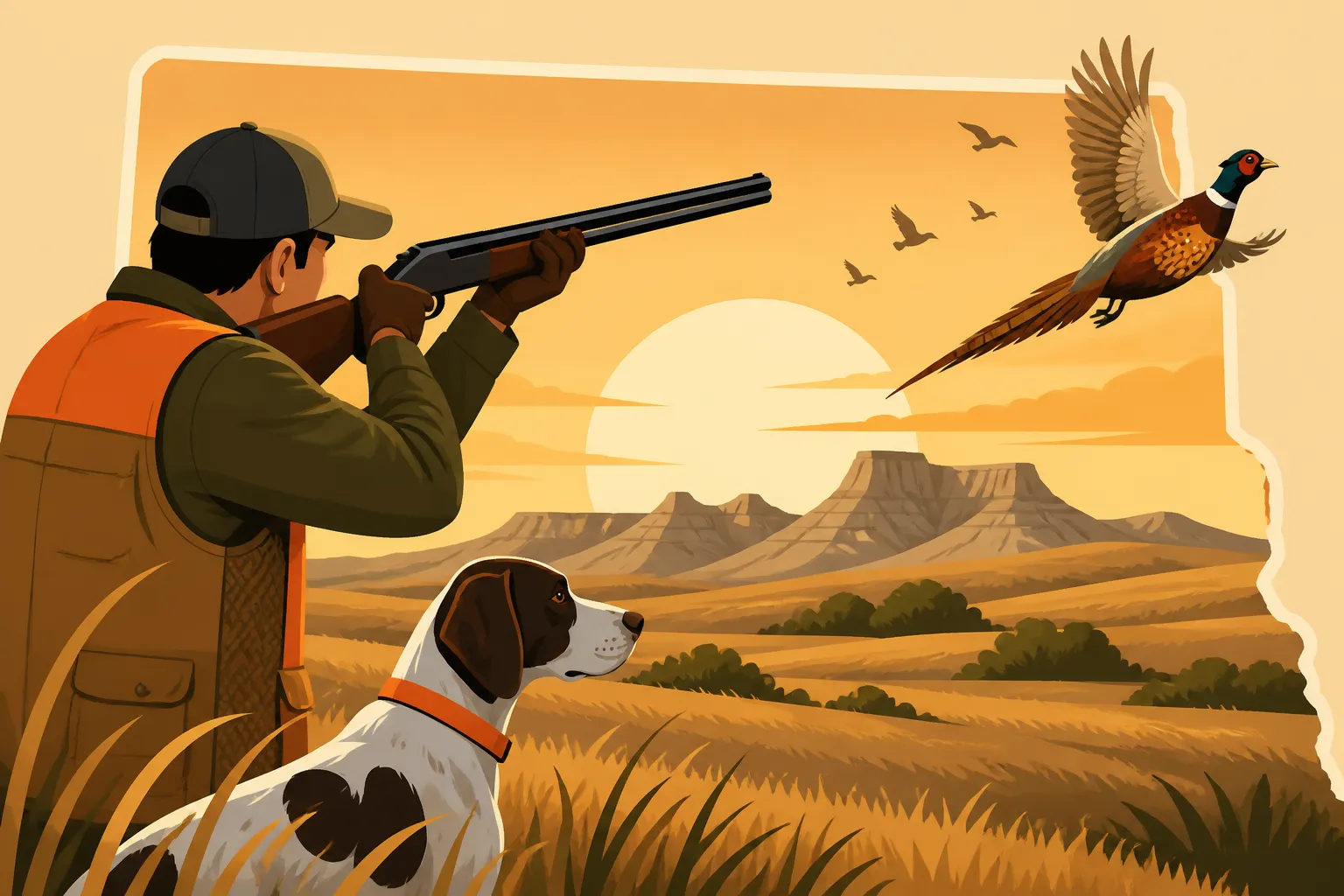
South Dakota Private Shooting Preserves
There’s a common frustration among hunters, especially those traveling from out of state, when it comes to securing consistent, high-quality bird hunting opportunities in South Dakota. You might envision endless fields brimming with wild pheasants, but the reality can be a scramble for public land access or the uncertainty of drawing a limited tag. This comprehensive guide will walk you through the world of South Dakota private shooting preserves, offering a detailed look at how they operate, what they offer, and how they can be a fantastic option for a memorable hunt, whether you're a seasoned veteran or introducing someone new to the sport.
Understanding South Dakota's Private Shooting Preserves
Private shooting preserves offer a unique hunting experience that stands apart from traditional wild bird hunting on public or private land. They are designed to provide a controlled environment where hunters can reliably find and harvest game birds, primarily pheasants, but often other species as well. This model addresses several challenges inherent in wild bird hunting, making it an attractive option for many.
What Exactly is a Shooting Preserve?
At its core, a shooting preserve in South Dakota is a privately managed area of land where game birds, typically pheasants, are raised or acquired and then released for hunting purposes. Think of it as a dedicated outdoor hunting facility. These operations are distinct from a typical ranch or farm where you might secure private land access to hunt wild birds. Preserves actively manage their bird populations, habitat, and hunting pressure to ensure a consistent experience for their clients. The goal isn't just to find a bird; it's to provide ample opportunity for ethical harvest, often in a more structured and comfortable setting. This might include carefully cultivated food plots, well-maintained cover, and strategically placed release points for the birds. It’s about creating a predictable, enjoyable hunting day, where the focus can be on dog work, camaraderie, and shooting skill without the constant worry of finding enough game.
Many preserves operate with a strong emphasis on hospitality, offering not just the hunting itself, but a full lodge experience. This can include comfortable accommodations, hearty meals, and professional guides with seasoned dogs, turning a hunting trip into a full-service retreat. The preserve setting often allows for a more relaxed pace, making it ideal for groups, corporate events, or families who want to enjoy the outdoors together without the rigorous demands sometimes associated with pursuing truly wild, unpressured birds across vast public landscapes.
The Regulatory Framework for Preserves
South Dakota, recognizing the value and popularity of these operations, has a clear regulatory framework in place for private shooting preserves. These aren't just landowners deciding to release birds; they are licensed entities overseen by the South Dakota Department of Game, Fish and Parks (GFP). To operate legally, a preserve must obtain a specific permit from the GFP, which comes with a set of rules and guidelines they must adhere to. These regulations cover everything from the types of birds that can be released and the acreage required, to reporting requirements and specific season dates that differ from the statewide general seasons.
For instance, preserve seasons are typically much longer than the standard wild pheasant season, often stretching from early autumn well into spring. This extended season is a major draw, allowing hunters to schedule trips outside the busiest times or to enjoy a hunt when wild bird seasons are closed. The GFP also monitors preserves to ensure ethical practices, proper animal husbandry, and compliance with all relevant wildlife laws. This oversight helps maintain the integrity of the preserve system and ensures that hunters are engaging in a legal and regulated activity. It's a way for the state to manage a form of hunting that provides economic benefits and recreational opportunities, while still distinguishing it from traditional public land hunting that targets self-sustaining wild populations. Understanding this regulatory backbone gives hunters confidence that they are participating in a legitimate and well-managed venture.
Key Differences: Wild Bird Hunts vs. Preserve Hunts
While both involve hunting birds, the experience of a wild bird hunt versus a preserve hunt in South Dakota can be vastly different. It’s crucial for hunters to understand these distinctions to set proper expectations and choose the type of hunt that best suits their preferences and goals.
-
Wild Bird Hunts: These are the classic South Dakota pheasant hunts many envision. You’re pursuing birds that have hatched and lived their entire lives in the wild, adapting to their environment, and surviving natural predators. The challenge is often greater: finding birds requires scouting, reading cover, and dealing with unpredictable bird behavior. Flushes can be explosive and surprising, and birds often run before flushing. Success rates can vary greatly depending on weather, habitat, hunting pressure, and pure luck. Public land hunts, in particular, can be physically demanding, requiring long walks through heavy cover, and competition with other hunting parties is a real factor, especially during prime times like the opener. Licenses for wild birds are typically general small game licenses, often requiring a habitat stamp, and season dates are fixed by the state. The ultimate satisfaction comes from outsmarting genuinely wild game. For those looking for a truly rugged, unpredictable challenge, wild bird hunting is the unparalleled choice. You can learn a lot about finding these birds in articles like Walking and Blocking South Dakota Cattail Sloughs or Hunting Food Plots and Corn Edges.
-
Preserve Hunts: Here, the primary objective is a reliable bird contact. Birds are typically released either just before or during the hunt, ensuring a high probability of flushes. While these birds are often strong flyers and can present a sporting challenge, they generally haven't faced the same lifelong pressures as wild birds, making them somewhat more predictable. The focus often shifts from "finding" the bird to executing good dog work and making clean shots. Preserve hunts often offer a more relaxed pace, with less emphasis on covering vast amounts of ground and more on enjoying the process. The longer seasons and guaranteed opportunities make preserves ideal for groups, dog training, or introducing new hunters who might get discouraged by slow action on a wild hunt. Licensing is often specific to the preserve, sometimes simplifying the process for non-residents. While the thrill of encountering a truly wild bird is unique, preserve hunts offer a consistent, high-volume shooting experience that many hunters highly value.
Comparison of Hunting Types
| Feature | Wild Bird Hunt (Traditional) | Private Shooting Preserve Hunt |
|---|---|---|
| Bird Origin | Naturally hatched and raised in the wild | Pen-raised, released for the hunt |
| Predictability | Low; requires extensive scouting and luck | High; birds are guaranteed to be present |
| Season Length | Fixed, shorter statewide seasons | Extended, often several months long |
| Physical Demand | High; often involves long walks, heavy cover | Varies, often less strenuous and controlled |
| Dog Work Focus | Locating elusive birds, steady retrieve | Honing pointing/flushing, steady retrieve |
| Licensing | General Small Game License + Habitat Stamp | Often specific preserve license, or combo |
| Cost Structure | License fees, travel, lodging, gear | Package rates (per hunter, per bird, etc.) |
| Hunter Traffic | Can be crowded on public land | Managed and controlled |
| Overall Challenge | High; "fair chase" element is paramount | Moderate to high depending on bird release |
The Benefits and Drawbacks of Preserve Hunting
Like any hunting experience, opting for a private shooting preserve comes with its own set of unique advantages and potential drawbacks. Understanding these can help you decide if this type of hunt aligns with your expectations and values.
Advantages for Hunters
Private shooting preserves address many of the common pain points that hunters, especially those traveling long distances or on limited time, often face. One of the most significant benefits is the sheer consistency of the experience.
-
Guaranteed Birds and High Opportunity: Let's face it, nothing is more frustrating than traveling hundreds or thousands of miles, spending good money, and then struggling to find birds. Preserves largely eliminate this worry. Birds are specifically released for your hunt, which means you're almost guaranteed to have multiple flushing opportunities. This removes a huge variable from the equation, allowing hunters to focus on shooting skills, dog work, and enjoying the company. This isn't to say it's easy – pheasants, even released ones, are challenging flyers – but the opportunity is there. For many, this reliability is worth its weight in gold, especially when trying to ensure a successful trip for a group or a first-time hunter.
-
Longer Seasons and Flexibility: The wild pheasant season in South Dakota, while glorious, has specific start and end dates. Preserves, however, operate under extended seasons, often opening earlier in the fall and running much later into the spring. This flexibility is a huge boon for scheduling. If your calendar is packed during the traditional opener, a preserve offers an alternative. It also allows for hunting during weather conditions that might shut down wild bird hunts, or simply extends the joy of bird hunting well beyond the traditional limits. This extended window also means less competition for prime dates and lodges, potentially offering more choice in booking.
-
Less Physical Demand (Optional): While you can certainly get a vigorous workout on a preserve, many operations cater to hunters who might prefer a less physically demanding experience. For older hunters, those with mobility challenges, or families with young children, preserves can often arrange hunts in more accessible cover. Fields might be smaller, walks shorter, and transportation between blocks more readily available. This doesn't mean it's lazy hunting; it simply offers more control over the intensity. Of course, for those who want to stretch their legs, many preserves have plenty of sprawling habitat to cover.
-
Ideal for Dog Training and Young Pups: For dog owners, preserves are an invaluable resource. The consistent bird contact provides an unparalleled environment for training young dogs or tuning up experienced ones. You can work on pointing, flushing, retrieving, and steady-to-wing skills without having to endlessly search for wild birds. The controlled setting also allows for repetition and reinforcement of good habits. Owners can bring their own dogs, or many preserves offer guided hunts with their own professional dog teams, giving you the best of both worlds. The opportunity to fine-tune a dog's performance with consistent bird work is a huge draw for many bird dog enthusiasts. Learning how to get the most out of your canine companion is key, and articles like Pointing Dogs Versus Flushers on Wild Birds can provide further insights.
Potential Downsides and Criticisms
While preserves offer numerous benefits, it's also important to acknowledge the aspects that some hunters consider drawbacks or criticisms. It's about aligning expectations with the reality of the experience.
-
Higher Cost Compared to DIY Wild Hunts: Let's not sugarcoat it: preserve hunts typically come with a higher price tag than a self-guided wild bird hunt. You're paying for the convenience, the guaranteed birds, the managed habitat, and often a full-service experience including lodging, meals, and guides. While the cost per bird might seem higher than simply buying a license for public land, it includes a host of services and a level of certainty that wild hunts can't always provide. For some, the value proposition of a stress-free, high-action hunt outweighs the cost, but for budget-conscious hunters, it can be a significant factor. It’s worth investigating the full cost of various packages, including tips for guides and dog handlers, as discussed in Tipping Guides and Dog Handlers in South Dakota.
-
The "Canned Hunt" Perception: This is perhaps the most common criticism leveled against preserves. Some traditionalists argue that hunting released birds lacks the "fair chase" element inherent in pursuing truly wild game. They might refer to it as a "canned hunt," suggesting it's too easy or manufactured. While it's true that the birds are not wild, many preserves go to great lengths to provide challenging terrain and strong-flying birds that require skill to harvest. The experience is different, but for many, it's still a legitimate and enjoyable form of hunting. It simply trades some of the wild unpredictability for consistency and opportunity. The intent is not to deceive, but to provide a specific type of hunting experience.
-
Less "Wild" Experience: The thrill of encountering a completely wild bird, having to outwit its natural instincts, and the sheer challenge of a true wilderness hunt are undeniable. Preserve hunts, by their nature, don't always replicate this raw, unpredictable wilderness experience. While preserves can be vast and feature natural-looking habitat, the knowledge that birds are released can alter the perception of the hunt for some. If your primary goal is to fully immerse yourself in the untamed aspects of the prairie and the pursuit of truly unpressured game, a preserve might feel a bit too controlled. However, for those who prioritize dog work, camaraderie, and consistent shooting action, the "wildness" factor might be less critical. It’s important to decide what aspects of the hunt are most important to you before booking.
Planning Your Preserve Hunt: What to Expect
Once you've decided a private shooting preserve is the right fit for your next South Dakota adventure, knowing what to expect in terms of season dates, licensing, and bag limits will help ensure a smooth and enjoyable trip.
Season Dates and Operating Hours
One of the standout features of private shooting preserves in South Dakota is their extended hunting season. Unlike the statewide general pheasant season which has fixed dates (typically from the third Saturday in October to early January), preserves enjoy a much longer operational window. This usually means they can open as early as September 1st and often run all the way through March 31st. This expanded timeline offers incredible flexibility, allowing hunters to book trips during times when wild bird pressure is lower, or when their personal schedules align better.
However, each preserve might have its own specific operating calendar within this broader state-approved window. Some may open later in the fall once crops are out, while others might close earlier in the spring due to snowmelt or other factors. Daily operating hours also differ from the state's traditional 10:00 a.m. pheasant hunting start time (a rule which is unique to South Dakota and meant to let birds feed and settle). Preserves often start hunting earlier in the morning, sometimes at legal shooting light, and can extend into the late afternoon, giving you more hours in the field. It’s crucial to confirm these specifics directly with the preserve you intend to book. This allows you to plan your travel, rest, and meal times accordingly, ensuring you maximize your hunting time without any surprises.
Licensing Requirements for Preserve Hunts
This is an area where preserves simplify things a bit, but it's still important to understand the specifics. While you generally don't need the standard nonresident small game license for most preserve hunting, South Dakota does have a specific "Nonresident Shooting Preserve Hunting License." This license is typically required for out-of-state hunters participating in a licensed preserve hunt. It’s usually less expensive than a full nonresident small game license, which is a definite plus for those whose sole purpose is a preserve hunt.
However, there's a nuance: if the preserve hunt also includes access to hunt wild game birds on the preserve property, or if you plan to combine your preserve hunt with any hunting for wild game outside the preserve (even on the same trip), then you would need the regular What the Nonresident Small Game Licence Covers and a South Dakota habitat stamp. Many preserves will clearly outline their license requirements as part of your booking process, or even facilitate the purchase of the correct license for you. Always double-check with your chosen preserve well in advance to ensure you have the appropriate licensure before you arrive. This eliminates any last-minute stress or potential legal issues.
Bag Limits and Bird Releases
Another key difference with preserves is how bag limits are structured. On a wild bird hunt, daily and possession limits are set by the state (e.g., 3 roosters per day, 15 in possession for pheasants). On a licensed shooting preserve, these limits are often more generous or are determined by the preserve itself, sometimes through a "per bird" fee structure or as part of a package.
Many preserve packages will guarantee a certain number of birds per hunter per day, or a specific total number of birds to be released for your group. For example, a lodge might offer a package that includes 10 birds released per hunter per day. You pay for these birds, and your bag limit is essentially tied to the number of birds provided in your package. If you want to shoot more, you can often arrange for additional birds to be released, typically for an extra fee per bird.
Birds are released in various ways: some preserves release birds into the cover just before your arrival, allowing them to settle. Others may release birds periodically throughout the day as your group moves through different fields. The types of birds available generally include pheasants, but many preserves also offer chukar, quail, or even Hungarian partridge, often providing a mixed bag experience. Always clarify the specific bird limits, release methods, and any extra costs for additional birds with your chosen preserve. This helps manage expectations and your budget.
Choosing the Right South Dakota Shooting Preserve
With many excellent options scattered across South Dakota, selecting the ideal private shooting preserve can feel a little overwhelming. It's not just about finding birds; it's about finding the right experience for your group and your goals.
Factors to Consider When Selecting a Preserve
Choosing a preserve goes beyond simply checking availability. You're investing in an experience, and you want it to be a good one. Here are some critical factors to weigh:
-
Acreage and Habitat Diversity: Size matters, but so does quality. A large preserve with varied habitat – from cattail sloughs and tall grass to shelterbelts and food plots – offers a more diverse and challenging hunt. Large, well-managed areas can feel more like a wild hunt, giving birds space to run and hide. Ask about the type of cover they have and how it's maintained. Is it thick and challenging, or more open and accessible? How much ground will your group typically cover in a day? A preserve that actively manages its habitat for bird holding capabilities will generally offer a better experience. You can even check out how different habitats work by referencing South Dakota Pheasant Hunting Tactics for the Opener.
-
Bird Quality and Release Practices: Not all pen-raised birds are created equal. Ask about the source of their birds – are they strong-flying, full-plumaged birds, or more docile? How and when are the birds released? Some preserves release birds long enough in advance for them to "wild up" a bit, while others release them just before or during the hunt. This significantly impacts the challenge. You want birds that will flush hard and fly strong, providing a sporting shot.
-
Services and Amenities: What's included in the package? Many preserves offer full-service experiences with lodging, meals, and professional guides with dogs. Is this what you're looking for, or do you prefer a more "do-it-yourself" approach where you just pay for the birds and field access? Consider the quality of the accommodations, the types of meals offered, and the professionalism of the staff.
-
Group Size and Customization: Can the preserve accommodate your group size? Are they flexible enough to customize a hunt to your specific needs, such as combining bird hunting with other activities? Some preserves specialize in large corporate outings, while others cater to smaller, more intimate family groups. Knowing their typical client base can give you a good idea of the experience they offer.
-
Reputation and Reviews: In today's interconnected world, checking online reviews and asking for references is paramount. Websites like BookYourHunt can be a great resource for finding preserves and reading honest feedback from previous clients. Pay attention to consistent themes – good or bad – in the reviews. What do past clients say about the bird quality, the guides, the food, and the overall experience? Don't hesitate to ask the preserve for contact information for past clients who have hunted with them.
Services Offered by Preserves
Private shooting preserves have evolved into comprehensive outdoor destinations, often offering a suite of services designed to enhance your hunting trip. It's more than just putting birds in a field.
-
Professional Guides and Dogs: Many preserves employ experienced guides who know their property like the back of their hand. These guides often come with their own string of highly trained bird dogs – pointers, flushers, or versatile breeds – which can dramatically improve your success and enjoyment. Having a seasoned guide takes the pressure off navigation and bird finding, allowing you to focus on the shooting. If you're bringing your own dog, you might opt for a guide-less hunt, or a guide who can help you work your dog more effectively. Discuss the guide-to-hunter ratio and how many dogs typically work a field.
-
Bird Cleaning and Packaging: After a successful day, the last thing many hunters want to do is spend hours cleaning birds. Most preserves offer bird cleaning and packaging services, often included in the package price or for a nominal fee. This usually means your pheasants are breasted out, cleaned, vacuum-sealed, and sometimes frozen, ready for transport home. This convenience is a huge time-saver and ensures your hard-earned game is properly cared for. You can find more detail on this in Cleaning Pheasants in the Field.
-
Lodging and Meals: Many South Dakota preserves operate as full-service lodges, providing comfortable overnight accommodations and delicious, hearty meals. This creates a true "hunting camp" atmosphere, fostering camaraderie and allowing you to fully relax after a day in the field. From breakfast before the hunt to a celebratory dinner afterward, having these amenities on-site adds immense value and convenience, especially for multi-day hunts. Be sure to inquire about specific meal times and dietary restrictions.
-
Clay Target Shooting: To warm up before the hunt or just for some extra fun, many preserves offer clay target shooting facilities, such as sporting clays courses or trap ranges. This is an excellent way to get your eye in, practice your swing, and enjoy some friendly competition outside of the main hunt. It’s a great addition, particularly for groups who want diverse activities.
Navigating Costs and Packages
Understanding the financial aspect of a preserve hunt is key to making an informed decision. Costs can vary significantly based on the preserve, the services included, and the number of birds.
-
Day Rates vs. Multi-Day Packages: Most preserves offer either single-day hunts or multi-day packages. Day rates are straightforward: you pay for one day of hunting, usually including a certain number of birds, and sometimes a guide. Multi-day packages typically include lodging, meals, multiple days of hunting, and a set number of birds over the entire trip. These often represent a better value per day if you plan to stay for an extended period.
-
"Per Bird" Fees: Some preserves operate on a "per bird" basis, where you pay a flat fee for field access and guide services, then an additional fee for each bird harvested. This can be attractive if you're uncertain about how many birds you want to take or if you're primarily focused on dog training rather than maximizing your bag. Always clarify if there's a minimum number of birds you must purchase or if there are limits to how many you can harvest in a day.
-
What's Included and Excluded: This is where you need to read the fine print. A package price might include the hunt, guide, dogs, lodging, and meals. But what about licenses, ammunition, bird cleaning, or alcoholic beverages? Is there a separate charge for additional birds if you exceed the package's allocation? Don't forget to factor in tips for guides, dog handlers, and lodge staff, which are customary and expected. A reputable booking platform like GoHunt or BookYourHunt can sometimes help break down these costs clearly.
-
Deposit and Cancellation Policies: Preserve hunts are often booked well in advance, especially for prime dates. Expect to pay a deposit to secure your booking. Understand the cancellation policy thoroughly: when is the cutoff for a refund? What happens if weather prevents hunting? Is there an option to reschedule or roll your deposit over to the next season? Consider purchasing hunt insurance if you're making a significant investment, as unexpected life events can always arise.
Logistics and Preparation for Your Preserve Experience
A successful preserve hunt, just like any other hunting trip, benefits greatly from thoughtful planning and preparation. Getting the details right beforehand can mean the difference between a smooth, enjoyable outing and unnecessary stress.
Essential Gear and Equipment
While a preserve hunt might offer more amenities, you still need to bring your personal hunting essentials.
-
Shotgun and Ammunition: A reliable shotgun is paramount. Most pheasant hunters prefer a 12 or 20 gauge, with improved cylinder or modified chokes for flushing birds. Bring plenty of ammunition; even with released birds, you'll be surprised how many shots you take, especially if you’re working on your shooting skills. Most preserves recommend #4, #5, or #6 shot for pheasants. Always confirm any ammunition restrictions with the preserve beforehand, as some may have rules against certain shot types or sizes. Don't forget a sturdy gun case for transport and a cleaning kit.
-
Clothing and Footwear: Dress in layers suitable for South Dakota's unpredictable weather. Even in the fall, temperatures can swing widely from chilly mornings to warm afternoons. Blaze orange is often required by law for upland bird hunting in South Dakota, so bring a vest, hat, or jacket in the appropriate color. Comfortable, waterproof, and durable hunting boots are a must, as you'll still be walking through fields, potentially wet grass, and some heavier cover. Consider gaiters to protect your pants and boots from burrs and moisture. A good pair of gloves and a warm hat can make a big difference on colder days. You might find useful advice on footwear in Boots for Walking Cattails All Day.
-
Dog Gear (if bringing your own): If you're bringing your own bird dog, pack everything they'll need: plenty of food, water, a bowl, a kennel, and any necessary medications. A first-aid kit for dogs is also highly recommended, including items for cuts, thorns, and burrs. GPS collars can be very helpful for tracking your dog in heavier cover. Don't forget a leash and any specific training tools you use. Ensure your dog's vaccinations are up to date and check if the preserve has any specific health requirements for visiting dogs. Many lodges offer excellent kennel facilities for hunters bringing their own dogs, but it's always good to confirm.
-
Miscellaneous: Other useful items include a good game vest or bird bag to carry your birds, water bottles for yourself and your dog, snacks, sunscreen, insect repellent (especially earlier in the season), and a cooler for transporting your processed birds home. A basic first-aid kit for humans is also a good idea.
Etiquette and Safety on a Preserve
Just like any hunting environment, proper etiquette and adherence to safety rules are critical on a private shooting preserve. These environments are often designed for multiple groups or simultaneous hunts, making awareness and respect for others paramount.
-
Communication with Your Guide: Your guide is your primary resource. Listen carefully to their instructions regarding safe shooting lanes, where birds are likely to flush, and how to work the fields. Communicate any concerns or physical limitations you might have. If you're hunting with your own dog, coordinate with the guide on how your dog will work alongside theirs (if applicable) or if you prefer to handle your dog independently. Clear communication prevents misunderstandings and enhances safety.
-
Safe Gun Handling: The fundamental rules of firearm safety apply rigidly on a preserve. Always treat every firearm as if it's loaded, keep the muzzle pointed in a safe direction, keep your finger off the trigger until ready to shoot, and be sure of your target and what's beyond it. When walking in a line, maintain clear shooting lanes and be acutely aware of where your fellow hunters and dogs are at all times. Never swing your gun toward another person or dog. Unload your firearm when crossing fences, getting in or out of vehicles, or when taking breaks. A comprehensive review of Safe Gun Handling on a Bird Drive is always a good idea.
-
Respecting Staff and Fellow Hunters: Remember that you are a guest on private property. Be courteous to all preserve staff, from guides to kitchen crew. If other hunting parties are present, maintain a respectful distance and avoid encroaching on their hunting area. Follow all instructions regarding property boundaries, vehicle usage, and designated non-hunting areas. Good sportsmanship and respectful behavior contribute significantly to a positive experience for everyone.
Handling and Transporting Your Harvest
Getting your birds from the field to your table requires proper handling to maintain meat quality and comply with legal requirements.
-
Field Dressing and Cooling: While some preserves clean birds for you, understanding basic field dressing is always beneficial. If you're not getting them cleaned immediately, pheasants should be cooled down as quickly as possible, especially in warmer weather. This means getting them out of direct sunlight and into a cooler with ice, or at least in an area with good airflow. Avoid piling them in the back of a hot vehicle for extended periods. This step is critical to prevent spoilage and ensure the best flavor. More details can be found in Field Dressing in Warm October Weather.
-
Processing and Packaging: If the preserve offers cleaning services, they will typically breast out the birds, clean them, and often vacuum-seal them. Ensure they are clearly labeled for easy identification. If you're doing it yourself, prepare them to your preference.
-
Legal Transport: When transporting game birds across state lines, it's essential to comply with federal regulations and the laws of any states you pass through. Generally, migratory birds (ducks, geese) require a wing or head to remain attached until you reach your final destination, but for upland birds like pheasants, it's often permissible to transport breasts as long as they are properly tagged or identifiable. South Dakota requires a tag for each bird, often provided by the preserve, that identifies the hunter and the preserve. Always confirm the most current transport regulations with the U.S. Fish and Wildlife Service and your home state's game department before you travel. Having your birds frozen solid for the journey home is also a good practice.
Making the Most of Your Preserve Hunt
A private shooting preserve isn't just a place to shoot birds; it's an opportunity to hone skills, create memories, and introduce new people to the passion of hunting. Maximizing your experience involves focusing on these broader aspects.
Dog Training and Handling Opportunities
For many dedicated bird dog enthusiasts, preserves are an invaluable extension of their training grounds. The consistent bird contact available on a preserve is simply unmatched in a wild setting, especially for younger dogs or those needing a tune-up.
-
Consistent Bird Exposure: Young dogs benefit immensely from multiple, positive bird encounters. On a preserve, you can orchestrate these introductions without the long hours of fruitless searching. This builds confidence in pointing or flushing, retrieves, and overall bird manners. You can work on specific commands like "whoa" or "fetch" knowing that a bird will present itself. This structured environment is ideal for reinforcing good habits and correcting minor issues before they become major problems.
-
Field Experience in a Controlled Setting: While a true wild bird hunt offers invaluable lessons, the unpredictable nature can be overwhelming for an inexperienced dog. Preserves provide a stepping stone, offering varied terrain and cover that mimics wild conditions but with the added benefit of predictable bird presence. You can expose your dog to heavy cattails, open grass, or shelterbelts, teaching them how to navigate different covers and how to handle birds in each scenario. This controlled exposure helps a dog develop the confidence and instincts needed for more challenging wild hunts. Think of it as advanced schooling for your canine partner. For specific advice on working different covers, consider Pushing a Cattail Slough With Blockers.
-
Working with a Professional Handler: If you're bringing your own dog, many preserves offer the option of having one of their professional handlers work alongside you. This can be an incredible learning opportunity, allowing you to observe experienced handlers and dogs in action. They can offer advice, demonstrate techniques, and help you identify areas where your dog could improve. This mentorship can be just as valuable as the bird work itself, helping you become a more effective and intuitive handler.
Corporate Outings and Group Events
The full-service nature and predictable success rates of private shooting preserves make them an ideal venue for corporate retreats, client entertainment, or large group gatherings.
-
Team Building and Networking: A shared hunting experience fosters camaraderie and provides a unique setting for team building outside the traditional office environment. The focus on communication, shared goals (like working together to flush a field), and celebrating success can strengthen bonds and improve team dynamics. For client entertainment, it offers a memorable and exclusive experience that goes beyond a typical dinner or golf outing, providing a relaxed atmosphere for networking and relationship building.
-
All-Inclusive Planning: Many preserves specialize in hosting larger groups and offer comprehensive packages that include everything: hunting, guides, dogs, lodging, meals, meeting facilities, and even evening entertainment. This simplifies the planning process for event organizers, as the preserve handles most of the logistics. It allows the corporate group to arrive, relax, and focus on their objectives without worrying about the myriad details of coordinating a complex outing.
-
Customizable Experiences: Preserves are often flexible enough to tailor the experience to a group's specific needs and skill levels. Whether it's a mix of experienced hunters and beginners, or a desire for specific activities like clay shooting in addition to bird hunting, preserves can usually accommodate. This customization ensures that everyone in the group has an enjoyable and engaging experience, regardless of their prior hunting background.
Introducing New Hunters to the Sport
Perhaps one of the most rewarding aspects of preserve hunting is its potential as a welcoming gateway for new hunters, especially youth. The environment is designed to maximize success and enjoyment, which is crucial for building initial enthusiasm.
-
Higher Success Rate Builds Confidence: A common challenge for new hunters on a wild hunt is the potential for long periods without seeing game, which can be discouraging. Preserves provide ample opportunities for flushes and shots, allowing beginners to experience success relatively quickly. This positive reinforcement is vital for building confidence in their shooting abilities and their understanding of the hunting process. It replaces potential frustration with genuine excitement.
-
Focus on Fundamentals: With birds more readily available, instructors (whether guides or experienced mentors) can focus on teaching core hunting fundamentals: safe gun handling, proper shooting form, fieldcraft, and ethical shot placement, rather than spending all their time just trying to locate game. The controlled environment allows for patient instruction and immediate feedback, accelerating the learning curve in a safe and supportive setting. South Dakota Hunter Education and Licensing is an important first step, but practical field experience seals the deal.
-
Mentorship and Positive Experiences: Preserves offer an ideal setting for mentorship. Experienced hunters can share their knowledge and passion with beginners in a low-pressure environment. The focus can be on the camaraderie, the dog work, and the enjoyment of being outdoors, rather than solely on the harvest numbers. These positive early experiences are crucial for cultivating a lifelong appreciation for hunting and conservation, ensuring the tradition continues.
Beyond the Birds: Preserve Contributions to Conservation
While the primary focus of private shooting preserves is providing hunting opportunities, their existence and operation often have significant, though sometimes overlooked, benefits for local economies and wildlife conservation.
Economic Impact on Rural Communities
Private shooting preserves are often located in rural areas of South Dakota, and their operations provide a substantial economic boost to these communities. This impact extends far beyond the immediate fees paid for a hunt.
-
Local Employment: Preserves create jobs directly on their properties, including guides, dog handlers, lodge staff, cooks, and maintenance personnel. These are often full-time or seasonal positions that provide crucial income in areas where year-round employment can be scarce. Beyond the preserve itself, local businesses benefit from the increased demand for services. Think about the local mechanics who service the preserve's vehicles, the grocery stores that supply the kitchen, or the local shops that provide supplies.
-
Tourism Dollars and Local Spending: Hunters traveling to South Dakota preserves, whether from in-state or out-of-state, spend money in the local economy. This includes fuel purchases at gas stations, additional meals at local restaurants, last-minute gear at sporting goods stores, and stays at nearby motels if the preserve doesn't offer lodging. These tourism dollars circulate within the community, supporting small businesses and contributing to the tax base. This influx of capital helps keep rural economies vibrant and creates opportunities for local entrepreneurs. Getting to South Dakota for a hunt also involves travel, so considering Getting to South Dakota Hunting Country can help you plan your spending.
-
Support for Agricultural Economy: Many preserves work with local farmers for habitat management, buying seed for food plots, or even leasing land. The demand for specific crops for bird feed or cover can support local agricultural suppliers. This symbiotic relationship between hunting operations and the farming community further strengthens the rural economy.
Habitat Management and Land Stewardship
While preserves primarily focus on providing a reliable bird harvest, their land management practices often translate into significant habitat benefits, not just for released game birds, but for a wide array of native wildlife.
-
Creating and Maintaining Diverse Cover: To hold released birds and provide a quality hunting experience, preserves must invest heavily in habitat development and maintenance. This often involves planting dense cover crops, establishing long native grasses, creating shelterbelts of trees and shrubs, and managing food plots. This varied and thick cover is not only ideal for pheasants but also provides crucial refuge and nesting sites for countless other species, including songbirds, small mammals, and insects. It provides year-round protection from predators and harsh weather, especially during the challenging South Dakota winters.
-
Sustainable Land Use Practices: Many preserves operate with a long-term view of land stewardship. They often implement practices like rotational grazing, prescribed burning, and invasive species control to enhance the ecological health of their properties. These practices contribute to soil health, water quality, and biodiversity across the landscape. By actively managing thousands of acres, preserves prevent land from being converted to less wildlife-friendly uses, such as monoculture farming with little to no edge habitat.
-
Winter Forage and Protection: South Dakota winters can be brutal, and wild pheasants and other wildlife often struggle to find adequate food and shelter. The dedicated food plots and heavy cover planted and maintained by preserves provide critical winter forage and thermal protection. While primarily intended for released birds, these resources are also utilized by wild pheasants, deer, and other animals, helping them survive the harshest months. This managed habitat acts as an important ecological buffer, providing essential resources that might otherwise be scarce in intensely farmed landscapes.
The South Dakota private shooting preserve system offers a fantastic, reliable option for hunters seeking consistent bird action, extended seasons, and a comfortable, often all-inclusive experience. While different from a traditional wild bird hunt, preserves provide unique advantages for dog training, group outings, and introducing new hunters to the field. By understanding their operations, benefits, and costs, you can plan a memorable and highly rewarding hunting adventure in the "Pheasant Capital of the World."
Disclaimer
This article is for general informational purposes only and does not constitute professional advice. Laws, prices and regulations vary by location and change over time. Consult a qualified professional for guidance on your specific situation.