Shed Hunting Rules on South Dakota Public Land
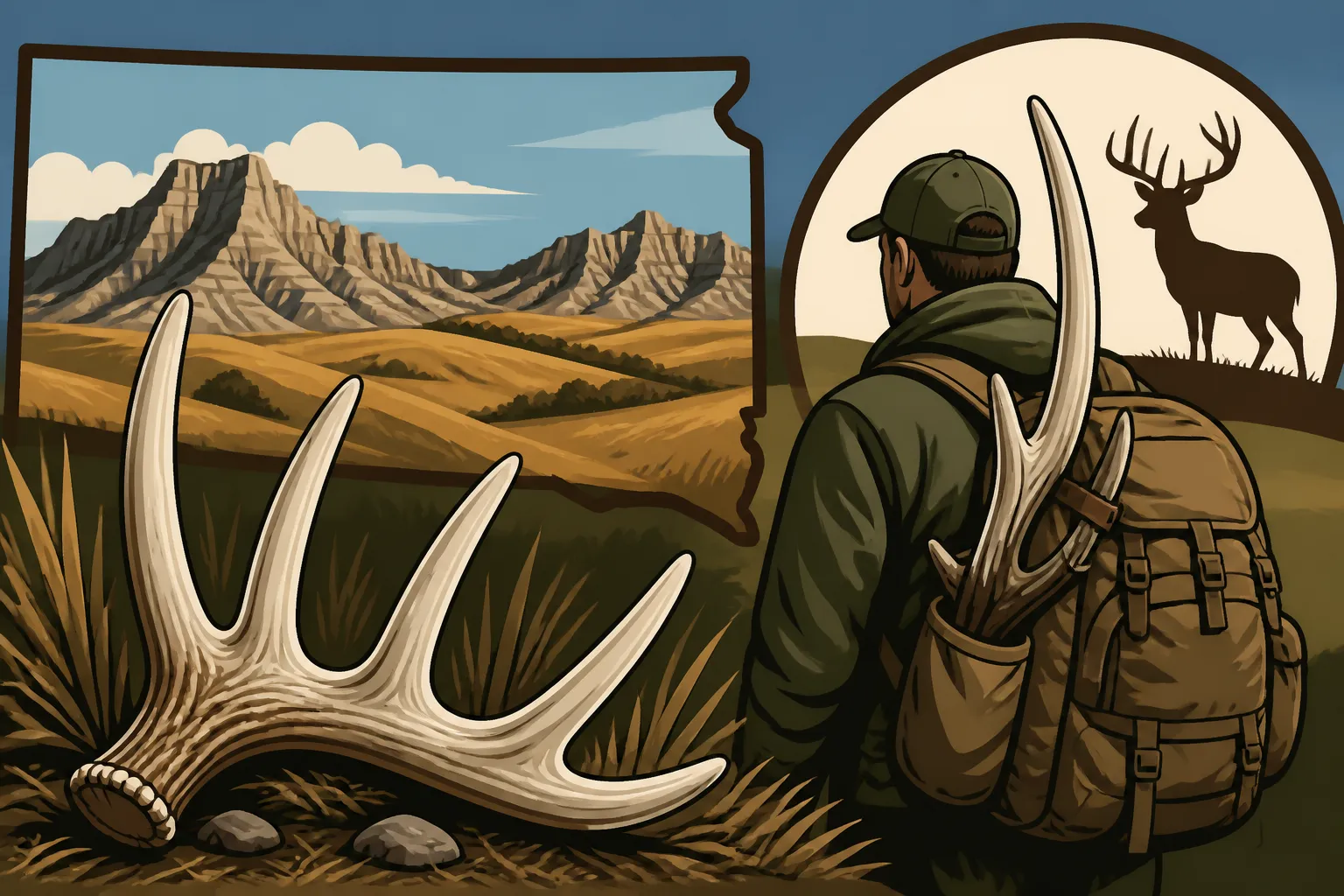
There's nothing quite like the thrill of finding a deer or elk antler dropped in the vast expanse of South Dakota's wild country. It's like finding hidden treasure, a tangible connection to the magnificent animals we pursue in the fall. However, the excitement of the search can quickly turn into frustration when you're unsure about the specific rules and regulations, especially when it comes to hunting sheds on public land. This guide aims to clear up the confusion, providing you with a comprehensive understanding of shed hunting etiquette and legalities on South Dakota's public hunting grounds.
The Allure and Frustration of Shed Hunting on Public Land
For many of us, shed hunting is an extension of our passion for the outdoors. It’s a chance to stretch our legs, explore new territory, and connect with nature during the quieter months after hunting season winds down. But let's be honest, it can also be a confusing endeavor, particularly when you're trying to do it right on public land.
Why Shed Hunting Captures Our Imagination
There’s a unique magic to discovering a shed antler. It tells a story – of a buck or bull that survived the harsh winter, a testament to its resilience. Each tine, each curve, is a piece of art crafted by nature. For hunters, finding a shed is often a way to scout for the upcoming season, piecing together patterns of movement and identifying potential stand locations or glassing spots. You might find a shed from a buck you've been chasing for years, or discover a new monarch you didn't even know existed. It builds anticipation and keeps the hunting spirit alive all year long. Beyond the personal satisfaction, sheds are also valuable for crafting, dog training, or simply decorating your home. They represent memories and future dreams, all rolled into one bone-hard package.
The Public Land Conundrum for Shed Hunters
Public land in South Dakota offers incredible opportunities for all kinds of outdoor enthusiasts, and shed hunters are no exception. We're blessed with vast tracts of National Grasslands, Game Production Areas, and South Dakota Walk-In Areas Explained that are open to us. However, this accessibility also comes with a set of responsibilities and sometimes, a little confusion. Unlike private land where the owner sets the rules, public land has regulations designed to protect wildlife, habitat, and ensure fair use for everyone. One of the biggest frustrations for shed hunters is knowing precisely when and where it's okay to look. Is that specific WPA open to shed hunting year-round? Are there areas where wintering deer need to be left undisturbed? The answers aren't always immediately obvious, and nobody wants to inadvertently break a rule or, worse, disturb animals during a critical time. It requires a bit of homework, but understanding these nuances is crucial for ethical and successful shed hunting.
Navigating the Rules: What's Allowed and What's Not
The key to responsible shed hunting on South Dakota public lands is knowing the specific regulations. These rules are in place not to make your life harder, but to protect the very wildlife you're hoping to find sheds from. Disturbing deer or elk during the late winter and early spring, when they are at their most vulnerable, can have serious consequences for their survival.
Understanding Collection Periods and Methods
South Dakota generally does not have a statewide ban on shed antler collection, but it’s critical to understand that this can vary depending on the specific type of public land you're on. For many Game Production Areas (GPAs) and some Walk-In Areas (WIAs), there might be seasonal restrictions. For example, some GPAs are closed to all public access for certain periods during the winter to minimize disturbance to wintering deer, elk, and pheasants. Always check the current regulations for the specific area you plan to visit. The South Dakota Game, Fish and Parks (GFP) website is your best friend here, specifically their interactive Using the South Dakota Public Hunting Atlas. This tool allows you to zoom in on specific parcels of public land and often provides details on any special closures or rules.
When it comes to how you collect sheds, the primary concern is avoiding harassment of wildlife. This means no driving off-road to chase sheds, no using ATVs in areas where they are prohibited, and absolutely no pressuring deer or elk to drop their antlers early. The goal is to find antlers that have been naturally shed, not to force them off. If you stumble upon a buck still carrying its antlers, enjoy the sighting, take a photo if it's not too intrusive, and move on. The antler will drop when it's ready. Remember, the true spirit of shed hunting is about discovery, not coercion.
Special Considerations for Different Public Land Types
South Dakota has a variety of public land designations, and each might have slightly different rules regarding shed hunting.
- Game Production Areas (GPAs): These lands are owned and managed by South Dakota GFP, often specifically for wildlife habitat. Some GPAs have winter closure dates to protect stressed wildlife. You'll need to consult the GFP Hunting Atlas or specific area signs to confirm if shed hunting is allowed and during which periods.
- Walk-In Areas (WIAs): These are private lands leased by GFP for public hunting and recreation. The agreements with landowners dictate the rules. Generally, WIAs follow the same rules as other public lands unless specified otherwise on the signs posted at the entry points or on the hunting atlas. Since these are primarily for hunting access, shed hunting is usually permitted outside of any specific closure periods. Remember, these are "walk-in" areas, meaning vehicle use beyond designated parking is typically prohibited. Knowing the specific rules for each WIA is key, as Hunting Pressure Patterns on Walk-In Areas can influence specific area management.
- National Grasslands (e.g., Buffalo Gap, Fort Pierre, Grand River): Managed by the U.S. Forest Service, these vast tracts of land often have more consistent rules for shed hunting. Generally, shed hunting is allowed year-round, as long as you're not disturbing wildlife or violating any travel management rules. You'll need to stick to established roads and trails unless foot travel is specified. It's always a good idea to check the specific ranger district's website for any local closures or special orders, especially during periods of high fire danger or unique wildlife concerns. These areas are vast and can be rugged, so knowing how to read the terrain and navigate is critical.
- National Wildlife Refuges (NWRs) and Waterfowl Production Areas (WPAs): These lands are managed by the U.S. Fish and Wildlife Service. Rules here can be more restrictive. Many refuges have specific dates or even outright prohibitions on shed antler collection to protect sensitive ecosystems or wildlife. Always check the individual refuge's regulations on their website or by calling the office directly. WPAs, while open to hunting and fishing, may also have specific rules. It is not uncommon for portions of these federal lands to be closed during sensitive times of year.
- School and Public Trust Lands: These lands are managed by the South Dakota Commissioner of School and Public Lands. They are generally open for public recreation, including shed hunting, unless specifically posted otherwise. Similar to other public lands, respect for the land and avoidance of wildlife disturbance are paramount.
Before heading out, it’s not enough to just know the general rules; you need to verify the specifics for your intended hunting spot. The GoHunt mobile app or website can be incredibly helpful here. Many hunters use its mapping features to identify land ownership and check for specific public land regulations or closures within the state. It's like having the South Dakota Hunting Handbook Release right in your pocket.
| Public Land Type | General Shed Hunting Rule | Key Considerations |
|---|---|---|
| Game Production Areas (GPAs) | Check for winter closures | Protects wintering big game and pheasants |
| Walk-In Areas (WIAs) | Generally allowed | Foot traffic only, check specific landowner agreements |
| National Grasslands | Generally allowed year-round | Adhere to travel management rules, avoid disturbing wildlife |
| National Wildlife Refuges | Varies greatly, often restricted | Check individual refuge rules, may be prohibited |
| Waterfowl Production Areas | Varies, can have restrictions | Primarily for waterfowl, check for specific rules |
| School & Public Trust Lands | Generally allowed | Respect private land boundaries, no disturbing wildlife |
Ethical Practices and Respecting the Resource
Shed hunting is more than just collecting antlers; it's about being a good steward of the land and respectful of the wildlife that calls it home. The "unwritten rules" are just as important as the official regulations.
Minimizing Disturbance to Wintering Wildlife
Deer and elk are at their leanest and most vulnerable during late winter and early spring. Every calorie counts, and every unnecessary burst of energy they expend to evade human presence can be detrimental to their survival. When you're out shed hunting, your primary goal should be to find antlers without disturbing the animals.
This means:
- Know when to back off: If you see deer or elk, give them a wide berth. If they notice you and start to move away, change your direction. Do not follow them. Their safety is more important than finding a shed.
- Avoid prime wintering areas: These are often areas with south-facing slopes, heavy thermal cover like dense cedars or cattail sloughs, and reliable food sources. While these are also prime spots for sheds, they are also where deer and elk are hunkering down to conserve energy. Consider waiting until later in the spring when green-up provides more forage and the animals are more robust.
- Time your hunts: Mornings are often coldest, and animals might be more easily stressed. Consider mid-day hunts when temperatures are milder, or focus on areas where animals aren't actively bedding.
- Travel quietly: Use binoculars to glass ahead and spot animals before you get too close. Move slowly and deliberately. When you find yourself in a coulee or draw, move cautiously, as you may find a Spotting Bedded Bucks in Sage who are trying to avoid the wind and conserve energy.
Your presence, even with the best intentions, can be a stressor. Our responsibility as outdoor enthusiasts is to leave wildlife undisturbed, especially during this critical period. This practice helps ensure healthy deer and elk populations for years to come.
The Unwritten Rules of Shared Public Spaces
Public land is a shared resource, and that means we need to consider other users, too. Whether it's other shed hunters, hikers, bird watchers, or photographers, everyone deserves to enjoy the outdoors.
- Respect other users: If you see another group shed hunting, give them space. Don't crowd into an area they are actively working. A friendly wave and a wide berth go a long way.
- Leave no trace: Pack out everything you pack in, and then some. Pick up any trash you find. Leave the landscape as you found it, or better. This is especially true in areas like South Dakota Game Production Areas, which are intensively managed for habitat.
- Avoid private land encroachment: Even when using mapping apps like GoHunt, it's easy to accidentally cross a boundary, especially in rugged terrain. Pay close attention to fences, signs, and your GPS. If there's any doubt, err on the side of caution. Trespassing, even unintentionally, can give all shed hunters a bad name and jeopardize future public access.
- Share information responsibly: While it's great to celebrate finds, be mindful of "honey-holing" hot spots on social media. Sharing too much specific detail can lead to overcrowding and increased pressure on both the land and the wildlife.
By following these ethical guidelines, we not only protect the resource but also foster a positive image for the shed hunting community.
Tools and Tactics for a Successful (and Legal) Shed Hunt
Shed hunting is often described as a treasure hunt, and like any good treasure hunt, having the right tools and strategies can make all the difference. Beyond simply walking aimlessly, a thoughtful approach can significantly increase your chances of finding those elusive antlers while staying within the rules.
Essential Gear for Public Land Shed Hunting
You don't need a ton of specialized gear, but a few key items will make your public land shed hunting experience more comfortable, efficient, and safe.
- Good quality boots: This is non-negotiable. You'll be covering miles over uneven terrain, through grass, mud, and possibly snow. Waterproof, supportive boots are crucial. Consider what you might wear for Boots for Walking Cattails All Day if you're hitting those dense areas.
- Binoculars: Essential for glassing large areas and spotting sheds from a distance. They also allow you to identify animals and give them space before you get too close.
- GPS or smartphone with mapping app: A reliable mapping app like GoHunt is invaluable. It helps you stay on public land, track your progress, mark shed finds, and identify potential habitat features. Make sure you download offline maps, as cell service can be spotty in many West River areas. Checking Cell Coverage in West River Country before you head out is a smart move.
- Backpack: To carry water, snacks, extra layers, a first-aid kit, and, of course, your prized sheds.
- Water and snacks: You'll be burning calories, so stay hydrated and fueled.
- First-aid kit: Accidents happen, especially in rough terrain. A basic kit for cuts, blisters, and minor injuries is a must.
- Layers of clothing: South Dakota weather can change quickly. Dress in layers to adapt to temperature swings, especially during those unpredictable spring days. Even if it feels warm, Layering for South Dakota Wind is crucial.
- Fluorescent orange: While not always legally required for shed hunting, wearing some blaze orange is a wise safety precaution on public land, especially if other hunters or outdoor enthusiasts might be present. It's common courtesy and a good practice.
- Walking stick or trekking poles: These can save your knees, help you navigate steep or slippery terrain, and even help you poke through thick cover without bending over constantly.
Leveraging Technology for Land Identification
In today's world, technology has made navigating public and private lands far easier than ever before. For South Dakota shed hunters, this means smarter scouting and confident navigation.
- GoHunt or similar mapping apps: These are revolutionary tools. Use them to:
- Identify public land boundaries: This is perhaps the most critical function for legal shed hunting. Color-coded maps clearly show federal, state, and Walk-In Area boundaries, helping you avoid accidental trespassing.
- Scout from home: Before you even leave, you can analyze aerial imagery to identify prime habitat features like south-facing slopes, dense timber, food plots, Reading Prairie Coulees for Mule Deer, or bedding areas where deer and elk might drop their antlers.
- Track your path: Record where you've walked, ensuring you cover ground systematically and don't miss sections.
- Mark finds: Pinpoint the exact location of every shed you find, along with any other sign you come across. This data builds a valuable historical record for future hunts.
- Check regulations: Many apps integrate directly with state wildlife agency data, providing quick access to specific area rules and closures.
- South Dakota GFP Hunting Atlas: This free online resource is invaluable. It’s the official source for identifying Public Hunting Land in South Dakota, including WIAs and GPAs, and should always be cross-referenced. You can download maps or use the interactive version to pinpoint open areas and any restrictions. E-Scouting Walk-In Areas Before the Season using this atlas is a great preparatory step.
- Weather apps: Keep a close eye on the forecast. Changing weather can impact snowmelt, animal behavior, and your safety. Reading Snow for Deer and Predator Sign is a skill, but knowing when the snow will melt or refreeze is vital.
- Satellite imagery: Use the satellite view on your mapping app to understand the terrain in detail. Look for subtle changes in vegetation, water sources, and cover that might hold deer or elk.
By combining the right gear with smart use of technology, you can maximize your time in the field, find more sheds, and ensure you're always shed hunting legally and ethically on South Dakota's fantastic public lands. Remember, a successful shed hunt isn't just about the antlers you find, but the experience you gain and the respect you show for the resource.
Disclaimer
This article is for general informational purposes only and does not constitute professional advice. Laws, prices and regulations vary by location and change over time. Consult a qualified professional for guidance on your specific situation.