How Many Mountain Goats Live in the Black Hills
The majestic mountain goats of the Black Hills are truly a sight to behold, but trying to pinpoint their exact numbers can feel like chasing a phantom across the craggy peaks. It's a question many hunters, wildlife enthusiasts, and even seasoned locals ponder: just how many of these incredible animals are out there, scaling those seemingly impossible cliffs? This guide aims to pull back the curtain on the challenging world of mountain goat population counting, offering insights into their estimated numbers, the methods used to track them, and what these figures mean for their future in South Dakota's unique mountainous region.
The Elusive Nature of Mountain Goats in the Black Hills
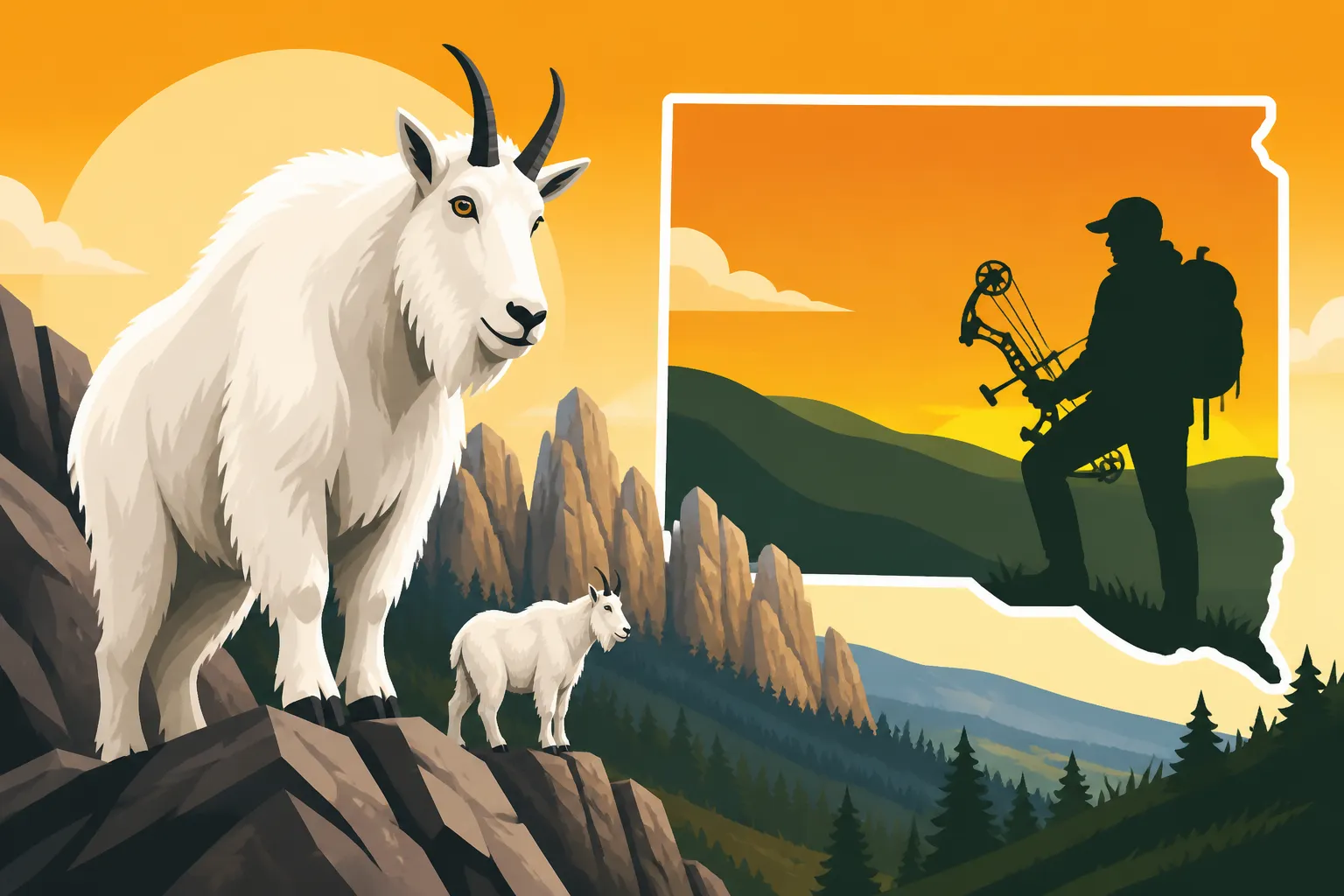
There's something inherently mystical about mountain goats. Their stark white coats against the dark rock faces of the Black Hills make them stand out, yet they possess an uncanny ability to disappear into their rugged habitat. Unlike more widespread game species that might inhabit larger, flatter plains, mountain goats stick to the highest, most inaccessible terrain, making them incredibly difficult to count accurately. This isn't just a casual observation; it's a fundamental challenge for wildlife managers.
Why Counting Them is So Challenging
Imagine trying to count every squirrel in a sprawling city park; now imagine that park is a vertical labyrinth of granite spires, dense Ponderosa pine, and hidden canyons, and the squirrels are rare, wary animals that blend in surprisingly well despite their color. That's the reality of counting mountain goats in the Black Hills. Their preference for steep, rocky cliffs and high elevations means they often inhabit areas that are tough for humans to access, whether on foot or even by vehicle. They're masters of camouflage within their broken terrain. They don't congregate in vast, open herds like bison or antelope, but rather move in smaller family groups or as solitary individuals. Furthermore, their movements can be unpredictable, shifting between different rock outcrops and timbered slopes depending on the season, forage availability, and pressure from other animals or human activity. These factors mean that traditional ground surveys are often impractical or simply too dangerous, forcing wildlife agencies to rely on more specialized, and still imperfect, methods.
A Brief History of Black Hills Mountain Goats
The presence of mountain goats in the Black Hills is a fascinating tale, quite different from the native big game species like deer and elk. These aren't indigenous animals that have always roamed these hills. Their story begins with a small number of goats escaping from a zoo exhibit in Custer State Park back in the 1920s. From that humble, accidental beginning, these animals adapted remarkably well to the rugged terrain of the Black Hills, particularly the central granite core. Over the decades, their population grew, slowly but surely, spreading into suitable habitats within the Black Hills National Forest and adjacent private lands. This history is crucial because it means the population started from a very small, isolated gene pool, and their dispersal has been largely self-directed based on available habitat. Understanding this past helps us appreciate the unique status of these animals in South Dakota and the management challenges that come with a non-native, yet well-established, species. If you're curious about their initial journey, you might enjoy reading about How Many Mountain Goats Reached the Black Hills.
Understanding the Population Estimates and Trends
Given the challenges of counting them, how do wildlife agencies even come up with a number for mountain goats in the Black Hills? It's not an exact science, but rather a combination of careful observation, scientific methodology, and historical data. These estimates are vital for setting hunting quotas and developing conservation strategies, even if they aren't as precise as counting pheasants in a managed hunting preserve.
How Official Estimates are Derived
Official population estimates for mountain goats in the Black Hills are typically derived through a combination of aerial surveys and ground observations. The most effective method often involves helicopter surveys, where biologists fly transects over known mountain goat habitats, meticulously counting animals they spot. This method, while expensive, allows for coverage of vast and otherwise inaccessible areas. However, even from the air, goats can be obscured by timber, overhangs, or simply blend into the rock. These aerial counts are often conducted during specific times of the year, like late spring or early summer, when new kids are visible, or late fall when snow might make them stand out more.
On the ground, wildlife biologists and field staff collect data throughout the year, noting sightings, herd compositions (like the number of nannies, billies, and kids), and locations. This anecdotal and systematic ground data, along with harvest data from successful hunters, helps to refine the aerial estimates. For example, if harvest numbers consistently show a healthy population of older animals and good recruitment of young, it reinforces the aerial survey findings. It's a continuous puzzle where different pieces of information are used to form the most complete picture possible. For a broader look at how the state tracks its game, see How GFP Counts Big Game.
While specific numbers can fluctuate, the South Dakota Game, Fish and Parks (GFP) generally manages the Black Hills mountain goat population with a target in mind, often around a few hundred animals. For instance, in recent years, estimates have often hovered in the range of 200-300 individuals. It's important to remember these are estimates, not precise headcounts, due to the inherent difficulties. Hunters interested in pursuing these animals will want to check the latest South Dakota Game, Fish and Parks harvest reports and management plans for the most current figures and objectives.
Here's a simplified look at the factors in population assessment:
| Factor | Impact on Population Count Accuracy |
|---|---|
| Habitat Ruggedness | High: Limits ground access, obscures aerial views. |
| Goat Behavior | Medium: Small groups, cryptic habits, often bedded in cover. |
| Survey Method (Aerial) | High: Efficient for large areas, but still misses hidden animals. |
| Survey Method (Ground) | Low: Limited to accessible areas, often confirms aerial observations. |
| Season of Survey | High: Snow cover can aid visibility; calving season shows recruitment. |
| Hunter Harvest Data | Medium: Provides insights into population structure and health. |
| Environmental Factors | Medium: Weather can limit survey days, alter goat distribution. |
Factors Influencing Population Fluctuations
Mountain goat populations, even in their isolated Black Hills stronghold, are not static. Several factors can cause their numbers to rise and fall. Severe winters, particularly those with deep snow and prolonged cold, can significantly impact survival, especially for kids and older animals. While mountain goats are incredibly hardy, extreme conditions can limit access to forage and increase energy demands, leading to mortalities. Conversely, mild winters with good forage conditions can lead to higher survival rates and successful breeding seasons.
Disease can also be a silent killer. Just as bighorn sheep populations can be devastated by pneumonia, mountain goats are susceptible to various pathogens. A disease outbreak, especially in a relatively isolated population like the Black Hills herd, could have a profound and rapid impact. Predator pressure, primarily from mountain lions, also plays a role, though typically a less dominant one than environmental factors.
Finally, human activity, while generally restricted in goat habitat, can still have an influence. Increased recreational use of backcountry areas, even non-hunting activities, can cause displacement and stress. Careful management, which considers these myriad factors, is essential to maintaining a healthy and stable mountain goat population in the Black Hills.
What These Numbers Mean for Hunters and Conservation
For many, the mention of mountain goats immediately brings to mind the ultimate big game challenge. But beyond the thrill of the hunt, these animals represent a unique and precious part of South Dakota's wildlife heritage. The population numbers, however estimated, directly influence both hunting opportunities and the broader conservation goals for the species. Understanding this interplay is key to appreciating their place in the ecosystem.
Hunting Opportunities and Limited Tags
Let's be real: drawing a Black Hills mountain goat tag is like winning the lottery. The rarity of these animals, combined with a strong desire to maintain a healthy and stable population, means that South Dakota offers an extremely limited number of tags each year. Typically, only a handful of tags are available, making it one of the most coveted Once-in-a-Lifetime Tags in South Dakota. The goal of this restricted harvest is to provide a unique hunting experience without negatively impacting the overall population health or its ability to reproduce and sustain itself. It's a testament to the strong conservation ethic that guides wildlife management here.
Hunters interested in pursuing this incredible animal must navigate the complex South Dakota draw system, which often requires many years of applying and accumulating preference points to even have a remote chance. Because tags are so rare, every successful harvest provides valuable biological data that helps GFP fine-tune their population assessments and management strategies. Each harvested animal contributes to the collective knowledge about the herd's health, age structure, and distribution. If you're considering applying, it's wise to thoroughly research South Dakota Mountain Goat Applications to understand the process and odds.
Conservation Efforts and Management Goals
The primary goal of managing mountain goats in the Black Hills isn't just about providing hunting opportunities; it's fundamentally about conservation. The state aims to maintain a viable, healthy population that can thrive within its unique habitat. This involves monitoring population trends, assessing habitat quality, and mitigating potential threats.
Conservation efforts focus on habitat protection and understanding the goat's ecological needs. The Black Hills provides distinct pockets of ideal mountain goat habitat, characterized by rugged, precipitous terrain that offers both escape cover from predators and specialized forage. Protecting these areas from encroachment or degradation is paramount. Wildlife managers also study disease prevalence and genetic diversity to ensure the long-term resilience of the herd. The Black Hills is also home to South Dakota Elk in the Black Hills and Prairie, and while their habitats often overlap, the specific needs of each species are carefully considered in overall management plans. These efforts ensure that future generations can continue to marvel at these agile mountaineers, whether they're observing them through binoculars or, for the fortunate few, pursuing them as a hunter.
Where to Find More Up-to-Date Information
In the fast-paced world of wildlife management and hunting regulations, yesterday's numbers might not be today's reality. While I can provide you with a solid foundation of understanding, the most accurate and current data on Black Hills mountain goats will always come directly from the source. Relying on official channels is crucial for both hunters planning an application and enthusiasts simply wanting to stay informed.
Official Sources and Public Resources
The absolute best place to find the most current population estimates, harvest reports, and management plans for mountain goats in the Black Hills is the South Dakota Game, Fish and Parks (GFP) website. They publish annual hunting handbooks, big game harvest reports, and often have dedicated sections or news releases on specific species. These resources provide not only the estimated numbers but also detailed analyses of the previous year's harvest, information on South Dakota Mountain Goat Licence Numbers, and outlooks for the upcoming seasons.
Additionally, the Black Hills National Forest, which manages much of the habitat where these goats reside, may offer information related to forest health, recreational impacts, and special regulations that could affect mountain goat populations or access to their habitat. Attending public meetings or reviewing proposals from the GFP Commission can also offer insights into ongoing discussions about wildlife management and future plans for species like mountain goats. These official channels are meticulously updated and vetted, providing the most reliable information available.
The Importance of Personal Scouting and Observation
While official numbers provide a broad overview, nothing beats firsthand knowledge when it comes to understanding wildlife in a specific area. If you're serious about hunting mountain goats—or even just observing them—personal scouting is invaluable. This means spending time in the Black Hills, hiking the rugged trails, and glassing the high peaks. Tools like mapping applications with satellite imagery can help identify potential habitats and access routes in areas like the Black Hills National Forest Hunting zones.
Platforms designed for serious hunters, such as GoHunt, often compile and present public land data, draw odds, and even harvest statistics in an easily digestible format. While GoHunt can't give you real-time goat numbers (no one can, truly!), it can help you pinpoint areas of public land that contain potential mountain goat habitat, helping you plan your own scouting trips. Engaging with the hunting community, both online and in person, can also offer valuable insights into recent sightings or local knowledge about goat movements, though always remember to verify information with official sources. The terrain in the Black Hills is unforgiving, so knowing what you're getting into, and perhaps even understanding Steep Ridge Access in the Black Hills for other species like elk, can be a great way to hone your skills for those higher elevations. Ultimately, combining official data with diligent personal observation, perhaps using resources like GoHunt to guide your initial research, will give you the most comprehensive picture of the Black Hills mountain goat population and their incredible world.
Disclaimer
This article is for general informational purposes only and does not constitute professional advice. Laws, prices and regulations vary by location and change over time. Consult a qualified professional for guidance on your specific situation.