How Mountain Goats Reached the Black Hills
The majestic sight of mountain goats perched precariously on a Black Hills cliff face often leaves folks wondering, "How did these incredible creatures end up in South Dakota?" It’s a common question, especially since they're not native to our beautiful state. If you’ve ever gazed at them and pondered their journey, you're in the right place, because we're about to delve deep into the fascinating story of how these hardy mountaineers made the Black Hills their home.
The Unintentional Introduction of a New Species
The presence of mountain goats in the Black Hills is a classic tale of a well-intentioned, albeit accidental, introduction that fundamentally altered the local ecosystem. Unlike many native species that have roamed these hills for millennia, Oreamnos americanus arrived relatively recently, and their arrival involved a bit of an escape act from a very public setting. It’s a story that highlights both the unpredictable nature of wildlife management and the incredible adaptability of these animals.
The Initial Stocking Event That Wasn't Quite
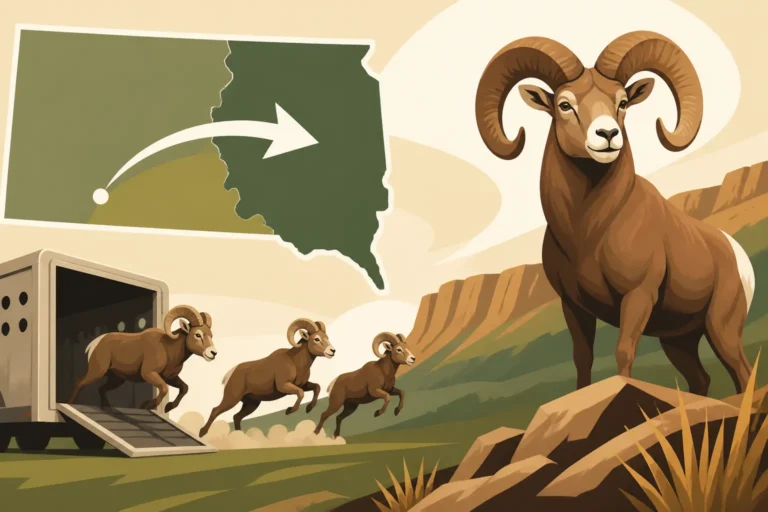
Believe it or not, the mountain goats weren't intentionally released into the wild of the Black Hills as part of a grand reintroduction plan. Instead, their journey began in the late 1920s with a gift of six goats from Alberta, Canada, intended for Custer State Park. These animals, two males and four females, were housed in an enclosure within the park, specifically near the vicinity of Mount Rushmore, which was still under construction at the time. The idea was to create a captive herd for public viewing and possibly future managed releases, showcasing unique North American wildlife.
However, the Black Hills terrain, with its rugged, rocky outcroppings and dense timber, proved to be far more similar to their native Rocky Mountain habitat than perhaps anyone anticipated. For animals perfectly adapted to navigating steep, treacherous landscapes, a fence, even a sturdy one, was less of a barrier and more of a temporary inconvenience. It wasn't long before these adventurous ungulates decided to explore beyond their designated home. The exact date they broke free isn't precisely documented, but it's widely accepted that within a few years of their arrival around 1924-1929, some, if not all, of the original six animals had found their way into the wild. They didn't just escape; they thrived, quickly finding refuge and sustenance in the challenging peaks and canyons of the Black Hills.
Early Years and Expansion into Unfamiliar Territory
Once those initial six mountain goats, or at least a breeding pair, made their successful jailbreak, they wasted no time establishing a foothold. The Black Hills, while not as high in elevation as the Rockies, offered an abundance of suitable habitat. The granite spires and crags around iconic landmarks like Mount Rushmore and Harney Peak (now Black Elk Peak) provided the steep, broken terrain that mountain goats naturally gravitate towards. These areas offer excellent protection from predators and harsh weather, and the diverse vegetation provided ample forage.
The goats started reproducing, and their population slowly but steadily grew. Over the subsequent decades, their numbers swelled, and their range expanded beyond the immediate vicinity of Custer State Park. They became a regular, if sometimes elusive, sight for hikers and residents in the central Black Hills. The early years of their expansion were largely unmonitored in a scientific sense, as their presence was a novel and somewhat unexpected phenomenon. It was clear, however, that the Black Hills offered everything these hardy animals needed to not just survive, but flourish, setting the stage for the established population we see today. You might even stumble upon some of their trails while scouting for other game in the region, much like how you would follow game trails for a Black Hills Elk Hunting Tactics trip.
Adapting to a New Mountain Environment
The success of the Black Hills mountain goat population is a testament to their incredible resilience and adaptability. Moving from their native Rocky Mountain ecosystem to the somewhat different, yet equally rugged, Black Hills presented its own set of challenges, but the goats quickly proved they were more than up to the task. They found a niche that suited them perfectly, allowing their numbers to grow without significant intervention for many years.
Black Hills Habitat and Diet Preferences
While the Black Hills aren't as geographically expansive or as high in elevation as their ancestral Rocky Mountain homes in states like Colorado, Montana, or Wyoming, they offer a surprisingly ideal environment for mountain goats. The key is the unique geology of the central Black Hills, characterized by jagged granite peaks, deep canyons, and steep, exposed rock faces. Areas like those found within Custer State Park and the Black Elk Wilderness provide precisely the kind of escape terrain these animals rely on to evade predators and find safe bedding sites. They prefer these high, rocky areas, often staying above 6,000 feet in elevation, which limits their interaction with humans and other species, offering them a secluded existence.
In terms of diet, mountain goats are generalist herbivores, and the Black Hills provided a smorgasbord of their preferred forage. They consume a wide variety of grasses, forbs (herbaceous flowering plants), lichens, mosses, and even the tender new growth of shrubs and conifers. This diverse diet means they aren't dependent on a single food source, making them incredibly resilient to changes in vegetation or seasonal availability. The Ponderosa pine forests, interspersed with grassy meadows and rocky outcroppings, offer a mosaic of feeding opportunities. This abundant and varied food supply, combined with their ability to navigate difficult terrain to access it, played a crucial role in their establishment and expansion. It’s a good reminder that even when hunting other species in the Black Hills, understanding the diverse ecosystems is key, much like understanding Hunting Elk on Steep Black Hills Ridges.
Reproductive Success and Herd Resilience
Mountain goats are known for their relatively long lifespans (up to 12-18 years in the wild) and a reproductive strategy that, while not producing massive numbers of offspring, ensures steady population growth. Females, called nannies, typically give birth to a single kid each spring, though twins are not unheard of, especially in areas with excellent nutrition. This consistent, low-level reproduction is a key factor in their success. Unlike some species that might have boom-and-bust cycles, mountain goats maintain a more stable growth rate.
The nannies are fiercely protective of their young, leading them to the safest, most inaccessible ledges where predators like coyotes, mountain lions, or even eagles have little chance. This behavior, coupled with their incredible agility from birth, gives the kids a high survival rate once they navigate their first few critical weeks. The Black Hills' relative lack of large, persistent predator populations compared to some Rocky Mountain ranges further contributed to this reproductive success. This natural resilience, combined with an abundant food supply and secure habitat, allowed the small initial population of just six animals to grow into a self-sustaining and thriving herd over the decades. It just goes to show how adaptable nature can be when given a chance.
Population Dynamics and Management Challenges
While the story of the Black Hills mountain goats is one of successful adaptation, it hasn't been without its complexities. Over the decades, their population growth has led to various management challenges, particularly concerning their interaction with the ecosystem and other wildlife, as well as the inevitable human element. Understanding these dynamics is crucial for ensuring the long-term health of the herd and the Black Hills environment.
Population Growth and Geographical Spread
From that small, accidental release, the Black Hills mountain goat population steadily climbed. By the mid-20th century, their numbers were robust enough that they were no longer a mere curiosity but a recognized component of the Black Hills ecosystem. Estimates on their population have varied over the years, but they have ranged from several hundred to over 400 animals at their peak. For a long-tail understanding of their current numbers, you can check out How Many Mountain Goats Live in the Black Hills, but rest assured, they are doing quite well.
Their geographical spread has largely remained concentrated in the central Black Hills, particularly in the most rugged, high-elevation areas around Custer State Park and the adjacent National Forest lands. This includes iconic areas like the Needles and Cathedral Spires. While they've occasionally been sighted in lower elevations or more peripheral regions, they generally stick to their preferred steep, rocky habitats. This concentration is both a strength and a potential vulnerability, as it makes them easily observable in certain areas but also limits their ability to expand into less ideal terrain. As the herd grew, so did the discussions among wildlife managers about how to best steward this unique, non-native population.
Challenges to the Ecosystem and Other Wildlife
The introduction of any non-native species, no matter how majestic, can create ecological ripples. For the Black Hills mountain goats, one of the primary concerns has been their potential impact on native bighorn sheep. While bighorns historically inhabited the Black Hills, their populations have faced challenges, and direct competition for resources or habitat between the two species is a concern. Both are high-country specialists, and while mountain goats prefer the steepest, most rugged cliffs and bighorns often utilize more open, grassy slopes adjacent to escape terrain, there can be overlap. Wildlife agencies, like the South Dakota Game, Fish and Parks (GFP), actively monitor these interactions.
Another challenge lies in the sheer presence of these large herbivores in sensitive high-alpine environments. Their grazing and trampling can impact fragile plant communities, especially in areas with heavy goat concentrations. While the Black Hills environment has proven resilient, managers must ensure that the goat population doesn't exceed the carrying capacity of its habitat, leading to degradation. It's a delicate balance to manage a successful introduced species while simultaneously protecting the native flora and fauna. This ongoing monitoring is a key aspect of managing South Dakota's wildlife, and services like GoHunt offer valuable tools for hunters to understand these dynamics and plan their excursions within regulated frameworks.
Disease Concerns and Management Strategies
Disease is a constant threat to all wildlife populations, and introduced species can be particularly vulnerable or, conversely, can introduce new pathogens to native species. For mountain goats, like bighorn sheep, respiratory diseases such as pneumonia caused by Mycoplasma ovipneumoniae (Movi) are a serious concern. While there haven't been widespread, devastating Movi outbreaks reported in the Black Hills mountain goat herd to the same extent as some bighorn populations, it's a constant consideration. If you're interested in the challenges faced by other populations, you might find insight into topics like Bighorn Pneumonia and South Dakota Herd Setbacks.
The South Dakota GFP works to monitor herd health through observation, harvest data, and, occasionally, targeted captures for health assessments. Management strategies for the Black Hills mountain goats often revolve around maintaining a healthy population size that can be sustained by the habitat without causing undue stress on the ecosystem or other species. This often involves careful regulation of harvest through hunting tags and ongoing research. The goal is to ensure genetic diversity and herd vitality, minimizing the risk of disease transmission or environmental damage while preserving this unique hunting and viewing opportunity.
Conservation Efforts and Future Outlook
Managing a thriving, non-native species like the Black Hills mountain goat involves a proactive approach that balances ecological considerations with public interest. The South Dakota Game, Fish and Parks (GFP) has been instrumental in this effort, ensuring the herd remains healthy and its impact on the native ecosystem is carefully monitored. For those passionate about wildlife, these efforts provide a blueprint for responsible stewardship.
Ongoing Monitoring and Research Initiatives
Effective wildlife management is always rooted in solid science, and the Black Hills mountain goats are no exception. The GFP conducts regular surveys to estimate population numbers, assess age and sex ratios, and track the overall health of the herd. These surveys often involve aerial counts, which can be challenging given the goats' preferred rugged habitat and their tendency to blend seamlessly into rocky backdrops. Researchers also utilize ground observations and sometimes deploy remote cameras in strategic locations to gather data on goat movements and behavior.
Beyond simple counts, research initiatives might focus on diet analysis, habitat use patterns, and genetic studies. Understanding the genetic diversity of the Black Hills herd is crucial, especially since they originated from such a small founder population. This research helps wildlife managers make informed decisions about herd objectives, hunting quotas, and any necessary interventions to maintain a viable, healthy population. For hunters and wildlife enthusiasts, staying informed through GFP reports and resources like those offered by GoHunt helps foster a deeper appreciation for these magnificent animals.
Limited Hunting as a Management Tool
One of the primary tools the South Dakota GFP uses to manage the Black Hills mountain goat population is a highly regulated, very limited hunting season. Mountain goat tags are among the most coveted and difficult to draw in North America, representing a true "once-in-a-lifetime" opportunity for most hunters. The number of tags issued each year is exceedingly small, often just one or two, specifically designed to remove a very small number of animals from the population without impacting its overall health or growth. This makes drawing a tag incredibly rare, something many hunters discuss at length, much like the difficulty of securing Once-in-a-Lifetime Tags in South Dakota.
The objectives of these limited hunts are multi-faceted. They serve to control population growth slightly, especially if managers identify specific areas with higher densities that might strain local resources. Harvest data also provides valuable biological information, such as age and health, from the taken animals, contributing to the ongoing research efforts. For the lucky few who draw a tag, it's not just a hunt; it's an incredible adventure into some of the most challenging and beautiful terrain in South Dakota.
Coexistence with Other Wildlife and Tourists
The Black Hills are a vital habitat for a diverse array of wildlife, including native species like elk, deer, bighorn sheep (which were reintroduced in separate areas), and various smaller mammals and birds. The mountain goats share this landscape, and a key aspect of their management is ensuring their coexistence with these other species and with the millions of tourists who visit the Black Hills each year. Mountain goats, especially nannies with kids, can be seen from popular viewpoints, adding to the allure of the region.
The GFP works to educate the public on wildlife viewing ethics, emphasizing keeping a respectful distance and not feeding wildlife. Signage in Custer State Park and the Black Hills National Forest helps inform visitors about safe practices around mountain goats and other large animals. By carefully managing habitat, monitoring populations, and educating the public, the goal is to maintain a healthy ecosystem where mountain goats can continue to thrive alongside native species and provide unique opportunities for both wildlife enthusiasts and the lucky few hunters who pursue them.
Distinguishing Mountain Goats from Bighorn Sheep
It's a common point of confusion for many visitors to the Black Hills: telling the difference between a mountain goat and a bighorn sheep. While both are impressive mountain-dwelling ungulates, they are distinct species with different characteristics. Understanding these differences can enhance your appreciation for each animal when you encounter them in the wild.
Key Physical Characteristics
The most obvious visual differences between mountain goats and bighorn sheep lie in their coloration, horn structure, and overall body shape.
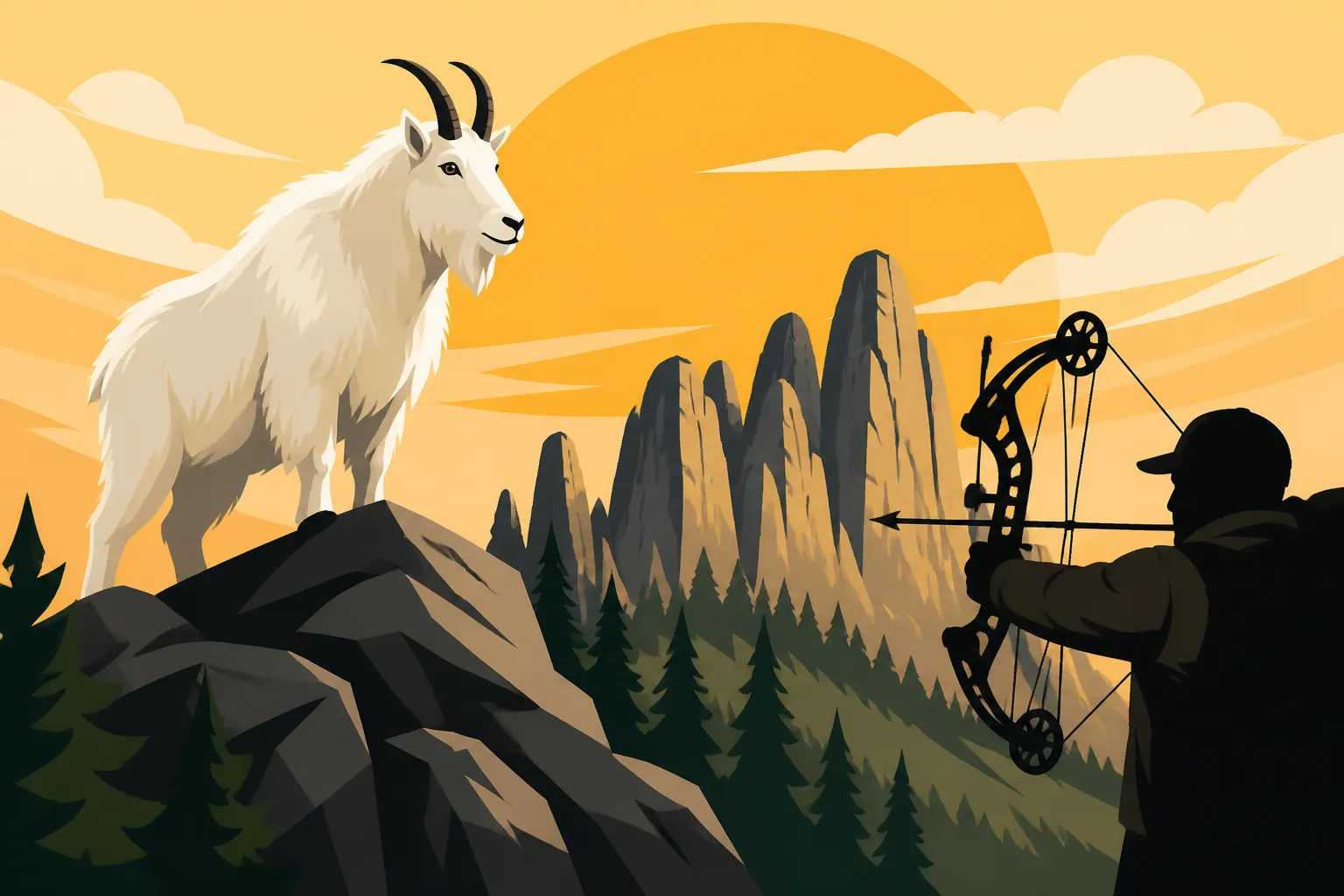
- Mountain Goats: These animals are characterized by their striking, shaggy white coats, which provide excellent camouflage against snow and rocky backgrounds. They have short, black, dagger-like horns that curve slightly backward, present on both males (billies) and females (nannies). Their beards are quite prominent, and they possess distinct shoulder humps, giving them a powerful, blocky appearance. Their hooves are specially adapted with soft, pliable pads and sharp, hard outer edges, allowing for incredible grip on slick rock. If you're wondering how to tell the difference between male and female mountain goats, our guide on Telling a Billy From a Nanny, delves into specific visual cues like horn thickness, body size, and facial features.
- Bighorn Sheep: In contrast, bighorn sheep have short, coarse coats that range from light brown to grayish-brown, with a distinct white rump patch. The males (rams) are famous for their massive, spiraling horns that curl back and then forward, often forming a full curl or more as they age. Females (ewes) have much smaller, straighter, and less massive horns that are still clearly curved. They generally have a more slender build than mountain goats, lacking the prominent shoulder hump or long beard. Their hooves are also adapted for rocky terrain but are more suited to scaling steep, broken cliffs and scree slopes rather than the sheer vertical climbs favored by goats.
Habitat Preferences and Behavior
Beyond their looks, mountain goats and bighorn sheep also exhibit different habitat preferences and behaviors, even when found in similar mountainous regions.
- Mountain Goats: These animals are true alpinists, preferring the most extreme, precipitous terrain imaginable. They thrive on cliff faces, exposed ledges, and rocky ridges, often at higher elevations. Their incredible climbing ability allows them to access food sources and escape predators in areas where other large mammals simply cannot follow. They tend to be more solitary or found in smaller family groups, though larger groups can form. When spooked, they typically climb up to higher, more inaccessible ground.
- Bighorn Sheep: While also mountain dwellers, bighorn sheep generally prefer more open, less precipitous rocky areas, often interspersed with grassy slopes. They need escape terrain nearby – sheer cliffs or rocky ledges to flee to – but they are also grazers who spend considerable time feeding in open meadows. Bighorns are more often found in larger herds, particularly outside the rut. When alarmed, they will use their speed and agility to run across open ground to reach escape cover, rather than simply going vertical like a goat. For deeper context on their reintroduction and presence in the state, consider reading about Bighorn Sheep Reintroduction in South Dakota.
Comparing the two, while both are majestic symbols of wild mountains, their distinct appearances and specialized ways of life make them fascinating subjects for wildlife observation and study.
| Feature | Mountain Goat | Bighorn Sheep |
|---|---|---|
| Coat Color | Shaggy white | Brown to grayish-brown, white rump patch |
| Horns (Males) | Short, black, dagger-like, slight backward curve | Large, massive, spiraling, curl back and forward |
| Horns (Females) | Similar to males, but smaller | Smaller, straighter, less massive than rams |
| Beard | Prominent | Absent |
| Shoulder Hump | Present, giving a blocky appearance | Absent, more slender build |
| Preferred Habitat | Steepest, most precipitous cliffs, high alpine | Open, rocky slopes with adjacent escape terrain |
| Escape Strategy | Climb vertically to higher, inaccessible ground | Run to escape terrain (cliffs/ledges) |
Rare Hunting Opportunities for the Dedicated
While the Black Hills mountain goats are a truly unique species in South Dakota, they are also one of the most challenging and exclusive animals to hunt in the state. Securing a tag for these majestic creatures is an aspiration for many, but a reality for very few. It underscores the exceptional nature of these animals and the careful management they receive.
Drawing a Tag: A True Lottery
If you dream of pursuing a Black Hills mountain goat, be prepared for a long wait and a significant amount of luck. As mentioned earlier, South Dakota GFP issues an extremely limited number of mountain goat tags each year – often just one or two, and sometimes none, depending on population assessments and management goals. These are considered once-in-a-lifetime tags, meaning if you are fortunate enough to draw and harvest a mountain goat, you typically cannot apply for another tag in the future. The application process usually involves a lottery system, and given the scarcity of tags, the odds are incredibly long. Many hunters apply for decades without ever seeing their name drawn. This high demand and low supply contribute to the mythical status of a Black Hills mountain goat tag, making it one of the most coveted big game draws in the country. For insights into how such draw systems work, especially for highly sought-after species, you might be interested in our guide to South Dakota Big Game Draws and How to Apply. GoHunt is an excellent resource for tracking draw odds and application strategies for these types of extremely rare tags across various states.
The Hunt Experience: Extreme Physical and Mental Challenge
For the handful of hunters fortunate enough to draw a Black Hills mountain goat tag, the actual hunt is an experience unlike almost any other. This is not a hunt for the faint of heart or the physically unprepared. Mountain goats inhabit the most rugged and unforgiving terrain in the Black Hills, often in areas that require significant hiking, climbing, and sometimes even technical rope work to access. Hunters must be in peak physical condition, capable of navigating steep, unstable slopes, scree fields, and dense timber, often at elevations above 6,000 feet.
Success in a mountain goat hunt often hinges on extensive scouting, precise glassing skills to locate animals on distant cliffs, and a patient, methodical approach to stalking. The weather in the Black Hills can be unpredictable, adding another layer of challenge with sudden storms, wind, or even early snow. After a successful harvest, the physical challenge continues with the arduous task of field dressing and packing out a large animal from extremely difficult terrain. It's a true test of grit and determination, offering an unparalleled sense of accomplishment for those who undertake it. These hunts are an incredible test of a hunter's skill, determination, and physical endurance, providing an unforgettable connection to the wild heart of the Black Hills.
Disclaimer
Please note that hunting regulations, seasons, and licensing requirements are subject to change. Always consult the official South Dakota Game, Fish and Parks (GFP) website or their current hunting handbooks for the most accurate and up-to-date information before planning any hunting trip. This guide is for informational purposes only and should not replace official sources.