How Many Dogs Work a Field
It's a common scene in South Dakota: you're standing on the edge of a vast field, the morning chill still crisp, and the anticipation for pheasants is almost palpable. Then you see the guides unleash the dogs, and if you're like many hunters, a question pops into your head: "Just how many dogs should be working this field?" It's not just about having a lot of furry friends running around; it's about efficiency, safety, and ultimately, success in filling your bag. This guide will dive deep into the factors that determine the optimal number of dogs for a South Dakota pheasant hunt, helping you understand what to expect and what questions to ask.
Factors Influencing Dog Numbers in a South Dakota Field
The idea that more dogs automatically means more birds is a tempting but often misleading one. The truth is, the ideal number of canine companions working a field depends on a complex interplay of several factors. A good guide or experienced hunting party considers all these variables before deciding how many paws hit the ground.
Field Size and Cover Density
Imagine a small, half-acre block of light grass compared to a sprawling, eighty-acre cattail slough that looks like a jungle. The needs are wildly different, aren't they? In that smaller, sparser field, one or two well-behaved dogs might be more than enough to cover the ground thoroughly. Any more, and you're just creating chaos, potentially pushing birds out too quickly or, worse, creating dangerous shooting lanes. The dogs would be tripping over each other, and their effectiveness would actually diminish.
However, when you're facing down a truly massive piece of habitat, especially something like a dense cattail slough or a vast tract of heavy CRP (Conservation Reserve Program) grass, the game changes entirely. These areas hold pheasants tightly, often requiring immense effort to root them out. A single dog, no matter how driven, simply cannot cover the ground effectively to push birds forward for the line of hunters. They'll wear out quickly, and many wily roosters will sit tight, letting the dog pass them by. For these expansive, thick cover areas, a team of dogs is crucial. You might need 4-6 dogs, strategically working in tandem, to ensure thorough coverage and keep those birds moving towards the blockers or flushing into the air. The physical toll on a dog in heavy cover is immense, so having a team allows for rotation and keeps fresh noses and legs in the field. This also plays into strategies like Walking and Blocking South Dakota Cattail Sloughs, where the sheer scale demands robust dog power.
Number of Hunters and Their Experience
Another critical element in the dog-number equation is the size and composition of the hunting party itself. If you're a small group of two or three hunters, maybe a family outing or a couple of friends on a DIY hunt, you likely only need one or two exceptional dogs. These dogs can work closely with the hunters, maintaining a steady pace and focusing on scent cones. More dogs in a small group can actually be a hindrance, as their range might exceed the shooting capabilities of the limited number of guns. It becomes harder to control multiple dogs and ensure safety.
Conversely, a large guided group of 6-10 hunters, which is common in South Dakota, often necessitates more dogs. With more guns in a line, you need dogs that can cover a wide front, flushing birds consistently to provide shooting opportunities for everyone. If you have too few dogs for a large line of hunters, birds might flush too far ahead, or slip out the sides, leading to frustration. Experienced hunters who understand dog behavior and can communicate effectively with their guides can integrate well with a larger dog team. However, with more dogs, especially with less experienced hunters, safety becomes paramount. Each hunter must be acutely aware of their shooting lanes and the positions of both dogs and fellow hunters, emphasizing strict Muzzle Discipline With Blockers Ahead. Outfitters often factor this into their plans, aiming for a balance that maximizes opportunity while minimizing risk. Some of the best guides will use their experience to adjust on the fly, deciding whether to run another dog or pull one to maintain control and safety.
Dog Breed and Hunting Style
The breed and individual hunting style of the dogs involved also significantly influence the optimal number for a field. Not all dogs hunt the same way, and a well-rounded team often comprises a mix of skills. For instance, consider the difference between pointing breeds and flushing breeds.
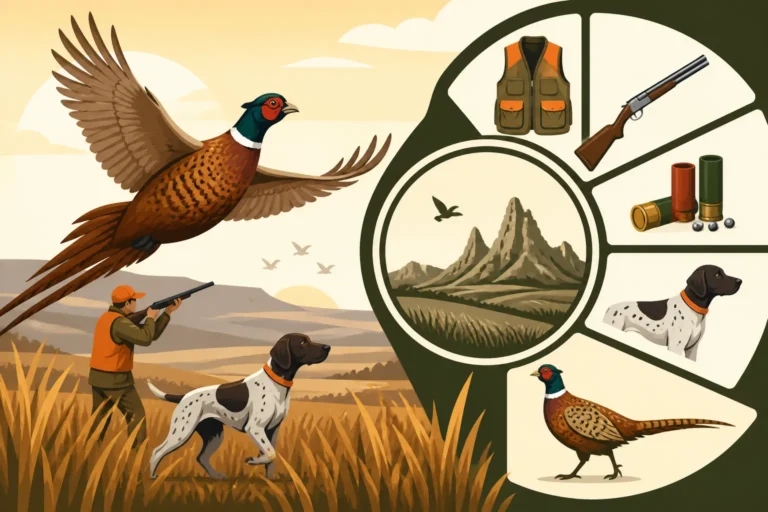
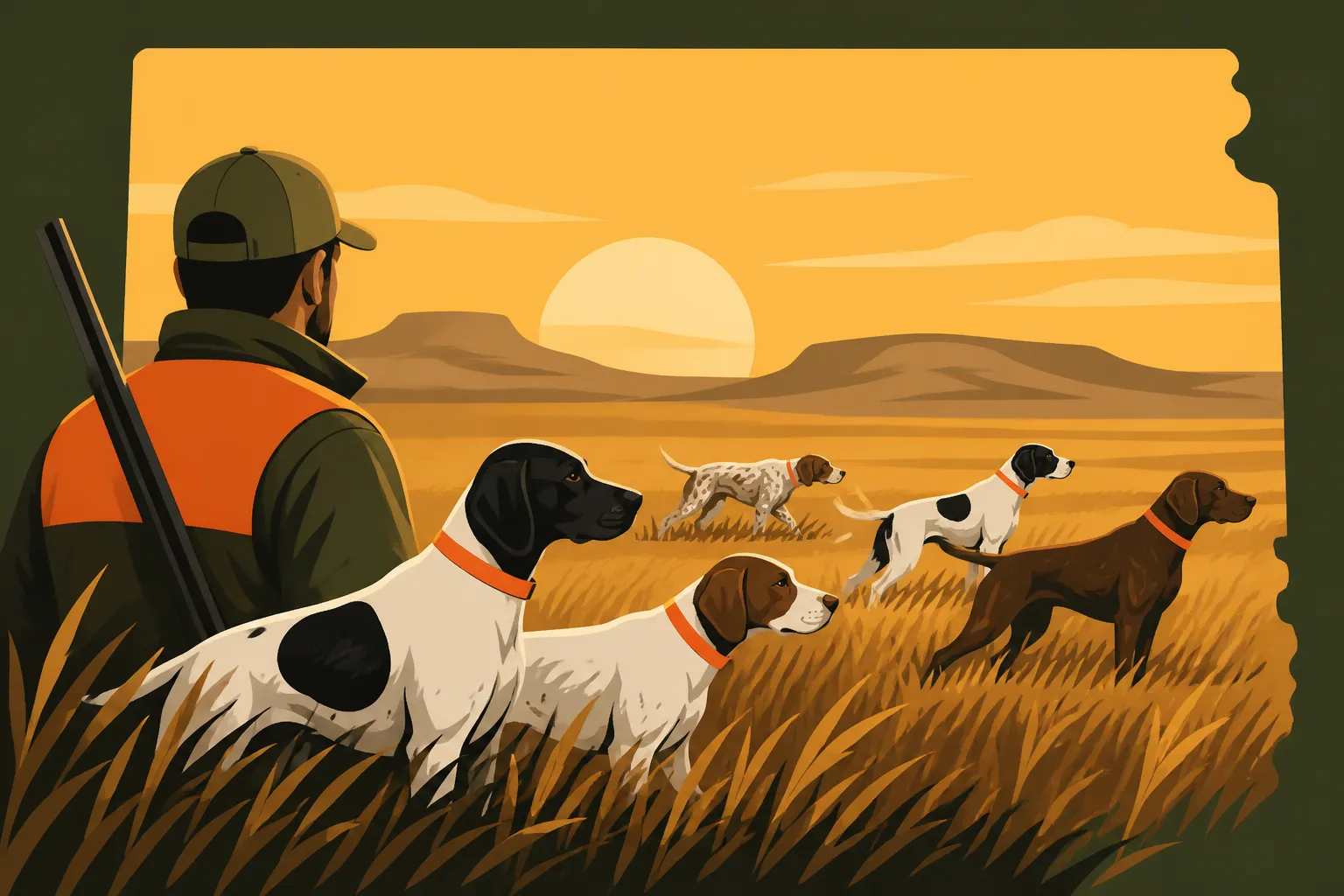
Pointing dogs, like German Shorthaired Pointers, Brittanys, or English Pointers, are bred to locate birds and then "freeze" on point, holding the bird's location until the hunters arrive to flush it. With pointing dogs, you might actually need fewer dogs actively working the field at any one time, as their role is to locate and hold, allowing hunters to approach. Two or three pointing dogs, working in a methodical pattern, can be incredibly effective, especially in medium-density cover. Their precise nature means they're less likely to blow through birds without identifying them, leading to controlled, quality flushes. This is a very different dynamic from a flushing hunt.
Flushing dogs, such as Labrador Retrievers, English Springer Spaniels, or Chesapeake Bay Retrievers, are designed to aggressively search out birds and push them into the air, usually within gun range. For these breeds, especially in thick cover, you might use a higher number of dogs to systematically beat through the heavy stuff. A team of 3-5 flushers can create a powerful wave, ensuring that pheasants don't sit tight but get up and fly. The energy and drive of these dogs are essential for truly tough cover. Furthermore, some individual dogs, regardless of breed, are known as "ground eaters" – they cover a vast amount of territory quickly and efficiently. Others are more meticulous, working cover more slowly and deliberately. A skilled guide will know their dogs' individual strengths and weaknesses and deploy them in combinations that maximize their collective effectiveness, knowing when to put out the hard-charging Lab versus the more careful Springer. Understanding Pointing Dogs Versus Flushers on Wild Birds is key to appreciating this dynamic.
Optimizing Dog Numbers for Different Scenarios
It's clear that there's no magic number of dogs that works for every hunt. Instead, it's about being strategic and adaptable, much like any other aspect of successful hunting. Understanding these different scenarios will help you appreciate why dog teams vary and how they are optimized.
Small Group or DIY Hunts
For those smaller, more intimate hunts, often involving 2-4 hunters without a professional guide, the approach to dog numbers shifts significantly. In these situations, the emphasis is less on overwhelming a field with canine power and more on precision, control, and maximizing the effectiveness of a select few dogs. Typically, 1-2 well-trained dogs are the sweet spot. These dogs can work closely with the hunting party, allowing for excellent communication between dog and handler. When you only have one or two dogs, you can ensure they systematically grid the field, leaving fewer pockets for wily roosters to hide. This focused approach means less energy is wasted, and the dogs can maintain a higher level of performance throughout the hunt.
Efficiency is paramount here. Hunters often have a clearer idea of where their dogs are at all times, reducing the risk of accidental flushes outside of gun range or, critically, ensuring the safety of the dogs themselves. If you're tackling a smaller parcel of public ground, say a 40-acre Walk-In Area, having a highly disciplined pair of dogs can be far more productive than a larger, less controlled pack. While Dogless Pheasant Hunting in South Dakota is certainly an option and can be successful in certain conditions, a single, good dog dramatically increases your chances of finding and retrieving birds. A well-trained dog retrieves those downed birds you might otherwise lose in thick cover, which is not only crucial for success but also for ethical hunting.
Guided Hunts with Larger Parties
Now, let's talk about the big leagues of South Dakota pheasant hunting: the guided hunts that often involve groups of 6 to 10 hunters. These operations are designed to provide a comprehensive experience, and that often means covering significant acreage with consistent bird flushes. In such scenarios, outfitters commonly run teams of 4-6 dogs, and sometimes even more, depending on the size of the field and the density of the cover. This higher number of dogs serves several important purposes.
Firstly, a larger dog team can effectively sweep a much wider front, crucial when you have a long line of hunters expecting shooting opportunities. If you had only one or two dogs, birds would constantly be slipping past the ends of the line, or flushing too far ahead to be ethical shots for the center hunters. Secondly, these larger dog teams are often managed by multiple dog handlers or guides, who work in concert to direct the dogs, ensuring they cover the ground systematically and push birds towards the hunters. This coordinated effort helps maintain a steady flow of action and distributes the hunting pressure evenly across the field. When researching potential outfitters, platforms like BookYourHunt can be valuable for checking reviews and asking specific questions about their dog operations. A reputable outfitter will be transparent about their dog-to-hunter ratios and how they manage their teams to ensure both success and safety. The goal is to maximize opportunities for everyone in the party without compromising on safety or ethical hunting practices, which often means employing a robust and well-managed dog crew.
Specific Cover Types and Terrain
The type of habitat and terrain you're hunting also heavily dictates the number of dogs needed. South Dakota is incredibly diverse, from vast open grasslands and cropped fields to dense cattail sloughs and winding shelterbelts. Each presents unique challenges and opportunities for dogs.
Consider a long, narrow shelterbelt. These linear strips of trees and shrubs are often pheasant magnets, providing critical winter cover and food sources. For a typical shelterbelt, especially if it's not overly wide, you might find that 2-3 strong flushing dogs are perfectly adequate. They can effectively work the length of the belt, pushing birds consistently. Any more dogs might cause birds to blow out too far ahead, or flush wildly, making for difficult shots. On the other hand, a sprawling mosaic of sloughs, CRP, and food plots presents a completely different challenge. This varied terrain demands more dog power to thoroughly investigate every nook and cranny. In such complex habitats, a team of 4-6 dogs, working under the guidance of multiple handlers, might be necessary to ensure no pheasant is left unturned. This is particularly true when executing a well-organized drive, where Pushing a Cattail Slough With Blockers requires a coordinated effort from both human and canine participants.
Furthermore, hunting in heavy timber or steep, brushy coulees, common in areas west of the Missouri River or in the Black Hills for other game, also influences dog deployment. These environments are physically demanding for dogs, and visibility can be limited. Fewer, more controlled dogs might be preferable to prevent them from getting lost or pushing birds too far out of sight. In contrast, vast, open grass fields allow dogs to range more freely, and a larger team can cover ground quickly, relying on their incredible noses to find birds hidden in the sparse cover. The best guides understand these nuances and adapt their dog strategy to the specific piece of ground being hunted, ensuring an efficient and effective hunt, sometimes even rotating dogs based on the terrain.
Safety and Ethics: More Isn't Always Better
While the excitement of watching a pack of dogs work a field is undeniable, it's crucial to remember that simply having more dogs doesn't always equate to a better, safer, or more ethical hunt. There are significant considerations regarding the welfare of the dogs, the safety of the hunters, and the overall quality of the hunt that must be prioritized.
Dog Safety and Fatigue
One of the biggest concerns with deploying too many dogs, or pushing them too hard, is the risk of fatigue and injury. South Dakota pheasant season often starts in mid-October when temperatures can still be surprisingly warm, especially at midday. Dogs, particularly those with thick coats or high drive, can overheat rapidly, leading to serious health issues. If an outfitter is running too many dogs without adequate rotation or rest, they are putting their animals at significant risk. It's not uncommon for a dog to cover dozens of miles in a single day, and working dense cover like cattails is incredibly physically demanding.
A responsible guide or hunter will prioritize the well-being of their dogs by rotating them frequently, ensuring they have access to fresh water throughout the day, and recognizing signs of fatigue. A dog that is overheating or exhausted is not only less effective at finding birds but is also more susceptible to injuries like cuts, scrapes, or strains from running through unforgiving cover. It's heartbreaking to see a dog pushed beyond its limits. Paying attention to details like Keeping a Dog Cool on an Early Opener is absolutely essential. A good outfitter will have multiple kennels and transport options to ensure dogs can rest comfortably between pushes, ready to perform at their best when it's their turn.
Hunter Safety and Control
The presence of multiple dogs in a field can introduce complexities regarding hunter safety, especially if the dogs aren't impeccably trained or if the hunters are inexperienced. With many dogs ranging in front, there's an increased risk of confusion about shooting lanes. A dog suddenly breaking cover or flushing a bird unexpectedly close can lead to rushed or unsafe shots. Imagine a scenario where a rooster flushes low and fast directly over a dog that just broke point, or crosses between two dogs working a field. These situations require quick, safe decision-making from hunters.
Strict control over dogs is paramount, and with more dogs, maintaining that control becomes more challenging. Guides must ensure their dogs respond instantly to commands and stay within defined working parameters. Hunters, in turn, need to maintain exceptional situational awareness. Every hunter has the responsibility to know their target and what lies beyond it, ensuring that no dog, handler, or fellow hunter is in harm's way. This reinforces the importance of principles like Safe Gun Handling on a Bird Drive and having clear communication within the hunting party about dog movements and potential hazards. A guide using too many dogs simply to "beat the brush" without a clear strategy for their safe deployment is creating an unnecessary risk for everyone involved.
Ethical Considerations and Bird Management
Beyond safety, there are ethical considerations when it comes to the number of dogs in a field. The goal of pheasant hunting isn't just to flush every single bird out of a cover. It's about having quality flushes that offer ethical shooting opportunities and, equally important, ensuring that downed birds are retrieved efficiently. Too many dogs, especially those that are over-eager or poorly controlled, can over-stress birds, causing them to flush wildly out of range, or to run out of the field and disappear into adjacent private property where they cannot be legally pursued. This can lead to wasted effort and missed opportunities.
Furthermore, an excessive number of dogs can lead to missed retrieves. In the confusion of multiple flushes and dogs running in different directions, a downed bird might go unnoticed or be difficult for a specific dog to find if others are interfering. This is profoundly unethical. A well-managed team of the right number of dogs ensures that when a bird is shot, it is found and retrieved quickly. This honors the bird and prevents waste. Outfitters, whether found through platforms like GoHunt or other booking services, should always prioritize ethical hunting practices. This means striking a balance where enough dogs are present to thoroughly work the cover and retrieve game, but not so many that they disrupt the hunt, endanger participants, or lead to wasted game. The focus should be on effective, respectful hunting, not just sheer volume of dog power.
Asking the Right Questions About Dog Operations
When you're planning a South Dakota pheasant hunt, especially with an outfitter, understanding their dog operations is just as important as knowing about the acreage or the lodging. It can make a huge difference in your hunting experience. Don't be shy about asking detailed questions; a good outfitter will appreciate your thoroughness.
Inquiring with an Outfitter
Before you commit to a hunt, it's perfectly reasonable, and indeed smart, to inquire about how your potential outfitter manages their dog teams. Start by asking about their typical dog-to-hunter ratios. Is it one dog per two hunters, or do they run a larger pack regardless of group size? Understanding this helps set your expectations. You should also ask about their rotation schedules. Do they bring out fresh dogs for each new field, or do the same dogs work all day? This speaks volumes about their commitment to dog welfare and ensures the dogs will perform at their peak throughout your hunt. Another crucial question is about the breeds they primarily use. Are they running mostly flushers like Labs, or do they also incorporate pointing breeds? This will give you insight into their hunting style and how they expect to work the fields. If you prefer a certain type of hunt, this information is invaluable.
It's also wise to ask about their contingency plans for dog injuries or fatigue. What happens if a dog gets hurt during your hunt, or if the heat becomes too intense? A professional outfitter will have protocols in place, such as backup dogs or the ability to rotate out a tired animal. Don't forget to inquire about the experience level of their dog handlers. Are they seasoned professionals who understand dog behavior and can communicate effectively with their team? Reputable outfitters often list their services on platforms like BookYourHunt or GoHunt, which can be a good starting point for finding contact information and gathering initial details. These questions provide a clearer picture of what you can expect in the field and confirm that the outfitter prioritizes both hunter success and animal welfare. They might also share information on their Guide-to-Hunter Ratios on Bird Hunts which directly impacts how dogs are managed.
Observing and Adjusting in the Field
Even after asking all the right questions beforehand, the reality on the ground can sometimes differ, or conditions might change. Therefore, once you're in the field, it's important to be observant and, if necessary, communicate with your guide. Pay attention to how the dogs are working. Are they covering the field effectively, or do they seem to be missing spots? Are they maintaining their energy levels, or do some look visibly tired? If you notice dogs struggling or acting erratically, don't hesitate to politely bring it to your guide's attention. A good guide will be receptive to feedback and constantly assess the situation.
Field conditions, especially in South Dakota, are rarely static. Weather can change rapidly, cover might be thicker or thinner than anticipated, or bird patterns could shift. A skilled guide will be flexible and willing to adjust their dog numbers or rotation as needed. For example, if an unusually warm front rolls in, they might decide to shorten a dog's shift or pull a dog entirely to prevent overheating. Conversely, if a field proves exceptionally large and thick, they might decide to bring in another dog to ensure complete coverage. This dynamic adjustment is part of being a professional. Remember that the ultimate goal is a successful, safe, and ethical hunt, and that involves a collaborative effort between hunters, guides, and their incredible canine partners. It is a partnership where the guide's expertise in managing Acreage and Bird Numbers to Ask About comes into play.
| Scenario | Number of Dogs (Typical) | Key Considerations |
|---|---|---|
| Small Group (2-3 hunters) | 1-2 | Precision, control, dog-handler communication, safety |
| Guided Party (6-10 hunters) | 4-6+ | Wide coverage, multiple handlers, consistent flushes |
| Light/Sparse Cover Field | 1-2 | Avoid over-pressuring, efficiency |
| Dense Cattail/Heavy CRP Field | 3-6 | Thorough coverage, dog fatigue, rotation essential |
| Pointing Breed Hunt | 2-3 (max) | Holding birds, controlled flushes, hunter approach |
| Flushing Breed Hunt | 3-5 | Aggressive search, systematic beating of cover |
| Hot Weather Hunt | Fewer dogs, more rotation | Dog welfare, hydration, risk of overheating |
Disclaimer
This article is for general informational purposes only and does not constitute professional advice. Laws, prices and regulations vary by location and change over time. Consult a qualified professional for guidance on your specific situation.