South Dakota Guided Antelope Hunts
Planning a guided antelope hunt in South Dakota can feel overwhelming, especially when you're trying to figure out which outfitters are legitimate, what's truly included in a package, and how the state's draw system impacts your chances. This comprehensive guide is designed to cut through that confusion, offering clear, actionable insights into what to expect from South Dakota guided antelope hunts, helping you make informed decisions for a successful and memorable prairie adventure.
Understanding the Allure of a Guided Antelope Hunt in South Dakota
South Dakota's vast, open prairies are home to impressive herds of pronghorn antelope, often affectionately called "speed goats." These animals are a unique challenge for any hunter, blending incredible speed with keen eyesight, making a successful hunt a testament to patience and skill. While some hunters prefer to go it alone, a guided hunt offers distinct advantages, especially for those new to the region or seeking a more streamlined experience.
Why Antelope? The Unique Challenge
Pronghorn are truly one of North America's most captivating big game animals. Their ability to cover ground at blistering speeds and their incredibly sharp vision means you simply can't sneak up on them in the wide-open country like you might a deer in timber. It often requires long-range glassing, strategic stalking using subtle terrain features, and a good understanding of their behavior. The sheer expanse of the South Dakota prairie can be intimidating, and knowing where to start looking, how to approach, and how to react to their unpredictable nature is where a guide truly shines. It's not just about pulling the trigger; it's about the chess match across miles of sagebrush and grass.
The Value of Local Expertise
Imagine driving for hours, meticulously glassing distant hillsides, only to realize you're looking in the wrong kind of habitat or misjudging a buck at an impossible distance. This is where a local South Dakota guide's expertise becomes invaluable. They spend countless hours year-round on the land, understanding the subtle nuances of where pronghorn will feed, bed, and travel based on weather patterns, water sources, and even grazing pressure from cattle. They know the private land access that's available and, perhaps more importantly, the subtle draws and coulees that allow for a stalk in seemingly flat country. This intimate knowledge of the terrain and the animals' habits dramatically increases your odds of success. They can read the prairie like an open book, pointing out key features and predicting animal movement.
Saving Time and Stress
For many hunters, time is a precious commodity. A guided hunt strips away much of the logistical headache associated with a do-it-yourself trip. Instead of spending days scouting new territory, navigating unfamiliar roads, securing hunting permission, or worrying about where to stay and what to eat, a guided package handles these details. You arrive, get briefed, and are straight into hunting. This means more time actually hunting and less time stressing about the minutiae. It allows you to focus purely on the experience of the hunt, the thrill of the chase, and the beauty of the South Dakota landscape. For out-of-state hunters, especially, this can be the difference between a frustrating trip and a smooth, enjoyable one.
What to Expect from a Guided Antelope Hunt Package
When you start looking into guided antelope hunts in South Dakota, you'll quickly discover that packages can vary quite a bit. It's crucial to understand what's typically included (and what isn't) to ensure you're comparing apples to apples and that your expectations align with what the outfitter provides.
Typical Inclusions in a Package
Most South Dakota guided antelope hunt packages will include the services of an experienced guide, transportation to and from the hunting areas, and typically some form of field dressing and initial game care. Many outfitters provide high-quality optics for glassing, which is absolutely critical for antelope hunting on the open prairie. Some might even provide shooting sticks or bipods, though it's always wise to bring your own tried-and-true equipment. Be sure to clarify if meals and lodging are part of the base price or offered as add-ons. It's common for packages to focus on a certain number of hunting days, usually 2-3, which is often sufficient for a pronghorn hunt given their nature.
Here's a general idea of what you might find:
| Inclusion Feature | Basic Package (Often Extra) | Standard Package (Often Included) | Premium Package (Typically Included) |
|---|---|---|---|
| Guide Services | Yes | Yes | Yes |
| Field Transportation | Yes | Yes | Yes |
| Field Dressing/Caping | Basic field dressing | Full field dressing, basic caping | Professional caping |
| Meals | No | Lunch and Dinner | All meals, snacks, non-alcoholic drinks |
| Lodging | No | Basic shared accommodations | Private room, lodge amenities |
| Trophy Care | Advice | Basic skull/horn cleaning | Full skull/horn cleaning, preparation for taxidermy |
| Airport Pickup | No | Available for extra fee | Included |
| Game Processing | No | Referral to local processor | Referral and transport to processor |
Accommodation and Meals
The lodging and meal situation is one of the biggest differentiators between outfitters and can significantly impact the overall cost and experience. Some outfitters operate out of a comfortable, dedicated lodge with private or semi-private rooms, communal dining areas, and sometimes even amenities like a game room or fire pit. Meals at these lodges are often home-cooked and hearty, reflecting the local cuisine and providing a welcome comfort after a long day on the prairie.
Other guides might offer more rustic accommodations, such as a bunkhouse, or arrange for hunters to stay at a local motel, with meals taken at nearby restaurants. If staying at a motel, make sure to ask about transportation to and from the hunting grounds each day. The quality of accommodation and food can greatly enhance your hunting trip, so it's worth exploring these options thoroughly when comparing packages. Don't be shy about asking for photos of the lodge or examples of meal plans; a good outfitter will be transparent.
Guide-to-Hunter Ratios and Hunting Styles
The guide-to-hunter ratio is a critical factor influencing the quality of your experience. A 1:1 ratio, meaning one guide per hunter, offers the most personalized attention and flexibility, often leading to higher success rates. A 1:2 ratio (one guide for two hunters) is also very common and can work well, especially if you're hunting with a friend or family member. Larger ratios, like 1:3 or 1:4, can sometimes mean less individual focus, though a good guide can still manage it effectively with well-behaved hunters.
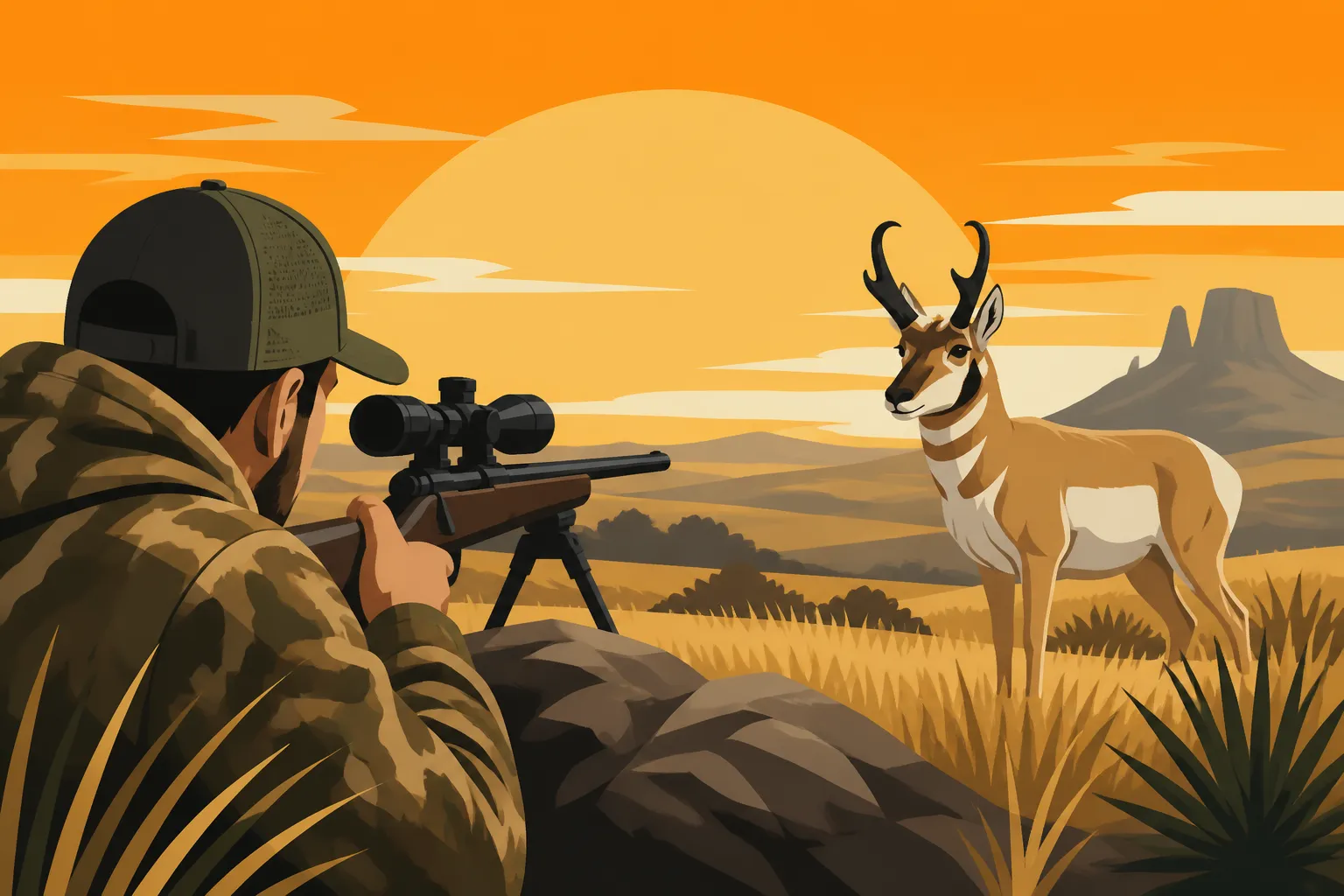
As for hunting style, pronghorn hunting in South Dakota is almost exclusively spot-and-stalk. This involves extensive glassing from elevated positions, locating a desirable buck, and then meticulously planning and executing a stalk to get within shooting range. This isn't a stand hunt or a blind hunt typically. Your guide will drive you to strategic vantage points, then you'll hike and crawl through draws and behind hills, using the subtle contours of the land to remain hidden. Being clear about the physical demands and the specific hunting methods used by the outfitter is crucial before booking. You can even clarify if they prefer a certain shooting distance or if they have rules about shooting from vehicles (which is illegal off public roads). Spot-and-Stalk Antelope on Open Prairie is a demanding but rewarding method.
Navigating the South Dakota Antelope Draw and Outfitter Assistance
Unlike pheasants, antelope in South Dakota are managed through a limited draw system, meaning you can't just buy a tag over the counter. This adds a layer of complexity for hunters, especially non-residents. Understanding this system and how outfitters can assist is paramount to securing a tag.
Understanding South Dakota's Draw System
South Dakota employs a lottery system for its big game draws, including antelope. Non-resident tags are limited and highly sought after, particularly for firearms seasons. The state uses a preference point system for some species, but for antelope, it's more of a bonus point system where previous unsuccessful applications give you a slight edge in subsequent draws, increasing your odds over time. It's not a guarantee, but it certainly helps. Application deadlines are typically in the spring, so you need to plan well in advance of your desired hunt year. Many hunters dedicate time to researching South Dakota Antelope Application Deadline and understanding their South Dakota Antelope Draw Odds. Missing the deadline means you're out of luck for the year, so staying organized is key. You can find detailed draw statistics and application portals on the South Dakota Game, Fish and Parks (GFP) website.
How Outfitters Assist with Licences
A reputable South Dakota outfitter will be well-versed in the state's draw system and can provide invaluable assistance. While they cannot guarantee you a tag (no one can), they can guide you through the application process, advise you on unit choices based on historical draw odds and their hunt areas, and ensure you submit your application correctly and on time. Some outfitters might even have specific units they recommend where draw odds for non-residents tend to be slightly better, or where they have particularly strong access. Be cautious of any outfitter who implies they can secure a tag for you outside of the official draw; that's a major red flag. They are there to advise and assist, not to circumvent the system. This is where resources like GoHunt can be useful for hunters doing their own research into draw odds, even if an outfitter is assisting.
Considering Landowner Tags
In some situations, particularly for certain species or units, outfitters may have access to what are sometimes referred to as "landowner tags" or "private land licences." While South Dakota does have a landowner preference system for certain big game draws, these are typically for landowners themselves or their immediate family. However, an outfitter operating on extensive private acreage might have ways to ensure hunters have access, either by leasing ground that falls into specific permit areas or by having a direct agreement with a landowner who holds specific tags. It's important to clarify the legality and source of any such tags. Always ensure that any tag you hunt on is officially issued by the South Dakota GFP and is in your name. If an outfitter mentions guaranteed tags, ask for explicit details on how this is achieved and verify it directly with the GFP if you have any doubts. Understanding South Dakota Landowner Licence Preference can help you discern legitimate options from misleading claims.
Choosing the Right Outfitter for Your Antelope Adventure
Selecting the right outfitter is arguably the most critical decision you'll make for your South Dakota guided antelope hunt. A good outfitter can make the difference between a once-in-a-lifetime experience and a frustrating, disappointing trip.
Key Questions to Ask Potential Outfitters
Before you commit to an outfitter, compile a list of thorough questions. Don't be afraid to delve deep; a professional outfitter will appreciate your diligence. Here are some essential queries:
- Experience & Longevity: How long have you been operating guided antelope hunts in South Dakota? Do you own or lease your hunting ground, and how long have you held these leases? Longevity often speaks to reliability.
- Success Rates: What are your typical success rates for antelope, and what factors influence them (e.g., weather, hunter skill)? Be wary of guaranteed kill rates; ethical hunting always involves fair chase.
- Hunt Area & Access: What specific units or areas do you hunt? How many acres do you have access to, and is it private or public? Understanding the terrain you'll be hunting is important.
- Hunt Logistics: What's the typical daily schedule? What is your guide-to-hunter ratio? Will I be hunting with other clients? What happens if I tag out early?
- References: Can you provide a list of at least 3-5 past clients I can contact? This is perhaps the most crucial question.
- Physical Demands: What is the average amount of walking or stalking involved? How rugged is the terrain?
- Weapons: Are there any restrictions or recommendations on rifle calibers or archery setups?
- What's Not Included: Beyond the package price, what other costs should I anticipate (licences, tags, meat processing, taxidermy, tips, travel)?
Asking these detailed questions will give you a clear picture of what to expect and help you compare options objectively. Platforms like BookYourHunt often provide a structured way to compare different outfitters and read reviews from past clients, which can be a good starting point for your research before you dive into direct conversations.
Checking References and Reputation
Once you have a list of potential outfitters, thoroughly check their references. When calling past clients, ask specific questions beyond "Did you have a good time?" Inquire about:
- Accuracy of Claims: Did the outfitter's description of the hunt match the reality?
- Guide Quality: Was the guide knowledgeable, professional, and patient? Did they work hard for you?
- Food and Lodging: Were the accommodations clean and comfortable, and were the meals satisfactory?
- Animal Quality & Numbers: Did they see the quantity and quality of animals advertised?
- Problem Resolution: If issues arose, how did the outfitter handle them?
Also, check for online reviews, but take them with a grain of salt – a few negative reviews amidst many positive ones might not be indicative of a widespread problem. Look for consistent themes in both positive and negative feedback. Reputable outfitters often have a strong presence in hunting forums or magazines, which can also offer insights.
Contractual Agreements and Red Flags
Always insist on a written contract that clearly outlines all inclusions, exclusions, dates, costs, deposit and payment schedules, and cancellation policies. Read every word carefully. Vague language or an unwillingness to provide a detailed contract should raise a red flag. Pay close attention to clauses regarding unforeseen circumstances like bad weather or illness.
Be wary of any outfitter who:
- Guarantees a kill: Ethical hunting involves fair chase; success is never guaranteed.
- Demands cash only: A legitimate business will accept various forms of payment.
- Doesn't provide references: This is a major trust issue.
- Has poor communication: If they are slow to respond or provide vague answers before you book, imagine how they'll be if a problem arises during your hunt.
- Offers prices significantly lower than competitors: This often indicates cut corners or hidden fees.
A clear, comprehensive contract protects both you and the outfitter and ensures there are no misunderstandings down the line. It's a testament to their professionalism.
Preparing for Your Guided South Dakota Antelope Hunt
Even with a top-notch guide, your personal preparation plays a huge role in the success and enjoyment of your antelope hunt. The prairie environment demands specific physical readiness and gear choices.
Physical and Shooting Preparation
Antelope hunting, even with vehicle access, involves a fair bit of walking, glassing, and often crawling during a stalk. The terrain, while appearing flat, has subtle rises and falls that can be surprisingly taxing, especially if you're not used to covering ground in hunting boots. Start a walking regimen well before your hunt, incorporating some uneven ground and light hills if possible. Being in good physical shape will not only make the hunt more enjoyable but also increase your chances of successfully closing the distance on a wary pronghorn.
Shooting preparation is equally vital. Pronghorn in South Dakota are often taken at longer ranges than many other big game animals due to the open country. Practicing shooting from various field positions – prone, kneeling, and from shooting sticks – is absolutely essential. Know your rifle and ammunition intimately, and be comfortable shooting out to 300-400 yards, or whatever your personal ethical maximum range is. Spend time at the range simulating real-world hunting scenarios, including rapid target acquisition and shooting under pressure. Practicing Prone Shots on the Prairie can make all the difference when that trophy buck finally stops.
Gear Essentials for the Prairie
The South Dakota prairie can experience dramatic weather swings, sometimes within the same day. Layering your clothing is crucial. You'll need good quality base layers, an insulating mid-layer, and a windproof, water-resistant outer shell. Mornings can be chilly, midday can be warm, and evenings can bring a biting wind.
Beyond clothing, here's a rundown of other essentials:
- Optics: High-quality binoculars (10x or 12x) and a spotting scope are indispensable for long-range glassing. Your guide will have theirs, but having your own is a huge advantage for spotting and judging.
- Footwear: Comfortable, broken-in hiking boots with good ankle support are a must. You'll be covering miles.
- Backpack: A daypack for water, snacks, extra layers, rangefinder, and calls.
- Rangefinder: Essential for accurately judging distances on the open prairie.
- Shooting Sticks/Bipod: Provides a stable shooting platform when prone isn't an option.
- Sun Protection: Hat, sunglasses, and sunscreen are critical. The prairie sun is intense.
- Water: Bring plenty of water. Dehydration can quickly set in.
- First Aid Kit: A basic personal kit for blisters, minor cuts, and headache relief. First Aid Kit for a Prairie Hunt is always a good idea.
Weather Considerations and Layering
South Dakota weather can be notoriously unpredictable, especially during the fall hunting seasons. An October morning might start near freezing, rise to the 60s by midday, and then drop rapidly if a cold front or thunderstorm moves in. Wind is almost a constant companion on the prairie, and it can make even moderate temperatures feel much colder.
Your layering system should be adaptable. Start with a moisture-wicking base layer, add an insulating fleece or down layer, and top it with a durable, windproof, and water-resistant outer shell. Wool or synthetic materials are preferred over cotton, which loses its insulating properties when wet. Pay attention to forecasts, but always pack for a wider range of conditions than predicted. Good gloves, a warm hat, and even a neck gaiter can be critical for comfort during long glassing sessions in the wind. Remember, comfort contributes significantly to patience and focus during the hunt.
Making the Most of Your Hunt and Post-Hunt Considerations
Landing an antelope in South Dakota is just one part of the adventure. What you do after the shot, and how you handle the logistics of getting your game home, are crucial steps for a successful and ethical hunt.
Field Dressing and Meat Care
Once your antelope is down, prompt and thorough field dressing is paramount, especially in warmer early season weather. Antelope meat has a reputation among some for being "gamey," but this is almost always due to improper field care. Getting the animal gutted, skinned (or at least caped), and cooled quickly is the single most important step to ensure high-quality table fare. Your guide will assist with this, but knowing the basics yourself is always a good idea.
The goal is to get the body heat out of the animal as fast as possible. This means removing the entrails, and if conditions allow, skinning the animal in the field. If you plan to shoulder mount your buck, ensure your guide understands your intentions for proper caping. Have large game bags on hand to protect the meat from dirt and flies once it's cooling. Immediately after field dressing, the meat should be transported to a processor or placed in coolers with ice. If you're staying in a remote lodge, they may have walk-in coolers to hang game. Field Dressing an Antelope Fast is key to delicious meat.
Taxidermy and Trophy Care
If you've taken a trophy buck, protecting the cape and horns is essential. Your guide will typically help with the initial caping and skull cleaning to prepare it for a taxidermist. Discuss this with your guide before the hunt so they know your intentions. Make sure the cape is properly cooled and preserved. If you're traveling a long distance, it will likely need to be frozen solid or salted and dried.
You'll need to decide whether to use a local South Dakota taxidermist or transport the cape and horns back home. Local taxidermists often have excellent experience with prairie animals and can handle the entire process. If you choose to transport it, be aware of state and airline regulations for shipping game parts. A good outfitter can usually recommend reputable local taxidermists or advise on the best way to prepare your trophy for transport. Understanding Caping a Buck for a Shoulder Mount can help you communicate effectively with your guide.
Tipping Etiquette and Post-Hunt Feedback
Tipping your guide and any lodge staff is a customary practice and a way to show appreciation for their hard work and services. While there's no hard-and-fast rule, a general guideline is usually 15-20% of the hunt cost for the guide, perhaps 5-10% of the lodge cost for the lodge staff. If multiple guides were involved, clarify how the tip should be distributed. Always tip in cash directly to the individuals if possible. If you're unsure, discreetly ask the outfitter or lodge manager for their typical tipping recommendations. Tipping a South Dakota Guide is an important part of showing respect.
Finally, consider providing constructive feedback to your outfitter, whether positive or negative. Many rely on word-of-mouth and testimonials. If you had an exceptional experience, a positive review on platforms like BookYourHunt or on their website can be invaluable. If you encountered issues, address them directly and constructively with the outfitter first, giving them a chance to respond. Your feedback helps them improve their services for future clients.
Disclaimer
This article is for general informational purposes only and does not constitute professional advice. Laws, prices and regulations vary by location and change over time. Consult a qualified professional for guidance on your specific situation.