The Nonresident Shooting Preserve Licence
Navigating the myriad of hunting licenses and regulations in South Dakota can feel like trying to find a needle in a haystack, especially if you’re a nonresident looking to enjoy some of the world-class bird hunting the state offers. One particular area that often causes confusion is the specific licensing required for hunting on a shooting preserve. This guide will clarify everything you need to know about the South Dakota Nonresident Shooting Preserve Licence, breaking down its purpose, who needs it, and how it fits into your hunting plans.
Understanding South Dakota's Unique Hunting Structure for Nonresidents
South Dakota is legendary for its pheasant hunting, drawing thousands of nonresidents each year. However, with that popularity comes a carefully managed system of regulations designed to balance opportunity with conservation. For nonresidents, this often means specific rules that differ significantly from what residents experience, and from what hunters might be used to in other states.
Why South Dakota Has Different Rules
The state's approach to nonresident hunting is largely driven by its commitment to managing wild bird populations, particularly pheasants, and ensuring fair access for its own citizens. South Dakota is incredibly proud of its wild pheasant heritage, and the regulations, especially for the general pheasant season, reflect a desire to protect that resource. This often translates into limited opportunities or specific seasons for nonresidents when it comes to wild birds. It’s not about making things difficult; it's about sustaining a resource that is a huge part of the state's identity and economy. This careful management also extends to other big game species, with complex draws for licenses like those for South Dakota Deer Licence Types by Region or South Dakota Antelope Season and Draw.
The Role of Shooting Preserves
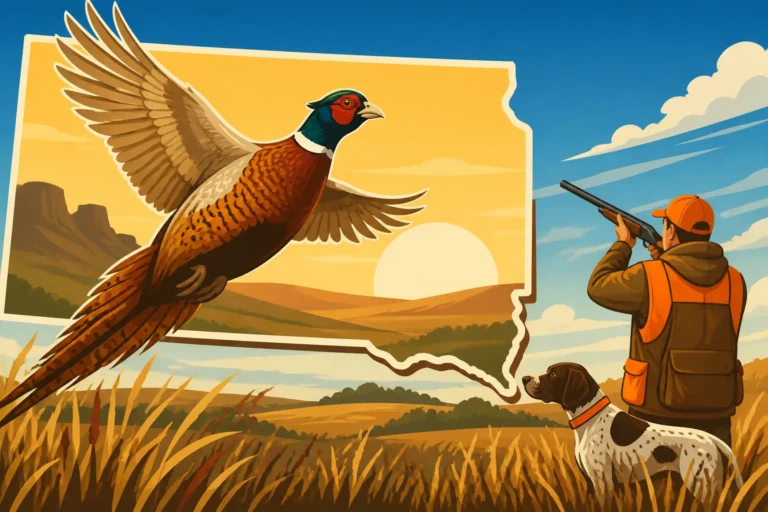
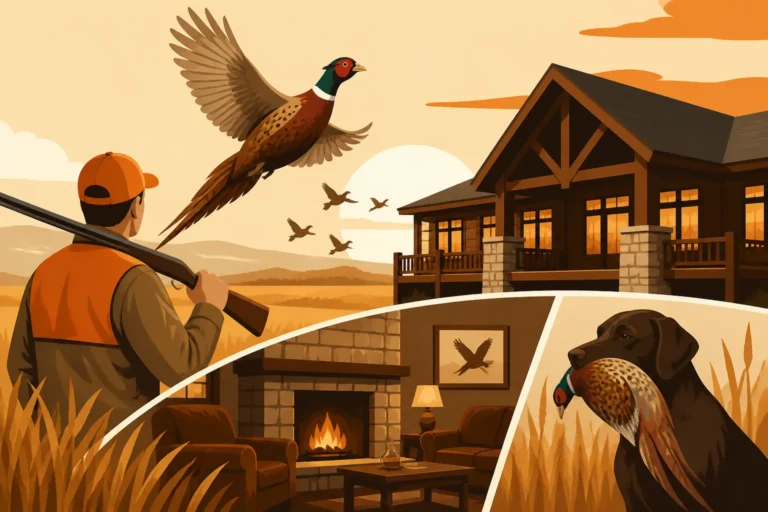
In contrast to hunting wild, free-ranging game, shooting preserves offer a controlled environment where pen-raised birds are released for hunters. These preserves are a fantastic option for nonresidents who might have difficulty drawing a coveted wild bird tag, or who prefer a more predictable hunting experience. They extend the hunting season, often have guaranteed bird numbers, and can provide an excellent opportunity to introduce new hunters to the sport or get some extra dog work in. Think of them as a bridge for hunters who want to experience the thrill of a South Dakota hunt without the uncertainties and limitations that come with pursuing truly wild pheasants or other game birds on public land or through general season draws. You'll find many reputable lodges and operations that run these types of hunts, often offering comprehensive packages.
The South Dakota Nonresident Shooting Preserve Licence: What It Is and Why You Need It
If you're planning on hunting pheasants, chukar, quail, or other game birds that are released on a licensed shooting preserve in South Dakota, this is the license you absolutely need. It’s distinct from other licenses and specifically caters to the unique nature of preserve hunting.
Key Components of the Preserve Licence
The Nonresident Shooting Preserve Licence is your ticket to legally pursue game birds on any of South Dakota's licensed shooting preserves. This license allows you to participate in hunts where birds, typically pheasants, have been raised in captivity and released onto the preserve's property specifically for hunting. It's a recognition by the state that these hunts are managed differently than wild bird hunting, with less impact on natural populations, and thus can have different rules regarding season length, bag limits, and hunter access. This often means you can enjoy a hunt for a much longer period than the regular South Dakota Pheasant Season and Licences dates would allow, and often with more liberal shooting hours.
Who Needs This Licence?
Simply put, any nonresident who intends to hunt birds on a commercial shooting preserve in South Dakota must possess this specific license. This applies whether you're coming for a single day hunt or a multi-day package. Even if you hold a general Nonresident Small Game Licence, that license does not cover hunting on a licensed shooting preserve for released birds. It’s a common point of confusion, and one that can lead to an unexpected citation if you’re not properly licensed. So, if your hunting plans involve a guaranteed bird release on managed land, this is the document you need to secure before you step into the field.
How This Differs from a General Nonresident Small Game Licence
This is where many nonresidents get tripped up. It's easy to assume that a broad "small game" license covers all bases, but that's not the case in South Dakota when it comes to preserves.
- Nonresident Small Game Licence: This is what you need to hunt wild pheasants, grouse, partridge, quail, and other small game on public lands (like South Dakota Walk-In Areas Explained or South Dakota Game Production Areas) and private lands with permission, during the state's established general seasons. This license often comes with specific date restrictions, such as the two five-day hunting periods for nonresidents, and daily/possession limits tied directly to wild populations. It also requires the purchase of a South Dakota Habitat Stamp.
- Nonresident Shooting Preserve Licence: This license is only for hunting legally released, pen-raised birds on a state-licensed shooting preserve. It typically allows for longer seasons, potentially higher bag limits (as dictated by the preserve's own plan), and does not require the purchase of a Habitat Stamp or a Federal Duck Stamp, as you're not hunting migratory wild game.
Here's a quick comparison:
| Feature | Nonresident Small Game Licence | Nonresident Shooting Preserve Licence |
|---|---|---|
| Purpose | Hunt wild small game (pheasants, grouse, etc.) | Hunt released, pen-raised birds on licensed preserves |
| Location | Public lands, private lands (with permission) | Only on state-licensed shooting preserves |
| Season Dates | Restricted to general state seasons (e.g., two 5-day periods for pheasants) | Often extended, typically 6-9 months or more |
| Bag Limits | State-set daily/possession limits for wild birds | Preserve-set limits, often higher or unlimited |
| Habitat Stamp Required? | Yes | No |
| Federal Duck Stamp? | Yes (if hunting migratory waterfowl) | No (unless preserve also offers wild waterfowl) |
| Eligibility | General draw or purchase during specific periods | Purchased directly, often through preserves |
As you can see, these are two very different tools for two very different types of hunting. Make sure you get the right one for your specific trip!
Navigating the Application Process and Finding a Preserve
Once you understand which license you need, the next step is actually getting it and finding a place to hunt. The process for securing a Nonresident Shooting Preserve Licence is generally much simpler than applying for a general nonresident big game or wild bird license, which can involve points and draws like those outlined in South Dakota Big Game Draws and How to Apply or How the South Dakota Draw System Works.
Steps to Acquire Your Preserve Licence
The good news is that obtaining a Nonresident Shooting Preserve Licence is usually straightforward. You can typically purchase this license directly online through the South Dakota Game, Fish and Parks (GFP) website, or sometimes directly from the licensed shooting preserve itself. Many preserves will include the license in their package deals or assist you with the purchase, making it seamless.
- Plan Your Hunt: First, decide which preserve you want to hunt with and when. This will often dictate the exact dates your license needs to cover.
- Verify Licence Requirements: Double-check with the preserve directly to confirm they are indeed a licensed shooting preserve and what the current license requirements are.
- Purchase Online: Visit the South Dakota GFP website and navigate to their licensing portal. Select the Nonresident Shooting Preserve Licence. You'll need to provide personal details, and a credit card for payment. The licence is usually valid for a specific period, often tied to the preserve's operational season.
- Print or Save: Once purchased, you'll likely receive a digital copy via email. It's always a good idea to print a physical copy and save a digital version on your phone in case you lose cell service in some of the more remote parts of the prairie.
Remember, this license is specifically for the preserve. If you decide to add on a day of hunting wild birds elsewhere, you'll need the separate South Dakota Nonresident Small Game Licence Price and associated stamps.
What to Look for in a South Dakota Shooting Preserve
Choosing the right preserve can make or break your trip. With many options across the state, it's wise to do your homework. Platforms like BookYourHunt can be incredibly useful for comparing options, reading reviews from other hunters, and understanding what different preserves offer in terms of terrain, bird numbers, and amenities. You might also find services like GoHunt beneficial for researching areas and understanding the general hunting landscape, even if their primary focus is often on big game draw odds.
When evaluating a preserve, consider these factors:
- Reputation: Look for preserves with solid reviews and a long history of satisfied customers. Don't be shy about asking for references; a reputable outfitter will be happy to provide them.
- Acreage and Cover: Does the preserve offer varied terrain and plenty of natural cover for the birds? This impacts the quality of the hunt and how challenging it feels. A preserve that feels like a natural field rather than a small pen will provide a much more rewarding experience.
- Bird Quality: Are the birds strong fliers? Some preserves pride themselves on raising robust, challenging birds that mimic wild pheasants.
- Guide and Dog Services: Many preserves offer guided hunts with experienced dog handlers and well-trained dogs. This can be a huge asset, especially for new hunters or those without their own dogs. Make sure to ask about How Many Dogs Work a Field if you're bringing your own, or if you prefer to hunt with their dogs.
- Amenities: Consider lodging, meals, bird cleaning, and processing services. Many lodges offer comprehensive packages that handle everything from the moment you arrive. You might also want to ask about Bringing Your Own Dog to a Lodge if you have a canine companion you want to hunt with.
- Flexibility: Do they offer day hunts, or only multi-day packages? Can they accommodate your group size?
- Costs: Be clear on what's included in the price – birds, license, guide, lodging, meals, bird cleaning, etc. Understand if there are any per-bird charges or other hidden fees.
Planning Your Preserve Hunt
Beyond the license, planning a preserve hunt involves a few practical steps to ensure a smooth and enjoyable experience. Many hunters book well in advance, especially for prime dates.
- Booking: Contact the preserve early, particularly if you have specific dates in mind. The Booking the South Dakota Opener a Year Out advice for wild bird hunting can sometimes apply to preserves if you're aiming for popular times.
- Travel and Accommodation: If the preserve doesn't offer lodging, research local motels in nearby towns. Plan your route, keeping in mind that some preserves are off the beaten path.
- Gear: Pack appropriate hunting attire for the weather, including good boots for walking the fields. Don't forget eye protection, hearing protection, and plenty of shotgun shells. Remember, you'll be walking through cover that can be dense, so durable clothing is key.
- Transportation: Consider renting a vehicle with good clearance if you plan to venture onto less-maintained roads, especially in shoulder seasons or after wet weather.
- Food and Drink: Even if meals are provided, always carry snacks and plenty of water, especially during active hunts.
- Safety: Always follow the preserve's rules and maintain strict firearm safety protocols. Safe Gun Handling on a Bird Drive is paramount, even in a controlled environment.
A well-planned preserve hunt can be an incredibly rewarding experience, offering consistent action and a chance to enjoy South Dakota's hunting culture without the intense competition for wild bird access.
Important Considerations and Regulations
Even though you’re on a private preserve, you're still hunting in South Dakota, and there are regulations and ethical considerations to keep in mind. The preserve itself will have its own set of rules, often stricter than state minimums, to ensure safety and a quality experience.
Season Dates and Shooting Hours on Preserves
One of the significant advantages of the Nonresident Shooting Preserve Licence is the extended season dates. While wild pheasant hunting is usually restricted to a few months, preserves often operate for a much longer period, sometimes from early fall through late spring. This flexibility allows hunters to plan trips outside the crowded general seasons.
Similarly, shooting hours on preserves can differ from those for wild birds. For instance, the general Why Pheasant Hunting Starts at Ten a.m. rule for wild pheasants is in place to allow birds to leave their roosts naturally. On a preserve, with released birds, these hours might be more flexible, often allowing for earlier starts. Always confirm the exact shooting hours and season dates with your chosen preserve. They will operate under a specific permit from the state that outlines these details.
Bag Limits and Bird Tagging
On a licensed shooting preserve, the concept of a "bag limit" is also often different from wild bird regulations. While wild pheasants have a strict daily and possession limit (e.g., three roosters daily, twelve in possession for nonresidents), preserves often have more liberal or even unlimited bag limits for their released birds. This is because these birds are considered privately owned and managed.
However, even on a preserve, proper tagging and transport are crucial. Birds harvested on a preserve typically need to be tagged in a specific way, often with special bands provided by the preserve, to distinguish them from wild birds. This is vital for legal transport. Ensure you understand the preserve's tagging procedures and know the rules for Tagging and Transporting Birds Legally before you leave, especially if you plan to travel across state lines with your harvested game. Some preserves offer Bird Cleaning Included in the Price and packaging services, which can make this process much easier for out-of-state hunters.
Ethical Hunting on a Preserve
Just because you're hunting released birds in a controlled environment doesn't mean ethical considerations go out the window. Responsible hunting practices are still paramount.
- Fair Chase: While not strictly "fair chase" in the traditional sense of pursuing wild game, a good preserve will strive to offer a hunting experience that is as close to wild bird hunting as possible. This means birds that fly well and cover that allows for challenging shots and good dog work.
- Shot Selection: Take responsible shots within your effective range. Wounding birds and not recovering them is wasteful, regardless of whether they are wild or released. Practice Shooting Sticks and Bipods on the Prairie or other steadying techniques if you're not used to quick flushes.
- Respect for Dogs and Guides: If hunting with a guide and their dogs, always follow their instructions. They are professionals and their experience is invaluable. Treat their dogs with the respect they deserve.
- Resource Management: Even though birds are released, preserves often have strict habitat management plans. Respect these efforts and minimize your impact on the land.
Ultimately, hunting on a South Dakota shooting preserve, with the proper Nonresident Shooting Preserve Licence, can be an incredible way to experience the state's pheasant hunting heritage. It offers a unique opportunity that complements, rather than competes with, the pursuit of truly wild game, ensuring that every hunter, resident or nonresident, can find an avenue to enjoy the field.
Disclaimer
This article is for general informational purposes only and does not constitute professional advice. Laws, prices and regulations vary by location and change over time. Consult a qualified professional for guidance on your specific situation.