When the Rut Peaks in South Dakota
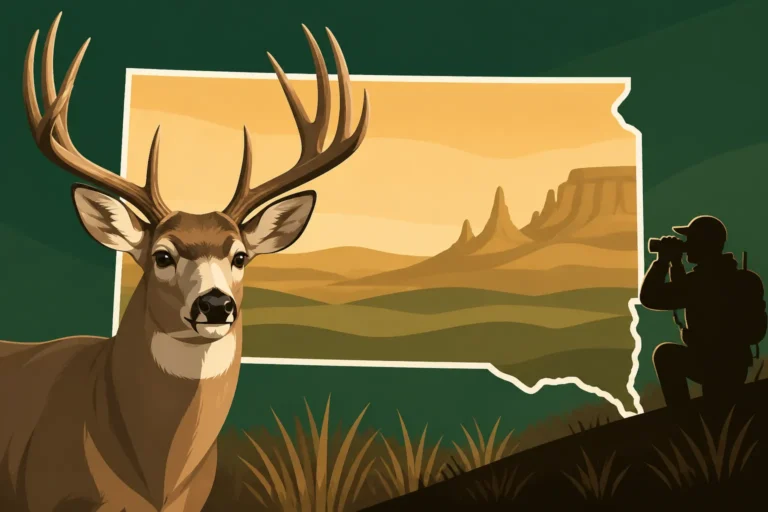
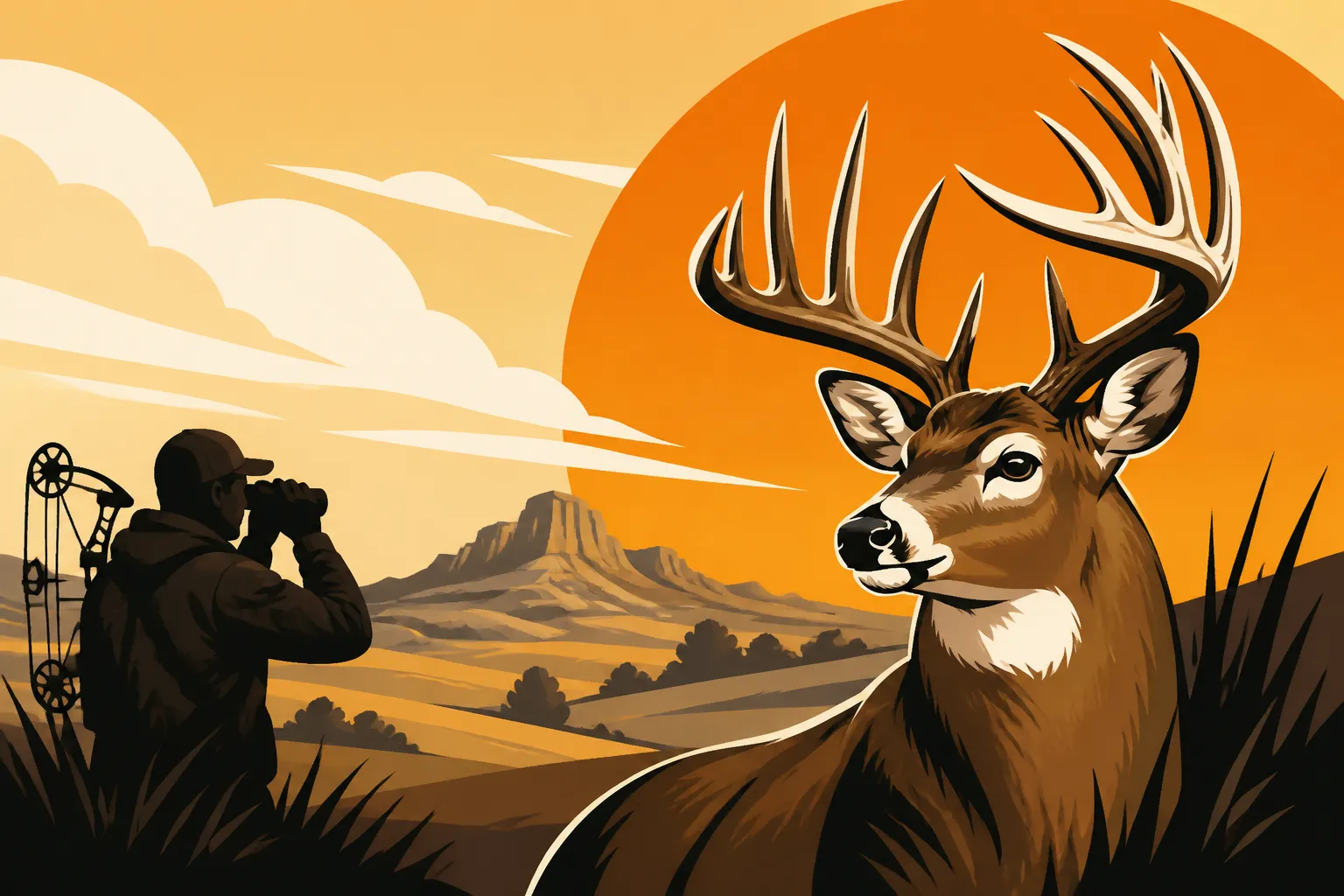
The quest to pinpoint the exact moment the deer rut peaks in South Dakota is a yearly obsession for many of us, and let’s be honest, it often feels like we’re trying to catch smoke. This guide aims to pull back the curtain on when South Dakota's whitetail and mule deer bucks truly lose their minds, exploring the factors that drive their frenzy and how you can position yourself for success.
Understanding Deer Rut Cycles in South Dakota
Trying to lock down the exact "peak rut" can feel like chasing a phantom, but in reality, deer follow a fairly predictable biological clock. What really throws us off is how visible that activity is on any given day. The rut isn't a single event; it's a season-long drama with distinct acts, driven by photoperiod – the amount of daylight in a 24-hour cycle. This consistent environmental cue triggers hormonal changes in both bucks and does, setting the stage for reproduction.
South Dakota is unique because we have two primary deer species, whitetails and mule deer, each with their own subtle variations in this cycle. While their overall breeding windows overlap, understanding these nuances is crucial for maximizing your time in the field. Ignoring these differences can lead to frustration, as tactics that might crush it for a whitetail in the river bottoms could fall flat for a mule deer on the open prairie.
The South Dakota Whitetail Rut Calendar
For white-tailed deer across South Dakota, from the timbered river bottoms of the Missouri River to the brushy draws of the East River prairie, the rut follows a fairly consistent pattern year after year. It's a drama that unfolds over several weeks, with different phases offering unique hunting opportunities.
The pre-rut phase for whitetails typically kicks off in late October. This is when you start seeing increased rub and scrape activity. Bucks, feeling the hormonal surge, begin to become more aggressive, chasing off rivals and marking their territory with intensity. They're still somewhat focused on food sources, but their minds are definitely starting to wander towards does. This period is exciting because bucks are moving more in daylight, but they're not yet entirely consumed by breeding, making them a little more predictable around food plots and transition areas. You might catch a glimpse of a mature buck making a scrape line along a field edge at dawn, or aggressively raking a tree near a known bedding area.
The peak rut for whitetails usually falls within the first two weeks of November, often centered around November 7th-14th. This is when the majority of does become receptive, and bucks go into full lockdown mode. They're actively seeking out and breeding does, sometimes dogging a single doe for a day or more. During this time, traditional wisdom often suggests being in your stand all day, because bucks are constantly on the move, covering vast amounts of ground in search of receptive does. They throw caution to the wind, often moving at midday, which can be baffling for hunters accustomed to early morning and late evening movement. You might see a massive buck crossing an open field at 11 AM, seemingly oblivious to its surroundings, driven solely by instinct. This is prime time for active hunting strategies like calling. For more on this, check out our insights on Rattling and Grunting During the South Dakota Rut.
As mid-November rolls around, we enter the post-rut phase. Many does have been bred, and bucks are starting to feel the physical toll of their relentless pursuit. They’ve burned significant calories, and their testosterone levels begin to drop. While some younger bucks might still be looking for late-cycling does, the intense, non-stop cruising of the peak rut tapers off. Focus shifts back to food sources as bucks try to recover their strength before winter sets in. This is a great time to target bucks around standing corn, soybean fields, or even oak stands if you have them. They are often worn out and will be looking for easy calories.
Decoding the Mule Deer Rut in West River Country
Mule deer, predominantly found in the rugged West River country of South Dakota, have a rut cycle that largely mirrors whitetails but often feels a bit later or more spread out, especially depending on the specific habitat. Their behavior is also heavily influenced by the open, vast landscapes they inhabit.
The pre-rut for mule deer typically begins in early November. Similar to whitetails, bucks start sparring, establishing dominance, and making their presence known. However, because mule deer bucks often live in bachelor groups for much of the year and are more visible in open country, this pre-rut activity can be truly spectacular to witness. You’ll see them pushing smaller bucks around, rubbing trees and brush, and starting to scent check does. They’re still somewhat predictable around water sources and key bedding areas, especially in the coulees and draws. Using a tool like GoHunt can be invaluable here to identify these crucial water sources and bedding grounds ahead of time.
The peak rut for mule deer tends to hit slightly later than whitetails, often peaking in mid-November, generally from the 10th to the 20th, and can extend a bit longer, even into the third week. This is when the large, dominant bucks really start to gather harems of does and actively breed. Unlike whitetails, which often chase does in dense cover, mule deer bucks will often "herd" does in more open settings, trying to keep them contained. This can make them incredibly visible, but also challenging to approach. Glassing is paramount during this phase, as bucks might be spotted from a long distance. For tactics on this, refer to Glassing South Dakota Breaks at First Light. They are less likely to respond to rattling in the same aggressive way a whitetail might, but subtle grunts and doe bleats can sometimes draw a buck closer if he thinks a hot doe is nearby.
The post-rut for mule deer, from late November into early December, sees the biggest bucks retreating to recover. They've put on an incredible amount of miles and expended massive energy. Their focus shifts dramatically back to finding rich food sources and putting on weight to survive the harsh South Dakota winter. Look for them in areas with good browse, agricultural fields, or sheltered draws where food is abundant and they can conserve energy. Sometimes you’ll see them in unexpected places, having dropped their guard significantly due to exhaustion.
Factors Influencing Rut Timing and Intensity
While the biological clock of the rut is largely set by the photoperiod, making it fairly consistent year after year, the perception of the rut can vary wildly. Hunters often get frustrated because one year feels "slow" and the next feels "on fire" at the exact same calendar date. This isn't because the deer forgot to rut; it's usually due to external factors influencing their visible movement and our ability to encounter them.
These factors don't trigger the rut – that's photoperiod's job – but they dictate the intensity and timing of when we, as hunters, actually see the rut happening in the daylight. Understanding these influences can help you adapt your strategies, rather than just waiting for the mythical "right day."
Weather's Role: When Cold Snaps Matter
Ah, the age-old debate about weather and the rut! Many hunters firmly believe that a sudden cold snap "flips a switch" and gets the deer moving. While a cold front doesn't start the rut, it absolutely can increase daytime deer movement, making the rut seem more intense. Deer are simply more comfortable moving around when temperatures are cooler. A warm, sunny day in early November can make bucks hold tight to cover, especially during midday, making us think the rut hasn't started yet.
Conversely, a sharp drop in temperature, especially after a period of mild weather, can get those bucks on their feet, cruising harder and longer. They might move at times they otherwise wouldn't in warmer conditions. This is particularly true during the peak rut, where bucks are already driven by hormones; comfortable temperatures just allow them to express that drive more freely during shooting hours. Think about it: would you rather chase does all day in 60-degree weather or 30-degree weather? Deer are no different. So, while the breeding is happening regardless, a good cold snap will often mean more daylight action for you to witness.
Moon Phases and Deer Movement
The influence of moon phases on deer movement during the rut is another topic that generates a lot of discussion around hunting campfires. Some hunters swear by it, planning their vacation days around the "dark moon" or "full moon" to hit the perceived peak. Scientifically, there's no strong consensus that moon phases trigger the rut itself, but they might influence when deer are most active within a 24-hour cycle.
For instance, some theories suggest that during a bright full moon, deer might do more of their seeking and cruising at night, leading to less daylight activity for hunters. Conversely, a darker moon phase might push more of that activity into the daytime. However, deer are still going to breed when the does are receptive, regardless of how much moonlight there is. The biological imperative is too strong.
What's more likely is that other factors like hunter pressure, food availability, and yes, temperature, have a far more tangible impact on when you’ll see deer. My advice? Don’t get too hung up on the moon phase. Focus on what you can control and observe: fresh sign, weather patterns, and being in the woods during prime times. The moon might subtly shift when they move, but it won't stop the rut from happening.
Hunting Strategies for Each Rut Phase
Understanding when the rut peaks is only half the battle; the real trick is knowing how to hunt effectively during each phase. The strategies you employ in late October will be vastly different from those you use in mid-November, and adapting is key to punching that tag.
It’s about reading the deer and the land, not just the calendar. This is where tools like GoHunt can be incredibly useful, allowing you to e-scout and identify key terrain features, bedding areas, and travel corridors that become hot spots during different rut phases. Knowing the topography can help you anticipate where a buck might cruise or cut a corner looking for does.
Pre-Rut Tactics: Anticipation is Key
The pre-rut is all about anticipation. Bucks are on the cusp of full-blown breeding mode, full of aggression but still somewhat tied to their stomachs. This is when you should be looking for fresh sign and setting up accordingly.
Focus your efforts around food sources. Bucks are still trying to pack on calories before the main event, so look for them browsing in alfalfa fields, hitting standing corn, or checking out soybean fields. Areas where food meets cover, or transition zones, are excellent places for a stand. You’ll also want to look for new rubs and scrapes. These are calling cards, showing you where bucks are marking their territory and communicating with does. A freshly pawed scrape with an overhead licking branch is a high-traffic intersection for deer.
During this phase, bucks are often very receptive to rattling and grunting. They’re itching for a fight with other bucks and eager to find does. Aggressive rattling sequences, especially in areas with good buck-to-doe ratios, can draw a curious buck in from a distance. Early morning and late evening are still prime times, as bucks are moving from bedding to feeding and back. Consider putting in some time on your stand early and late, and if you're lucky, you might catch a cruiser at midday.
Peak Rut Tactics: When Bucks Lose Their Minds
This is the phase we all dream about! During the peak rut, bucks are absolutely consumed with breeding. Their natural caution often takes a backseat to their biological drive. This means you need to be in the woods as much as possible, ready for action at any moment.
All-day sits become a highly effective strategy. Bucks are cruising constantly, and you never know when one might wander through your setup, even in the middle of the day. Focus on travel corridors, pinch points, and bottlenecks between known bedding and feeding areas, or between areas where does tend to congregate. These are high-traffic highways for bucks on the prowl.
Calling can be incredibly effective during the peak rut. Doe bleats and estrus bleats can draw in curious bucks looking for a receptive doe. Grunts, especially tending grunts, can signal a buck that a hot doe is nearby, potentially bringing him to investigate. Light rattling, mimicking a subtle spar, can also work, as bucks are less likely to want a full-blown fight but are still territorial. Think about the terrain: in more open areas like the West River breaks, using binoculars to spot a cruising buck and then trying to cut him off or call him in might be more effective than blind rattling. This is where your e-scouting on GoHunt to understand the terrain is critical for a good stalk, similar to what you’d do when Stalking a Bedded Mule Deer Buck.
Don't be afraid to cruise and glass if you're hunting open country for mule deer. Bucks will often be visible pushing does, or trailing them for long distances. Keep your optics handy and be ready to make a move if you spot a mature buck engaged in rutting behavior.
Post-Rut Tactics: The Recovery Period
Once the peak frenzy subsides, bucks are exhausted and have one thing on their mind: recovery. They've lost significant body weight and need to refuel before winter's harshness truly sets in. This shift in priorities dictates your hunting approach.
Food sources are king in the post-rut. Bucks will gravitate towards the highest-calorie, most accessible food available. Think standing corn, alfalfa fields, or areas with late-season browse. They'll be looking for easy meals to regain energy. Focus on areas where food is close to thick cover, as they’ll still want to conserve energy and feel secure. Consider hunting Food Plots and Corn Edges during this time.
Bucks can be incredibly vulnerable during the post-rut because their guard is down. They're tired and hungry. While they might not be actively chasing does, they'll still be moving between bedding and feeding, often in more predictable patterns than during the chaos of the peak rut. Early mornings and late evenings are once again prime, as they move to and from their recovery areas. Patience and cold weather gear become your best friends during this period, as you often need to sit longer in colder conditions.
| Rut Phase | South Dakota Whitetail | South Dakota Mule Deer | Key Hunter Focus | Effective Tactics |
|---|---|---|---|---|
| Pre-Rut | Late October | Early November | Aggression, Territory, Food | Rubs/Scrapes, Rattling, Grunting, Food Source Stands |
| Peak Rut | Early-Mid November | Mid-November | Breeding, Seeking Does | All-day sits, Doe Bleats, Cruising, Glassing |
| Post-Rut | Late November-Early Dec | Late Nov-Early Dec | Recovery, Food | Food Source Stands, Patience, Late-Season Cover |
Disclaimer
This article is for general informational purposes only and does not constitute professional advice. Laws, prices and regulations vary by location and change over time. Consult a qualified professional for guidance on your specific situation.