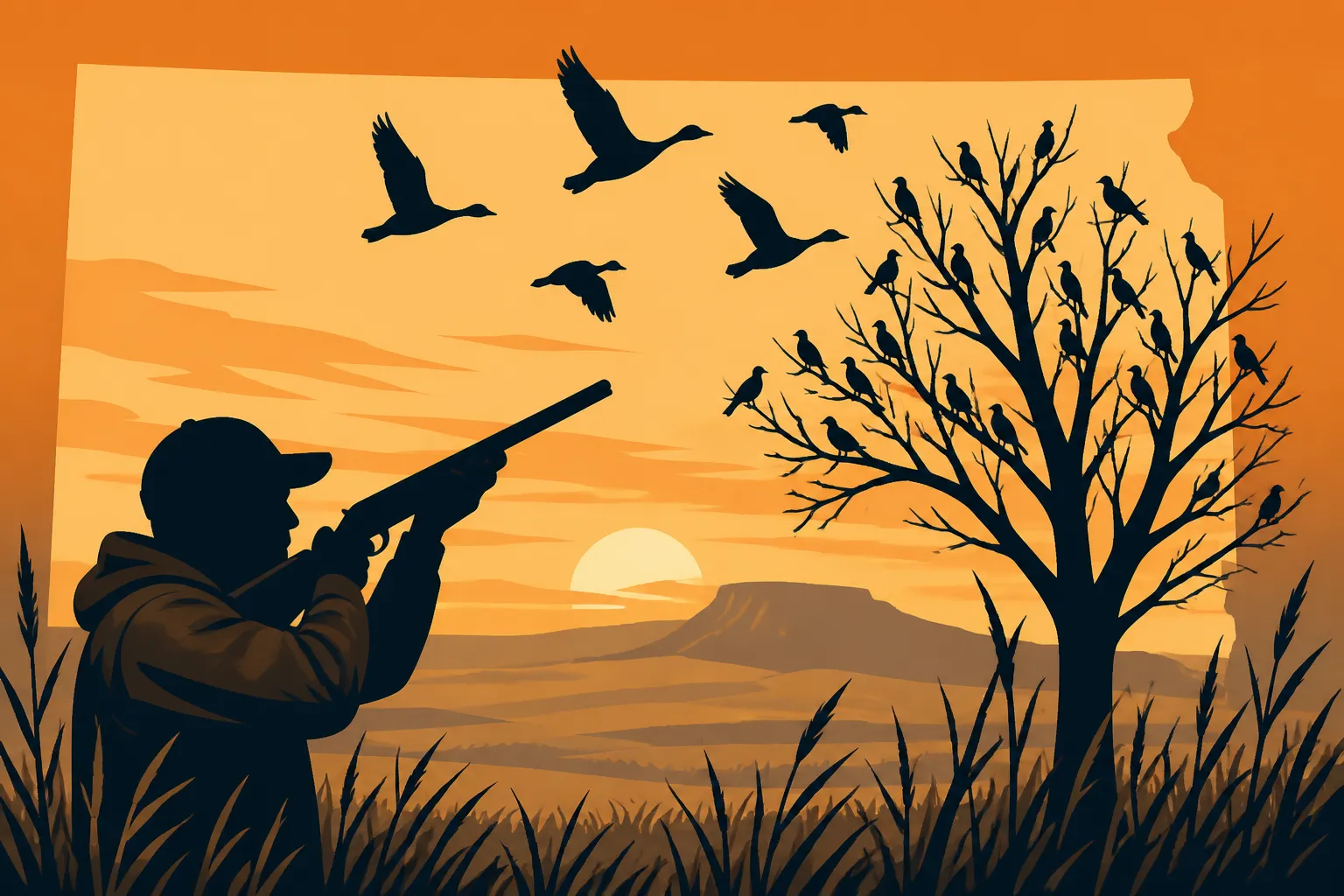
Evening Roost Hunting Ethics
That feeling of wanting to extend the hunt just a little longer, pushing for that one last rooster as the sun dips below the horizon, is incredibly strong, especially when you’ve put in a long day of walking those expansive South Dakota coverts. But as the shadows lengthen and the light fades, questions often arise about the ethics and legality of "roost hunting" for pheasants. This guide aims to clear up the confusion, delve into the regulations, and explore the unwritten codes of sportsmanship surrounding hunting pheasants as they head to their evening roosts in South Dakota.
Understanding Pheasant Evening Roost Behavior
Pheasants, like many game birds, have distinct daily patterns, and their journey to the evening roost is a critical part of their survival strategy. For hunters, understanding this behavior is key to both success and ethical practice.
Why Pheasants Seek Evening Roosts
As evening approaches, pheasants begin to shift from their feeding and loafing areas to specific roosting cover. This isn't just a random act; it's a calculated move driven by instinct and survival. Typically, they look for dense, protective cover where they can spend the night relatively safe from predators and the elements. Think heavy cattail sloughs, thick shelterbelts, or dense pockets of switchgrass – places that offer both concealment and some insulation against the prairie chill. This roosting cover provides security, allows them to conserve energy during cold nights, and offers a somewhat predictable pattern for hunters who observe their movements.
The appeal of intercepting birds on their way to these roosts is obvious: concentration. Instead of scattered birds in vast fields, you might find them funneling into narrower travel corridors or congregating in specific cover types just before dark. However, this also makes them particularly vulnerable, which is where the ethical debate often begins. It's not uncommon to see birds flying in from multiple directions, all converging on a prime piece of winter cover. This predictable movement and concentration is a huge draw, making it tempting to push the limits of hunting hours.
The Controversial Nature of Evening Roost Hunting
The controversy around hunting birds as they settle into their evening roosts stems from several factors. First, there's the perception of fair chase. Many hunters feel that targeting birds when they are most concentrated and focused on finding safety for the night, rather than actively feeding or flushing, gives the hunter too much of an advantage. It can feel less like a challenge and more like an ambush. Second, safety is a major concern. As light fades, visibility diminishes rapidly. Identifying targets clearly, ensuring safe shot angles, and being absolutely certain of what you're shooting at becomes much harder. The risk of accidental injury to other hunters, dogs, or even non-target wildlife increases significantly.
Beyond that, there's the impact on the birds themselves. While a single evening hunt might not seem like much, repeated pressure on prime roosting sites can disrupt their natural patterns. Birds might abandon crucial winter cover, forcing them to seek less ideal locations where they are more exposed to predators or harsh weather. This kind of sustained pressure can stress bird populations, particularly during the late season when energy reserves are critical for survival. Many experienced hunters advocate for leaving birds to settle into their roosts undisturbed, preserving these vital nighttime sanctuaries and promoting the overall health of the pheasant population. It's about looking at the long game, not just the immediate opportunity.
South Dakota's Legal Shooting Hours and Enforcement
When you're out chasing pheasants in South Dakota, understanding and strictly adhering to the legal shooting hours isn't just a recommendation; it's the law. These rules are in place for a good reason, prioritizing safety, fair chase, and the sustainability of the resource.
Specific Legal Times for Pheasant Hunting
South Dakota has very clear regulations regarding pheasant shooting hours, and they are consistent statewide. The official legal shooting hours for pheasants are from 10:00 a.m. to sunset Central Time, throughout the entire pheasant season. This applies from the famous third Saturday in October opener right through the season's close. You can't just hunt until you can't see; sunset is a precise moment. It's crucial to know exactly when sunset occurs for your specific location on any given day. Many hunting apps, such as GoHunt, include sunset times, which is incredibly helpful. You can also easily look up official sunset tables online or on local weather apps.
It's a common misconception, especially for those new to the state or hunting from areas with different regulations, that "half an hour after sunset" or "civil twilight" applies. For pheasants in South Dakota, it absolutely does not. The rule is simple and unambiguous: sunset is the absolute cutoff. Pushing past this time, even by a few minutes, is a violation of state law and can result in significant penalties, including fines, loss of hunting privileges, and confiscation of game and equipment. Game wardens are very aware of this tendency and often patrol prime roosting areas around dusk. For detailed information, always consult the current South Dakota Game, Fish and Parks (GFP) hunting handbook, which is updated annually.
The Rationale Behind Restricted Hours
These specific shooting hours aren't arbitrary; they are carefully considered by wildlife managers and have several foundational purposes.
- Hunter Safety: This is paramount. Hunting in low light conditions significantly increases the risk of accidents. It's harder to identify your target definitively, harder to see other hunters or dogs, and harder to discern safe shooting lanes. The 10:00 a.m. start time helps ensure that hunters are not walking through fields in near darkness, potentially bumping into each other or shooting at indistinct shapes. Similarly, the sunset cutoff means hunters are done before the true darkness sets in, reducing the chances of a dangerous incident.
- Fair Chase: The restricted hours also align with principles of fair chase. Pheasants are often concentrated and moving predictably during dawn and dusk. Allowing hunting during these periods would give hunters an unfair advantage, potentially leading to overharvest and reducing the challenge of the hunt. It ensures that birds are actively flushing and presenting a more sporting opportunity. The 10:00 a.m. start time also allows birds to leave their roosts, feed, and spread out into cover, making them harder to find and creating a more dynamic hunting experience, as explored in articles like "Ten a.m. Start Times and Bird Behaviour."
- Conservation and Resource Management: Limiting shooting hours reduces overall hunting pressure. Imagine the impact if hunters could hammer roost sites all morning and evening. This intense pressure could drive birds out of critical habitat, disrupt their feeding patterns, and significantly impact their ability to survive the often-harsh South Dakota winters. By allowing birds a peaceful transition to and from their roosts, the regulations contribute to the long-term health and stability of the pheasant population. This is especially vital when considering how Winter Severity and South Dakota Pheasant Survival can impact numbers.
Table: South Dakota Pheasant Hunting Hour Considerations
| Time of Day | Legal Status | Ethical Considerations | Practical Outcomes |
|---|---|---|---|
| Pre-10:00 AM | Illegal | Disrupts roost exit, unfair advantage, safety risk | Potential citations, dangerous conditions |
| 10:00 AM – Midday | Legal | Fair chase, birds are scattered, good for walking | Active hunting, good dog work, strategic for Where Roosters Sit at Midday |
| Midday – Afternoon | Legal | Birds often loafing in heavy cover, challenging | Requires persistence, strategic for Late-Season South Dakota Pheasants in Heavy Cover |
| Late Afternoon – Sunset | Legal | Birds moving towards roosts, can be active | Good opportunity for strategic drives, can be busy |
| Post-Sunset | Illegal | High risk of safety issues, extreme unfairness, resource disruption | High likelihood of legal penalties, very unsafe |
The Unwritten Code: Sportsmanship and Fair Chase
Beyond the explicit laws, there's a deeper, unwritten code of conduct that governs ethical hunting. This is especially true when it comes to evening hunts, where the temptation to bend the rules can be high. True sportsmanship extends far beyond merely staying within the legal shooting hours.
The Ethical Considerations of Pushing the Clock
Even if you're meticulously checking your sunset app, pushing the clock right up to the very last second often borders on unethical, even if technically legal. As the light fades, the ability to make clean, ethical shots decreases significantly. An injured bird that sails into thick cover just as darkness falls is much harder to retrieve, potentially leading to wasted game. This violates the core tenet of responsible hunting: to make every effort to recover what you shoot.
Consider also the impact on other hunters. While it's legal, seeing a group continue to shoot well after the light has clearly gone can create resentment and distrust among the hunting community. It sets a poor example and diminishes the overall perception of hunters as ethical conservationists. We share this resource, and our actions reflect on everyone. It's about respecting the game, the land, and your fellow sportsmen. Sometimes, calling it quits ten minutes before the absolute legal limit is the more ethical choice, ensuring safety and clean kills.
Respecting Landowners and Other Hunters
South Dakota is famous for its generous landowners who enroll in programs like the Walk-In Area (WIA) program, opening up thousands of acres to public hunting. However, this generosity relies heavily on hunters demonstrating respect and responsibility. Abusing hunting hours, especially on private land or WIAs, is a quick way to sour relationships and potentially reduce future access. Landowners often observe hunting activity around their properties, and seeing hunters disregard reasonable ethical boundaries, even if not strictly illegal, erodes trust.
Hunting pressure is a real concern, and it's a topic we cover more deeply in Hunting Pressure Patterns on Walk-In Areas. If a landowner sees continuous pressure on a roosting slough right until dark, it can disrupt their livestock, disturb the peace, and make them think twice about enrolling their land in public access programs next year. Similarly, other hunters might be planning a morning hunt in the same area. Pounding a roost site until it's black dark can disrupt the birds' patterns for the next day, impacting everyone's experience. It’s important to remember that access to these incredible hunting opportunities is a privilege, not a right, and it comes with the responsibility to maintain positive relationships. As part of Pheasant Hunting Etiquette on Public Ground, it's often better to leave a property a bit before sunset, allowing birds to settle without constant disturbance.
The Long-Term Health of the Pheasant Resource
Ultimately, every ethical decision we make contributes to the long-term health of the pheasant resource. Chasing birds into their roosts late in the day can have a cumulative negative effect. Repeatedly pushing pheasants out of critical winter cover forces them to burn precious energy, especially as the season progresses towards the South Dakota Pheasant Season Closing Date. This energy is vital for survival during cold snaps and deep snow, and constant disturbance can weaken birds, making them more susceptible to predation or starvation.
The goal of hunting should never be simply to "get a bird" at any cost. It should be about experiencing nature, the thrill of the chase, the bond with your dogs, and contributing to conservation. Adhering to strong ethical standards, even when it means foregoing a potential shot in fading light, ensures that there will be healthy, wild pheasants for generations to come. We are stewards of this resource, and treating the birds with respect, giving them space to roost undisturbed, is a fundamental part of that stewardship.
Ethical Alternatives and Best Practices for Evening Hunts
While the allure of catching pheasants heading to their roost is understandable, there are many ethical and effective ways to maximize your evening hunt within legal hours without resorting to questionable practices. It's all about strategy, observation, and respecting the natural rhythms of the birds.
Strategic Field Planning for Late Afternoon
Instead of trying to catch birds in their roost, focus on intercepting them before they get there or working the cover they're most likely to use just prior to flying into the roost. This often means targeting those transition zones or staging areas. Think about the fields adjacent to heavy thermal cover – dense stands of tall grass, corn stubble, or food plots that provide excellent hiding spots before the birds commit to the final roosting site. A smart hunter, using tools like GoHunt's satellite imagery, can identify these corridors and stage effective pushes.
For example, if you know a particular cattail slough is a major roost, work the surrounding upland fields, fence lines, or shelterbelts in the last hour or two of daylight. Birds will often feed in these areas until the last possible moment before making their move. This offers a more sporting flush, and you're not directly disturbing their final, critical sanctuary. Consider a methodical drive through a long grass strip or a cornfield bordering the slough. This allows you to push birds out into the open, giving you clean shots within the legal light window. Remember, sometimes the best hunting occurs as birds feel the pressure and try to run, which we discuss in Why Birds Run Instead of Flush.
Focusing on Specific Cover Types
Different cover types offer different opportunities in the late afternoon. While thick cattails are prime roosting habitat, they are also incredibly dense and can be tough to hunt effectively as light fades, making bird recovery difficult. Instead, shift your focus to slightly more open, but still protective, cover.
- Corn Stubble or Standing Corn: Pheasants love cornfields in the evening, especially if they offer some standing stalks for cover. A good strategy is to work downwind rows, pushing birds towards an end or corner where blockers can be positioned. This allows for good visibility and manageable flushes.
- Tall Grass CRP (Conservation Reserve Program) Fields: These fields are crucial for nesting and winter cover. In the evening, birds might be making their way through these to reach even denser thermal cover. A slow, methodical walk-through can be very productive.
- Shelterbelts: A long, narrow shelterbelt can be an excellent late-day option. Birds often funnel through these lines of trees and shrubs, especially those that offer protective undergrowth. Pushing these effectively can yield birds right up until sunset, as detailed in Working South Dakota Shelterbelts for Roosters.
The key is to select cover that offers good hunting opportunities while still allowing for safe shooting and efficient bird recovery as the light diminishes.
The Importance of Thorough Scouting and Observation
The best ethical evening hunts are built on careful observation. Spend time, perhaps even on a non-hunting day, watching bird movement in the late afternoon. Where are they flying from? What cover are they using to stage? Which flight paths do they take to reach a particular roost? Understanding these patterns is invaluable.
Modern scouting tools, including aerial maps and topographic features accessible through platforms like GoHunt, can help you identify these patterns even before you set foot in the field. Look for pinch points, natural funnels, and concentrations of heavy cover. If you see birds consistently flying into a specific slough from a particular direction, focus your hunting efforts on the fields or coverts leading up to that slough, within the legal shooting hours. This way, you’re utilizing the birds' natural behavior to your advantage, but in an ethical and sportsmanlike manner, rather than simply ambushing them at their most vulnerable point. Good scouting allows you to be in the right place at the right time, minimizing wasted effort and maximizing ethical opportunities.
Disclaimer
The information provided in this guide is for general informational purposes only and is not intended as legal advice. Hunting regulations, including shooting hours and licensing requirements, are subject to change. Always consult the most current South Dakota Game, Fish and Parks (GFP) hunting handbooks and regulations before engaging in any hunting activities. It is the hunter's responsibility to know and abide by all applicable federal, state, and local laws and regulations.