Coteau des Prairies Hunting Country
For hunters eyeing South Dakota, it's easy to get tunnel vision on the iconic pheasant. But what if you're looking for a richer, more diverse hunting experience, one that blends rolling hills, shimmering wetlands, and tenacious cover? The Coteau des Prairies, a unique landform stretching across eastern South Dakota, often gets overlooked in this broader discussion, leaving many hunters frustrated by the seeming lack of variety. This guide aims to pull back the curtain on this incredible region, offering a comprehensive look at the diverse hunting opportunities it presents and how you can successfully navigate its unique landscape.
The Unique Character of Coteau des Prairies Hunting Country
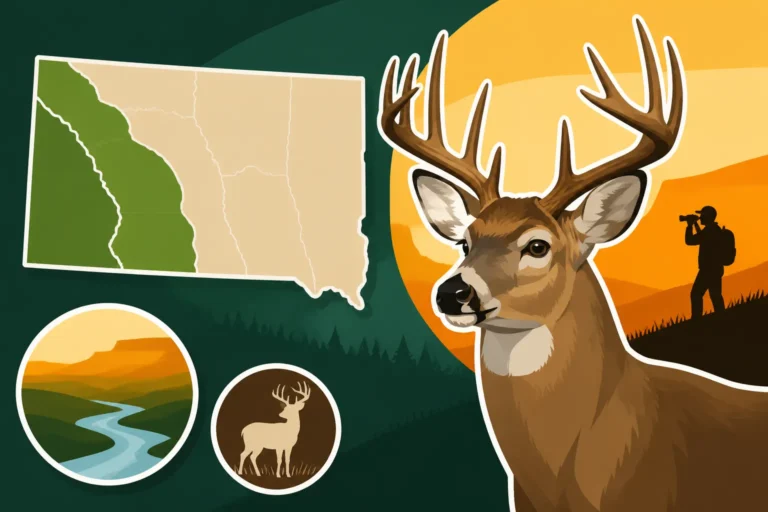
The Coteau des Prairies isn't just another stretch of flat farmland; it's a geological marvel, a plateau carved and shaped by ancient glaciers. This unique history has left behind a landscape unlike much of the surrounding prairie. You'll find a mosaic of rolling hills, deep coulees, vast expanses of native grasslands, and most distinctively, thousands upon thousands of prairie potholes. These potholes, remnants of the last ice age, are shallow wetlands that dot the landscape, creating an incredible habitat for a variety of wildlife.
Imagine driving through gentle swells, suddenly dropping into a low area teeming with cattails and reeds, then ascending another rise to overlook a patchwork of cornfields and CRP (Conservation Reserve Program) ground. This varied topography creates microclimates and diverse cover that allows multiple game species to thrive in close proximity. The "Coteau" itself acts as a kind of wildlife magnet, providing everything from nesting cover and food sources to winter thermal protection and migratory stopovers.
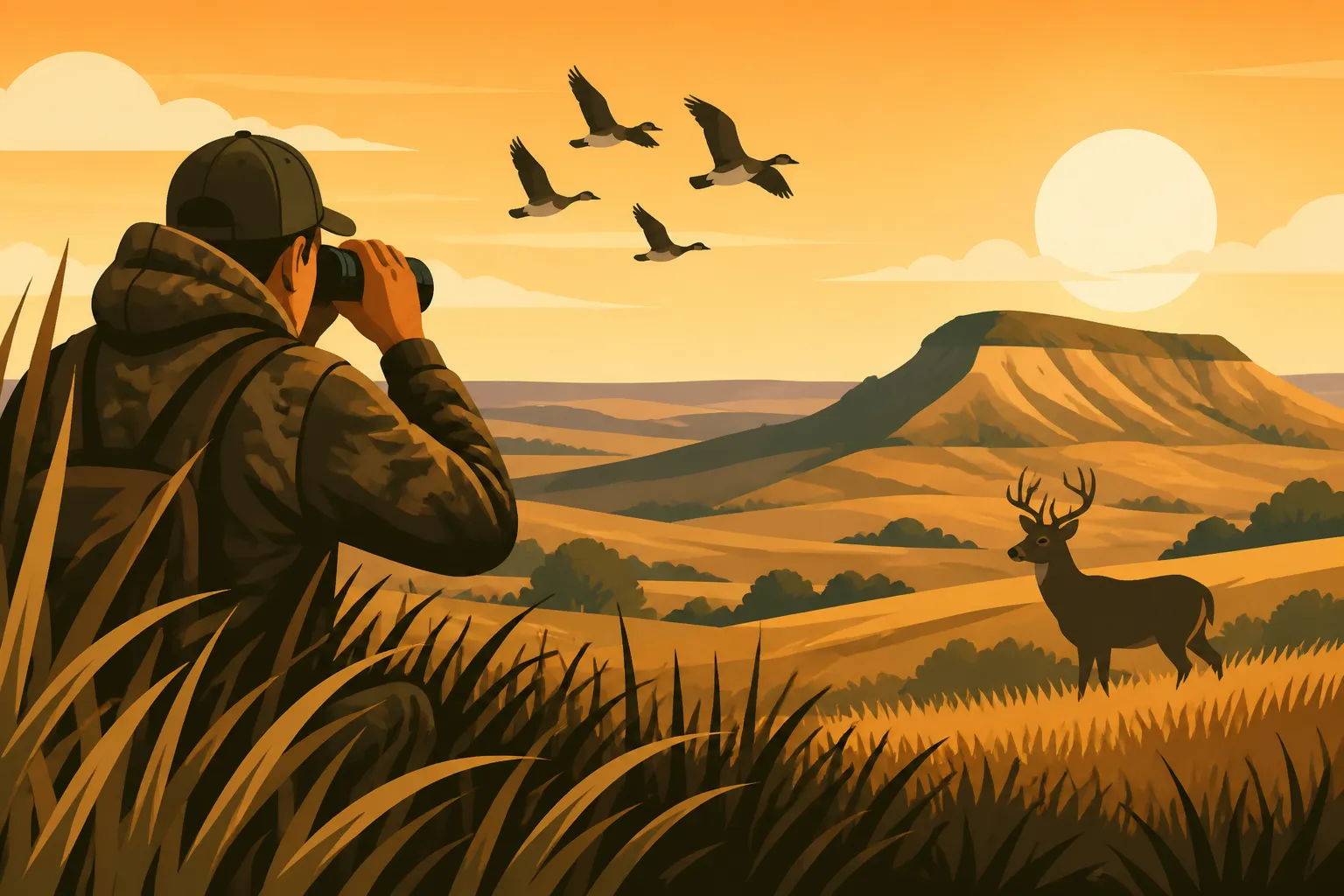
The sheer density of wetlands in certain areas of the Coteau is what truly sets it apart, making it a waterfowl paradise while also providing crucial water sources and escape cover for upland birds and deer. It’s a place where you can glass a small pothole for ducks in the morning, then transition to walking a cattail slough for pheasants, and perhaps even spot a deer working a field edge in the evening. This natural diversity can be both exhilarating and a bit overwhelming if you’re not familiar with how to break it down.
A Tapestry of Game: What You Can Hunt on the Coteau
The ecological richness of the Coteau des Prairies translates directly into a wide array of hunting opportunities. While pheasants are undoubtedly a major draw, they are far from the only game in town. Understanding the habits of the different species in this specific landscape is key to a successful and rewarding hunt.
Pheasants Thrive in Diverse Cover
It's no secret that South Dakota is synonymous with pheasant hunting, and the Coteau des Prairies often holds some of the highest densities of these colorful birds. The rolling hills, combined with the proliferation of cattail sloughs, switchgrass, and diverse agricultural fields, create a perfect storm for pheasant habitat. Unlike flatter areas where birds might have fewer options, the Coteau offers an endless supply of escape routes and winter cover.
When you're walking a shelterbelt or a strip of CRP on the Coteau, don't be surprised if birds flush from unexpected places. The terrain provides natural contours that can hold pheasants tightly, especially on windy days. Cattail sloughs are absolute magnets for roosters, particularly as the season progresses and temperatures drop. Pushing these thick covers requires a strategic approach, often involving blockers positioned at the ends to prevent birds from simply running out the back. Pushing a Cattail Slough With Blockers is a technique that shines here. You'll find birds hunkered down deep, relying on the dense vegetation for protection. These can be some of the most challenging, yet rewarding, flushes.
Waterfowl Haven: Ducks and Geese Galore
The true unsung hero of the Coteau des Prairies for many hunters is its unparalleled waterfowl hunting. With its thousands of glacial potholes, this region is a critical breeding ground for ducks and a major stopover point on the Central Flyway. From early season mallards and teal to late-season divers, the Coteau offers a duck hunter's dream scenario.
Smaller potholes can be incredibly productive for jump shooting or setting up a compact decoy spread, especially on calmer mornings. Later in the season, larger wetlands and small lakes become key staging areas. Geese, particularly Canada geese, are also abundant. They will often feed in cut grain fields and then loaf on the numerous water bodies. Scouting is absolutely critical for waterfowl here. You'll want to spend time observing flight paths and feeding patterns to pinpoint where birds are concentrating. Laying out a spread in a cut cornfield near a pothole can be deadly for geese. Field Hunting Geese in South Dakota Cut Corn is a tactic that can pay off handsomely in this region. Remember to check local regulations for specific zones and bag limits, as they can vary.
Deer Hunting: Whitetails and the Occasional Mule Deer
While the Coteau des Prairies might not have the rugged mountains of the Black Hills or the expansive breaks of West River for mule deer, it offers excellent opportunities for both white-tailed deer and, in some western fringes, a chance at a mule deer. The diverse cover, from dense tree lines along streams and rivers to large tracts of native grass and cattail sloughs, provides ideal habitat for deer.
Whitetails are prevalent throughout the Coteau, often found in timbered river bottoms, thick shelterbelts, and even tucked into the deep draws of the rolling hills. Hunting tactics often involve understanding their movement patterns between bedding areas in dense cover and feeding grounds in agricultural fields. Setting up a ground blind along a creek bottom or a treestand overlooking a pinch point between two different cover types can be effective. Hunting Whitetails in South Dakota's Missouri River Timber tactics can be adapted for the larger river systems and even larger creek drainages within the Coteau, as deer use similar cover patterns. Early archery seasons are fantastic, but rifle season brings its own excitement, especially when bucks are actively cruising during the rut.
Predators and Small Game
Beyond the big three of pheasants, waterfowl, and deer, the Coteau des Prairies also offers fantastic predator hunting opportunities for coyotes and foxes. The open country, broken up by cover, provides ideal calling setups. On a crisp winter day with fresh snow, pursuing predators can be an exciting challenge. Winter Predator Hunting on Snow is particularly effective in the Coteau, as tracks become easy to read and animals stand out against the white backdrop. Small game like cottontail rabbits are also abundant, offering a fun hunt, especially for new hunters or a chance to sharpen your skills between larger pursuits.
Navigating Access and Public Lands in the Coteau
One of the biggest hurdles for any hunter, especially non-residents or those new to a region, is figuring out where you can actually hunt. South Dakota has a fantastic system of public access, and the Coteau des Prairies benefits greatly from it. However, it requires a bit of savvy and good tools to maximize your opportunities.
Leveraging Walk-In Areas (WIAs) and Game Production Areas (GPAs)
The backbone of public access in the Coteau des Prairies, especially for pheasant and waterfowl hunters, is the vast network of Walk-In Areas (WIAs) and Game Production Areas (GPAs). WIAs are private lands leased by the state, specifically for public hunting access, typically for foot traffic only. These tracts are marked with distinctive yellow signs, and they open up thousands of acres that would otherwise be inaccessible. You'll find WIAs scattered throughout the Coteau, often strategically located to provide excellent pheasant and waterfowl habitat. The beauty of WIAs is their sheer quantity and the fact that they're generally well-maintained for wildlife.
GPAs are publicly owned lands managed specifically for wildlife habitat and public hunting. These often consist of larger tracts of grassland, wetlands, and some timber. They are permanent fixtures on the landscape and are critical for providing secure cover for game. Many GPAs in the Coteau are prime locations for pheasants, ducks, and deer. Utilizing the South Dakota Game, Fish and Parks (GFP) public hunting atlas, available both online and as a mobile app, is absolutely essential. This atlas clearly marks all WIAs and GPAs, allowing you to scout potential hunting spots from the comfort of your home. Scouting South Dakota Public Ground Before the Season is a strategy that should always start with this invaluable tool.
Digital Mapping Tools Are Your Best Friend
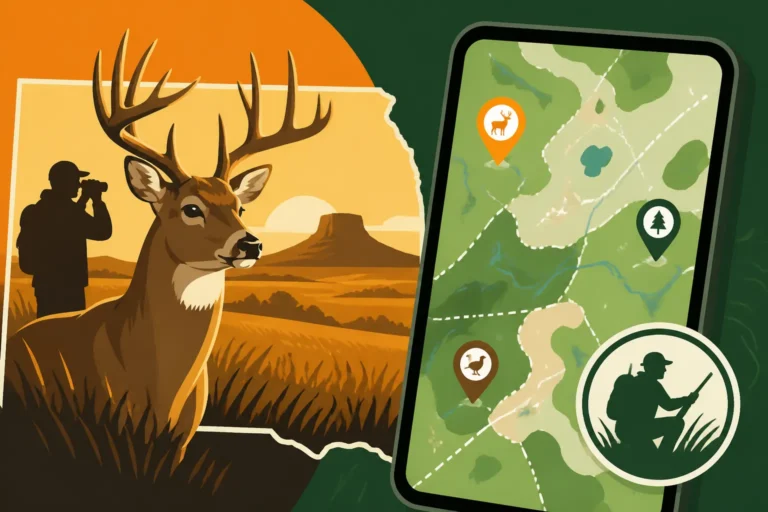
In a landscape as diverse and sometimes fragmented as the Coteau des Prairies, digital mapping tools like onX Hunt are truly indispensable. These apps allow you to see public and private land boundaries, landowner names, and satellite imagery all on your phone. This means you can confidently identify where public access begins and ends, avoiding any accidental trespass.
Imagine you're walking a phenomenal cattail slough on a WIA, and it extends into a piece of private ground. With onX Hunt, you can immediately see where that boundary lies, preventing you from crossing it unintentionally. This level of detail is a game-changer for navigating complex landscapes. It also helps you identify potential access points, parking areas, and even topographical features that might funnel game. Similarly, tools like GoHunt (while often focused on western big game draws) can sometimes provide insights into regional habitat quality or general trends that inform scouting efforts, especially if you're looking at deer opportunities in less common areas.
Navigating Road Right-of-Way and Section Lines
South Dakota also offers unique access via road right-of-way hunting. Generally, hunting in the unplowed portion of a road ditch is permissible along public roads unless specifically posted or within certain proximity to occupied dwellings. This can provide opportunities for pheasants that hold tight along road edges. However, understanding the nuances of these regulations is crucial. Always check the current South Dakota hunting handbook for specific distances and rules to ensure you're hunting legally and ethically.
Additionally, section lines, which are essentially invisible property lines running north-south and east-west, often have implied public access in South Dakota, even if the land on either side is private. This can be complex, and it’s generally best to stick to clearly marked public land or gain explicit landowner permission. For peace of mind and to avoid any potential issues, focusing on designated WIAs and GPAs, with the help of onX Hunt, is often the most straightforward approach.
Here's a quick comparison of key public land types you'll encounter:
| Public Land Type | Ownership | Primary Use | Access Rules | Key Benefits |
|---|---|---|---|---|
| Walk-In Areas (WIAs) | Private (Leased) | General Hunting (Pheasant, Deer, Waterfowl) | Foot traffic only, designated parking | Vast network, often prime habitat, good for upland birds |
| Game Production Areas (GPAs) | State | Wildlife Habitat & Public Hunting | Varies (foot, some vehicle) | Permanent habitat, diverse game, critical for winter cover |
| Waterfowl Production Areas (WPAs) | Federal | Waterfowl Habitat | Foot traffic only | Excellent for ducks/geese, often near WIAs for combination hunts |
| National Grasslands | Federal | Multi-Use (Grazing, Hunting) | Varies (foot, vehicle on established roads) | Larger tracts, good for deer, prairie grouse (less common in Coteau heartland) |
Planning Your Coteau des Prairies Hunting Trip
A successful hunt on the Coteau des Prairies requires more than just knowing where to go; it demands thoughtful planning around timing, gear, and local conditions. The weather can change rapidly, and the terrain, while beautiful, can be physically demanding.
Timing Your Hunt for Optimal Success
The Coteau truly shines from the pheasant opener in late October through the late season in December. Early season offers more moderate weather and often higher bird numbers across a wider range of cover. However, as the season progresses and crops are harvested, birds tend to concentrate in heavier thermal cover like cattail sloughs and dense tree lines. This is when the hunting can become truly spectacular, albeit more challenging. Late-Season Hunting in South Dakota Snow can be incredibly productive for pheasants, as birds are forced into more predictable areas and their tracks are easy to spot.
For waterfowl, early to mid-fall is prime for local birds and early migrants. As cold fronts push down from the north, new waves of ducks and geese arrive, often staying until the shallow potholes begin to freeze solid. Deer hunters will find excellent opportunities during the various archery and firearm seasons, with the rut in early to mid-November being a particularly exciting time to be in the woods or shelterbelts. How Buck Movement Changes Through the Rut is something every deer hunter should study for this region.
Essential Gear for the Coteau Landscape
Given the varied terrain and potential for rapidly changing weather, your gear selection is paramount. For pheasant hunting, sturdy, waterproof boots are non-negotiable, especially if you plan on wading through wetlands or dense, dew-laden grass. Briar-proof pants or chaps are also a wise investment to protect against thorns and sharp stubble. A good vest with plenty of shell loops and a large game pouch is essential. Don't forget layers for fluctuating temperatures, as mornings can be brisk and afternoons surprisingly warm, even in late fall.
For waterfowl, waders are a must, along with warm, waterproof outerwear. Decoys, whether a small bag of floaters for potholes or a full spread of field decoys for geese, will greatly increase your chances. For deer hunting, reliable optics – binoculars and a rangefinder – are key, especially in the more open country where spotting deer at a distance is common. A comfortable backpack to carry your essentials, from extra water to a field dressing kit, is always a good idea. Layering for South Dakota Wind is an important consideration, regardless of the species you're pursuing, as the prairie wind can cut right through inadequate clothing.
Respecting the Land and Other Hunters
Hunting in the Coteau, especially on public lands, means you’ll often be sharing the experience with other hunters. Courtesy and respect go a long way. If you see another hunting party working a WIA, give them space. Communicate if necessary, and always be aware of your surroundings and shooting lanes, especially during bird drives. Pheasant Hunting Etiquette on Public Ground is a topic that can never be overemphasized. Parking your vehicle in a way that doesn't block access or make it obvious where you're headed can help manage pressure. And of course, always pack out everything you pack in, leaving the land better than you found it. The future of hunting access depends on all of us being responsible stewards.
Disclaimer
This article is for general informational purposes only and does not constitute professional advice. Laws, prices and regulations vary by location and change over time. Consult a qualified professional for guidance on your specific situation.