What a Guide Does During a Bird Drive
You've booked a guided pheasant hunt in South Dakota, maybe for the first time, and you're wondering, "What exactly does the guide do during a bird drive?" It's a fair question. Many people imagine a guide simply points at birds or handles the dogs, but the reality is far more intricate and demanding. A good guide isn't just a facilitator; they are the strategic mastermind, the field general, and the real-time problem-solver who orchestrates every movement to maximize your chances of success and, most importantly, ensure everyone's safety.
The Pre-Drive Preparations: Laying the Groundwork for Success
Long before you even step foot in the field, a seasoned guide is already working to make your bird drive successful. Their job starts well before sunrise, and often, months before the hunting season even begins. This foundational work is what separates a truly exceptional guided experience from a mediocre one.
Scouting and Strategy on the Ground
A guide's intimate knowledge of the local landscape is their most powerful tool. They spend countless hours throughout the year, not just during hunting season, scouting the terrain. This isn't just about looking for birds; it's about understanding the subtle nuances of the land. They know which cattail sloughs consistently hold birds, which shelterbelts offer ideal escape cover, and where the pheasants prefer to roost or feed based on the weather and time of year. They've likely walked these fields and seen how birds react to different wind directions, how they use elevation changes, and where they typically run versus flush.
For instance, they might have noticed that a particular CRP field consistently holds birds on its north end because of a thick plum brush patch that offers superior winter cover. They'll know which corn stubble fields are being actively hunted versus those that are quieter, meaning more birds. A great guide understands the intricate dance between weather, habitat, and bird behavior, and this understanding directly informs their strategy for each drive. This kind of nuanced understanding comes from years of Scouting South Dakota Public Ground Before the Season and observing game patterns.
Briefing the Hunting Party
Once everyone is gathered, perhaps over coffee and biscuits at the lodge, the guide delivers the day's game plan. This isn't just a casual chat; it's a critical safety briefing and tactical overview. They'll outline the specific field or cover type you'll be hunting, explaining its unique features – where the heavy cover is, potential obstacles, and the general direction of the drive. More importantly, they'll emphasize safety protocols: muzzle discipline, safe shooting lanes, and the importance of knowing where every member of the party, including the dogs, is at all times.
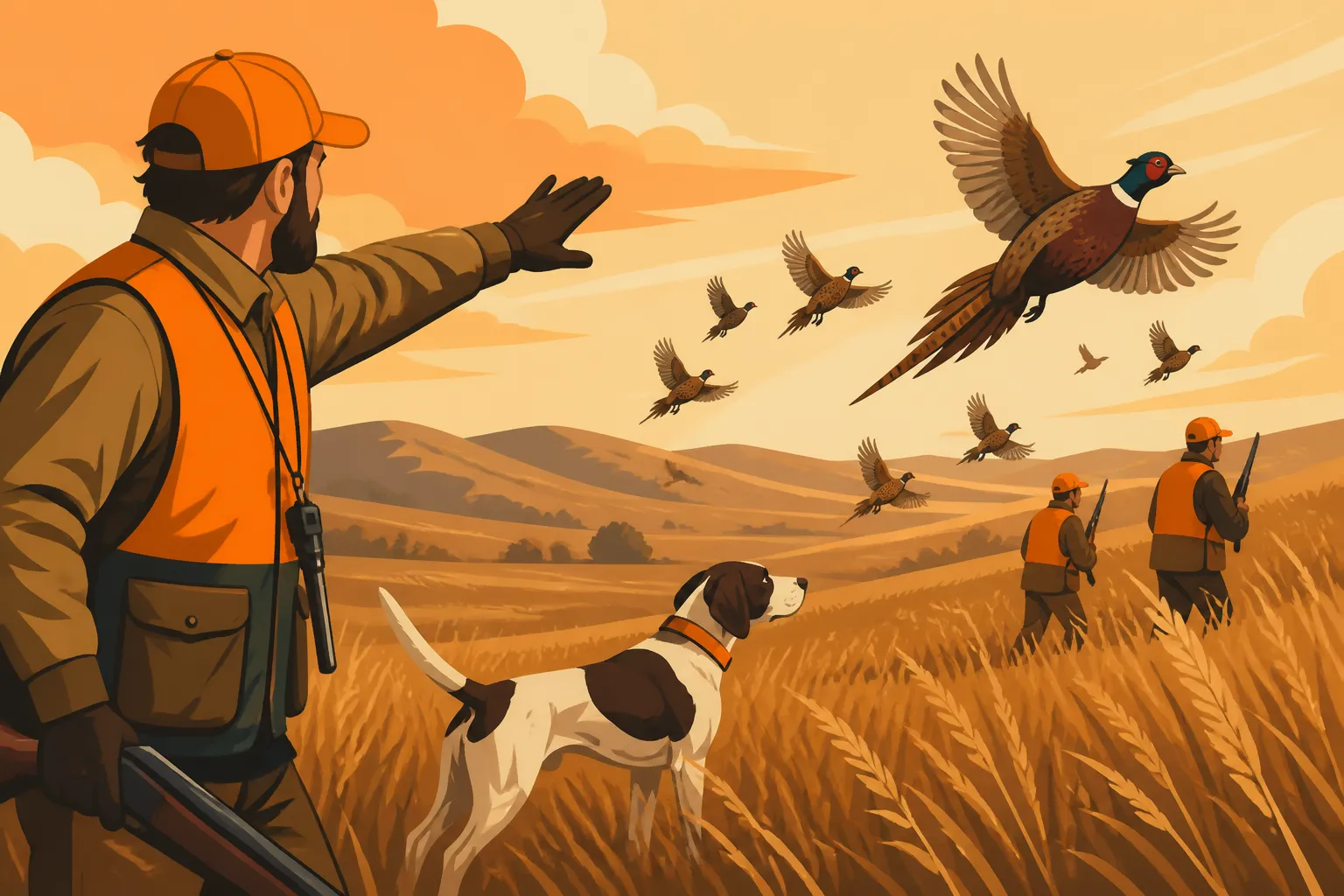
They will assign roles, identifying who will be "walkers" pushing through the cover and who will be "blockers" positioned at strategic escape points. They'll set expectations for the pace of the walk and how to communicate effectively in the field, whether through hand signals, whistles, or simply yelling "Bird!" or "Rooster!" when a flush occurs. This briefing ensures everyone is on the same page, understands their role, and knows the critical rules to ensure a safe and productive hunt, covering things like South Dakota Pheasant Shooting Hours and bag limits.
Positioning Blockers and Walkers
This is where the guide's tactical genius really shines. Based on their pre-drive scouting and the current conditions like wind direction and known bird escape routes, they will meticulously position each hunter. Blockers are placed to intercept birds that try to run out the end or sides of the cover, often at corners of fields or along tree lines. They need to be far enough away not to "blow out" the birds prematurely, but close enough to get shooting opportunities. Walkers, on the other hand, are spread out in a line, often with dogs working between them, to systematically push the cover.
Consider a large cattail slough: the guide might place two or three strong blockers at the far end, knowing that pheasants will often run through the dense cover before flushing. Meanwhile, the walking line will be spread perhaps 30-40 yards apart, depending on the thickness of the cover, moving uniformly. This strategic placement ensures that as many birds as possible are funneled towards the blockers or flushed within range of the walking line, preventing birds from simply slipping out unnoticed. Knowing the Access Routes That Do Not Blow Out Birds is paramount for effective blocking.
Executing the Drive: Guiding the Action in Real-Time
Once the initial plan is in place and hunters are positioned, the real-time management of the drive begins. This is where the guide is constantly observing, adjusting, and communicating to keep the hunt moving effectively and safely.
Leading the Walkers and Controlling the Pace
The guide, often positioned in the middle or at one end of the walking line, dictates the pace of the drive. This might sound simple, but it's crucial. Walking too fast can push birds out ahead of the blockers or cause them to flush prematurely out of range. Walking too slow might allow birds to sneak back through the line or simply run ahead and hold tightly, only to flush behind the group once they pass. The guide needs to maintain a consistent, effective speed that encourages birds to flush within range or move towards the blockers.
They are constantly reading the cover, the wind, and anticipating where birds might be holding. In dense cover, like a thick stand of cattails or switchgrass, the pace will be slower and more deliberate, allowing dogs to work thoroughly. In lighter cover, they might pick up the pace to keep birds moving. This constant adjustment is a hallmark of a skilled guide orchestrating Walking and Blocking South Dakota Cattail Sloughs. They also know how birds behave when working through Hunting Food Plots and Corn Edges, adjusting their strategy accordingly.
Managing Dog Performance
Whether it's their own seasoned pointers or flushers, or client dogs working alongside, the guide has a critical role in managing the canine contingent. They ensure the dogs are working effectively, covering ground thoroughly, and remaining safe. This means watching for signs of fatigue, especially on warmer days, ensuring dogs are hydrated, and checking for burrs or injuries that are common on the prairie. They are constantly reading the dogs' body language – a sudden head snap, a change in tail wag, or intense sniffing could signal a hot scent and an imminent flush.
The guide directs the dogs, perhaps with whistles or voice commands, to cover specific areas of thick cover, ensuring no birds are missed. After a shot, they often direct the retrieve, ensuring that downed birds are quickly found, especially important for minimizing cripples and ensuring ethical harvest. Understanding the dynamics of Pointing Dogs Versus Flushers on Wild Birds is key to maximizing dog effectiveness.
Real-Time Adjustments and Problem Solving
No two bird drives are ever the same, and the guide is always ready to adapt. The wind might shift, a covey of birds might run unexpectedly to the side, or a group might get hung up in an exceptionally thick patch of cover. It's the guide's job to recognize these changes and make immediate, effective adjustments to the plan. This might involve repositioning blockers on the fly, adjusting the walking line to push a particular pocket of birds, or even changing direction entirely.
For example, if several birds are observed running far ahead instead of flushing, the guide might call for a temporary halt, allowing the blockers to move further ahead or spread out. If the group encounters a large number of birds holding tight in extremely heavy cover, common with Late-Season South Dakota Pheasants in Heavy Cover, the guide might suggest a slower, more methodical approach, perhaps even encircling a small area to ensure those birds are pushed out. They might also share insights into Why Birds Run Instead of Flush to help hunters understand the tactical choices. Their experience allows them to make these decisions swiftly, often communicating with subtle signals or quick commands, to keep the hunt flowing productively and safely.
Post-Drive Responsibilities: Ensuring a Smooth Experience
A guide's job doesn't end when the shooting stops. There's a host of post-drive duties that contribute significantly to the overall quality and enjoyment of your South Dakota hunting adventure.
Bird Handling and Ethical Practices
After a successful drive, the guide ensures that all harvested birds are collected, handled ethically, and properly tagged. This includes meticulous searching for any downed birds, even those that might have sailed a distance. They understand the importance of respecting the game and ensuring a clean, quick recovery. Many guides will assist with or even handle the initial field dressing or cleaning of birds, preparing them for transport or storage. They will also ensure that all hunters understand and comply with South Dakota's tagging and possession limits, which is vital for legal transport.
Often, they have facilities or partnerships for processing and packaging birds for the journey home, making sure your hard-earned pheasants are cared for properly. This extends to understanding how to handle game effectively, especially after a successful harvest, often including advice on Field Dressing in Warm October Weather.
Debriefing and Planning the Next Steps
Once the adrenaline of the drive subsides, guides often engage in a brief debriefing session with the hunters. This is a chance to review the drive, discuss successes, and learn from any challenges. It's also an opportunity to assess the group's energy levels and discuss the plan for the next drive or the remainder of the day. Based on the bird behavior observed in the previous drive, the guide might adjust strategies for upcoming fields, selecting different cover types or modifying the approach.
This collaborative discussion ensures that the hunting plan remains dynamic and responsive to real-time conditions. It's also a time for camaraderie, sharing stories, and bonding over the shared experience of a successful hunt.
Logistics and Client Care
The logistical side of a guided hunt, while often unseen, is a major part of a guide's responsibility. This includes making sure vehicles are positioned correctly for the next field, ensuring all gear is transported safely, and that hunters have access to water, snacks, or other refreshments throughout the day. They might check on hunters' comfort, ensuring everyone is warm enough, hydrated, or has what they need for the next leg of the hunt.
Beyond the actual hunting, a good guide acts as a host and facilitator for the entire experience. They are there to answer questions, share local insights, and generally ensure that your time in South Dakota is as enjoyable and stress-free as possible. This also includes navigating important details like Tipping Guides and Dog Handlers in South Dakota so you feel prepared and confident throughout your trip.
The Value of a South Dakota Bird Hunting Guide
The cumulative effect of a guide's comprehensive efforts cannot be overstated. For many, a guide transforms a potentially frustrating or confusing hunt into a streamlined, successful, and deeply satisfying adventure.
Unlocking Local Knowledge and Access
One of the greatest benefits of hiring a guide in South Dakota is gaining access to their invaluable local knowledge and private land access. While there are plenty of excellent public lands, like the extensive South Dakota Walk-In Areas Explained, a guide often has established relationships with landowners, securing exclusive access to prime pheasant habitat that might otherwise be off-limits. This access often includes highly productive fields, diverse cover types, and areas that experience less hunting pressure, significantly increasing your chances of success.
Guides know where the birds are, what they're doing, and how best to approach them, information that would take years for an outsider to acquire. When you book through platforms like BookYourHunt, you're tapping into a network of these experienced professionals who have already done the legwork, connecting you directly with reputable outfitters and their well-scouted territories.
Enhancing Safety and Enjoyment
Ultimately, a guide's primary role is to ensure a safe and enjoyable experience for everyone involved. Their constant vigilance, clear communication, and adherence to safety protocols minimize risks in the field. By handling all the complex logistics and tactical decisions, they free you, the hunter, to fully immerse yourself in the thrill of the hunt. You can focus on walking the cover, working with the dogs, and anticipating the flush, rather than worrying about navigation, trespass lines, or where the next birds might come from.
This reduces stress, streamlines the entire process, and allows you to truly appreciate the unique beauty and excitement of pheasant hunting in South Dakota. Their expertise and dedication turn a good hunting trip into an unforgettable experience, allowing you to return home not just with birds, but with incredible memories and a deeper appreciation for the sport.
Disclaimer
This article is for general informational purposes only and does not constitute professional advice. Laws, prices and regulations vary by location and change over time. Consult a qualified professional for guidance on your specific situation.