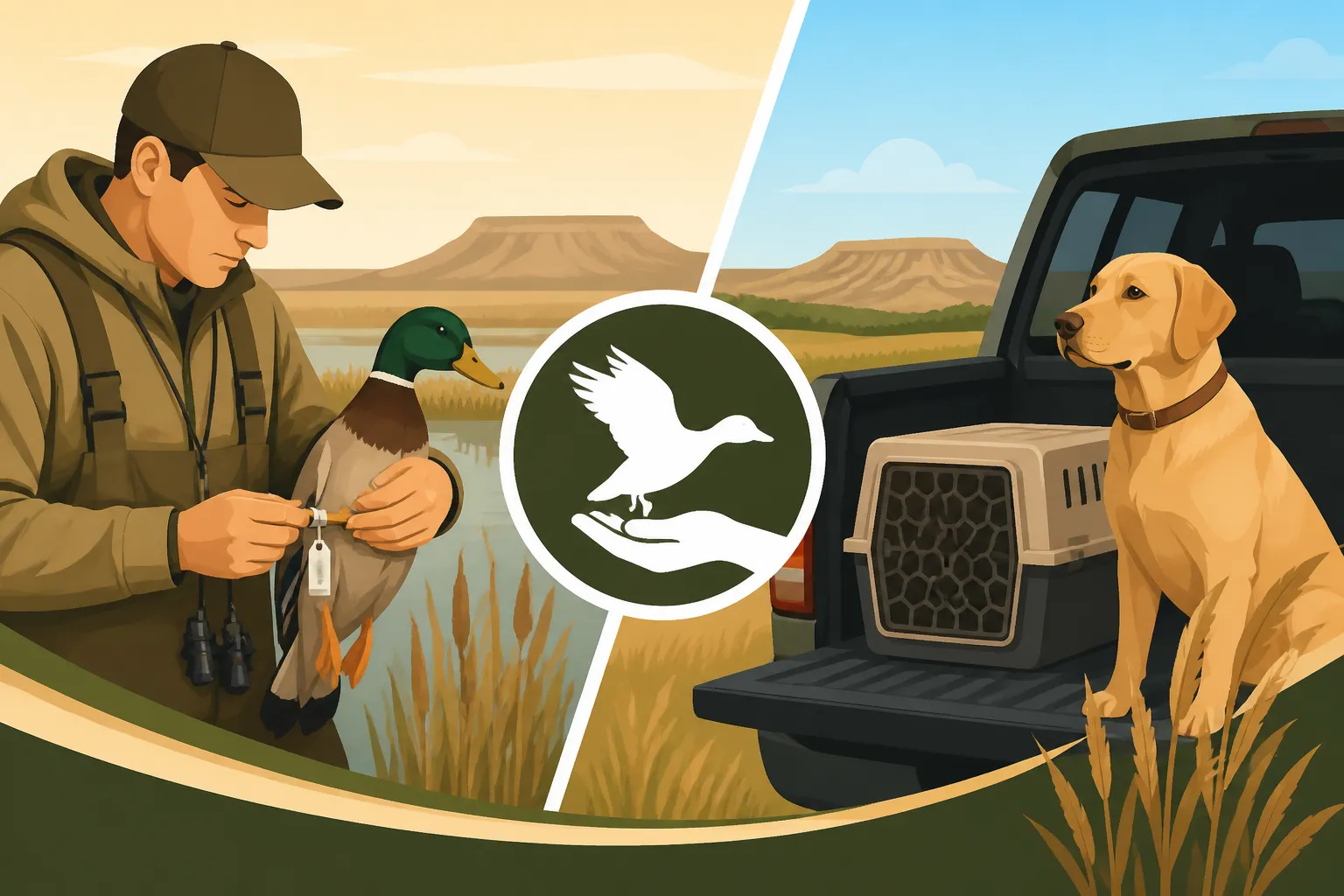
Tagging and Transporting Birds Legally
It's incredibly frustrating when you've had a fantastic hunt, filled your limits with beautiful South Dakota pheasants or a mixed bag of waterfowl, only to suddenly feel a knot in your stomach about whether you're transporting them legally. The rules around tagging, possession, and transport of game birds can feel like a tangled mess, especially when you're a nonresident or hunting with a group. This comprehensive guide is here to untangle that knot, walking you through the South Dakota and federal regulations so you can focus on the joy of the hunt and the memories made, not the anxiety of a roadside check.
Decoding South Dakota's Bird Tagging Nuances
When you're out in the field, whether you've just dropped a magnificent rooster in a cattail slough or picked up a limit of mallards from a prairie pothole, the immediate thought often shifts to "what do I do now?" The good news is that for most game birds in South Dakota, the "tagging" process isn't as complicated as it is for big game animals where a physical paper tag is immediately affixed. However, that doesn't mean there aren't crucial rules you absolutely must follow to stay on the right side of the law.
Understanding "Identifiable" and "Possession"
South Dakota law requires that all harvested game birds remain "readily identifiable" to their species and, in some cases, sex, until they reach your permanent residence or a commercial processing facility. This means you can't just breast out all your birds in the field and throw them in a cooler, hoping for the best. The game warden needs to be able to tell what kind of bird it is, and importantly, how many of each species you have. This directly relates to the daily bag limits and the broader South Dakota Pheasant Daily Bag Limit regulations. It's not about being difficult; it's about ensuring fair chase and preventing overharvesting of specific species.
For instance, if you're hunting a mix of pheasants, grouse, and partridge, it's essential that each bird retains enough distinguishing features – usually a fully feathered wing or head – for easy identification. This is particularly important when you have a mixed bag and different limits for each species. While you might be eager to clean your birds right away, always double-check the specific requirements for each species you pursue. It’s always safer to err on the side of caution and leave more identifying parts attached until you’re ready for final processing.
Special Rules for Pheasants and Sex Identification
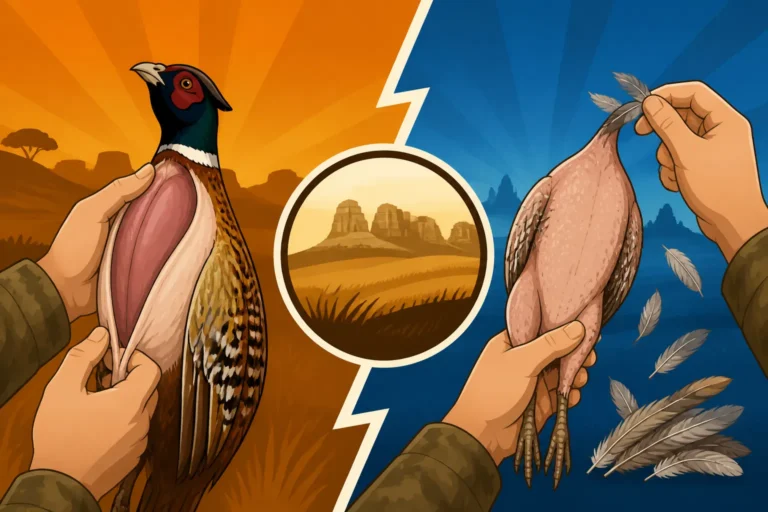
Ah, the mighty South Dakota pheasant. These birds have a specific rule that often catches hunters, especially those new to the state, off guard. For pheasants, at least one leg, complete with a foot, or one fully feathered wing, must remain attached to the bird until it reaches your permanent residence or a commercial processor. This isn't just about species identification; it's also about sex identification. Only male pheasants (roosters) can be harvested during the regular season, and that foot or wing helps wildlife officials confirm that you've only taken roosters.
Imagine you're driving home after an incredible day of South Dakota Pheasant Hunting Tactics for the Opener, with a cooler full of birds. If you've breasted them all out and removed all identifying features, a game warden can't confirm they're all roosters. This small detail is a critical component of conservation and ensures the hen population is protected for future breeding. So, when you're Cleaning Pheasants in the Field, remember to leave that one leg or wing attached. It might seem like a minor inconvenience, but it's a non-negotiable step to comply with regulations.
When to Actually "Tag" Your Birds
Unlike big game, where a physical tag is immediately required upon harvest, game birds in South Dakota generally don't require a physical tag unless you are transferring possession to another person. This is a key distinction. If the birds remain in your direct possession – meaning they are in your cooler, your vehicle, or your freezer at your home – no physical tag is needed, provided they are identifiable as discussed above.
However, if you give a bird to a friend, a family member, or anyone else, that bird must be accompanied by a tag or statement containing specific information. This includes your name, address, hunting license number, the date of harvest, and the species and quantity of the birds. This ensures a clear chain of custody and prevents someone from possessing more than their legal South Dakota Pheasant Possession Limit by claiming they received extra birds from others. Even if you're just sharing a meal from your harvest with a neighbor, the portion of the bird you're providing needs to have this accompanying information until it reaches their residence. It's a simple, yet vital, step to prevent misunderstandings and potential violations.
Navigating In-State Transport Regulations
Once your birds are legally harvested and you've understood the basic identification rules, the next hurdle is safely and legally getting them from the field to your home or a processing facility within South Dakota. This process, while seemingly straightforward, still has important considerations, especially when it comes to group hunts or processed game.
Keeping Species and Quantity Clear
When transporting your harvest, especially after a successful group hunt, it's absolutely paramount that each hunter's birds are clearly separated and identifiable. This is where individual responsibility comes into play. If you're on a Waterfowl Hunting the South Dakota Prairie trip with friends and everyone contributes to a shared cooler, it becomes incredibly difficult to determine who shot what, and whether individual bag limits have been met.
The best practice is for each hunter to keep their daily limit separate and marked, even if it's just in different bags within the same cooler. This way, if a game warden stops your vehicle, you can easily account for your birds, ensuring you haven't exceeded your personal limits and that each bird meets the "identifiable" standard. For instance, if the limit for pheasants is three roosters, you should only have three in your possession at the end of the day, unless you are legitimately transporting birds that belong to another licensed hunter (which we'll discuss next). Confusion in the field can lead to serious headaches down the road, and wardens often encounter groups where separating individual harvests simply wasn't a priority, making their job—and yours—much harder.
Processing Birds for Travel Within South Dakota
While we touched on the initial field dressing earlier, there's more to consider when you're preparing birds for longer travel within the state. You can, of course, fully process your birds (breast them out, pluck them, etc.) after they reach your permanent residence or a commercial processing facility. The key here is the "permanent residence" part. For many nonresidents, this means back home, outside of South Dakota. For residents, it means your actual home address.
Until that point, the "one leg/foot/wing attached" rule for pheasants and the "readily identifiable" rule for other birds remain in effect. If you're staying in a hotel or cabin, that usually isn't considered your "permanent residence." If you decide to process birds at a temporary lodging site, you need to ensure that the removed parts, particularly the identifying ones for pheasants, are disposed of properly and not left in a way that could cause confusion. For most hunters, the safest bet is to do minimal processing in the field to preserve the identifying features, get them cooled, and then perform the more extensive processing once you're back home. This also ties into keeping your meat fresh, as proper chilling is crucial for "Keeping Birds Cool in a Warm Truck."
Transporting Birds for Others
This is where it gets tricky and often leads to violations if not handled correctly. You can transport legally taken game birds for another hunter in South Dakota, but there are strict requirements. The birds must be accompanied by a written statement from the hunter who harvested them. This statement must include the hunter's name, address, hunting license number, the total number and species of birds being transported, and the date the birds were taken. Without this written statement, those birds are considered to be in your possession, and if they exceed your personal bag or possession limits, you could face significant penalties under South Dakota Wildlife Violation Penalties.
It's not enough for your buddy to just tell the warden, "Oh, those are my birds." The law requires documented proof. So, if you're the designated driver for your group's harvest, make sure every bird not legally yours has a proper tag or written statement. Using a reliable app like GoHunt to quickly look up regulations or even prepare a templated statement on your phone can save a lot of grief. This rule exists to prevent hunters from circumventing bag limits by pooling their birds under one person without proper documentation, which can be tempting after a truly epic day of hunting.
Interstate and Federal Transport Guidelines
For many hunters, especially those traveling to South Dakota for a destination hunt, the ultimate goal is to get their hard-earned birds home, across state lines. This introduces a whole new layer of regulations, as federal law, specifically the Migratory Bird Treaty Act, comes into play, along with the specific laws of your home state. Ignoring these rules can lead to serious federal charges, not just state ones.
The Migratory Bird Treaty Act and What It Means
The Migratory Bird Treaty Act (MBTA) is a federal law that protects migratory bird species. While most upland birds like pheasants aren't covered by the MBTA, species like ducks, geese, doves, and snipes absolutely are. For migratory birds, the MBTA requires that "one fully feathered wing or the head" remains attached to the bird until it reaches your permanent residence. This is stricter than South Dakota's general "readily identifiable" rule for all birds and ensures that federal agents can identify the species. This is crucial for distinguishing between species with different bag limits, such as a mallard versus a pintail.
Furthermore, if you are transporting migratory birds for someone else, the package or container must be clearly labeled with the names and addresses of all hunters whose birds are contained within, and the number and species of each hunter's birds. This federal requirement is in addition to any state requirements for transferring possession. Always remember that federal laws apply to migratory birds no matter which state you are in, and they generally override or add to state regulations. Understanding this is vital for any hunter enjoying Waterfowl Hunting the South Dakota Prairie.
Packaging Your Harvest for Out-of-State Travel
Proper packaging is not just about keeping your meat fresh; it's also about legal compliance and respect for the game. When transporting birds across state lines, especially if they are plucked or breasted out (after reaching your permanent residence in SD or before leaving your state of origin, depending on interpretation), each package containing game meat must be clearly labeled. This label should include your name, address, the species of game, and the date of harvest. This ensures that if your cooler is inspected at any point, the contents are transparent and verifiable.
For those planning a trip, consider investing in high-quality coolers and vacuum sealers. Not only will this preserve the quality of your meat, but it will also help with organization and labeling. When dealing with frozen birds, good insulation is key for the long haul. Remember that some states have specific import regulations, so it's always wise to check the wildlife agency website of your home state before you travel. What's perfectly legal in South Dakota might have different transport rules once you cross its border.
Air Travel Best Practices for Game Birds
Flying with firearms and game meat adds another layer of complexity. If you're flying out of Sioux Falls or Rapid City with your pheasant or duck harvest, you'll need to adhere to Transportation Security Administration (TSA) regulations, as well as those of your airline. Game meat must be frozen solid and packed in a leak-proof container (often a cooler). It's generally recommended to pack it as checked baggage. Always declare your firearms if you're flying with them, ensuring they are unloaded and in a locked hard-sided case.
For game birds, the same federal and state identification rules apply until you reach your final permanent residence. So, if you've breasted out your pheasants for ease of transport, ensure that one leg/foot/wing is still attached to each breast package until you get home. It sounds strange to have a small bone with a foot attached to a vacuum-sealed breast, but it's the safest way to comply. A quick check of your airline's specific policies on transporting game meat and coolers will prevent any last-minute surprises at the airport. Many hunters find that shipping their birds via a commercial shipping service (like FedEx or UPS, using their cold-chain services) is often less stressful than flying with them, though it usually costs more.
Essential Tips for Hassle-Free Bird Transport
Navigating the regulations for tagging and transporting birds can feel like a maze, but a little preparation and attention to detail can make all the difference. Beyond the letter of the law, there are practical steps you can take to ensure your hunt ends on a high note, free from legal worries.
Leveraging Technology for Regulation Clarity
In this digital age, there's no excuse for not knowing the rules. The South Dakota Game, Fish and Parks (GFP) website is an invaluable resource, offering their annual hunting handbooks and specific regulations for all species. Familiarize yourself with these publications before you even head to the field. Many hunters also swear by mapping applications like GoHunt, which can not only show you public and private land boundaries (crucial for knowing where you can hunt), but also often integrate links or information about current regulations, season dates, and even South Dakota Nonresident Licence Costs. This type of technology is incredibly useful for reviewing regulations on the fly or confirming specific rules about what you can possess or transport.
Before you leave home, consider downloading the relevant portions of the GFP handbook or even taking screenshots of key regulations on your phone. Cell service can be spotty in many parts of rural South Dakota, so having offline access to this information can be a real lifesaver if a question arises in the field or during transport. Being able to show a game warden the regulation you're following, rather than just stating it, can smooth over many potential misunderstandings.
Documenting Your Hunt and Harvest
Beyond the legally required tagging and identification, keeping good personal records of your hunt is an excellent practice. This could be a simple logbook in your hunting pack or even notes in an app. Record the date, location (general, not specific private land details), species, and quantity of birds harvested by each hunter in your group. This personal documentation serves as a backup, especially if you're ever questioned about the provenance of your game. It also helps you remember specifics when it comes time for Reporting a South Dakota Harvest, which is a legal requirement for certain species.
For group hunts, having a clear system from the start is paramount. Designate one person to manage the documentation or ensure each hunter is responsible for their own. This helps avoid exceeding collective or individual bag limits and makes the transport process much smoother. When it comes to something as simple as ensuring everyone has enough water and appropriate gear, like good Boots for Walking Cattails All Day, attention to detail always pays off in hunting, and it’s no different for legal compliance.
Communication is Key, Especially with Law Enforcement
If you are stopped by a game warden or any law enforcement officer, always be courteous, cooperative, and honest. They are generally there to ensure compliance and protect wildlife resources, and a positive interaction starts with a good attitude. Clearly explain what you're doing, where you're coming from, and openly present your license, identification, and your harvest if asked. Don't try to hide anything or be evasive.
If you're unsure about a specific regulation, it's better to admit that and ask for clarification rather than making assumptions. Most wardens appreciate honesty and a genuine effort to comply with the law. They're also an excellent resource for interpreting complex rules or providing context to situations you might not have encountered before. Remember, regulations like those outlined in the South Dakota Hunting Handbook Release are put in place for a reason, and understanding them is part of being a responsible hunter.
Quick Reference for Bird Transport
Here’s a simplified breakdown to help you keep things straight:
| Requirement | Pheasants (In-State) | Migratory Birds (In-State) | All Birds (Interstate/Federal) | Transport for Others (Any Bird) |
|---|---|---|---|---|
| Identification | 1 leg/foot or 1 feathered wing attached until residence. | Readily identifiable by species. (Federal: 1 feathered wing or head until residence). | Federal: 1 feathered wing or head for migratory birds; state rules for upland birds. | Must be identifiable by species and quantity. |
| "Tagging" Needed? | Only if transferring possession. | Only if transferring possession. | Only if transferring possession. | YES: Written statement with hunter details, species, date. |
| In Your Possession? | OK as long as identifiable. | OK as long as identifiable. | OK as long as identifiable. | No, unless accompanied by statement. |
| Processing | Full processing after permanent residence. | Full processing after permanent residence. | Full processing after permanent residence. | N/A |
| Packaging | Keep individual hunter's limits separate. | Keep individual hunter's limits separate. | Label all packages: hunter name, address, species, date. | N/A |
Disclaimer
The information provided in this guide is intended for general informational purposes only and does not constitute legal advice. Hunting regulations can change, and interpretations may vary. It is always the hunter's responsibility to consult the most current South Dakota Game, Fish and Parks regulations and federal guidelines before engaging in any hunting activities, including tagging and transporting game.