Pneumonia in South Dakota Bighorn Herds
It’s a heartbreaking reality for anyone who cares about wildlife, especially in a state known for its wild, open spaces and majestic animals: sometimes, disease strikes with a vengeance, threatening to wipe out years of dedicated conservation work. For South Dakota’s bighorn sheep, pneumonia has been that relentless adversary, turning promising reintroduction efforts into a constant struggle. This guide aims to pull back the curtain on this complex and often devastating issue, exploring what bighorn pneumonia is, how it impacts our cherished herds, and what’s being done to protect these incredible animals.
The Shadow of Pneumonia: Understanding the Threat to Bighorns
When we talk about bighorn pneumonia, we're not just discussing a simple cough or a mild respiratory infection. This is a severe, often fatal, illness that has plagued bighorn sheep populations across North America, and South Dakota's herds are unfortunately no stranger to its devastating effects. It’s a complex disease, and its presence casts a long shadow over the future of these magnificent animals.
What Exactly is Bighorn Pneumonia?
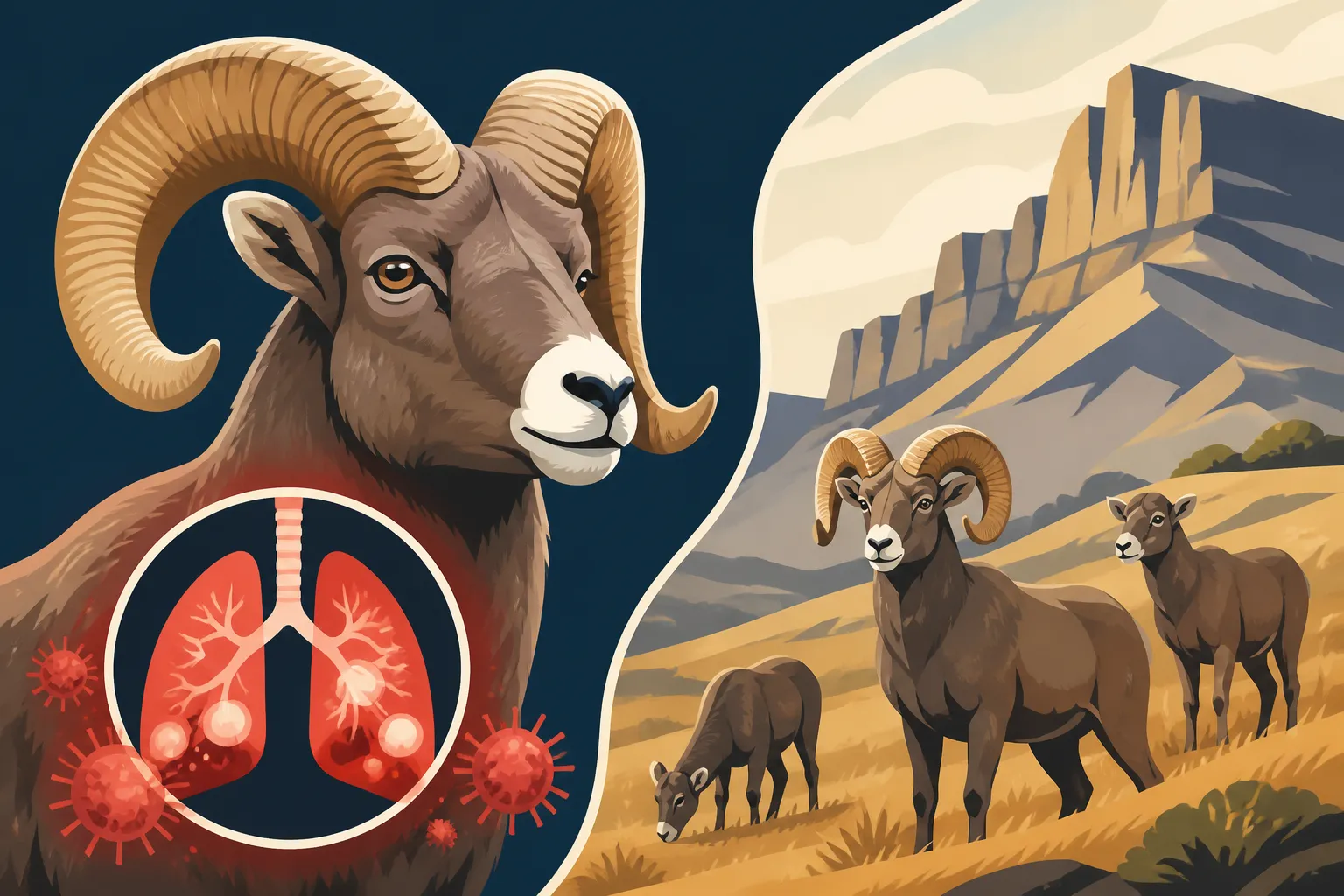
At its core, bighorn pneumonia is a severe respiratory disease, but it's crucial to understand it's rarely caused by a single bug. Often, it's a consortium of bacteria working together, with Mycoplasma ovipneumoniae, or M.ovi, typically acting as the primary instigator. This tiny bacterium sets the stage, weakening the bighorn's respiratory system and making it highly susceptible to secondary bacterial infections that lead to full-blown, often deadly, pneumonia. Imagine a healthy person getting a bad flu, but then that flu just opens the door for a much more aggressive, untreatable infection that settles deep in their lungs. That’s essentially what happens to bighorns.
The impact on individual animals is profound. Bighorns, especially lambs, can quickly become lethargic, develop nasal discharge, and cough heavily. Their lungs fill with fluid, making it incredibly difficult to breathe, and often, death follows rapidly. It's not a gentle decline; it’s a fight for air that too many bighorns tragically lose. It’s particularly cruel because these animals are so well-adapted to their rugged environments, only to be brought down by an unseen enemy.
Even for the bighorns that manage to survive an initial infection, the ordeal is far from over. They often become chronic carriers of M.ovi, meaning they can continue to shed the bacteria and infect other sheep for the rest of their lives, even if they appear healthy themselves. This silent transmission is one of the most frustrating aspects of managing the disease, as these seemingly healthy carriers can trigger new outbreaks in naive herds, creating a perpetual cycle of illness and loss.
The historical context of bighorn populations also plays a role in their susceptibility. Having been extirpated from many areas historically due to overhunting and habitat loss, reintroduced herds are often starting from smaller genetic pools, and any major disease event can have an outsized impact. The species, by nature, seems particularly vulnerable to this type of respiratory infection, making every single bighorn even more precious.
How the Disease Spreads and Why It's So Stubborn
The primary way bighorn pneumonia spreads is through direct nose-to-nose contact between infected and uninfected sheep. It's a respiratory disease, so aerosols and droplets exchanged during normal social interactions, grazing, or even rubbing against the same objects, can transmit the bacteria. This means that if just one infected animal enters a healthy herd, the potential for a rapid and widespread outbreak is extremely high, especially in the close-knit social structures that bighorns maintain.
One of the most persistent and heartbreaking challenges in controlling bighorn pneumonia is its connection to domestic sheep and goats. Domestic livestock often carry M.ovi asymptomatically, meaning they show no signs of illness, but they can still transmit the bacteria to highly susceptible wild bighorns. When wild bighorns come into contact with domestic flocks, whether through shared grazing areas or accidental encounters, the results can be catastrophic for the wild population. This "spillover" event has been responsible for numerous bighorn die-offs across the West, and managing this interface remains a major point of contention and a huge headache for wildlife agencies. Why Domestic Sheep Threaten Bighorns is a stark reminder of this danger.
Environmental factors can also play a role in exacerbating outbreaks. While they don't cause the disease, stressors like prolonged harsh winters, drought conditions, or even increased human disturbance can weaken bighorns' immune systems, making them more vulnerable to infection and less likely to survive an outbreak. Densely packed herds, which might occur during winter congregation or if habitat is limited, can also facilitate rapid transmission once the bacteria are introduced.
What makes bighorn pneumonia so stubborn is the chronic carrier state. Since survivors can continue to shed the bacteria, it's incredibly difficult to eradicate the disease from an infected herd. Even if a significant portion of the herd dies off, the remaining carriers can re-ignite the cycle years later, preventing the population from truly recovering. It means wildlife managers are often fighting a battle that feels like it has no definitive end, constantly monitoring for flare-ups and the potential for new introductions.
South Dakota's Bighorn Story: Pneumonia's Impact on Local Herds
South Dakota's efforts to bring bighorn sheep back to their native ranges have been a testament to dedication and perseverance. However, this journey has also been marked by significant challenges, with pneumonia often being the most formidable hurdle, impacting herd numbers and the dreams of many who hoped to see robust populations thrive once more.
The History of Bighorn Reintroductions and Setbacks
Bighorn sheep, specifically Rocky Mountain bighorns, were once native to the rugged landscapes of the Black Hills. However, by the early 20th century, a combination of unregulated hunting and disease, likely from domestic livestock, led to their complete disappearance from the state. The idea of reintroducing these iconic animals began to gain traction, driven by a vision of restoring a key piece of South Dakota’s wild heritage. The initial efforts, like The First Bighorns Brought to Custer State Park, were met with excitement and hope, but the path ahead proved to be far from smooth.
Over the decades, wildlife managers worked tirelessly, relocating bighorns from healthy populations in other states to establish new herds in suitable habitats within the Black Hills. These translocations involved careful planning, significant expense, and immense effort, aiming to give these populations the best possible start. Early herds often showed promise, with lambs hitting the ground and numbers slowly climbing. Bighorn Translocations Since the 1960s details some of these long-term efforts, showcasing the commitment behind the scenes.
Despite these dedicated efforts, the reintroduction story in South Dakota has been a bittersweet one, frequently punctuated by devastating setbacks due to pneumonia. Time and again, just as a herd seemed to be establishing itself, a disease event would sweep through, sometimes wiping out a large percentage of the population, particularly the vulnerable lambs. This cyclical nature of boom and bust, largely driven by pneumonia, has made it incredibly difficult to achieve stable, self-sustaining populations, leaving conservationists and hunters alike grappling with disappointment.
The emotional toll on those working on bighorn conservation cannot be overstated. Imagine investing years into planning, fundraising, and execution, only to see a thriving herd decimated by an outbreak. It's a constant battle against an invisible enemy, requiring unwavering commitment and a willingness to make tough decisions in the face of persistent adversity. The vision of truly robust South Dakota Bighorn Sheep Numbers remains a hard-fought goal.
Management Strategies and Difficult Decisions
In the face of such a persistent and destructive disease, South Dakota wildlife agencies, in cooperation with federal partners and conservation groups, employ a range of management strategies. A cornerstone of these efforts is intensive surveillance. This involves monitoring bighorn populations closely, often using radio collars, to track movements, assess overall health, and promptly detect any signs of illness. Regular health checks and testing of captured animals also help to understand the prevalence of M.ovi within and between herds. This proactive monitoring is crucial for early detection, though it often confirms the presence of disease rather than preventing its arrival. South Dakota Wildlife Disease Monitoring highlights these important efforts.
Perhaps the most critical, yet controversial, management strategy revolves around separation. Given that contact with domestic sheep and goats is a primary cause of pneumonia outbreaks in bighorns, preventing this contact is paramount. This involves establishing buffer zones, managing grazing allotments, and sometimes even relocating domestic flocks or wild bighorns to minimize overlap. These decisions are rarely easy, as they often impact agricultural interests and can lead to friction between different land users. However, from a wildlife management perspective, ensuring adequate spatial separation is often seen as the most effective tool to protect bighorn health.
When an outbreak does occur, wildlife managers face incredibly difficult decisions. Reactive measures might include targeted removal of sick animals, or in some dire cases, depopulation of an infected herd in an attempt to prevent the spread to unaffected populations. The "test and remove" strategy, where individual animals are tested for M.ovi and carriers are removed, is an agonizing but sometimes necessary step to break the disease cycle. It's a painful choice, but one made with the long-term health and survival of the broader bighorn population in mind, remembering historical lessons like Why the Original Bighorn Herd Died Out.
Ongoing research and collaboration are also vital. Scientists are continually working to better understand M.ovi, its virulence, and the factors that influence outbreaks. This includes efforts to develop vaccines or more effective treatments, though significant breakthroughs are slow. Agencies also collaborate extensively with other states and national organizations, sharing data, best practices, and lessons learned from their own struggles with bighorn pneumonia.
The Broader Implications: Beyond the Bighorn Herd
The struggles faced by South Dakota's bighorn sheep with pneumonia ripple far beyond the individual animals. They impact hunting opportunities, broader conservation objectives, and even influence how we, as outdoor enthusiasts, can contribute to their survival.
Impact on Hunting Opportunities and Conservation Goals
For many dedicated hunters, drawing a bighorn sheep tag is the ultimate dream – a once-in-a-lifetime opportunity to pursue one of North America's most iconic big game animals. However, when pneumonia decimates a herd, those dreams become much harder to realize. Fewer healthy bighorns mean fewer tags can be issued, if any at all. This directly affects the lottery system, making already long odds even longer for hopeful applicants. It’s incredibly frustrating for hunters who pour years into building South Dakota Bighorn Sheep Applications and monitoring South Dakota Bighorn Draw Odds, only to see a disease wipe out prospects.
Beyond the immediate impact on hunting, pneumonia outbreaks significantly impede broader conservation goals. Wildlife agencies and conservation groups aim to establish robust, genetically diverse, and self-sustaining bighorn populations. When herds are constantly battling disease, they can't grow to their full potential, and the genetic viability of smaller, isolated herds can be at risk. This means that even with all the best intentions and habitat, pneumonia can keep bighorns from reaching a healthy, stable population level.
While not always immediately obvious, there's an economic impact as well. Reduced hunting opportunities translate to less revenue from license sales and associated tourism, which directly impacts the funding available for wildlife management and conservation programs. Every dollar counts, and when a valuable resource like a bighorn hunt is curtailed, it affects the financial health of the very agencies tasked with protecting all wildlife.
Ethical considerations also come to the forefront. Balancing the desire to grow bighorn populations with the realities of disease management, including the tough decisions about culling infected animals, is a continuous challenge. It prompts deep discussions about our role in managing wild places and the sometimes painful interventions necessary for long-term species survival.
What Concerned Individuals and Hunters Can Do
As outdoor enthusiasts and conservation-minded citizens, there are tangible ways we can all contribute to the health and future of South Dakota's bighorn herds. One of the most impactful actions is to advocate for responsible land management. This means supporting policies and programs that create buffer zones between wild bighorn habitat and domestic sheep and goat grazing areas. It's about recognizing the critical need to prevent contact and understanding that while it might involve trade-offs, it's essential for bighorn survival.
Staying informed and being vigilant in the field is another crucial step. Hunters, hikers, and anyone spending time in bighorn country can be the eyes and ears for wildlife agencies. If you ever observe bighorn sheep that appear sick – showing signs like coughing, nasal discharge, or unusual lethargy – it's incredibly important to report these sightings immediately to the South Dakota Game, Fish and Parks. Early detection can make a significant difference in how an outbreak is managed. Reporting a Sick Animal in South Dakota is a critical action.
Financial support for conservation organizations that are actively involved in bighorn research, habitat improvement, and disease management is also incredibly helpful. Groups like the Wild Sheep Foundation and local conservation chapters do immense work. Platforms like GoHunt, for instance, often provide valuable insights and resources for hunters looking to support wildlife efforts or simply stay current on herd health trends, offering ways to engage with the conservation community. Every dollar contributes to vital efforts to understand and combat this disease.
Finally, for those fortunate enough to draw a bighorn tag, or any big game tag, practicing ethical hunting and understanding regulations is paramount. While CWD is a different disease, the principles of carcass transport are relevant to preventing disease spread. Carcass Transport Rules for CWD remind us that being responsible with game meat and trophies helps protect all wildlife populations. By being mindful and respectful of all regulations, we play our part in safeguarding not just bighorns, but all of South Dakota's incredible game species.
| Symptom/Characteristic | Impact on Individual Bighorn | Impact on Herd Population |
|---|---|---|
| Respiratory Distress | Coughing, nasal discharge, lethargy, difficulty breathing | Increased mortality, especially in lambs; overall herd decline |
| Weakness & Emaciation | Weight loss, poor body condition, reduced vigor | Reduced reproductive success; slow population recovery; increased vulnerability to predators |
| Chronic Infection (Carriers) | May appear healthy; mild or intermittent symptoms; can survive for years | Continuous shedding of bacteria; persistent source of infection for naive animals; prevents herd immunity |
| Increased Susceptibility | Prone to secondary infections; vulnerable to other stressors | Higher overall disease prevalence; cascading health issues across the population |
| Lamb Mortality | Extremely high death rate in young bighorns; can be 100% in outbreaks | Significant decline in recruitment; aging herd structure; failure to replace losses |
| Reproductive Failure | Abortions, stillbirths, weak lambs; reduced breeding success | Stagnant or declining population growth; limits recovery potential |
| Habitat Avoidance | May avoid areas with perceived disease risk or close to domestic sheep | Restricted movement patterns; reduced access to optimal foraging or lambing areas; potential genetic isolation |
Disclaimer
This article is for general informational purposes only and does not constitute professional advice. Laws, prices and regulations vary by location and change over time. Consult a qualified professional for guidance on your specific situation.