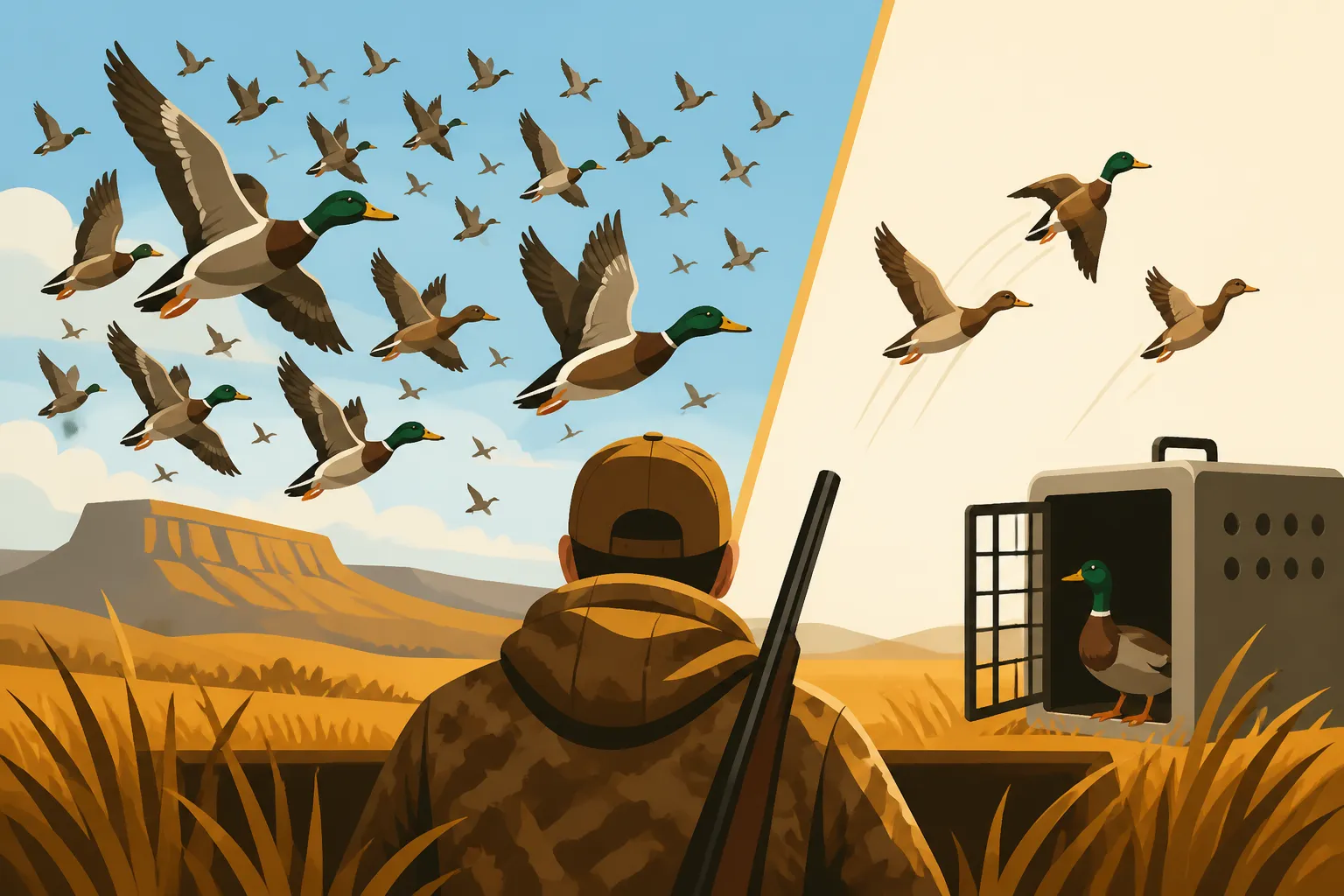
Where Wild Birds Outnumber Released Birds
For many pheasant hunters, there’s a quiet frustration that bubbles up when the birds they’re chasing act a little too… docile. That feeling of spotting a pheasant only to realize it’s one of the released birds from a private preserve or a managed hunt can deflate the excitement. This guide is for those of us who yearn for the true challenge and immense satisfaction of finding and bagging truly wild South Dakota pheasants, exploring where these cunning birds still thrive in their natural state.
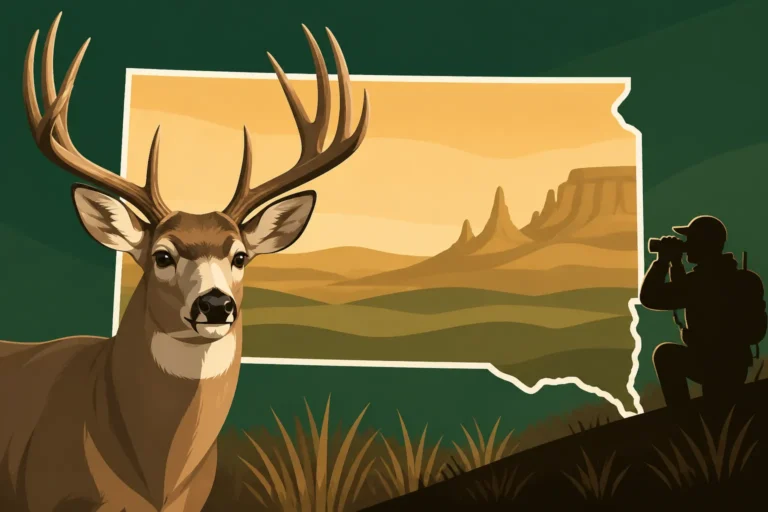
Understanding South Dakota's Pheasant Landscape
South Dakota is undeniably the pheasant capital, a title hard-earned and well-deserved. But even within this storied landscape, not all pheasant encounters are created equal. The distinction between a wild bird and a released bird is critical for any hunter seeking an authentic experience.
The Difference Between Wild and Released Birds
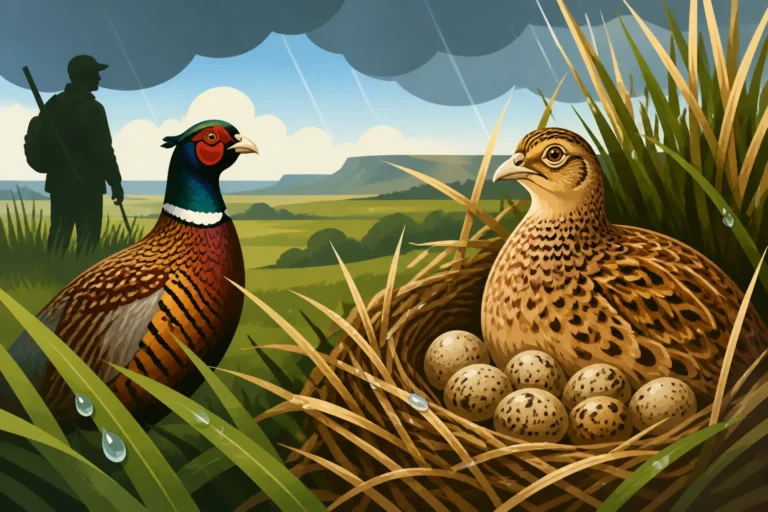
Think of it this way: a wild pheasant has survived blizzards, evaded countless predators, navigated droughts, and outsmarted hunters for at least one full cycle of seasons. These birds are lean, wily, and masters of their environment. They have an innate understanding of escape routes, cover, and how to use the wind to their advantage. Their survival instincts are sharp, making them incredibly challenging and rewarding to hunt. They burst from cover with an explosive flush, often leaving you scrambling to get your gun up. When you connect with a truly wild rooster, there’s a deep satisfaction in knowing you’ve matched wits with a creature that has defied the odds.
Released birds, on the other hand, are often raised in captivity. While they still possess some natural instincts, they haven't had to develop the same level of wariness or survival skills as their wild counterparts. They might hold tighter, run less, or flush differently. For some, they offer a fun, high-volume shooting experience, but for others, it misses the true essence of pheasant hunting. South Dakota has many preserves that release birds, and while they serve a purpose, knowing where to find birds that aren't from these operations is key to a traditional hunt.
Why Location Matters for Wild Bird Encounters
South Dakota's vast and varied landscape means that pheasant populations, and particularly wild pheasant populations, are not evenly distributed. The fertile croplands and extensive grassland habitats found across much of the state provide the ideal conditions for pheasants to thrive naturally. Where you choose to hunt dictates the likelihood of encountering these wild birds. Factors like annual rainfall, winter severity, and land use practices heavily influence bird numbers, and these vary significantly from one county to the next.
For instance, areas with a strong mix of corn and soybean fields interspersed with dense grasslands, CRP (Conservation Reserve Program) acres, and cattail sloughs tend to hold robust wild populations. These diverse habitats offer the necessary food, nesting cover, and winter refuge that pheasants need to survive and reproduce year after year. Conversely, areas with very intense monoculture farming and little diverse cover will naturally support fewer wild birds. Understanding these regional differences is the first step in targeting the best spots for a truly wild hunt.
Factors Influencing Wild Bird Abundance
The health of a wild pheasant population hinges on several critical environmental factors. Good nesting success, minimal predator pressure, and mild winters are all crucial for birds to flourish. A harsh winter with deep snow and prolonged cold can decimate hen populations, directly impacting the following year's hatch. Similarly, a wet, cold spring during nesting season can reduce chick survival. You'll want to read up on South Dakota Pheasant Population History to get a better sense of how these things play out year to year.
Beyond weather, habitat is king. Acres enrolled in CRP provide vital nesting and brooding cover. Areas with a mosaic of food sources, from waste grain in stubble fields to weed seeds in ditches, ensure birds have sustenance year-round. Water availability, especially in drier years, can also concentrate birds. When these elements align – sufficient, diverse habitat, favourable weather patterns, and sensible hunting pressure – you'll find the areas where wild birds truly outnumber any supplemental releases. It’s all about creating the perfect storm of conditions for these adaptable birds to thrive on their own.
Identifying Key Regions for Wild Pheasants
When you're aiming to hunt truly wild pheasants, knowing where to focus your efforts in South Dakota is paramount. The state is broadly divided by the Missouri River, creating two distinct regions with different characteristics that influence pheasant distribution.
East River Versus West River Dynamics
The East River region of South Dakota is traditionally considered the heart of pheasant country. This area is characterized by rolling plains, rich agricultural lands, and an abundance of prairie potholes and sloughs, especially in the northeast. The intense farming here often means a mix of corn, soybeans, and small grains, providing ample food. Crucially, many East River counties also have significant tracts of CRP land and Waterfowl Production Areas, which offer prime nesting and winter cover. The combination of plentiful food and diverse habitat makes the East River a powerhouse for wild pheasant production. The sheer volume of cover means that even with more hunting pressure, pockets of wild birds will always be found.
The West River region, while famed for its big game like Mule Deer on the West River Breaks and Pronghorn Antelope on the South Dakota Prairie, also holds wild pheasants, though often in more isolated pockets. This landscape is generally drier, with vast expanses of rangeland, breaks, and more scattered agriculture. Pheasants here tend to be concentrated around river bottoms, isolated farmsteads, and irrigated fields, or in particularly lush draws and creek beds that offer permanent cover and water. While the overall density might be lower than East River, the birds found here are typically wild, tough, and less accustomed to human interaction. Hunters seeking a more solitary experience might find these areas appealing, as the public land blocks, like parts of the National Grasslands Hunting in South Dakota, can offer expansive, wild hunting grounds.
The Role of Habitat in Specific Counties
Within both East and West River, certain counties consistently show higher wild bird numbers due to superior habitat. In the East, counties like Spink, Faulk, Brown, Kingsbury, and Sanborn often top the list for overall pheasant harvest. These areas maintain a critical balance of row crops for food and substantial grassy cover, including private CRP and public Game Production Areas (GPAs). You'll find intricate mosaics of cattail sloughs, shelterbelts, and undisturbed grasslands that are perfect for pheasants. To really dive deep into these areas, you'll want to check out the GFP's public hunting atlas and consider using tools like GoHunt to analyze land cover before your trip. This helps you pinpoint those crucial habitat features that Cattail Sloughs as Winter Cover provide, or dense grass for nesting.
West River counties like Tripp, Gregory, and Lyman, which border the Missouri River, can also be exceptional. These areas benefit from the river breaks and associated agricultural lands, offering a transition zone of habitat. Further west, counties like Haakon and Stanley, though more sparsely populated, have isolated pockets of excellent pheasant habitat tied to smaller drainages and farming operations. The key is seeking out the areas where farming practices integrate well with natural cover, or where large blocks of public ground or Walk-In Areas provide undisturbed sanctuary.
Lesser-Known Honey Holes
Beyond the widely recognized hotspots, many smaller, less-pressured areas hold excellent wild pheasant populations. These "honey holes" often exist where land ownership patterns create less accessible parcels, or where public access points are simply overlooked. Sometimes it's a small section of Walk-In Area surrounded by private land that requires a longer walk, or a forgotten corner of a Game Production Area. These places might not produce limits every time, but they almost guarantee encounters with truly wild, challenging birds.
Finding these spots often comes down to diligent scouting, studying aerial maps, and a willingness to explore. Using digital mapping tools to identify isolated public parcels, long riparian corridors, or overlooked patches of dense cover can reveal hidden gems. These are the places where Hunting Pressure Patterns on Walk-In Areas might be lower, allowing birds to live out their lives with minimal disturbance. It might mean driving a little further, walking a little harder, or trying a spot that doesn’t look like the classic "bird field" at first glance.
Here’s a general comparison to help you visualize the differences:
| Feature | East River Pheasant Hunting | West River Pheasant Hunting |
|---|---|---|
| Habitat Type | Abundant row crops, CRP, prairie potholes, shelterbelts | Rangeland, river breaks, scattered agriculture, draws |
| Wild Bird Density | Generally higher, especially in prime habitat counties | Lower overall, but highly concentrated in specific areas |
| Hunting Pressure | Higher, especially during opening weeks | Generally lower, more dispersed |
| Bird Characteristics | Wily, but accustomed to some pressure | More remote, often tougher, less pressured birds |
| Primary Challenge | Finding unpressured cover, navigating crowds | Locating birds in vast, diverse terrain |
| Typical Terrain | Flat to gently rolling, some wetlands | Rolling hills, steep draws, sparse trees |
Strategies for Locating Wild Bird Hotspots
Finding where wild birds outnumber released birds in South Dakota isn't just about picking a county; it's about employing smart strategies and doing your homework.
Leveraging Data and Resources
The South Dakota Game, Fish and Parks (GFP) website is your best friend. Their online Public Hunting Atlas is an invaluable resource, showing all public access lands, including Walk-In Areas (WIAs), Game Production Areas (GPAs), and federal lands. Pay close attention to the WIA maps; these private lands enrolled in the program often offer diverse habitat that can hold wild birds. However, don't just look for the biggest blocks of public land. Sometimes, smaller, isolated sections can be gold mines because they see less pressure.
Beyond the GFP, tools like GoHunt can be incredibly powerful for e-scouting. Their mapping layers allow you to overlay land ownership, habitat types, and even topographical features. You can identify those crucial transitions between crop fields and dense cover, pinpoint hidden sloughs, or find access points that might deter less dedicated hunters. By spending time digitally scouting, you can create a hit list of potential wild bird sanctuaries before you even set foot in the state. Remember, the goal is to find those pieces of ground that are just good enough to hold birds, but perhaps challenging enough to access that they deter casual hunters.
Scouting and In-Season Adaptations
E-scouting is a fantastic start, but nothing beats boots-on-the-ground reconnaissance, or at least a good drive-by. When you arrive in your chosen area, drive the gravel roads slowly, observing the habitat. Look for key features like unharvested corn, dense cattail sloughs, thick shelterbelts, and tall grass waterways. These are the places where pheasants live. If you see good habitat, then check your maps to see if there's public access nearby. Pay attention to fence lines; a property that looks "clean" or heavily grazed might not hold birds, while one that's a bit "messy" with diverse cover is often a good sign.
As the season progresses, birds change their patterns. Early season, they're more spread out in lighter cover. By late season, they'll concentrate in heavy cover like Late-Season South Dakota Pheasants in Heavy Cover to escape the cold and predation. Being able to adapt your strategy based on the time of year and current weather conditions is crucial. If you're hunting after a fresh snow, look for tracks leading into the densest cover. If it's a windy day, birds will often hold tight on the lee side of hills or in thick shelterbelts. The more you observe and adapt, the better your chances of finding those elusive wild roosters.
Understanding Hunting Pressure
Wild birds thrive where hunting pressure is moderate, not excessive. Over-pressured areas quickly see birds become nocturnal or leave the area entirely. This is why targeting those lesser-known spots, or hunting during weekdays, can be so effective. Hunters often gravitate to the easiest-to-access public lands, leaving more remote or harder-to-reach parcels relatively undisturbed.
Consider the timing of your hunt. The first few weeks of the pheasant season are notoriously busy, especially on public ground. If you want a truly wild experience, consider going later in the season when the crowds thin out and the remaining birds are at their wariest. These late-season birds have survived multiple hunting drives and are incredibly smart. They offer a challenge that is distinctly different from the early-season "easy pickings" often associated with areas that might see a mix of wild and released birds. Understanding Pheasant Hunting Etiquette on Public Ground also ensures you contribute to a positive experience for everyone, including the birds.
The Experience of Hunting Truly Wild Birds
Hunting wild pheasants in South Dakota is more than just bagging birds; it's an immersive experience that connects you to the land and the animal in a profound way.
The Challenge and the Reward
There's an undeniable thrill in watching a well-trained dog lock up on a wild rooster, or hearing that explosive cackle as a pheasant bursts from seemingly thin air. These are moments that can't be replicated with released birds. Wild pheasants are experts at using the terrain to their advantage, often running far ahead of dogs or holding tight until you've almost stepped on them. They test your patience, your dog's training, and your shooting skills.
The reward isn't just a full game bag, but the story that comes with it. It’s the memory of a strategic push through a vast cattail slough, the precision shot on a fast-flushing bird, or the pure satisfaction of outsmarting a cunning rooster. Each wild bird earned feels like a trophy, a testament to your efforts and the wildness of the South Dakota prairie. This kind of hunting builds character and provides lasting memories. It’s the pursuit of that true, visceral hunting experience that draws so many of us back to South Dakota year after year.
Ethical Considerations and Conservation
When hunting wild birds, it's particularly important to uphold ethical hunting practices and be mindful of conservation. Respect daily bag and possession limits, which are in place to ensure sustainable populations of South Dakota Ring-Necked Pheasants. Be a good steward of the land, whether you're on private property with permission or hunting South Dakota Walk-In Areas. Leave no trace, and respect boundaries.
Supporting conservation efforts is also vital. The habitat stamp you purchase as part of your South Dakota Pheasant Season and Licences directly contributes to habitat improvement programs that benefit wild pheasants and other wildlife. Organisations working to preserve and enhance grassland habitats are crucial for ensuring future generations can continue to enjoy the challenge of hunting wild birds. Every decision you make in the field has an impact on the long-term health of these wild populations.
Maximizing Your Chances
To maximize your chances of encountering those truly wild birds, be prepared to put in the effort. This means more than just showing up on opening weekend. It means:
- Doing your homework: Study maps, understand habitat, and use tools like GoHunt for advanced e-scouting.
- Targeting the right areas: Focus on counties known for strong wild populations and diverse habitat, often away from high-density preserve operations.
- Timing your hunt: Consider hunting during weekdays or later in the season when pressure lessens and remaining birds are inherently wilder.
- Bringing a good dog: A well-trained flushing or pointing dog is invaluable for finding and retrieving wild pheasants that would otherwise be missed.
- Being adaptable: Observe bird behavior, adapt your tactics to weather conditions, and be willing to change locations if a spot isn't producing.
- Walking more: Often, the best wild bird spots require a longer walk to get away from easy access points. Don't be afraid to put in the miles.
By embracing these strategies, you're not just hunting pheasants; you're embarking on a quest for the authentic South Dakota experience, where every flush is a surprise and every bird is a genuine testament to the wild spirit of the prairie.
Disclaimer
This article is for general informational purposes only and does not constitute professional advice. Laws, prices and regulations vary by location and change over time. Consult a qualified professional for guidance on your specific situation.