South Dakota Pheasant Shooting Hours
Navigating the specific regulations for hunting in South Dakota can sometimes feel like trying to untangle a ball of yarn, especially when it comes to nuances like shooting hours. Many hunters, particularly those new to the state or traveling from elsewhere, often scratch their heads trying to figure out exactly when they can start their pursuit of those legendary South Dakota pheasants. It's a common point of confusion that, if misunderstood, can lead to a missed opportunity or, worse, a run-in with the law. This guide aims to clear up all the fog surrounding South Dakota pheasant shooting hours, explaining not just what they are, but why they are set that way, and how you can plan your hunt to maximize your success within these important regulations.
Understanding South Dakota Pheasant Shooting Hours
When you’re planning a pheasant hunt in the Mount Rushmore State, one of the most critical pieces of information you need to know, right alongside checking the South Dakota pheasant season dates, is the legal shooting hours. Unlike many other game species that often allow hunting from thirty minutes before sunrise to thirty minutes after sunset, pheasants in South Dakota have a distinctly different schedule. This isn't just a minor detail; it fundamentally shapes how you approach your morning hunt.
The 10:00 AM Rule and Its Origins
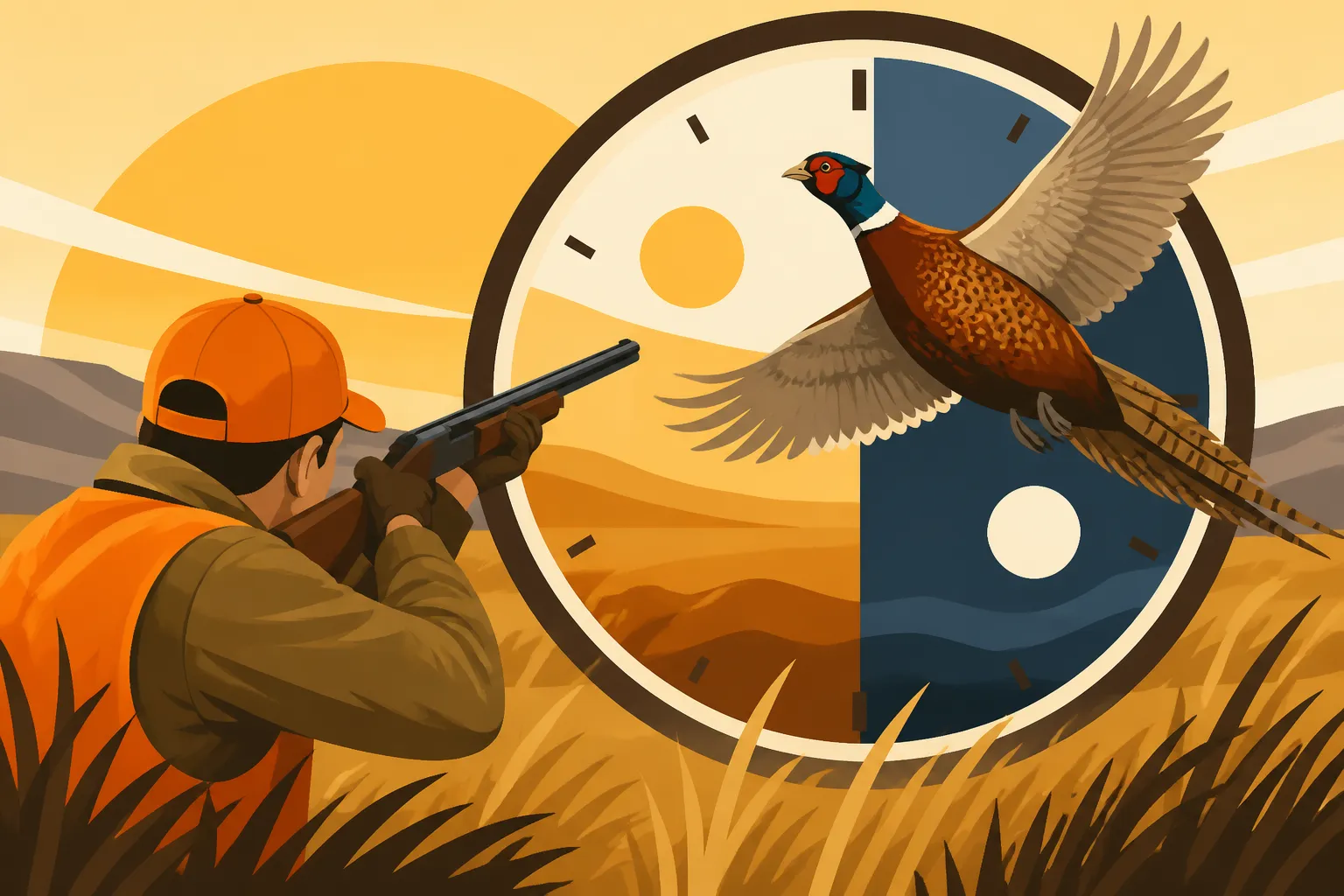
For pheasants in South Dakota, the legal shooting time doesn't begin until 10:00 AM Central Time. This is a statewide rule that applies throughout the entire pheasant season, from the general opener (typically the third Saturday in October, which you can always confirm by checking the South Dakota Pheasant Opener Date) right through to the season's close. This 10:00 AM start isn't arbitrary; it's a carefully considered regulation designed to manage both the pheasant resource and the hunting experience itself. Imagine a crisp fall morning, the sun just starting to peek over the horizon, and you're champing at the bit to get your boots on the ground. However, if it's pheasants you're after, that enthusiasm needs to be tempered with patience until the clock ticks over to ten. This rule means your early mornings will be spent scouting, enjoying a hearty breakfast, or simply soaking in the quiet prairie atmosphere, rather than actively hunting.
The origin of this later start time is rooted in a combination of pheasant biology, hunter behavior, and land management. Pheasants, like many birds, have a predictable daily routine. In the very early morning, they are often still concentrated in their roosting cover, which can be dense cattail sloughs, heavy shelterbelts, or deep grass. Hunting them too early can be disruptive, pushing them out of their prime habitat prematurely or making them incredibly difficult to flush once they've had a chance to run. The 10:00 AM start allows the birds to move off their roosts naturally, feed a bit, and begin their daily activities, spreading out more predictably into accessible cover.
Legal Shooting Time Versus General Hours
It's absolutely vital to understand that the 10:00 AM pheasant start time is specific to pheasants. This is a common point of confusion for hunters who might also be pursuing other game or who are accustomed to different regulations in their home states. For many other small game species, and certainly for big game like deer and antelope, the legal shooting hours generally follow the "thirty minutes before sunrise to thirty minutes after sunset" standard. This means if you're out hunting prairie grouse or waterfowl, your day could start much earlier.
However, if a pheasant presents itself before 10:00 AM, even if you're legally hunting another species like ducks over a prairie pothole, it is still illegal to shoot that pheasant. The rule is species-specific. This distinction means you need to be acutely aware of your target species and the time on your watch. It highlights the importance of checking the South Dakota Game, Fish and Parks (GFP) regulations each year, as rules can sometimes change or be adjusted. For instance, while you might be setting up your spread to go Decoying Ducks on a South Dakota Prairie Pothole well before sunrise, your pheasant guns need to stay cased until that magic 10 AM mark. This often means packing separate gear or at least being very disciplined about which firearm you have ready at what time.
Why These Hours Exist: The Rationale Behind the Rules
The 10:00 AM pheasant shooting hour in South Dakota isn't just an arbitrary restriction; it's a carefully crafted regulation with significant benefits for both the pheasant population and the overall hunting experience. Understanding the reasoning behind it can help hunters appreciate its value and plan their days more effectively.
Rooster Behavior and Morning Roosting
One of the primary reasons for the later start time revolves around the natural behavior of ring-necked pheasants. In the early morning hours, pheasants are generally still concentrated in their overnight roosting cover. This cover can be extremely thick, such as dense cattail sloughs, heavy plum thickets, or tall, undisturbed switchgrass fields. If hunters were allowed to enter these areas at dawn, the birds would likely be flushed very quickly and wildly. They might fly long distances, often directly onto posted private land where they are inaccessible, or scatter into less desirable cover, making them much harder to work effectively later in the day.
By waiting until 10:00 AM, the birds have had a chance to naturally disperse from their roosts, move out into agricultural fields or lighter cover to feed, and then settle into more accessible areas as the day warms. This makes them less "wild" and more inclined to hold for pointing dogs or flush within gun range for flushing dogs. It allows for a more traditional, productive hunt rather than a frantic race to find birds that have been scattered by early pressure. Think of it as letting the coffee brew and the breakfast settle before you hit the road – you’ll be much more effective.
Hunter Safety and Experience
The later start time also plays a significant role in hunter safety and the quality of the hunting experience. South Dakota is famous for its vast expanses of prime pheasant habitat, much of which is a patchwork of public access areas like Walk-In Areas (WIAs) and Game Production Areas (GPAs) mixed with private farmland. In the dim light of early morning, distinguishing property lines, identifying safe shooting lanes, and coordinating with fellow hunters can be challenging. The 10:00 AM rule ensures that hunting begins with ample daylight, enhancing visibility and reducing the risk of accidents.
Moreover, it helps to manage hunter pressure, particularly on opening weekend. Imagine hundreds of hunters trying to access prime public lands right at dawn. The later start time allows for a more staggered approach, giving everyone a bit more space and reducing the potential for crowded conditions right out of the gate. This contributes to a safer and more enjoyable experience for everyone involved. For instance, being able to leisurely plan your attack on a section of Walk-In Area, perhaps even using a tool like the GoHunt app to check boundary lines, rather than rushing in pre-dawn, significantly improves the overall experience and safety. It reduces the likelihood of accidental trespass, which is a common concern when Hunting Pressure Patterns on Walk-In Areas are high.
Managing Pressure and Bird Survival
Beyond immediate hunter experience, the 10:00 AM rule serves as a crucial wildlife management tool for the South Dakota Game, Fish and Parks (GFP). By delaying the start, hunting pressure is inherently spread out over the course of the day rather than concentrated in the first few hours. This allows pheasants a period of undisturbed feeding and movement each morning. Healthy, well-fed birds are more resilient, especially as the season progresses into colder weather.
This management strategy aims for a sustainable harvest, ensuring that the population isn't overly stressed or pushed out of critical habitat areas too frequently. It's a balance designed to provide excellent hunting opportunities year after year while safeguarding the long-term health of the pheasant population. This is particularly relevant when considering factors like Winter Severity and South Dakota Pheasant Survival, where healthy birds going into winter have a much better chance of making it through. The 10 AM rule contributes to this long-term strategy, demonstrating a commitment to responsible wildlife stewardship.
Practical Implications for Hunters: Planning Your Day
While the 10:00 AM start might feel restrictive at first, it actually opens up some unique opportunities for planning a productive and enjoyable pheasant hunt in South Dakota. Successful hunters learn to work with the regulations, not against them, turning the later start into an advantage.
Maximizing the 10:00 AM Start
Knowing you can't start hunting until 10:00 AM allows for a more relaxed and strategic morning. Instead of a frantic pre-dawn rush, you can use these hours to your advantage. Many seasoned hunters will dedicate the early morning to a thorough breakfast, going over maps, and discussing strategy. This is an excellent time for last-minute scouting of fields you plan to hit. For example, you might drive around the perimeter of a chosen cattail slough or a CRP field to see if birds are moving or where fresh tracks are. Using mapping applications like GoHunt can be incredibly helpful during this time, allowing you to mark potential holding cover, plan your push routes, or identify potential escape routes for pheasants.
You can also use this time for dog preparation. For hunts early in the season, when temperatures can still be quite warm, waiting until 10:00 AM allows the day to warm up, but also provides time to ensure your dog is well-hydrated and ready for the field without overheating. Check out tips on Keeping a Dog Cool on an Early Opener to ensure your canine companion is at its best. Some groups even use this time to conduct short, refresher training sessions for their dogs, focusing on steady retrieves or handling signals. When 10:00 AM finally rolls around, your entire group, including your dogs, can be fully prepared and focused, ready to make a strategic entry into the chosen cover.
Afternoon and Evening Hunting Strategies
While the 10:00 AM start is unique, pheasant hunting extends until sunset. This means you have a full afternoon and evening of hunting opportunities. Many hunters find that the afternoon can be just as, if not more, productive than the initial burst after 10:00 AM, especially as hunting pressure shifts. Birds that were pushed or missed in the morning often settle into new cover. This is a great time to focus on areas that might have been overlooked, or to revisit fields with less pressure.
As the day progresses, pheasants tend to move towards their evening roosts. This can create excellent hunting opportunities in the late afternoon and early evening, though it's important to be mindful of Evening Roost Hunting Ethics and avoid disturbing birds already settled for the night. Fields adjacent to heavier cover, food plots, or even corn stubble can be highly productive during these hours. Consider tactics like Working South Dakota Shelterbelts for Roosters in the late afternoon, as birds often utilize these linear features before heading into more secluded overnight cover. The birds might also be less inclined to run and more apt to hold as the day winds down, offering more consistent flushes.
Checking Official Regulations
While this guide provides a general overview, it is paramount that every hunter verifies the specific, up-to-date regulations directly from the South Dakota Game, Fish and Parks (GFP) each year. Regulations can change, and what was true last season might have subtle differences this season. The official GFP website is always the most reliable source. They typically publish a comprehensive hunting handbook annually, which is an invaluable resource. Knowing when the South Dakota Hunting Handbook Release occurs can ensure you're always operating with the most current information.
Additionally, always pay attention to any local signage or temporary rules, especially when hunting on specific Walk-In Areas or other public lands. These signs might detail specific restrictions unique to that parcel. Being informed protects you and ensures a positive experience. Remember, ignorance of the law is not an excuse, and game wardens in South Dakota are diligent in enforcing these rules to ensure fair chase and wildlife management objectives are met.
Common Misconceptions and Legalities
Even with clear rules, misunderstandings about pheasant shooting hours can persist, leading to unintended violations or missed opportunities. Addressing these common points of confusion and understanding the legal ramifications is crucial for any hunter.
The Difference for Other Game Species
One of the most persistent misconceptions is assuming that pheasant shooting hours are universal for all hunting in South Dakota. This is simply not the case. As mentioned earlier, species like deer, antelope, and waterfowl often adhere to the traditional "thirty minutes before sunrise to thirty minutes after sunset" rule. This means that on any given morning, you could theoretically be legally hunting ducks or geese, but would still be prohibited from shooting a pheasant if one flushed from the cattails near your decoy spread.
For example, if you're out Waterfowl Hunting the South Dakota Prairie early in the morning, setting up your decoys before light, you need to be very disciplined if a pheasant bursts out from nearby cover. You might see other hunters out and about before 10 AM, but they could be targeting other species. This often leads to confusion, with some hunters mistakenly believing they can shoot pheasants early if they are also set up for another hunt. The 10:00 AM rule for pheasants is an exception, not the standard, and understanding this distinction is key to staying within the law.
Avoiding Trespass and Neighbor Disputes
Adhering strictly to the 10:00 AM pheasant shooting hour isn't just about legality; it's also a matter of good ethics and maintaining positive relationships with landowners and other hunters. Many private landowners specifically appreciate the later start, as it gives birds time to move off their roosts and provides a buffer against accidental early morning encroachment. Starting too early, especially if you're hunting near private land boundaries, can easily lead to a perception of trespass or disrespect.
Imagine a scenario where a landowner wakes up to gunshots before sunrise and sees hunters near their property line. Even if those hunters are legally on public land, the early noise could create tension. By waiting until 10:00 AM, you not only avoid potential legal issues but also contribute to the generally positive atmosphere surrounding hunting in South Dakota. This is especially important when considering Pheasant Hunting Etiquette on Public Ground, where being a considerate hunter can go a long way in preserving access and opportunities for everyone. Tools like GoHunt's property line overlays are invaluable for staying on the right side of the fence at all times, further reducing any accidental trespass risk.
Penalties and Enforcement
Violating South Dakota's pheasant shooting hours is a serious offense, and game wardens are vigilant in their enforcement. The penalties for shooting before legal hours can range from a substantial fine to the loss of hunting privileges, confiscation of game, and even forfeiture of equipment. These are not minor infractions; they are violations of wildlife law designed to protect the resource and ensure fair chase.
The GFP takes these rules seriously because they are fundamental to their management strategies. A hunter caught in violation might face penalties similar to other South Dakota Wildlife Violation Penalties. It’s not just about a specific bird; it's about respecting the system that allows millions of hunters to enjoy the abundant wildlife South Dakota offers. The bottom line is that it's simply not worth the risk. Plan your day around the 10:00 AM start, enjoy the full hunting day that follows, and always prioritize ethical and legal hunting practices.
| Species/Category | Legal Start Time | Legal End Time | Notes |
|---|---|---|---|
| Pheasants | 10:00 AM Central Time | Sunset | Unique rule for pheasants, applies statewide. |
| Most Big Game (Deer, Antelope, Elk) | 30 minutes before sunrise | 30 minutes after sunset | Standard rule for larger game species. |
| Waterfowl (Ducks, Geese) | 30 minutes before sunrise | Sunset | Standard rule, but subject to specific season zones and dates. |
| Most Small Game (Grouse, Partridge, etc.) | 30 minutes before sunrise | Sunset | Generally follows standard rule, always check specific species. |
Note: All times are Central Time. Always consult the current South Dakota Game, Fish and Parks regulations handbook for precise and up-to-date information, as specific dates and times can vary slightly by season and location.
Disclaimer
Please be aware that hunting regulations, seasons, and licensing requirements can change. While this article provides comprehensive information based on current understanding, it is absolutely essential to consult the official South Dakota Game, Fish and Parks (GFP) website and the most recent hunting handbook before planning and embarking on any hunt. This content is for informational purposes only and should not be considered legal advice.